
In a move that’s sent shockwaves through both Hollywood and the gaming industry, Netflix has announced its acquisition of Warner Bros Discovery in a massive $82.7 billion cash and stock transaction. While the entertainment press focuses on the implications for HBO, Game of Thrones, and the DC Universe, gamers should be paying close attention to what this means for Warner Bros. Games and its stable of beloved studios.
A Package Deal That Comes with Baggage
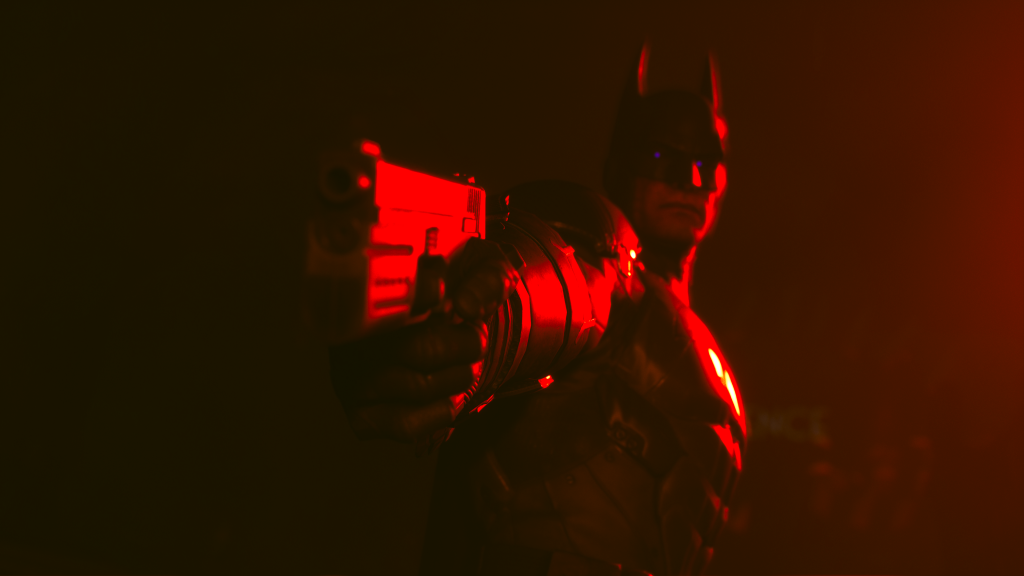
The acquisition includes Warner Bros. Games and all its subsidiaries—NetherRealm Studios (Mortal Kombat), Rocksteady Studios (Batman: Arkham series), TT Games (LEGO games), and more. What’s striking is how little the gaming division featured in Netflix’s announcement. During the conference call, games received barely a passing mention, with the Mortal Kombat logo appearing briefly on a single slide before the conversation quickly pivoted back to film and television.
A Warner Bros. Discovery spokesperson confirmed the gaming division is part of the deal, but Netflix co-CEOs Greg Peters and Ted Sarandos spent their time discussing IP libraries, theatrical releases, and streaming content. When a company announces an $82.7 billion acquisition and barely mentions a major component that includes some of the most respected studios in gaming, it speaks volumes about their priorities—or lack thereof.
A Fundamental Misalignment

Netflix’s gaming strategy has undergone a dramatic shift in recent years, moving away from big-budget game development toward mobile titles and smaller-scale projects. This represents a fundamental collision with Warner Bros. Games’ DNA. We’re talking about studios built on massive, blockbuster titles with budgets in the hundreds of millions—the Batman: Arkham series, Mortal Kombat, and of course, the massive hit that was Hogwarts Legacy.
Netflix expects to realise $2-3 billion in cost savings per year following the acquisition. Major game studios with lengthy development cycles and massive budgets don’t exactly scream “cost efficiency.” When executives talk about “optimising operations,” it often leads to mass layoffs and closed studios.
Netflix’s Troubling Track Record

The most damning evidence? In 2024, Netflix shut down Team Blue, its own AAA studio headed by industry legend Joseph Staten, former creative director of Halo and key figure behind some of gaming’s most iconic moments. The studio was closed before it could release a single game or even show a trailer. If Netflix couldn’t commit to its own AAA project led by one of the industry’s most respected names, what hope is there for the expensive Warner Bros. studios it’s inheriting?
The recent decision to reportedly sell Spry Fox back to its founders only reinforces the pattern. Netflix is already having second thoughts about gaming investments, yet we’re supposed to believe they’ll nurture Rocksteady through a five-year development cycle? The company has repeatedly struggled to find its footing in gaming despite multiple attempts and acquisitions. WB Games had already been self-destructing on their own, but I fear it will only get worse from here.
In Conclusion

Netflix co-CEO Greg Peters stated this acquisition will “improve our offering and accelerate our business for decades to come.” But the evidence suggests gaming isn’t the business he’s talking about. The gaming division is just part of the package—potentially an expensive part that doesn’t align with Netflix’s gaming vision.
I’d love to be proven wrong. Maybe Netflix will surprise us and commit to supporting these studios’ AAA ambitions. But when you close down Joseph Staten’s studio before it ships anything, pivot away from big-budget games, and barely mention your newly acquired gaming division in an $82.7 billion announcement. It’s hard to shake the feeling that storm clouds are gathering for Warner Bros. Games.
