
2025 was a paradox for gaming, a year that delivered some of the medium’s finest experiences while simultaneously exposing the industry’s most troubling tendencies. We witnessed masterpieces like Clair Obscur: Expedition 33, Donkey Kong Bananza, Hades II, and Kingdom Come: Deliverance II that reminded us why we love this hobby. The Nintendo Switch 2 launched to massive success, Xbox finally found its footing with consistent quality releases, and indie developers continued punching above their weight with innovative titles.
Yet beneath this veneer of creative triumph lurked a darker reality: studios shuttered without warning, highly anticipated games canceled after years of investment, subscription services betraying their most loyal supporters, and corporations prioritizing short-term profits over long-term sustainability. For every moment of joy, there seemed to be a corresponding disappointment that left fans questioning the industry’s priorities. These are the failures, betrayals, and missed opportunities that defined 2025’s darker side—the moments that remind us that for all its artistic achievements, gaming remains an industry struggling with its own success.
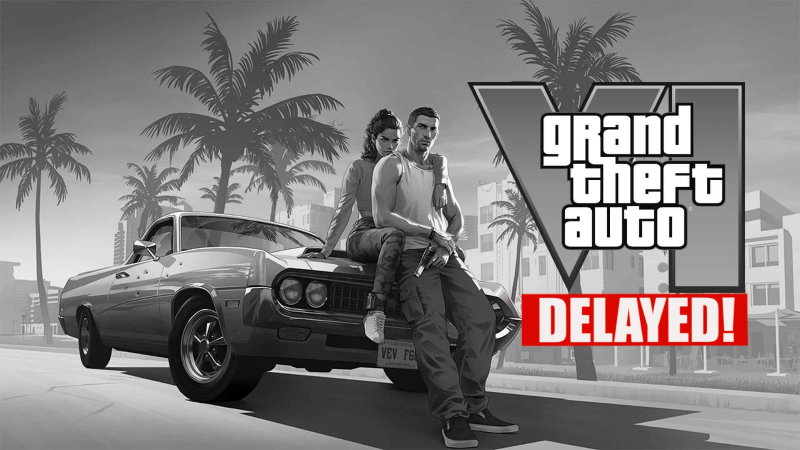
15. GTA VI (Inevitably) Delayed to 2026

While few were truly surprised, the official confirmation that Grand Theft Auto VI would miss its 2025 window still stung. Rockstar Games had maintained radio silence for months before finally announcing the delay to 2026, citing their commitment to quality and polish. The disappointment wasn’t just about waiting longer for one of gaming’s most anticipated titles, but rather the realization that the hype cycle had been premature. While most understood Rockstar’s perfectionist tendencies and appreciated their desire to avoid a Cyberpunk 2077-style launch debacle, it didn’t make the wait any easier. At least we have a confirmed release date of November 19, 2026, though many are already bracing for another potential delay.
14. The Cross-Gen Era That Wouldn’t Die
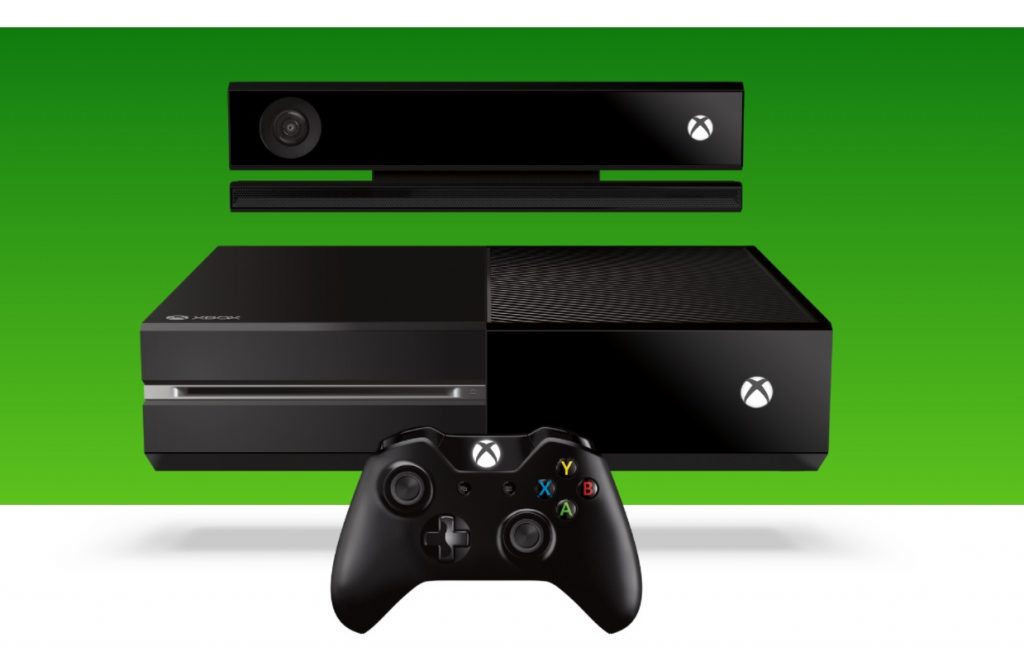
Five years into the current console generation, it remains baffling that major AAA titles continue to launch on PlayStation 4 and Xbox One. While publishers justified these decisions by pointing to the large install base of last-gen consoles, the practice only hampered innovation. Games that should have been showcasing the power of PS5 and Xbox Series X|S were instead being held back by decade-old hardware limitations. Major releases that could have pushed boundaries instead felt stagnant. The financial incentive is understandable, but it came at the cost of creative ambition. The cross-gen era had officially overstayed its welcome.
13. $80 Games and the Game Key Card Controversy

The $80 standard game price officially arrived in 2025, with Nintendo breaking the dam. Although many thought that it would open the floodgates and publishers would take the bait to follow, it didn’t become a widespread adoption. Nintendo’s approach was also somewhat nuanced—only Mario Kart World launched at the full $79.99 price point, while there were certain Switch 2 Editions that packaged $60 base games with $20 expansions to reach the $80 mark. However, Nintendo softened the blow by bundling Mario Kart World with the Switch 2 for $50, which became the most popular purchasing option. Xbox attempted to follow suit with the $80 pricing but quickly backtracked after significant consumer backlash, launching The Outer Worlds 2 and Call of Duty: Black Ops 7 at the standard $69.99 instead.
Perhaps equally controversial was the proliferation of Game Key Cards—physical cards that insert into the Switch 2 like traditional cartridges but trigger an internet download instead of containing game data. While these cards could be traded and lent like regular cartridges, preserving some benefits of physical media, they became a major source of outrage. Fans pointed out that these games couldn’t be installed if Nintendo’s servers were to ever go offline, eliminating the preservation benefits of physical media. While I personally argue this represents the best available option given Switch 2 cartridge costs and the size of modern games, collectors and preservation advocates felt betrayed. Nintendo found a middle ground that is too physical for digital advocates and too dependent on online infrastructure for physical media purists.
12. Nintendo Switch 2 Welcome Tour: The $10 Tech Demo Nobody Asked For
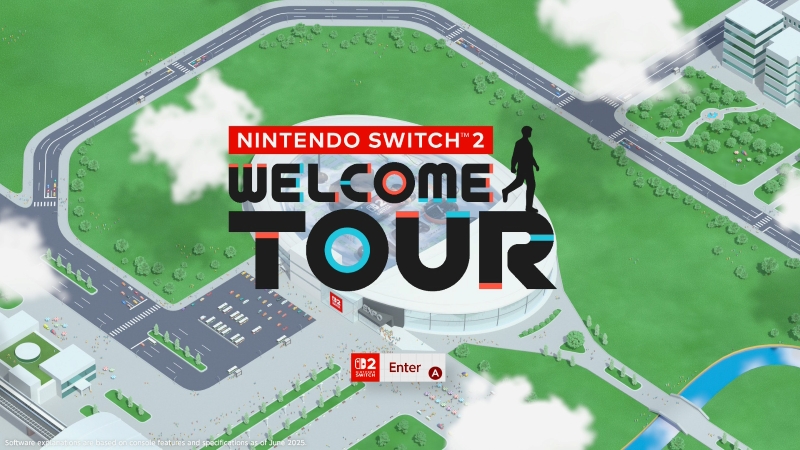
Nintendo Switch 2 Welcome Tour became one of gaming’s most disappointing launch titles when it was announced as a $9.99 paid download rather than a pack-in title with the console. The digital-only tech demo was designed to showcase the Switch 2’s features through interactive exhibits, quizzes, mini-games, and tech demonstrations. The decision drew immediate negative comparisons to beloved pack-in games like Wii Sports, with even former Nintendo of America president Reggie Fils-Aimé seemingly criticizing the decision.
Welcome Tour received mixed or average reviews and became Nintendo’s worst-reviewed game since Animal Crossing: Amiibo Festival in 2015. Critics described the experience as feeling educational rather than entertaining, more like homework than play. The core complaint wasn’t about quality—the game was polished and informative—but rather that such content should have been free with the console, especially when compared to PlayStation 5’s acclaimed pack-in title Astro’s Playroom.
11. Monster Hunter Wilds: A Massively Successful Disaster

Monster Hunter Wilds launched in February 2025 to critical acclaim and record-breaking sales, becoming Capcom’s fastest-selling title and one of Steam’s best-performing games of all time with 10 million copies sold in the first month. Yet by mid-year, the game’s Steam reviews had plummeted to “Mixed,” with recent reviews showing just 48% positive. The PC version became nearly unplayable for many users, plagued by frequent crashes, stuttering, visual glitches, and performance that deteriorated with each title update rather than improving. Players reported needing high-end systems just to achieve basic framerates. Console players on PS5 and Xbox Series X also experienced frame drops and muddy graphics that did not echo the game’s visual presentation shown in trailers before release.
Beyond technical issues, longtime fans expressed disappointment with gameplay changes that prioritized accessibility over the series’ trademark difficulty. The game featured a limited monster roster compared to Monster Hunter: World, overly scripted opening hours with unskippable dialogue sequences, and simplified mechanics that removed the preparation and strategic depth that defined the franchise. Despite the mounting criticism and player exodus (with active players dropping 99% from launch), the company offered no meaningful acknowledgment of the problems or roadmap for improvements. Monster Hunter Wilds became 2025’s most successful fiasco, a game that sold exceptionally well but lost its community’s trust and it doesn’t seem like they care.
10. PlayStation’s Anemic Year and Lost Soul Aside’s Disappointment

2025 marked another dry year for PlayStation’s once-abundant first-party lineup in comparison to competition. SIE published less than half the games Xbox and Nintendo did in 2025. After setting the standard with quality and consistency last generation, PlayStation’s slate hasn’t met the standard consistently this gen and 2025’s no different. Their offerings consisted of Death Stranding 2: On the Beach, Ghost of Yotei, Lost Soul Aside and their annual MLB The Show release. Most troubling was that Ghost of Yotei and The Show represented the only releases from one of PlayStation’s prestigious in-house studios. Fans grew increasingly frustrated that major studios like Naughty Dog still hadn’t released a single game during the entire PS5 generation so far.
Meanwhile, Xbox experienced a strong 2025 with South of Midnight, Avowed, Doom: The Dark Ages, Gears of War: Reloaded, and The Outer Worlds 2. Nintendo dominated with an exceptional Switch 2 launch including Mario Kart World, Donkey Kong Bananza, Metroid Prime 4: Beyond, Pokémon Legends: Z-A, and Kirby Air Riders. To add insult to injury, despite PlayStation being the most nominated publisher, Sony went home empty-handed with no game-related awards at The Game Awards. Meanwhile, both Xbox and Nintendo celebrated multiple wins.

Perhaps most disappointing was Lost Soul Aside, which Sony had championed as a showcase for their China Hero Project. After years of stunning trailers promising Devil May Cry-style action, the game arrived as a hollow experience that didn’t meet the PlayStation standard or what one would expect from its price tag. Although the core combat was good, limited enemy variety, a horrid English dub, terrible audio design and performance issues even on PS5 plagued its launch. Lost Soul Aside became emblematic of Sony’s 2025 woes—a promising project that failed to live up to expectations.
9. Vampire: The Masquerade – Bloodlines 2: Development Hell’s Newest Victim

The long-troubled development of Bloodlines 2 reached its unfortunate conclusion with a 2025 release that satisfied almost no one. After multiple studio changes, complete creative reboots, and numerous delays, the final product felt like a game made by committee with no clear vision. The Chinese Room, the third developer on the project, delivered a technically functional but creatively bankrupt experience that bore little resemblance to the beloved original. Gone was the reactive, immersive sim design that made the first Bloodlines special, replaced with linear levels and binary choices.
The writing, once the series’ greatest strength, felt generic and failed to capture the dark, seductive atmosphere of the World of Darkness setting. Character customization was shallow, with limited clan options and abilities that felt cosmetic rather than transformative. The game’s troubled development was visible in every aspect: inconsistent art direction, awkward pacing, and story threads that went nowhere, suggesting cut content and compromised vision. Long-time fans mourned what could have been, while newcomers found little reason to care about this diminished version of a classic. Bloodlines 2 stands as one of gaming’s most disappointing sequels, a cautionary tale about development hell and the impossibility of meeting expectations built over two decades.
8. The Life Sim Apocalypse
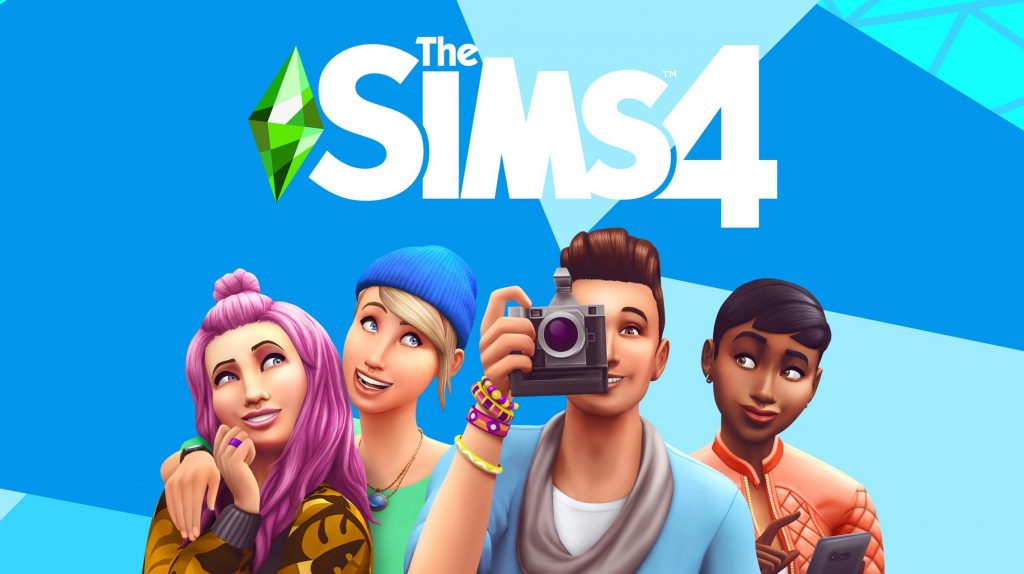
2025 was supposed to be the year that broke The Sims’ monopoly on the life simulation genre, but instead became a disaster that left life sim fans with nothing but broken hearts. EA’s baffling decision to cancel a proper The Sims 5 in exchange for the mysterious multiplayer Project Rene, along with the continued milking monetization of The Sims 4 through DLC. On the bright side, this only made the demand higher for a trio of impressive looking competitors to finally topple Maxis’ monopoly on the genre. Sadly, things did not go as planned.
Paradox Interactive’s Life By You promised to be a genuine Sims competitor with deeper simulation and mod support with the OG Sims creator Rod Humble running the show. Unfortunately, it was abruptly canceled just months before its planned release, leaving fans (including myself) gravely disappointed. Krafton’s Inzoi, heavily marketed as a next-generation life sim with stunning Unreal Engine 5 graphics was next up to take a shot—and it actually released. However, it launched to disappointing reviews criticizing its shallow gameplay, lack of content, and poor optimization. Although the game looked amazing, it could not even compare to the base game experience of The Sims. Finally, Paralives, the indie darling with a unique, vibrant art style and beautifully authentic animations represented many fans’ last hope for 2025. But, the team announced yet another delay pushing its release to 2026.
For a genre starving for innovation and competition, 2025 represented a complete collapse of promising alternatives, leaving players trapped in The Sims 4‘s seemingly endless DLC cycle for a bit longer.
7. Marathon: Art Theft Scandal and Underwhelming Beta

Bungie’s extraction shooter Marathon faced a devastating art theft scandal when digital artist Fern Hook (known as ANTIREAL) revealed that game logos and decals were ripped straight from poster designs she made in 2017. Side-by-side comparisons showed in-game decals and signage that were identical to her posters. ANTIREAL noted that Marathon‘s art director Joseph Cross and other Bungie artists had followed her for years but never communicated with her. Bungie blamed a former artist who included the stolen work in a texture sheet in 2018, though critics and fans pointed out this was the fourth time in four years Bungie had been caught using artists’ work without permission. Though eventually resolved, ANTIREAL expressed frustration at large companies exploiting independent artists and the industry backed her and used it as ammo against Marathon.
On top of this, the closed beta generated lukewarm-to-negative reactions. Players criticized the graphical fidelity, noting the game seemingly featured a pervasive grey filter that made visuals look washed out and unappealing, with notably low-resolution ground and water textures. While the art style showed promise, the visual fidelity failed to support it. Gameplay impressions described it as boring with uninspired maps and objectives.
Players reported spending most matches running around collecting gear while rarely encountering other players, with runs feeling too safe and easy. The game’s world felt hollow and devoid of life, lacking the excitement needed months before its planned release. Combined with internal development troubles and key staff departures, Marathon‘s problems painted a picture of a troubled project struggling to find its footing. It does look like Bungie took the feedback to heart and have made strides to improve the game from the visuals to the gameplay loop. We’ll see if it’s enough to win players back when it launches March 2026.
6. MindsEye: A Spectacular Failure
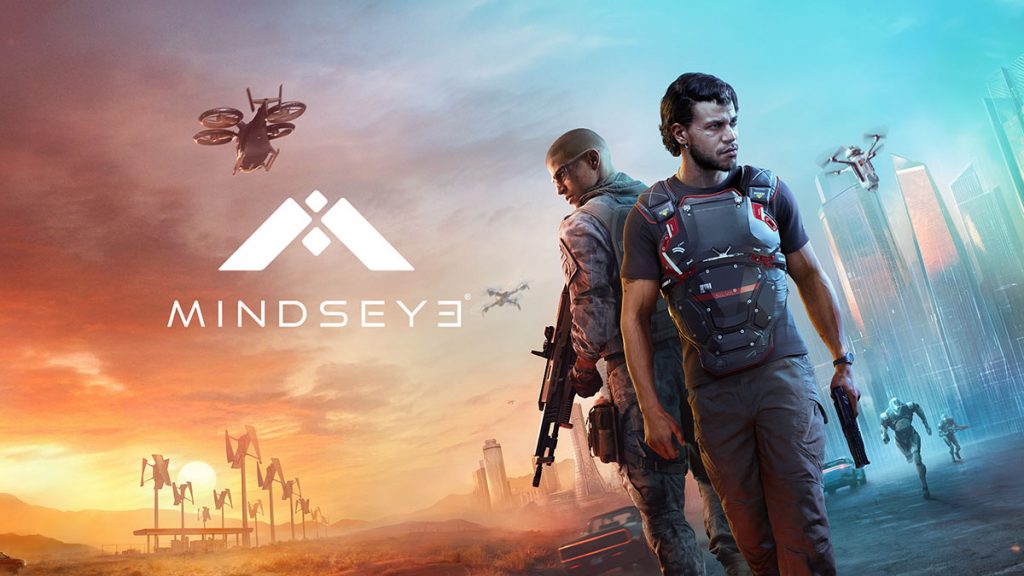
MindsEye arrived as one of 2025’s most anticipated games, the first game from Build A Rocket Boy, founded by legendary former GTA producer Leslie Benzies. However, it turned out to be a complete disaster. The third-person action-adventure game, released on June 10, 2025, received mostly negative reviews from both critics and audiences, becoming the lowest-rated game of the year. In the lead-up to release, advance review codes were not given out, and the Chief Legal Officer and Chief Financial Officer left the company a week before release. Co-CEO Mark Gerhard even made claims that negative pre-release reception was part of a paid campaign by a third-party to damage the game and studio.
Reviews described the game as relentlessly dull, wasting its impressive world on formulaic and archaic mission design, including the dreaded tailing mission in the opening hours. Players spent most of their time on boring phone calls rather than exciting action, with the MindsEye neural implant serving as little more than a plot device rather than an actual gameplay mechanic. The game’s rigid linearity meant you couldn’t explore the impressive city of Redrock, with designated vehicles you couldn’t exit, and missions failing if you ventured off course. Technical issues plagued the launch, with numerous bugs and combat that felt weightless and lacking impact.
Following the negative reception and reports of refunds, Build a Rocket Boy began the redundancy process reportedly affecting over 250 employees, with developers posting an open letter criticizing the studio’s leadership for a toxic workplace and mistreatment of staff. MindsEye became a symbol of wasted potential and everything that can go wrong when ambition and mismanagement collide.
5. Monolith Productions Shuttered; Wonder Woman Cancelled
The closure of Monolith Productions sent shockwaves through the gaming industry and devastated fans of the beloved studio. The studio, responsible for the critically acclaimed Middle-earth: Shadow of Mordor and Shadow of War, as well as the legendary F.E.A.R. series, had been one of Warner Bros. Games’ most consistent and creative developers. The closure came suddenly, with reports suggesting it was part of WB’s broader cost-cutting measures rather than any issues with the studio’s creative output or commercial success. Warner Bros.’ decision to shutter the studio rather than find it a new home baffled observers, especially given Monolith’s proven track record of creating innovative gameplay systems like the revolutionary Nemesis System.
Most devastating was the cancellation of the studio’s Wonder Woman game, which was set to utilize the beloved Nemesis System in new and exciting ways. Fans had been eagerly anticipating how Monolith would adapt their innovative AI-driven rival system to the DC universe, making the cancellation particularly heartbreaking. Any hope of continuing the Middle-earth games or reviving classic franchises like F.E.A.R. evaporated. The closure represented not just the loss of future games, but the destruction of institutional knowledge, technical expertise in creating dynamic systems, and a studio culture that had consistently pushed boundaries.
4. Console Price Increases Across The Board
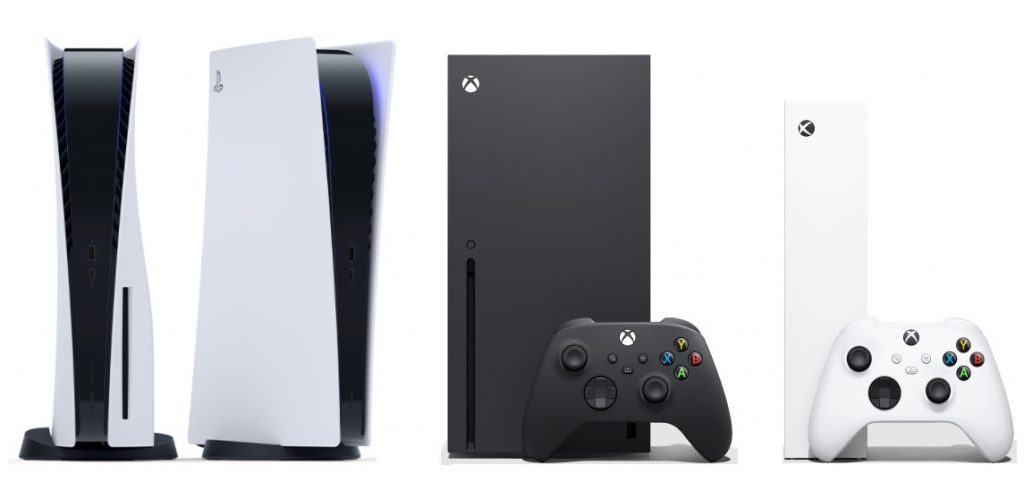
In a move that felt like a slap in the face to consumers, both Microsoft and Sony implemented significant price increases on their current-gen consoles in 2025, while Nintendo raised prices on the original Switch and hiked accessory costs across the board for the Switch 2. Sony and Xbox’s console price increases came despite being a little over four years into their lifecycle. The timing lined up with high tariffs that were implemented in the US, but it’s hard for consumers to feel it’s justified given their record revenue reported just quarters earlier. Nintendo, meanwhile, kept the Switch 2 console at its announced price but marginally increased costs for controllers, docks, amiibo and other accessories.
The timing couldn’t have been worse for consumer goodwill. For many families, gaming was becoming an unaffordable luxury rather than an accessible hobby. The price hikes were particularly insulting given that Sony and Microsoft’s consoles had received no significant hardware revisions or improvements to justify the increased cost. Nintendo’s accessory pricing felt equally predatory, with amiibo’s upwards of 50% increase being the most egregious. The decisions reeked of corporate greed, with all three companies seemingly confident that their established ecosystems had created enough lock-in that consumers would pay whatever prices they demanded. The price increases could accelerate the shift toward PC gaming among hardcore gamers while potentially shutting out younger and lower-income players entirely.
3. Xbox Game Pass Ultimate’s 50% Price Hike

Xbox’s dramatic Game Pass price increase represented one of the most significant betrayals of consumer trust in recent gaming history. After years of using Game Pass as a loss leader to build market share, with executives repeatedly promising the pricing was sustainable and would remain consumer-friendly, Xbox raised the price of Game Pass Ultimate and PC. Most shocking was Game Pass Ultimate, which jumped 50% from $19.99 per month to $29.99 per month—a staggering $360 annually. Making matters worse, Xbox still doesn’t offer an annual subscription option that provides a discount, unlike virtually every other subscription service. The standard Game Pass tier saw similar treatment, with reduced features and no path to affordable long-term subscriptions.
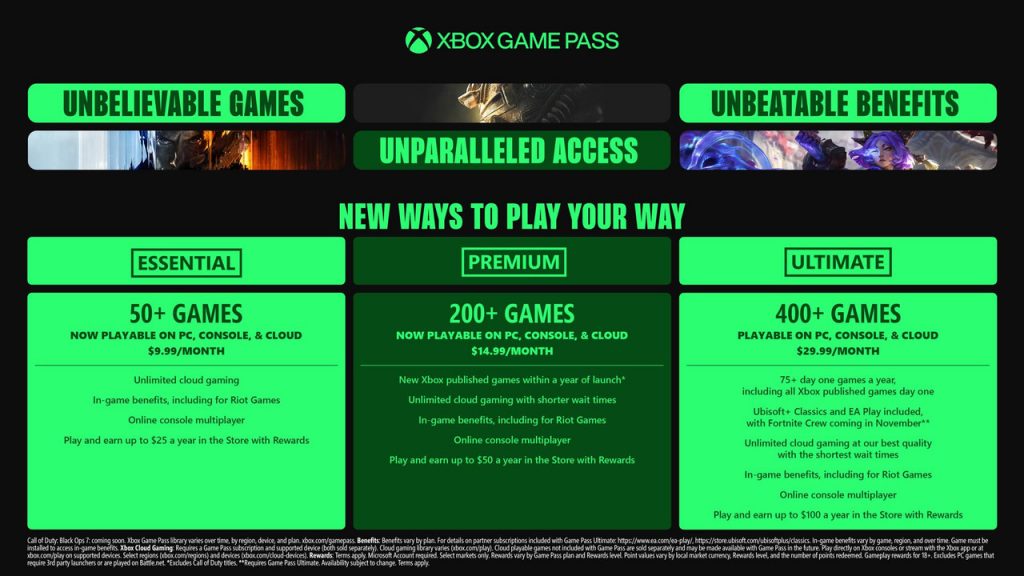
To soften the blow, Microsoft announced additional benefits including Fortnite Crew membership and a promise of 75+ day-one releases starting in 2026. However, these additions felt more like appeasement than genuine value, especially since the Fortnite Crew benefit primarily appealed to a specific subset of subscribers, and the 75+ day-one releases promise is conveniently starting next year rather than justifying the immediate price increase.
The price hike only gave Game Pass detractors more ammo, seemingly justifying claims that it’s an unsustainable strategy. At $360 annually with no discount option, subscribers are now paying the equivalent of five full-priced games for a service whose value proposition is a mystery every year, especially when the biggest games of the year are perpetually delayed. Many vocal Game Pass advocates felt betrayed, having spent years defending the service, only to see the rug pulled out from under them.
2. Xbox’s Project Purge: Multiple Cancellations Devastate Both Xbox & Partner Studios

Xbox applied a scorched-earth approach to its gaming portfolio in 2025 with the simultaneous cancellation of multiple high-profile projects, effectively destroying two respected third-party studios in the process. Contraband, Avalanche Studios’ ambitious 1970s co-op heist game was abruptly canceled despite reports that it was finally finding its groove.
Rare’s Everwild, which had been in troubled development for over six years, was finally put out of its misery, though their similar reports about it being on track as well.
John Romero was also working on a game under Xbox that was cancelled and it almost put the studio out of business. Most egregiously, an unannounced MMO from Zenimax Online Studios, rumored to be a new IP, was killed before being formally revealed. The game was set to be an ambitious Destiny-esque MMO, and everyone who worked on it or saw/played builds had nothing but the highest praises for it.

Having less games release is tragic, but the human cost was even more devastating. Avalanche Studios laid off hundreds of employees and closed their NY office entirely, with some suggesting the studio might not survive long. These weren’t struggling studios producing poor work; these were talented teams working on ambitious projects that Microsoft’s leadership had lost faith in or decided the budgets were too high while they were looking for ways to cut costs so 2025 earnings reports look good.
The cancellations represented the culmination of Xbox’s mismanagement of its gaming acquisitions and partnerships. After spending billions acquiring studios and signing exclusive deals, the company seemed to have no clear vision for actually supporting and nurturing these teams. The decision-making appeared purely driven by spreadsheets and short-term financial targets rather than any consideration for long-term brand building, creative vision, or basic humanity toward the developers whose lives were being upended.
1. Perfect Dark Cancelled; The Initiative Shut Down: Xbox’s Biggest Failure

The cancellation of Perfect Dark and the subsequent closure of The Initiative represented the biggest disappointment and most shocking failure in gaming for 2025. Xbox had positioned The Initiative as its premier AAAA studio, hand-picking veteran talent from across the industry. The Perfect Dark reboot was supposed to be Xbox’s answer to PlayStation’s prestige single-player titles, a showcase that would prove Xbox could compete in the narrative-driven action space. Instead, it became the most expensive failure in Xbox’s recent history.
The project’s troubled development had been apparent for years, with mass departures of key creative leads, reports of directionless development, and the need to bring in Crystal Dynamics as a co-developer to salvage the project. When Microsoft finally pulled the plug, sources reported the company had invested over $200 million with little to show beyond a vertical slice and a pre-rendered trailer.
The failure’s ripple effects extended beyond The Initiative itself. It destroyed any remaining confidence in Xbox’s ability to build and nurture a studio from the ground up. It validated critics who argued that Microsoft doesn’t understand how to manage their talent. And It became a new symbol of everything wrong with modern corporate game development: over-promising, mismanagement, lack of creative vision, and treating talented developers as expendable.
Final Thoughts
Despite 2025’s numerous disappointments, there are reasons for cautious optimism heading into 2026. The long-awaited arrival of GTA VI promises to be a cultural moment that could reinvigorate the industry and remind us of gaming’s power to unite audiences worldwide. Paralives finally launching could provide the life sim competition fans desperately need, while Game Pass in 2026 may prove to be worth the price increase. The harsh lessons of 2025 may force publishers to reconsider their short-term profit strategies in favor of sustainable, player-friendly practices—alright, maybe I shouldn’t get too ahead of myself.
The industry has weathered difficult years before and emerged stronger. Developers laid off from shuttered studios are already forming new independent teams, bringing their expertise to projects unburdened by corporate mismanagement. The success stories of 2025 like Clair Obscur prove that when studios are properly supported and given creative freedom, they can produce extraordinary work. There will undoubtedly be more bad news in 2026, but hopefully there will be even more good times that will shine much brighter.
