
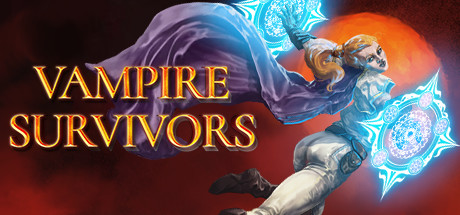
Survivors-like are the New Wave
For years, roguelikes dominated the indie gaming conversation. From The Binding of Isaac to Hades, the formula of procedural generation, permadeath, and run-based progression became the gold standard for replayable action games. Developers rushed to add roguelike elements to their games with even AA-AAA devs getting into the mix, and players seemingly can’t get enough of the “just one more run” gameplay loop. But there’s a new genre taking over with remarkable speed: the Survivors-like.
Also known as Reverse Bullet Hell, Bullet Heaven, or Auto Shooter, it has emerged as an up-and-coming dominant force in indie gaming. What started as a quirky experiment has evolved into a full-blown movement, with dozens of developers putting their own spin on a formula that makes minimalist gameplay feel endlessly engaging.
How Vampire Survivors Changed the Game
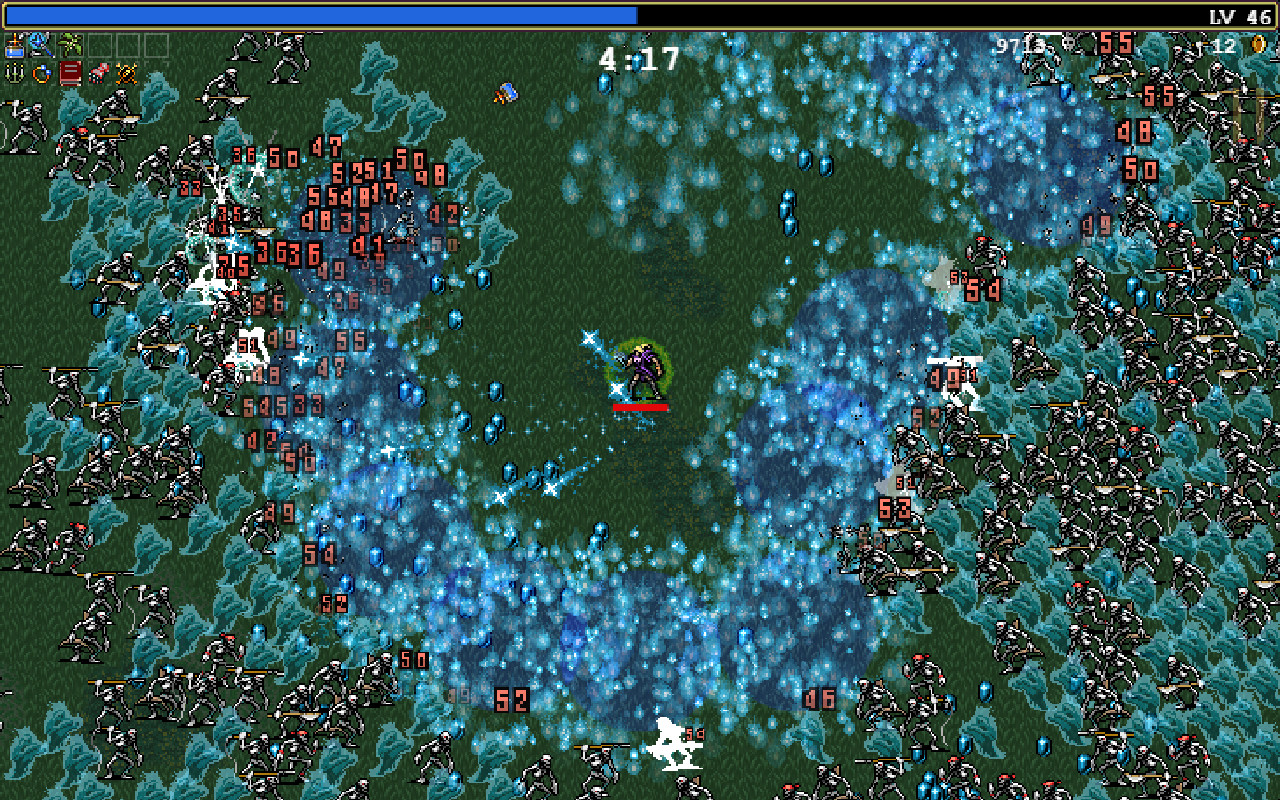
To understand the Survivors-like genre, you have to start with Vampire Survivors. Released in early access in 2021 by solo developer Luca Galante (poncle), this deceptively simple game would redefine indie success. With graphics that looked dated and gameplay that boiled down to “walk around while your weapons fire automatically,” it seemed destined for obscurity. Instead, it became a phenomenon.
The genius of Vampire Survivors lies in its minimalistic refining of the action RPG experience into pure dopamine. You control a character who moves but doesn’t manually attack. Instead, weapons fire automatically at nearby enemies. As you level up during each 15-30 minute run, you choose from weapons and power-ups, gradually transforming from vulnerable survivor into an unstoppable engine of destruction. The screen fills with hundreds of enemies, your weapons create cascading projectiles, and the experience becomes a mesmerizing light show.
Central to this power fantasy is the evolution system. When you max a weapon and obtain the right passive item, your weapon transforms into something spectacular. These evolutions aren’t just stat increases—they fundamentally change how weapons behave, encouraging players to memorize combinations and plan builds around specific evolutions. Finding the perfect synergy between weapons and passives becomes its own addictive puzzle.
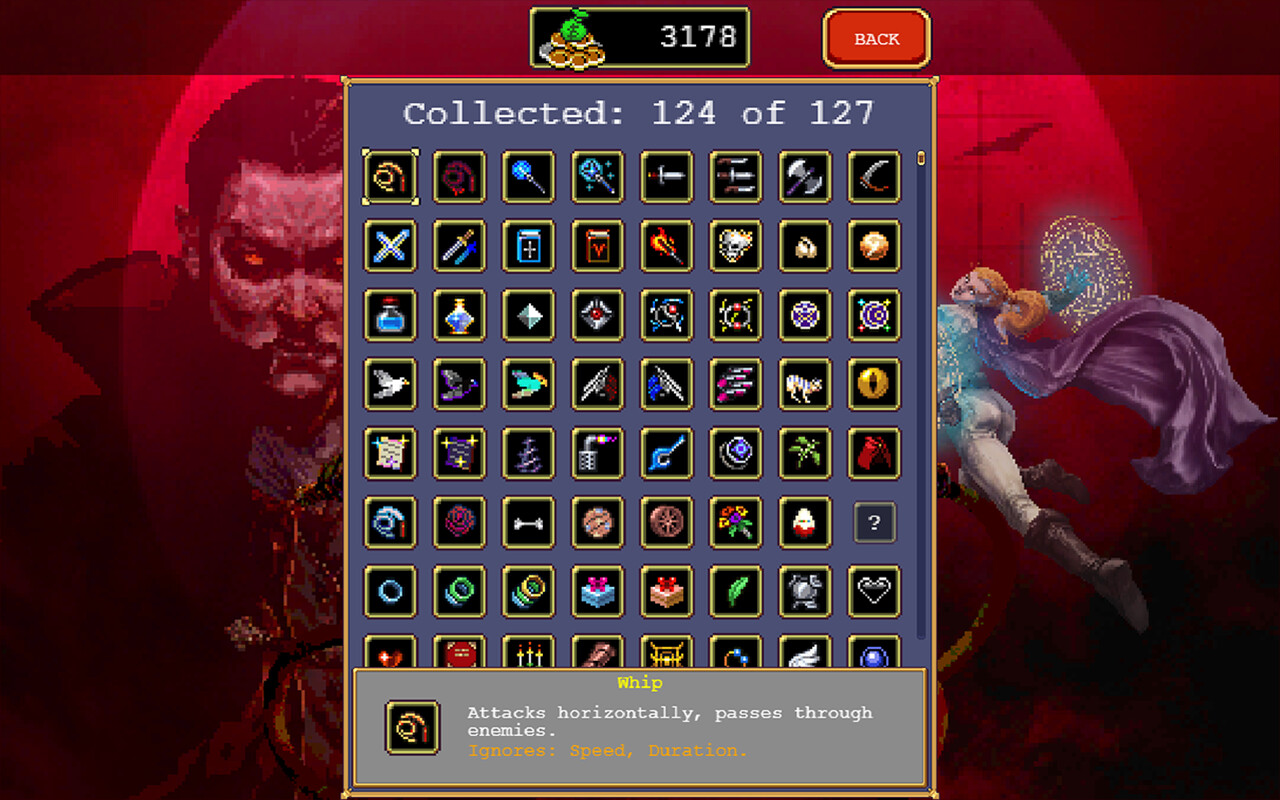
What makes Vampire Survivors unique isn’t just its auto-attack mechanic—it’s how the game respects your time while delivering constant progression. Runs are short enough to squeeze in during a lunch break but substantial enough to feel meaningful. The meta-progression ensures even failed runs unlock new characters, weapons, and stages. Most importantly, the game made you feel incredibly powerful while maintaining challenge and strategic depth in build crafting.
The formula was elegant, addictive, and ripe for iteration. Developers immediately took notice, and now, the floodgates are opened.
Notable Survivors-likes
As Vampire Survivors climbed the Steam charts, other developers began experimenting with the formula, each adding their own flavor.
20 Minutes Till Dawn
.jpg)
Brought twin-stick shooting sensibilities to the genre, creating a more active take on the formula. Developed by flanne and published by Erabit, the game distinguishes itself through manual aiming and active firing rather than auto-attacks. Players face Lovecraftian horrors with directional aim, creating a methodical battle system where positioning and target prioritization matter even more. The game features over 50 different upgrades per run, a rune system for cross-run progression, and diverse characters with unique abilities.
Soulstone Survivors
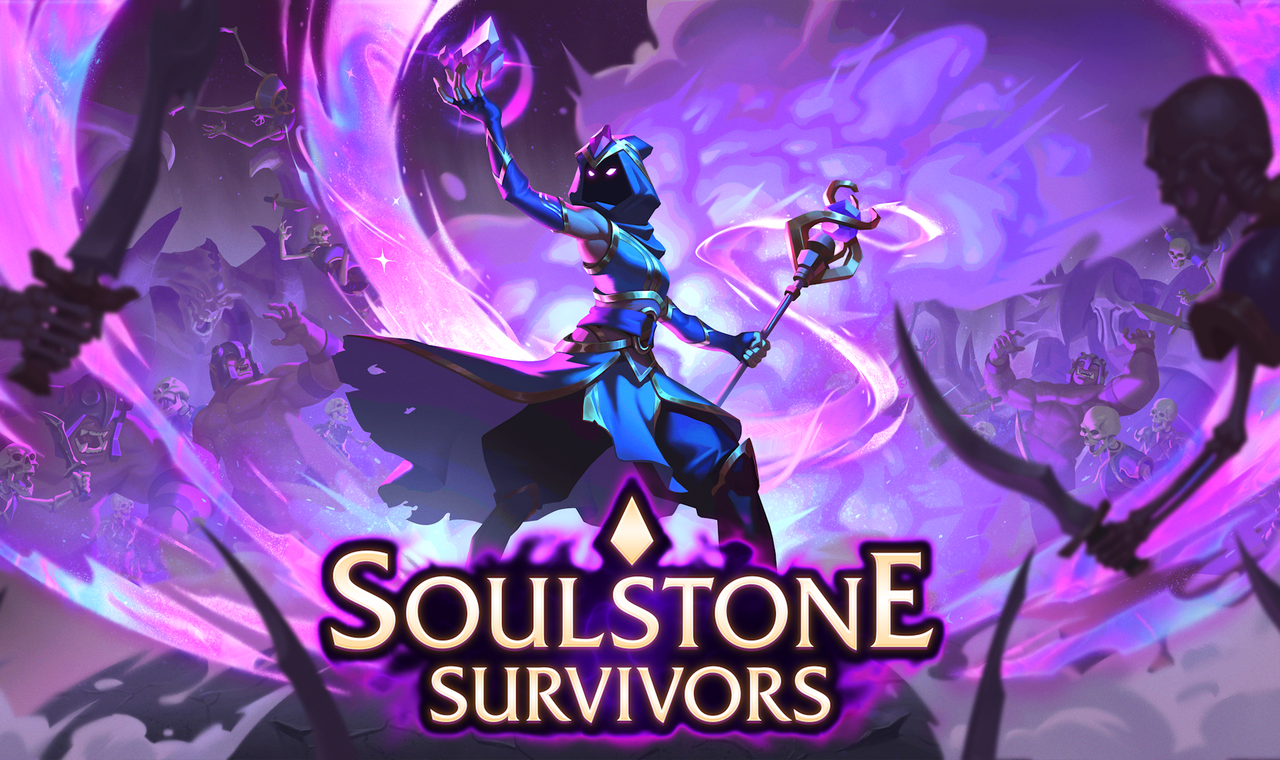
Cranked up the complexity to absurd levels, offering over 350 skills and abilities for players to combine. Developed by Game Smithing Limited, this action roguelite is all about discovering game-breaking synergies and becoming godlike. Players take on the role of Void Hunters, facing colossal bosses and crafting over 100 unique weapons while building from hundreds of active and passive abilities.
The game features a vast skill tree, multiple characters to unlock, and various game modes including the brutal Titan Hunt challenges. It appeals to theorycrafters who wanted deeper character building and more complex progression systems. The visual spectacle of screen-clearing builds became part of the appeal—when you’re doing things right, you literally can’t see what’s happening through all the effects.
The Spell Brigade
.jpg)
A newcomer in the space that puts online co-op into the spotlight with its 1-4 player wizard mayhem. Inspired by games like Magicka, the game features a chaotic friendly fire system where your spells can damage allies just as easily as enemies. This creates hilarious and unpredictable moments as you coordinate (or fail to coordinate) with teammates while being swarmed by dark creatures.
The game emphasizes spell combinations through its elemental system, letting players create overpowered synergies. Complete random team-based objectives and upgrade spells together as you progress through different realms. It’s proven that cooperative chaos has an audience in the Survivors-like space.
Halls of Torment
.jpg)
Went in a darker direction, drawing heavy inspiration from classic ARPGs like Diablo while maintaining the Survivors formula. With its pre-rendered graphics reminiscent of late-90s isometric RPGs, grim atmosphere, and loot-focused progression, it creates a distinctly different experience. The game features quest-based meta progression, equipment systems that tie directly to character power, and over 500 achievements to chase.
Players descend through multiple underground expanses, facing diverse bosses with unique mechanics while strengthening their heroes through traits, abilities, and items. Quest-based unlocks make progression feel clear and purposeful, with over 100 hours of content for completionists. With runs lasting around 30 minutes and multiple character classes that play fundamentally differently, it appeals to players seeking a more traditional ARPG experience wrapped in the Survivors formula.
2025’s Big 3
Each of the above titles found their audience by identifying what made Vampire Survivors work and asking, “What if we added this?” But the genre is still evolving, and three releases from 2025 have pushed the formula in bold new directions.
Deep Rock Galactic: Survivor — Rock and Stone in a New Arena
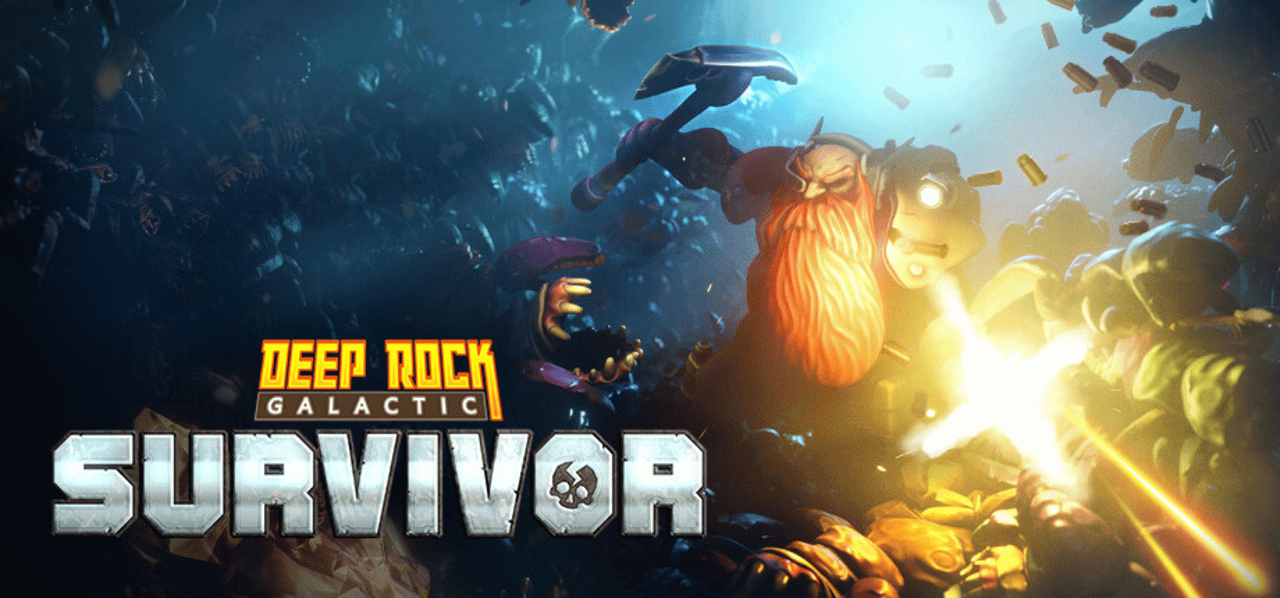
When Ghost Ship Games announced Deep Rock Galactic: Survivor, fans of the beloved co-op mining shooter had questions. How would the chaotic, team-based gameplay translate into a single-player auto-shooter? The answer: remarkably well.
Deep Rock Galactic: Survivor captures the essence of the original while fully embracing the Survivors formula. You play as one of the iconic dwarf classes—Gunner, Scout, Engineer, or Driller—each with unique starting weapons and abilities that fundamentally change your approach. The game’s procedurally generated cave systems recreate the claustrophobic, mineral-rich environments of the original, complete with destructible terrain and the ever-present threat of being swarmed from all sides.
What sets this entry apart is how it adapts DRG‘s class-based gameplay into the auto-shooter framework. The Engineer deploys automated turrets, the Driller carves paths through stone to create chokepoints, and the Scout uses flares and mobility to navigate the darkness. These aren’t cosmetic differences—they’re fundamental variations requiring different strategic approaches.
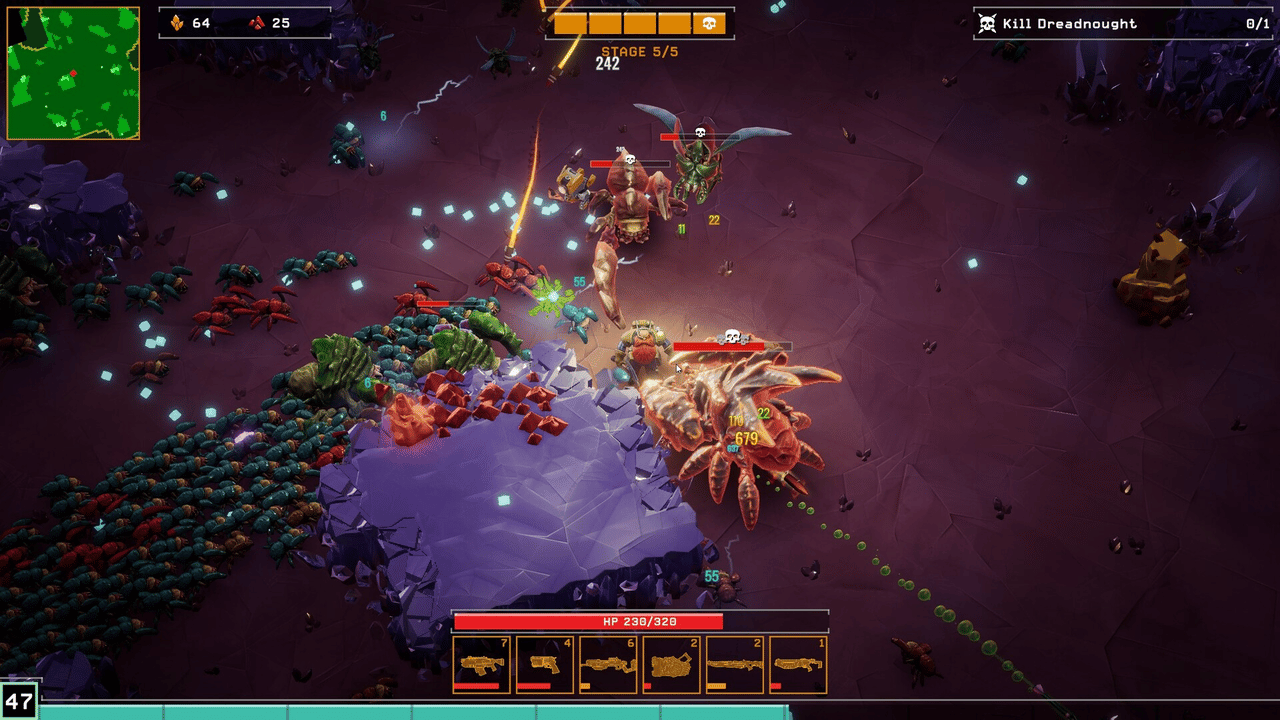
The game incorporates elements that made the original special: mining resources during runs to unlock permanent upgrades, managing the tension between exploring for loot and surviving increasingly dangerous waves, and the satisfying crunch of dwarven weaponry tearing through bug carapaces. The “Rock and Stone” spirit translates beautifully into solo format.
Mission modifiers and hazard levels add substantial replayability. The progression system rewards both individual run performance and long-term grinding, creating multiple paths to become stronger. For fans of the original, it’s a love letter that understands what made DRG special. For newcomers, it’s an excellent entry point that stands on its own merits.
Ball X Pit — Breakout X Vampire Survivors
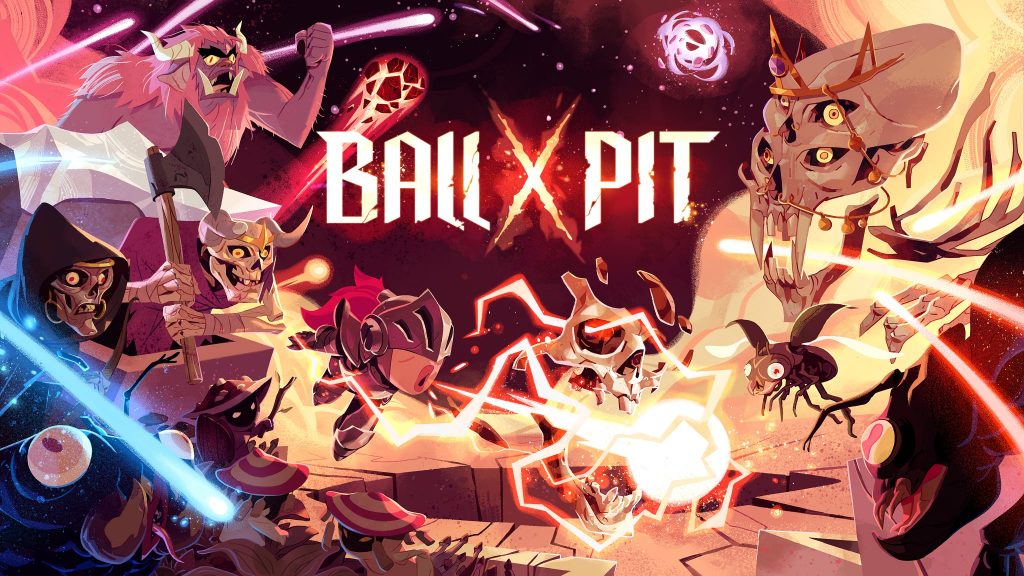
Ball X Pit sounds like an unlikely combination: what if you took the classic arcade game Breakout, mashed it up with Vampire Survivors, and added a city-building meta layer? In practice, it’s one of the most creative hybrids in the genre.
You control a hunter descending into the ruins of Ballbylon, a city destroyed by a meteor strike. Instead of controlling a character directly, you’re essentially the paddle from Breakout, firing balls upward at descending waves of block-like enemies. These monsters march slowly toward you, and if they reach the bottom, they damage your hunter. It’s Space Invaders meets brick-breaker, powered by the Survivors formula.
The genius lies in how it handles its balls. Each ball type has unique properties—some shoot lasers, others heal you, some spawn additional balls or create chain lightning. As you defeat enemies, they drop experience gems that level you up, allowing you to collect new ball types and passive abilities. The evolution system lets you fuse two ball types together to create powerful hybrid attacks, freeing inventory space while creating spectacular new effects.
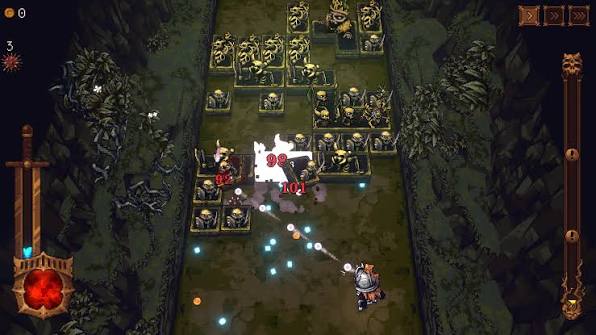
What sets Ball X Pit apart is its dual-mode structure. Between runs, you return to New Ballbylon—a city-building segment where you use resources to construct over 70 different buildings. This isn’t just cosmetic; buildings unlock new hunters with unique abilities, provide gameplay bonuses, and generate resources while you’re diving back into the pit.
Released in October 2024 and published by Devolver Digital, Ball X Pit became an instant hit, selling 300,000 copies in its first five days. The game proves the Survivors formula has room for radical reinterpretation—by swapping direct character control for Breakout-inspired ball launching, developer Kenny Sun created something that feels both nostalgic and completely fresh.
Megabonk — A Whole New Dimension
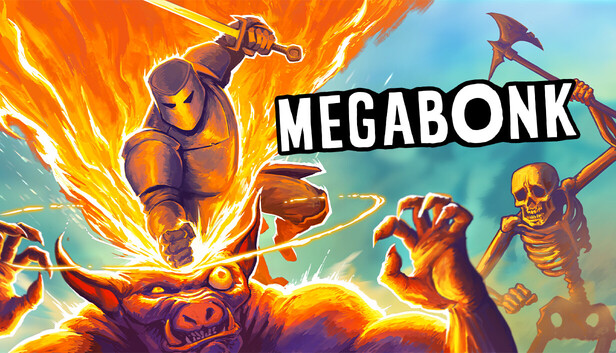
Megabonk is what happens when you take Vampire Survivors, throw it into 3D, mix in Risk of Rain mechanics, and season everything with absurd internet humor. Made by solo developer Vedinad, it’s become a phenomenon.
The game keeps the auto-attacking core of Vampire Survivors but transforms it with 3D movement and physics-based controls. You don’t just walk—you slide, bunny-hop, and catch air with a bouncy weightlessness that makes traversal oddly satisfying. Playing as characters like Calcium (a skateboarding skeleton) or Megachad you’ll find yourself having too much fun with the movement alone, even as hordes of enemies close in.
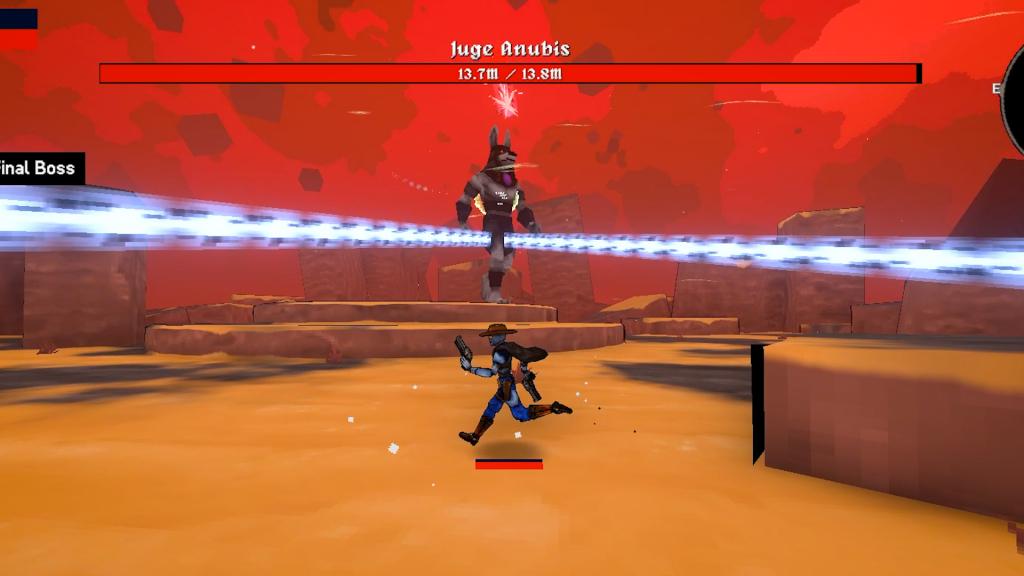
What sets Megabonk apart is how it blends two roguelike titans into something new. From Vampire Survivors comes the automated weapons, slot machine-style chests, and periodic boss spawns. From Risk of Rain comes the teleporter-based progression system, shrine mechanics that buff enemies or increase difficulty, and an item stacking system where percentage-based buffs create wild synergies. You’re not surviving for a set time—you’re finding the teleporter, spawning a boss, and moving to the next stage.
The game is packed with internet humor and meme culture, featuring items with descriptions like “clap their cheeks so hard it generates a lightning strike” and shrines named “Shrine of Succ.” While the comedy might not land for everyone, the underlying game is surprisingly deep and polished. The 3D environments add complexity, especially with jump mechanics that completely change how you engage with enemies—particularly when you unlock items that boost aerial damage.
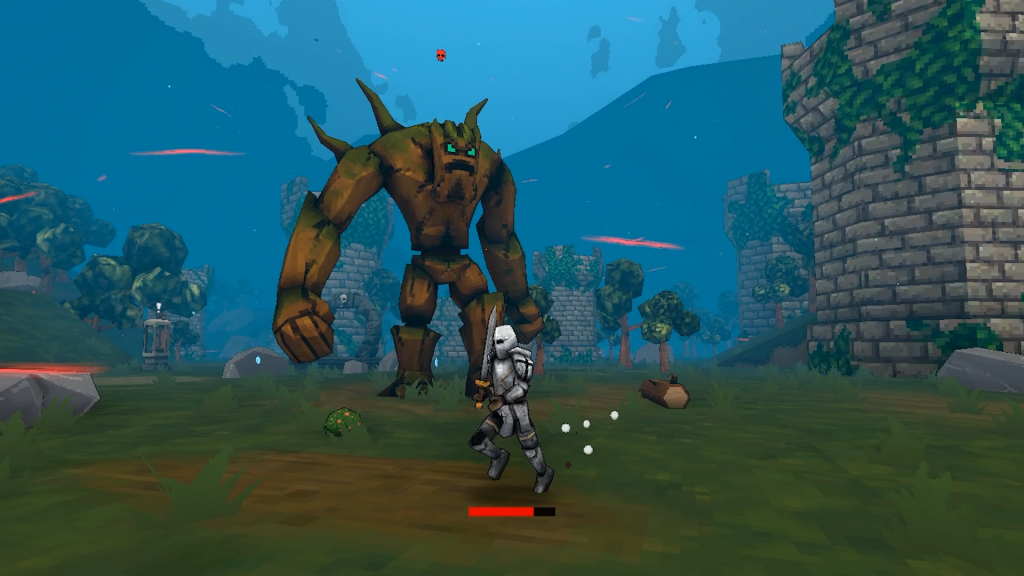
Megabonk‘s combination of established formulas creates something that feels both familiar and refreshingly new, proving that the Survivors-like genre still has plenty of room for creative reinvention. For my full thoughts on the game, you can read my complete review here.
Final Thoughts
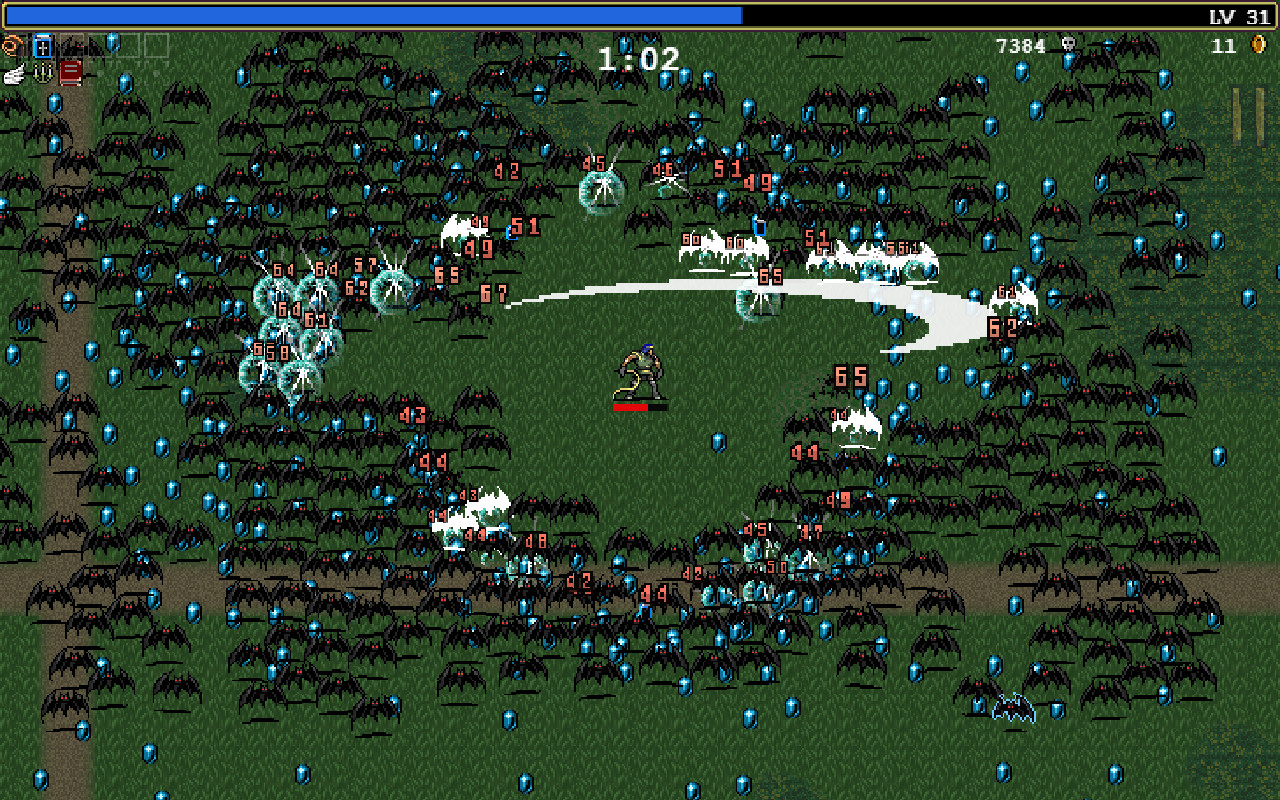
The Survivors-like genre has demonstrated nearly infinite room for innovation within a simple framework. From arcade hybrids to 3D evolutions, developers continue finding fresh ways to iterate on the formula.
What sets this apart from the roguelike boom is sheer accessibility and variety. The genre accommodates wildly different movement systems, combat styles, and themes while maintaining addictive core appeal. It’s also remarkably friendly to small developers—the formula doesn’t require cutting-edge graphics or intricate maps, just tight gameplay loops and creative possibilities.
Whether you want complex builds, cooperative chaos, or quick sessions, there’s a Survivors-like waiting for you. Most are priced affordably and respect your time, perfect for substantial experiences without massive commitments.
Roguelikes will always have their place, but Survivors-like is the genre indie gaming needs right now. But the wave isn’t coming, it’s already here.

1 comment
[…] Mutant Ninja Turtles: Splintered Fate – Nintendo Switch 2 Edition – Unleash the Turtles in a roguelike quest to rescue Splinter from the Foot Clan – now on Nintendo Switch 2! Brace yourself for […]
Comments are closed.