
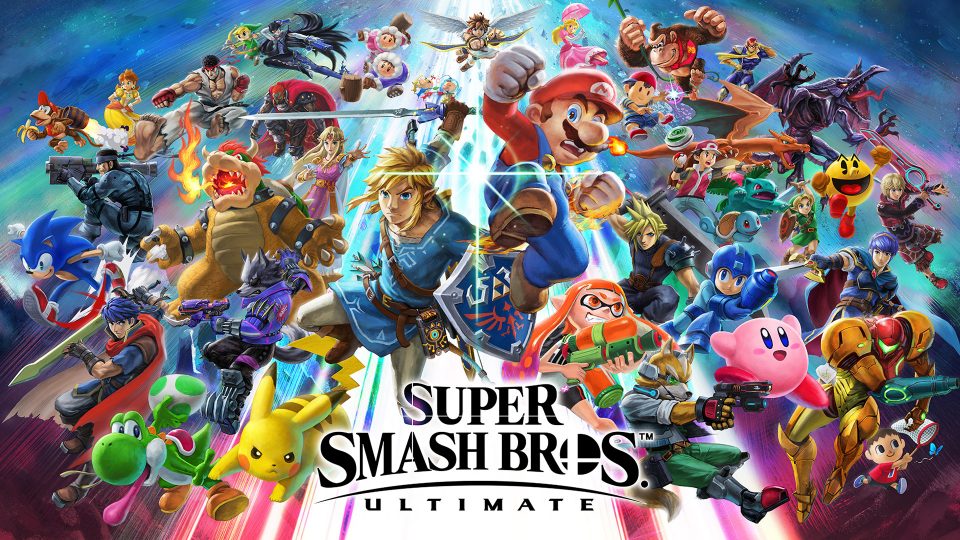
Essential Nintendo Games That Defined Gaming History
Nintendo has been crafting unforgettable gaming experiences for over four decades. From revolutionary platformers to genre-defining adventures, their library represents some of the most innovative and beloved games ever created. This list isn’t just about the “best” games (because I don’t want a list filled with nothing but Mario and Zelda)—it’s about the most essential experiences that showcase Nintendo’s unparalleled creativity and diversity. These are the games that pushed boundaries, created genres, and left permanent marks on gaming history.
25. Animal Crossing: New Horizons
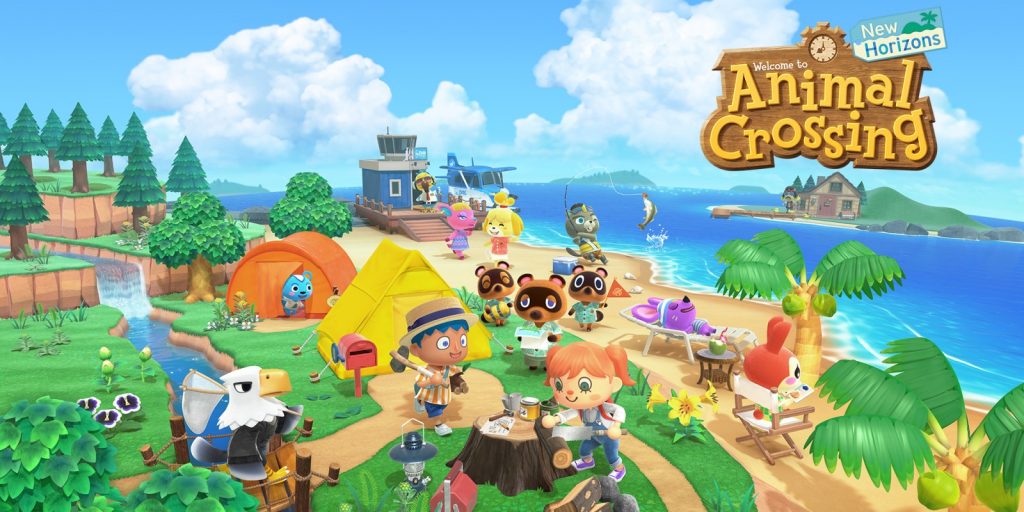
The pandemic-era phenomenon that brought millions together while staying apart, New Horizons the life simulation formula with unprecedented creative freedom. Building your island paradise became a global obsession, proving that games don’t need conflict to be compelling.
What Makes It Essential:
- Real-time 24-hour gameplay that mirrors actual seasons and time of day, creating a living world that you can experience with everyone together
- Unparalleled customization with terraforming tools that let you reshape entire islands
- Social connectivity features that turned island visiting into a cultural phenomenon
- Therapeutic gameplay loop that encourages quick check-ins or long gaming sessions
- Seasonal events and updates that keeps players coming back to this day
24. Star Fox 64
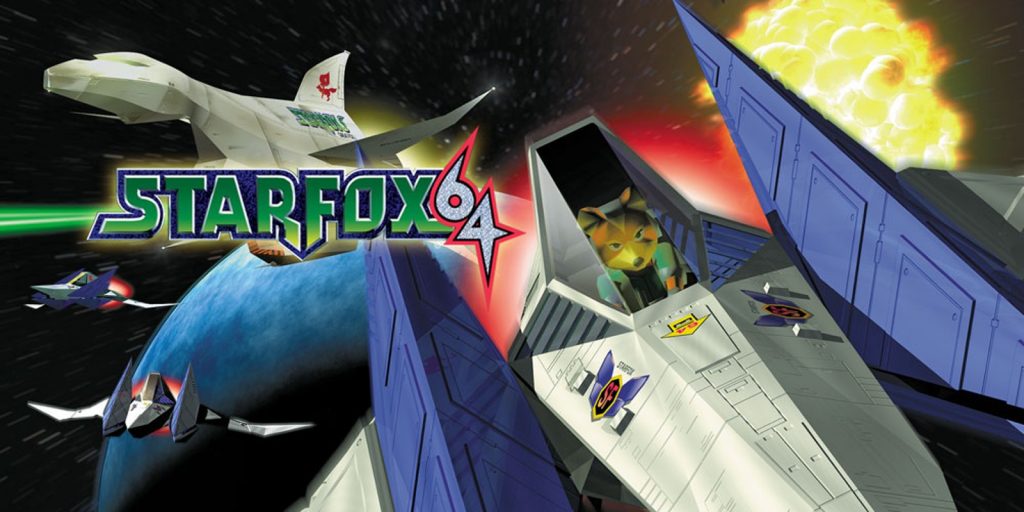
The definitive rail shooter experience that made you feel like an ace pilot in an intergalactic war. With branching paths, memorable voice acting, and debuted the revolutionary Rumble Pak, Star Fox 64 delivered cinematic action that still holds up decades later.
What Makes It Essential:
- Dynamic branching mission paths that rewarded skillful play with alternate routes
- Iconic voice acting that created genuinely memorable characters and quotable lines
- All-Range Mode sections that opened up the gameplay beyond rails
- Multiplayer dogfighting
- Perfect blend of arcade action and cinematic flair
23. Donkey Kong Bananza
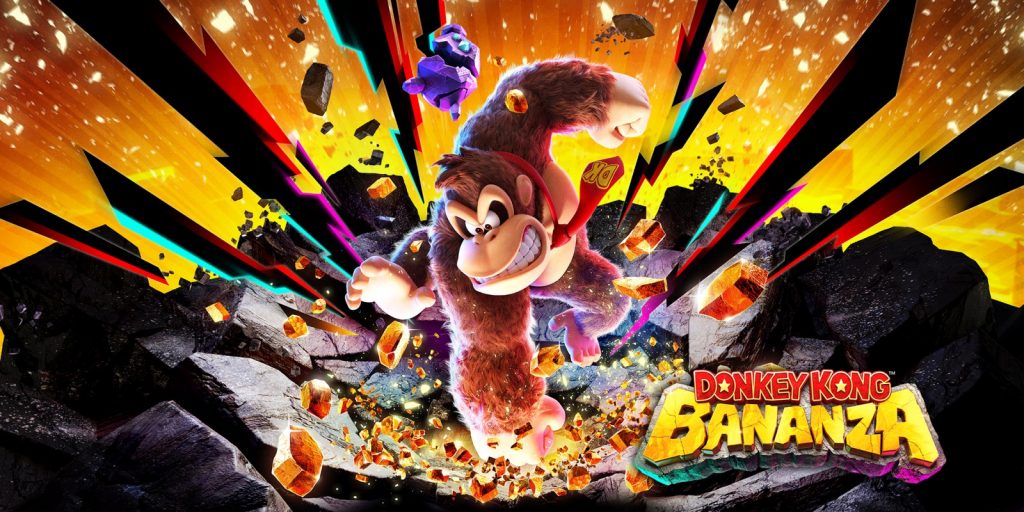
The Nintendo Switch 2’s killer app that redefined 3D platforming with fully destructible environments and sandbox freedom. This ambitious adventure pairs DK with a young Pauline on an underground quest, delivering technical wizardry that seemed impossible, especially on a handheld console.
What Makes It Essential:
- Fully destructible, open hub worlds where nearly every surface can be smashed and manipulated
- Dynamic 3D map that reflects every change you make to the environment in real-time
- Bananza transformations give DK temporary powerful forms for spectacular gameplay moments
- 2D Platforming sections that call back to the Donkey Kong Country era
- Incredible soundtrack featuring awesome new compositions and remixed tracks from past DK games
22. Wii Sports Resort
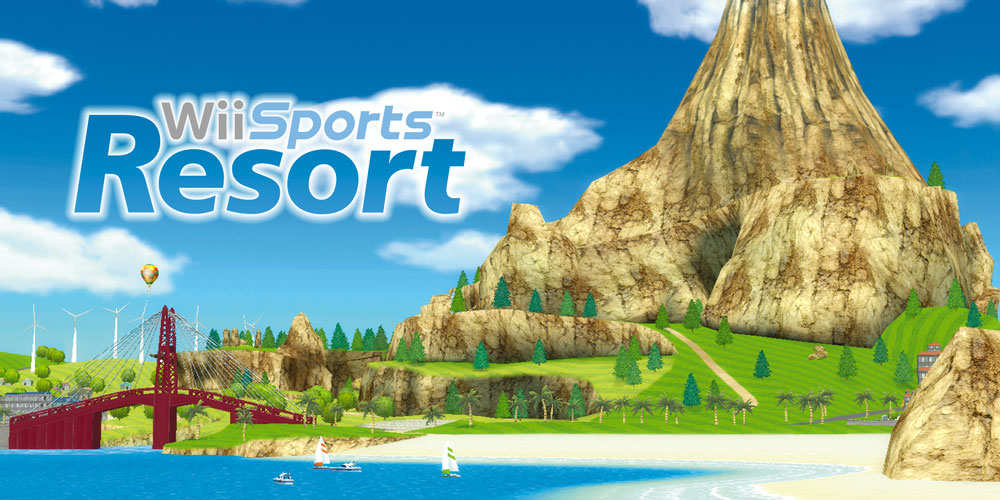
The sequel that justified motion controls by perfecting them. Set on a tropical island paradise, Resort expanded on its predecessor with refined 1:1 motion tracking and activities so engaging they became legitimate exercise routines.
What Makes It Essential:
- MotionPlus technology that delivered true 1:1 motion tracking, evolving upon the original
- 12 diverse activities from sword fighting to basketball
- Accessible gameplay that welcomed non-gamers while offering depth for enthusiasts
- Local multiplayer that created countless living room memories
21. Kid Icarus: Uprising
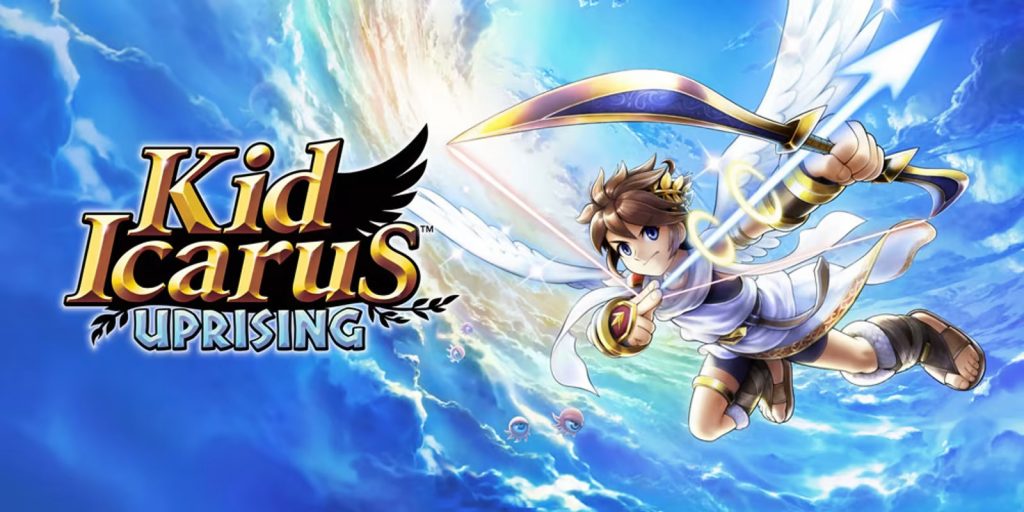
Masahiro Sakurai’s glorious return to Kid Icarus after 21 years delivered an action-packed experience bursting with personality. Despite controversial controls, Uprising combined rail shooting and ground combat with some of the wittiest writing in Nintendo‘s history.
What Makes It Essential:
- Hilarious dialogue and character interactions that break the fourth wall
- Dual-phase gameplay mixing aerial shooting with ground-based combat
- Massive weapon variety with 108 different arms to collect and customize
- Surprisingly deep multiplayer modes
- Epic orchestral soundtrack that elevates every moment
20. Earthbound
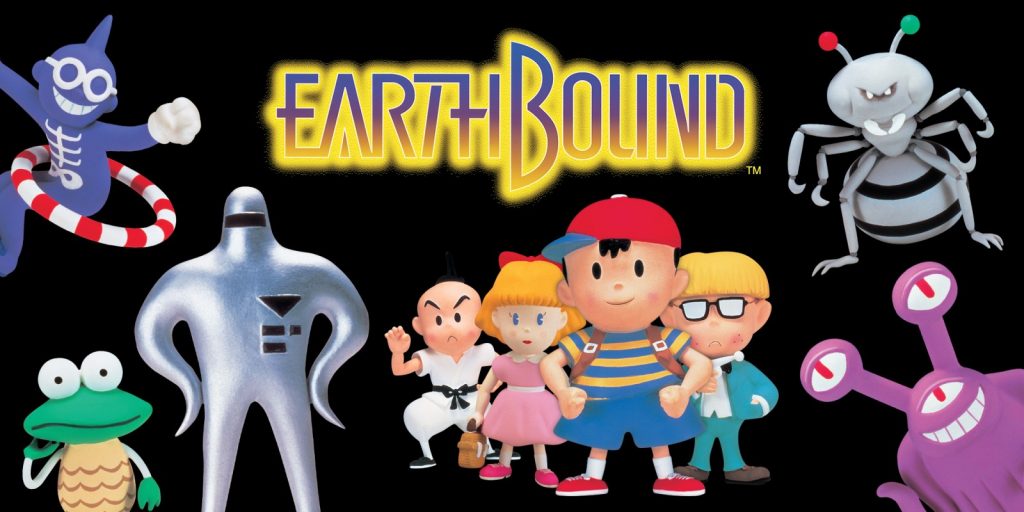
The cult classic that proved RPGs didn’t need swords and sorcery to be magical. Set in a quirky take on Americana, Earthbound‘s humor, heart, and unconventional approach to storytelling made it one of gaming’s most beloved oddities.
What Makes It Essential:
- Contemporary setting that traded dragons for street gangs and UFOs
- Quirky humor and surreal moments that created unforgettable scenarios
- No random encounters—enemies visible on the map
- Psychological horror elements that caught players off guard
- Auto-winning weak battles to eliminate grinding tedium
19. Splatoon 3
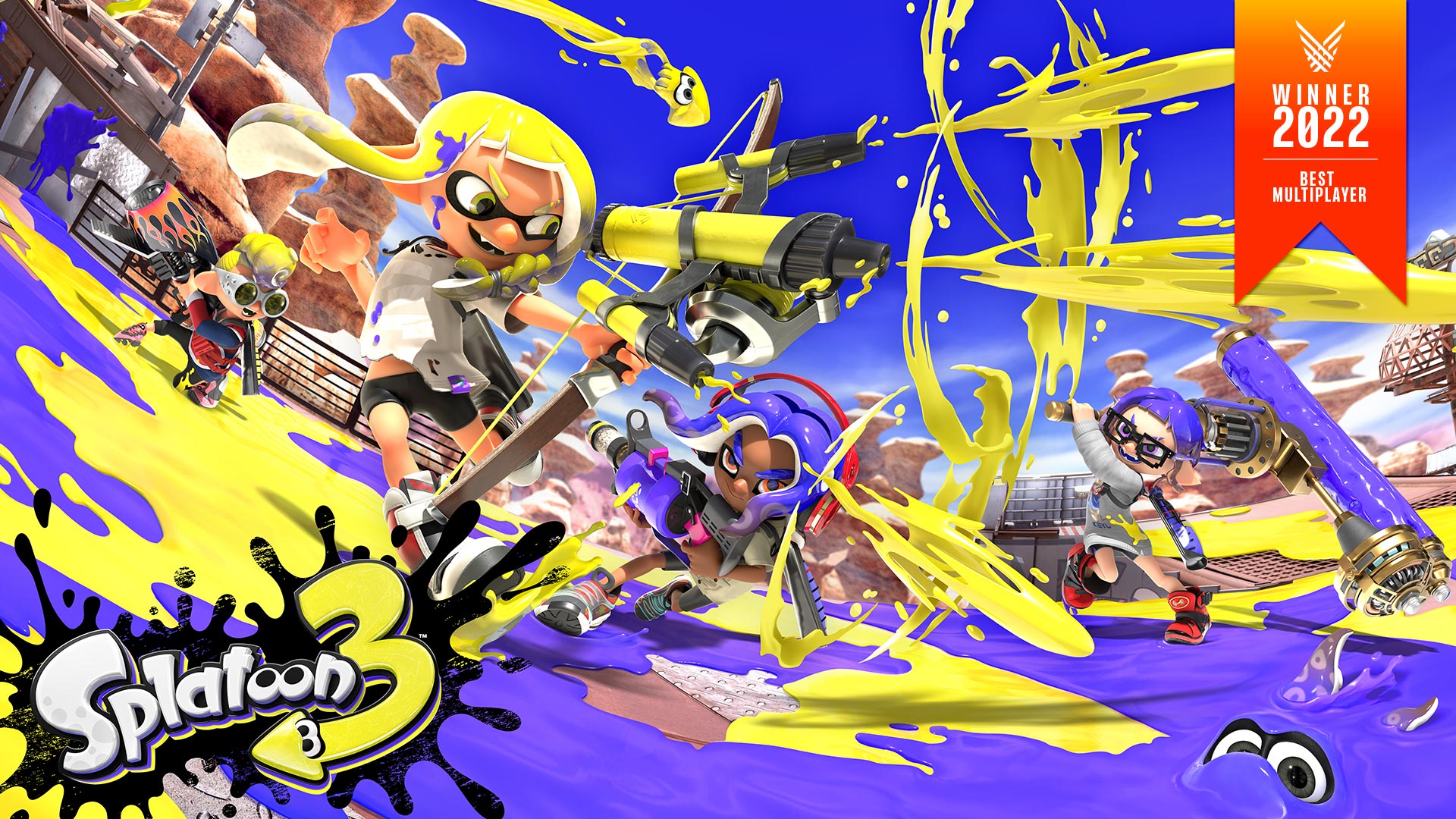
Nintendo‘s vibrant shooter series reached its peak with this ink-splattering phenomenon that proved family-friendly shooters could be just as competitive and deep as any other. Splatoon‘s focus on territory control over eliminations created an entirely unique multiplayer experience.
What Makes It Essential:
- Ink-based gameplay where covering turf matters as much as defeating opponents
- Single-player campaign with creative level design and surprising depth
- Deep weapon variety with fundamentally different playstyles across 50+ weapons
- Fashion and customization that lets your style define your identity
- Splatfests creating community events with real stakes and ongoing narrative
18. Paper Mario: The Thousand-Year Door (2024)
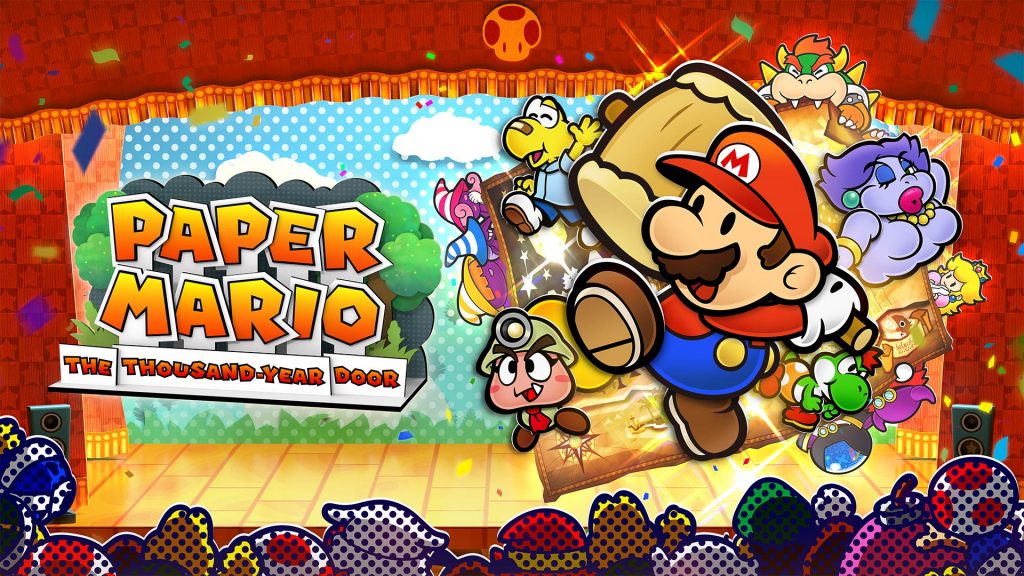
The GameCube sequel that perfected the paper-thin formula with deeper RPG mechanics and a darker, more mature story. Thousand-Year Door balanced charming aesthetics with genuinely compelling narratives and some of the best partners in Mario history.
What Makes It Essential:
- Partner system with unique characters who had their own story arcs
- Badge system allowing extensive character customization
- Action commands that made every battle interactive and engaging
- Mystery-driven plot with memorable villains and emotional moments
- Creative chapter structure that told distinct stories within the larger narrative
17. Fire Emblem: Three Houses
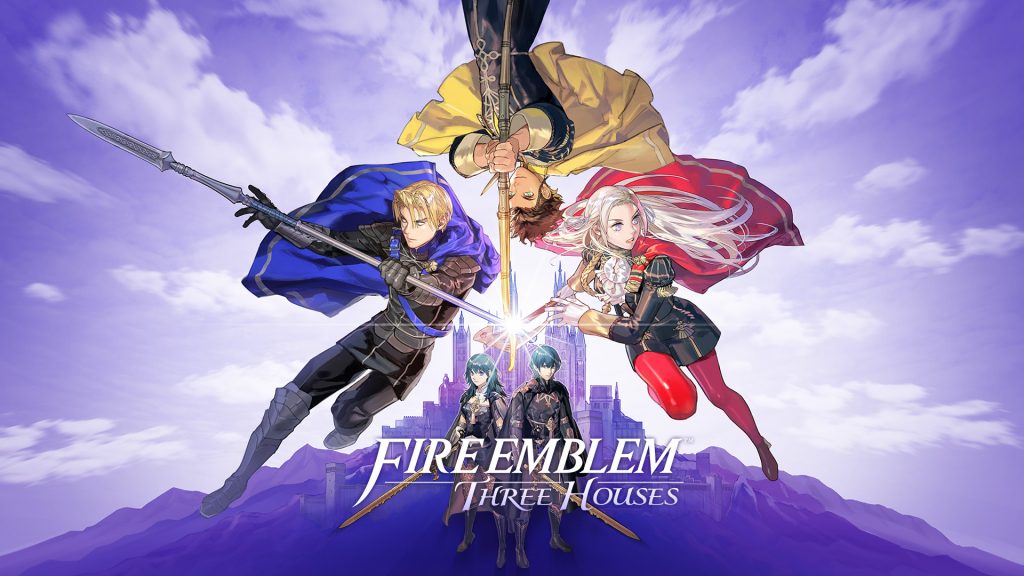
The tactical RPG that brought Fire Emblem mainstream success by adding school-life simulation to strategic warfare. Three Houses‘ branching paths and relationship systems created devastating emotional stakes in every battle.
What Makes It Essential:
- Four distinct story routes that dramatically change the narrative
- Deep character development through support conversations and activities
- Monastery hub that built connections between battles
- Permadeath that makes every unit’s survival matter
- Time-rewind mechanic that balanced challenge with accessibility
- Moral ambiguity that made you question your allegiances
16. Pokémon HeartGold/SoulSilver
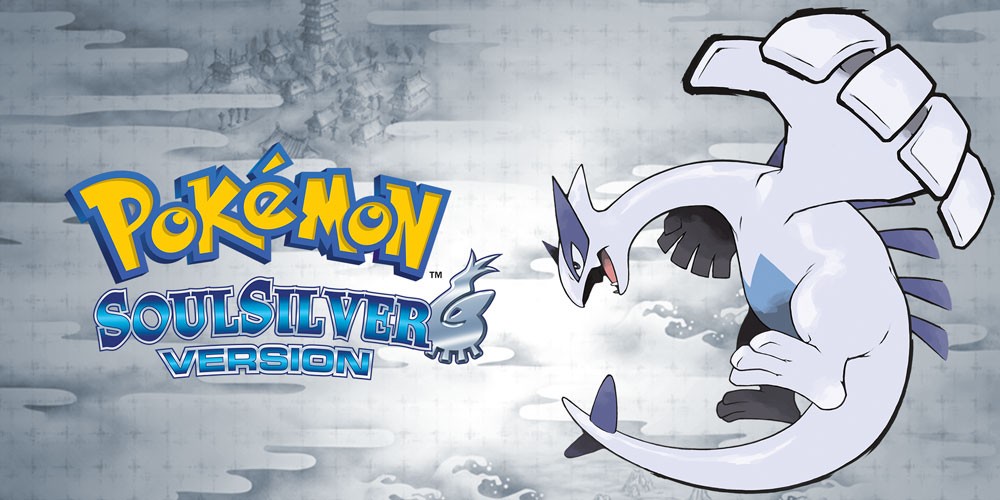
The definitive Pokémon remake that set the gold standard for how to revisit a classic. These DS remakes of Gold and Silver added so much content and polish that they became many fans’ favorite entries in the entire franchise.
What Makes It Essential:
- Pokémon following you outside their Pokéballs, bringing companions to life
- Two full regions to explore with 16 Gym Leaders to challenge
- Pokéwalker accessory that let you take Pokémon on real-world walks
- Safari Zone customization allowing you to tailor habitats
- Battle Frontier providing extensive postgame challenge content
- Perfect balance of nostalgia and modern quality-of-life improvements
15. Super Mario 3D World + Bowser’s Fury

The Wii U gem reborn on Switch with a massive bonus campaign. 3D World proved multiplayer 3D platforming could work, while Bowser’s Fury offered an open-world Mario experiment that pointed toward the series’ future. It’s also one of the most fun co-op experiences Nintendo has ever created.
What Makes It Essential:
- Four-player co-op 3D platforming that mixed precision and fun with competitive chaos
- Creative power-ups like the Cat Suit that added new movement options
- Level design that rivaled 2D Mario for creativity and tightness
- Bowser’s Fury mode offering open-world exploration with kaiju battles
- Captain Toad levels that sparked their own spin-off game
- Perfect difficulty curve from accessible to brutally challenging
14. The Legend of Zelda: A Link to the Past
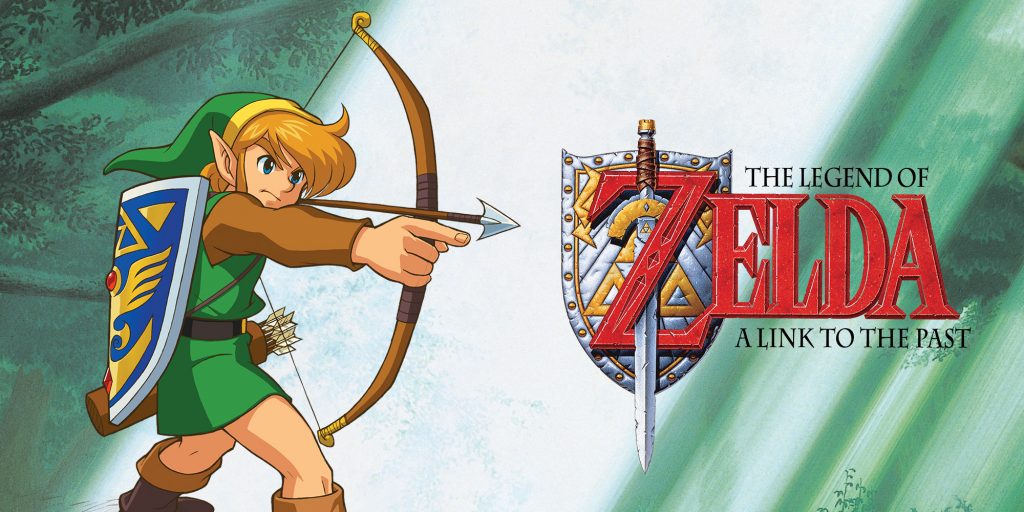
The SNES masterpiece that established the Zelda formula for decades. Alternating between Light and Dark Worlds, Link to the Past balanced puzzle-solving, combat, and exploration into gaming perfection.
What Makes It Essential:
- Dual-world mechanic that doubled the game’s scope
- Dungeon design that set the template for the series
- Tight combat and responsive controls
- Master Sword and iconic arsenal of weapons and tools
- Overworld secrets that rewarded curiosity and experimentation
- Perfect pacing from humble beginnings to epic finale
13. Xenoblade Chronicles 3
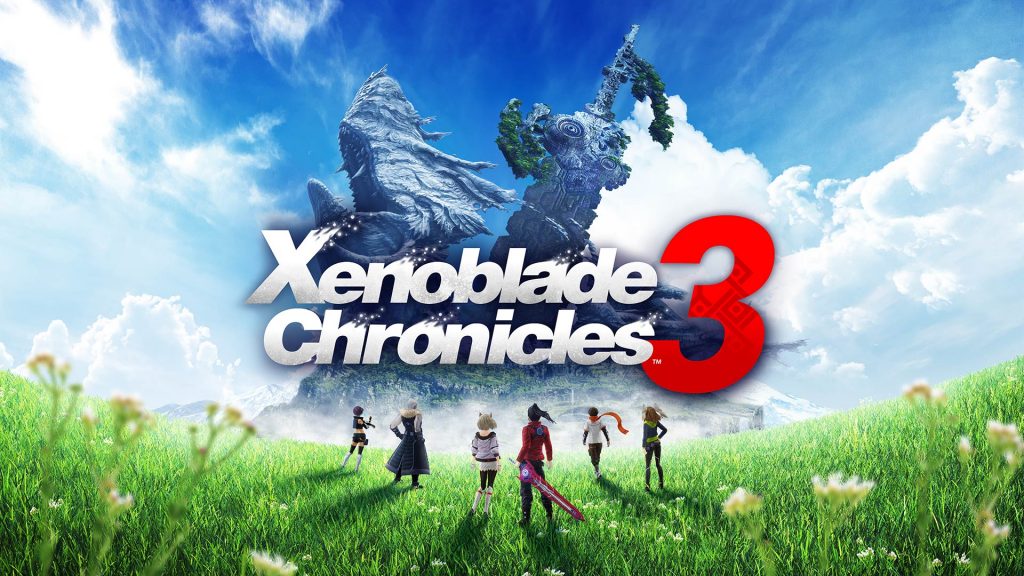
Monolith Soft’s epic conclusion to the Klaus saga delivered hundreds of hours of philosophical storytelling and real-time combat across stunning landscapes. Xenoblade Chronicles 3 tackled morbid themes of mortality and war impressively. Although I picked the third entry, you should 100% play the entire trilogy from start to finish to get the best experience.
What Makes It Essential:
- Massive open zones that reward exploration with breathtaking vistas
- Complex but rewarding combat system with class-changing mechanics
- Emotionally resonant story about soldiers finding humanity in endless conflict
- Interlinking system that unified party members in battle and narrative
- Robust side quests that built out colony stories and world lore
12. Kirby Super Star (Ultra)

The SNES compilation (and DS remake) that showcased Kirby’s versatility through eight distinct game modes. Each sub-game feels like its own adventure, from racing to RPG-lite dungeon crawling. This is the definitive Kirby experience with some of the most engaging storylines and bosses of the franchise.
What Makes It Essential:
- Eight unique games offering different takes on Kirby gameplay
- Copy ability showcase with movesets that rival fighting games
- Helper system letting you share powers with an AI or co-op partner
- The Great Cave Offensive’s treasure hunting adventure made exploration a focus
- Meta Knight’s Revenge strikes with its unique cinematic flair
- Milky Way Wishes removed the copy ability and introduced a new experience
11. Super Metroid

The pinnacle of 2D action-adventure design that established “Metroidvania” as a genre. Super Metroid‘s environmental storytelling, atmospheric world, and sense of lonely exploration created an experience that developers still try to replicate.
What Makes It Essential:
- Environmental storytelling without dialogue or text dumps
- Perfect ability gating that naturally guides exploration
- Sequence-breaking possibilities that reward skillful players
- Haunting soundtrack and sound design that builds oppressive atmosphere
- Seamless world design with interconnected areas
- Iconic boss battles and the emotional Metroid hatchling subplot
10. Super Mario World

The SNES launch title that defined what 16-bit platformers could be and remains the pinnacle of 2D Mario design. As the flagship game for Nintendo’s new console, Super Mario World had to justify the leap from 8-bit to 16-bit, and it delivered spectacularly. The introduction of Yoshi wasn’t just a cute companion—it fundamentally expanded Mario’s moveset and created new gameplay possibilities with different colored Yoshis offering unique abilities. The game’s 96 exits encouraged exploration and rewarded curiosity, with secret paths and hidden levels that made Dinosaur Land feel vast and full of surprises. Every pixel was placed with purpose, every level introducing new ideas while maintaining perfect flow. Cape Mario’s flight mechanics added a new dimension of movement, while the difficulty curve welcomed newcomers before challenging veterans with the Special Zone’s brutal tests. Super Mario World set a standard of polish and creativity that 2D platformers still chase today.
What Makes It Essential:
- 96 level exits that encouraged thorough exploration
- Yoshi’s debut adding new gameplay mechanics and possibilities
- Cape Feather flight that gave levels vertical depth
- Secret Star World and Special Zone providing expert-level challenges
- Perfectly balanced difficulty accessible to all skill levels
- Cohesive world map with branching paths and shortcuts
9. Super Smash Bros. Ultimate
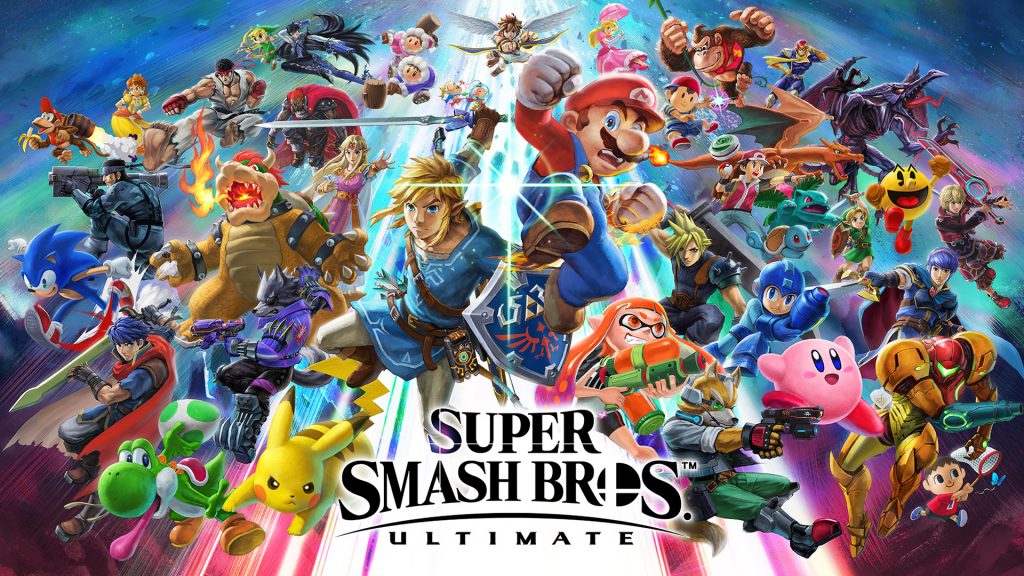
The celebration of gaming history that brought everyone together in Nintendo’s most ambitious crossover event. Ultimate lives up to its name by delivering on an impossible promise: every single character who had ever appeared in Smash Bros. returned, alongside newcomers that seemed like pipe dreams. This wasn’t just fan service—it was a love letter to gaming itself, bringing together icons from competing platforms in ways that should have been impossible. The roster grew to include characters from Persona, Dragon Quest, Tekken, Minecraft, and even Kingdom Hearts, proving Nintendo’s unmatched ability to unite the industry. Beyond its staggering content, Ultimate achieved the seemingly impossible balance of being both competitively viable and accessible to casual players, creating a fighter that welcomed everyone to the party.
What Makes It Essential:
- 89 playable fighters spanning gaming history
- World of Light story mode offering substantial single-player content
- Balance patches and competitive support that kept the meta evolving
- Spirit system replacing trophies with thousands of collectibles
- Online play that connected fighters globally
- DLC fighters bringing impossible crossovers to reality
- Easily the greatest hype train and content rollout of all time
8. Metroid Prime (Remastered)
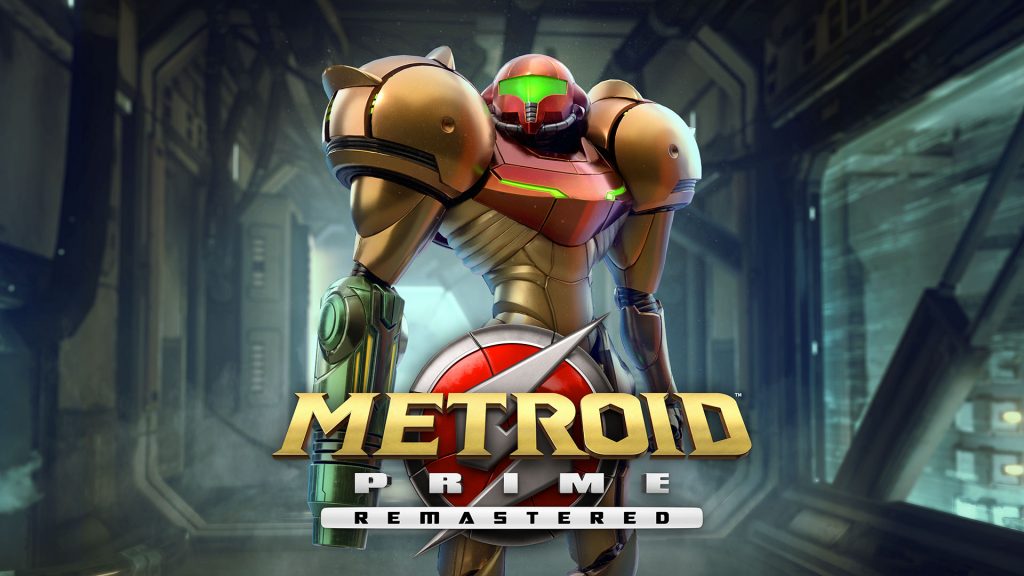
The game that proved first-person perspective could work for exploration-adventure and didn’t have to mean mindless shooting. When Nintendo handed Metroid to Texas-based Retro Studios, skepticism was rampant—how could an American team understand this quintessentially Japanese franchise? How could first-person work for Metroid? Retro answered emphatically by crafting a game that felt unmistakably Metroid while pioneering a new genre. The visor system and scanning mechanics transformed the first-person view into a tool for environmental storytelling and immersion rather than just a shooting perspective. Prime captured the isolation, atmosphere, and interconnected world design of Super Metroid in three dimensions, proving that great game design transcends perspective. It remains the gold standard for first-person adventure games.
What Makes It Essential:
- Visor system that made the world feel interactive and alive
- Scanning mechanic that rewarded curiosity with deep lore
- Isolation and atmosphere translated perfectly from the 2D classics
- Creative boss battles using environmental mechanics
- Morph Ball sections that seamlessly transitioned perspectives
- Interconnected world design in full 3D
7. Fire Emblem Awakening
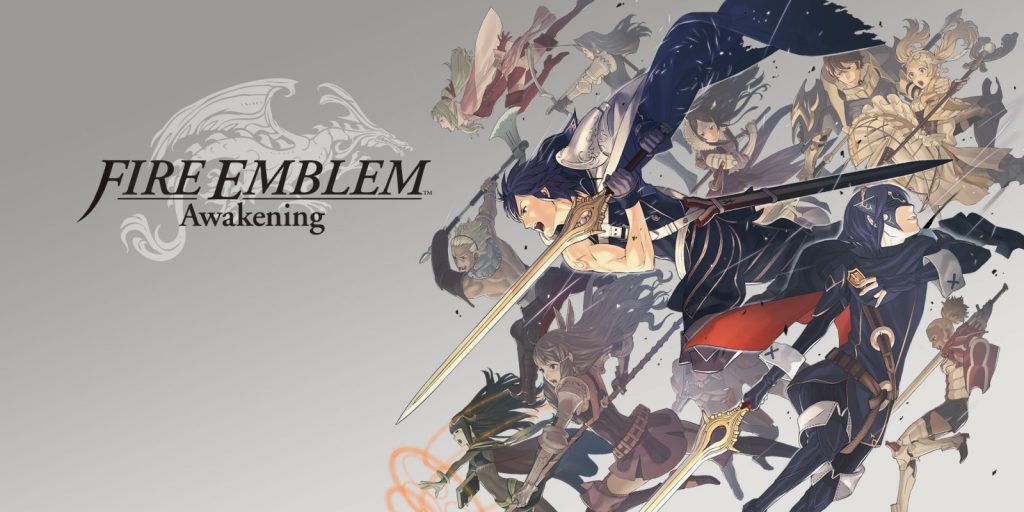
The 3DS title that saved Fire Emblem from extinction and transformed it into one of Nintendo’s premier franchises. Facing cancelation after years of declining sales, Intelligent Systems made Awakening their last stand, pouring everything into a game that would either revive the series or serve as its swan song. They succeeded beyond anyone’s wildest expectations by making the hardcore strategy RPG accessible without compromising depth. The marriage and children system added unprecedented emotional stakes—losing a unit didn’t just mean losing stats, but potentially erasing their children from existence. Awakening‘s success didn’t just save Fire Emblem; it launched the series into mainstream consciousness, paving the way for Three Houses and countless new fans discovering tactical RPGs for the first time.
What Makes It Essential:
- Relationship system where units could marry and have children
- Intricate “breeding” build-crafting by marrying the right characters to produce powerful children that inherit their strengths.
- Introduced casual mode, removing permadeath for newcomers
- Time-travel plot with genuinely emotional stakes
- Pair-up mechanic that encouraged strategic unit positioning
- Deep and lovable character roster with memorable support conversations.
6. Mario Kart 8 Deluxe
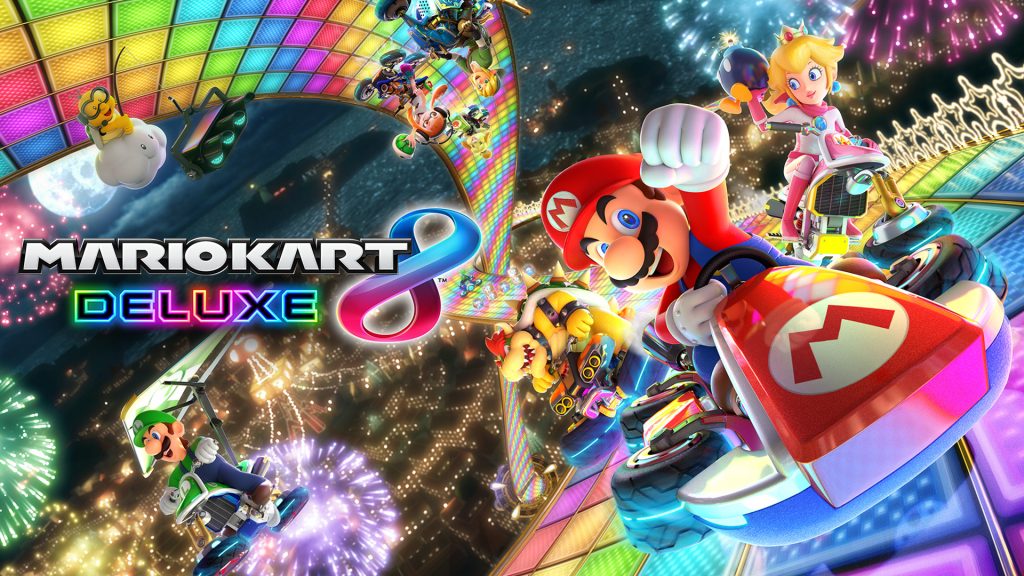
The ultimate kart racer that refined three decades of design into arcade perfection and became the definitive multiplayer experience on Switch. Mario Kart 8 Deluxe represents the culmination of everything Nintendo learned since Super Mario Kart, polishing the formula to a mirror shine. The anti-gravity mechanic wasn’t just a gimmick—it fundamentally transformed track design, allowing for impossible twists, turns, and perspectives that made every course feel like a theme park ride. With the Booster Course Pass DLC eventually delivering 96 tracks, the game offered an abundance of riches spanning the entire series history. It’s the best-selling racing game of all time for good reason, achieving perfect accessibility while maintaining a skill ceiling that keeps competitive players engaged years later.
What Makes It Essential:
- 96 tracks spanning series history after all DLC
- Anti-gravity sections that transformed track design possibilities
- Perfect balance between skill and chaos with item system
- Online play that remains active with millions of players
- Battle modes that finally delivered on their potential
- 200cc speed class for expert-level racing
5. The Legend of Zelda: The Wind Waker (HD)
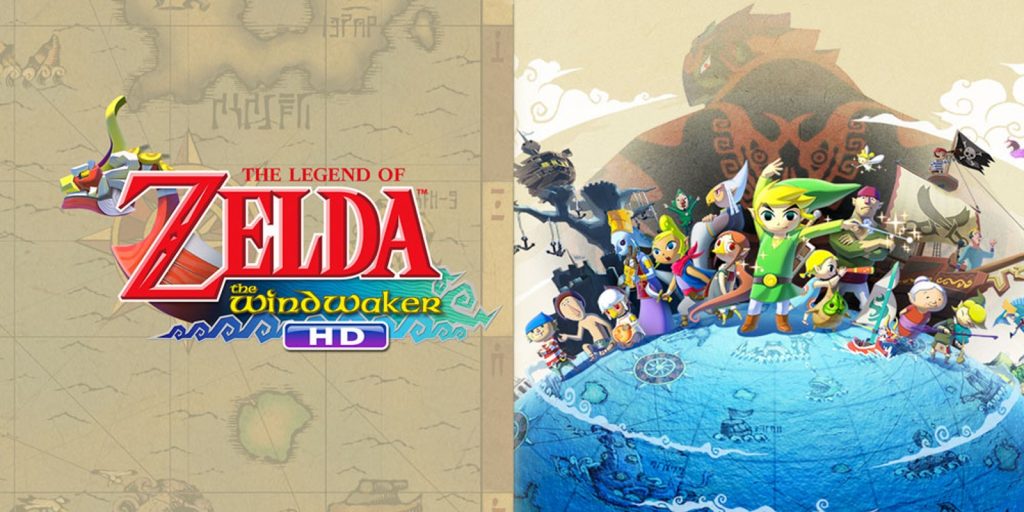
The cel-shaded adventure that proved art direction trumps raw graphical power and remains one of gaming’s most visually stunning achievements. When Wind Waker debuted at E3 2001, the backlash was immediate—fans expecting a realistic Zelda were confronted with Toon Link and a radically different aesthetic. Nintendo stood firm, and history vindicated their vision. Two decades later, Wind Waker‘s timeless art style looks more beautiful than countless “realistic” games from its era that aged poorly. Beyond its revolutionary visuals, Wind Waker told the most emotionally mature Zelda story yet, exploring themes of legacy, loss, and letting go. Link’s expressive animations gave him more personality than any previous incarnation, while the Great Sea’s vast expanse created a sense of adventure and discovery that few games have matched.
What Makes It Essential:
- Timeless art style that looks beautiful decades later
- Expressive character animation that conveyed emotion without dialogue
- Sailing mechanics that made exploration meditative
- Coming-of-age story about becoming the hero of legend
4. The Legend of Zelda: Ocarina of Time (3D)
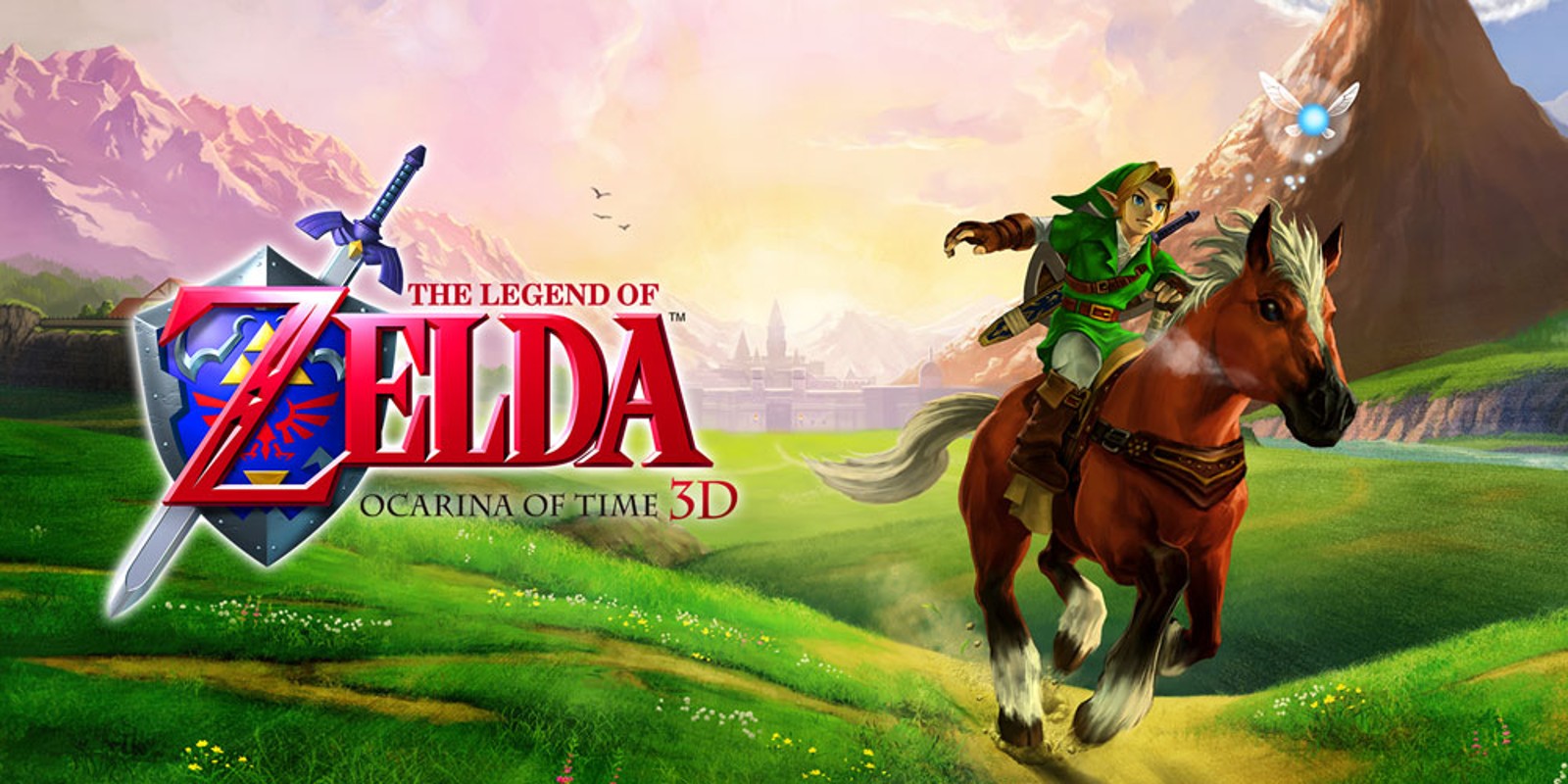
The game that defined 3D action-adventure and set the template that countless games still follow over 25 years later. Ocarina of Time faced impossible expectations as the follow-up to A Link to the Past, tasked with translating Zelda into three dimensions when most developers were still figuring out 3D basics. Nintendo didn’t just meet expectations—they revolutionized game design. The Z-targeting system solved 3D combat’s camera and positioning problems so elegantly that it became industry standard overnight. The time-travel mechanic created emotional weight as players witnessed Hyrule’s transformation from vibrant kingdom to dark wasteland, making Ganondorf’s victory feel personal. Ocarina‘s influence extends beyond Zelda; its dungeon design philosophy, boss encounter structure, and approach to 3D adventure design became the foundation upon which entire genres were built.
What Makes It Essential:
- Z-targeting system that revolutionized 3D combat
- Time travel mechanic that showed consequence across seven years
- Dungeon design that balanced puzzles and combat perfectly
- Ocarina songs that integrated music into gameplay and story
- Epic scope moving from childhood innocence to adult responsibility
- Memorable characters like Navi, Sheik, and Ganondorf
3. Super Mario 64
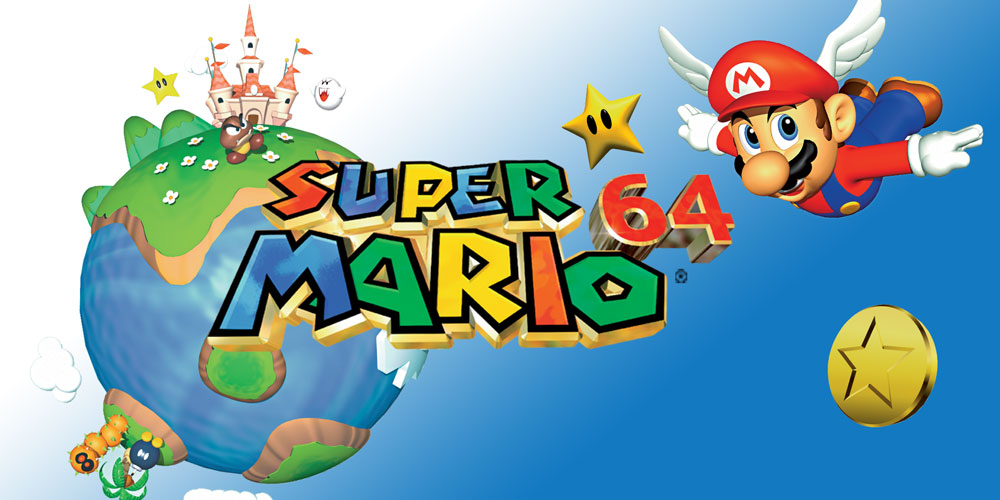
The game that proved 3D platforming could work and single-handedly launched gaming into a new dimension. When Super Mario 64 launched alongside the Nintendo 64, it didn’t just showcase new hardware—it fundamentally redefined what video games could be. Every single element had to be invented from scratch: how should a character move in 3D space? How should cameras work? How do you design levels without the constraints of 2D? Nintendo’s answers became gospel, with Mario’s analog control, long jump, triple jump, and wall kicks establishing the vocabulary of 3D movement. The decision to make levels sandbox playgrounds with multiple objectives rather than linear paths influenced everything from Banjo-Kazooie to Grand Theft Auto. Even today, game design students study Super Mario 64‘s camera system and movement controls as the foundation of 3D game design.
What Makes It Essential:
- Analog control that gave unprecedented movement precision
- Hub world design that encouraged exploration and discovery
- 120 stars with multiple objectives per level
- Moveset that remains the gold standard for 3D platformers
- Camera system that solved early 3D gaming’s biggest challenge
- Levels designed as playgrounds rather than linear paths
2. Super Mario Odyssey
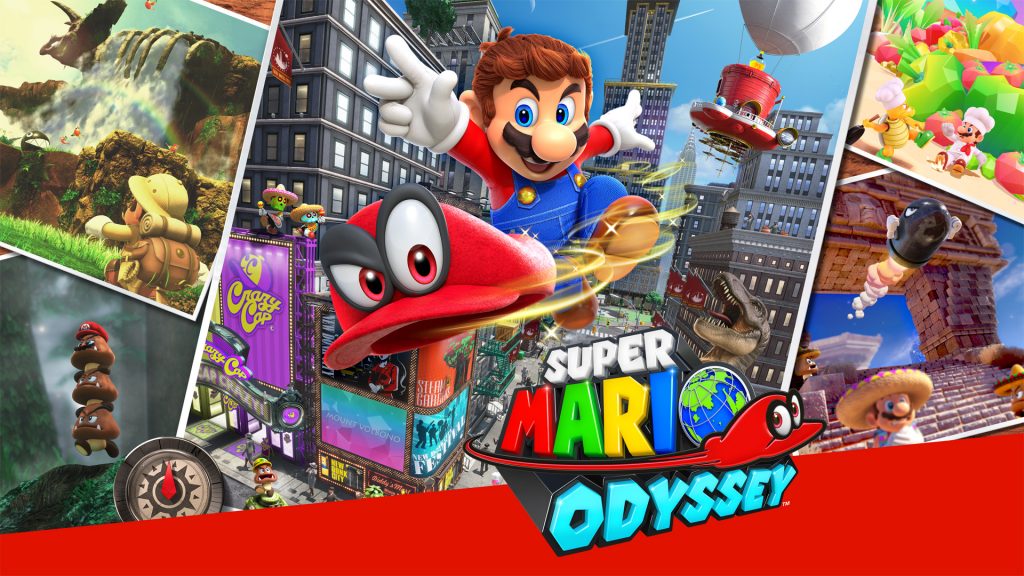
The sandbox 3D platformer that gave Mario unprecedented freedom and reinvented what a Mario game could be in the modern era. After years of more linear 3D Mario games, Odyssey returned to the exploratory spirit of Super Mario 64 while adding the capture mechanic—a stroke of genius that transformed ordinary objects and enemies into playable characters with unique abilities. Possessing a T-Rex, a tank, a zipper, or even a fork fundamentally changed how you interact with each kingdom, making every environment feel like a playground of possibilities. The game’s movement system rewarded mastery with dozens of advanced techniques, creating one of the most satisfying traversal systems in gaming. Odyssey proved Mario could evolve and experiment while maintaining the tight controls and creative level design that defines the series.
What Makes It Essential:
- Capture ability replacing power-ups with 50+ transformations
- Kingdom-based structure offering diverse environments and themes
- 880 Power Moons providing countless objectives and secrets
- Movement mechanics that reward skill with satisfying advanced techniques
- Seamless blend of linear challenges and open exploration
- Photo mode and unlockable costumes adding personality
1. The Legend of Zelda: Breath of the Wild
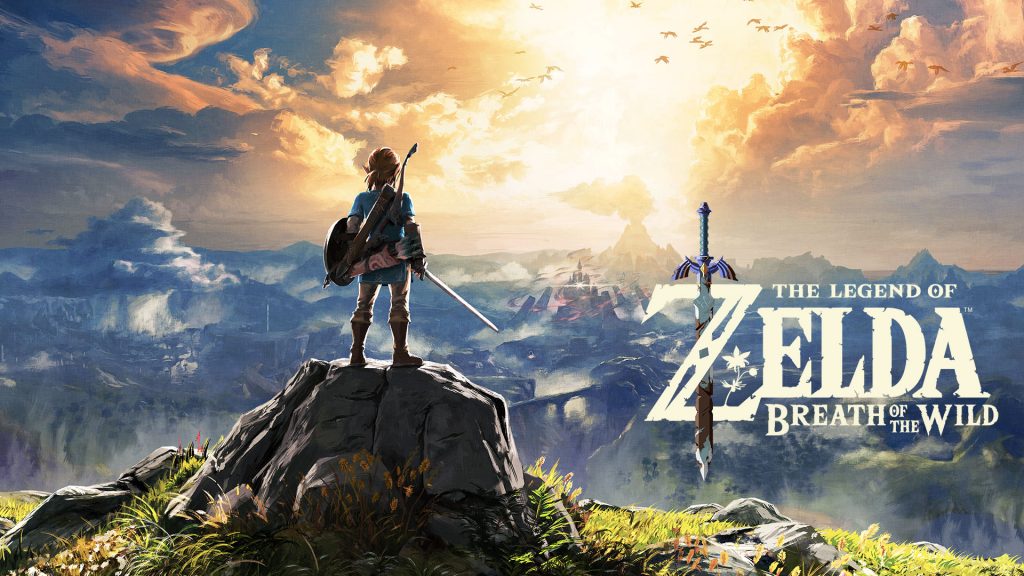
The revolutionary open-world adventure that redefined what a Zelda game could be and influenced an entire generation of game design. Breath of the Wild represents Nintendo’s apex—a game that broke every franchise convention to create something transformative. Where other open-world games hold your hand with waypoints and tutorials, Breath of the Wild respects your intelligence and curiosity, dropping you into Hyrule with minimal guidance and trusting you to chart your own path. Its physics-based chemistry engine created emergent gameplay moments that felt uniquely yours, turning every encounter into a sandbox for experimentation.
The game’s influence rippled across the industry, with developers worldwide studying its design philosophy of player agency and environmental storytelling. It proved that Nintendo, a company often associated with nostalgia and tradition, could reinvent their most treasured franchise and deliver a landmark achievement that redefined open-world design. This isn’t just the best Nintendo game—it’s a masterclass in game design that will be studied for decades.
What Makes It Essential:
- True open-world freedom where you can tackle objectives in any order
- Intricate chemistry engine allowing creative solutions to every problem
- Robust physics engine that exceeded the industry standard on much weaker hardware
- “If you think you can do it, you can do it” style of gameplay
- Shrines replacing traditional dungeons with bite-sized challenges
- Weapon durability system encouraging experimentation
- Climbing and paragliding mechanics that revolutionized open world traversal
- Minimal UI and guidance that trusted players to find their own path
- Influence on game design visible across the entire industry
Conclusion
These 25 games represent Nintendo at their most creative, innovative, and magical. From the industry-changing impact of Breath of the Wild to the quirky charm of Earthbound, each title showcases why Nintendo remains gaming’s most essential creator. This list spans generations of hardware and decades of design evolution, yet every entry shares Nintendo’s commitment to gameplay innovation and pure fun. Whether revolutionizing entire genres like Super Mario 64 and Ocarina of Time, or perfecting existing formulas like Mario Kart 8 Deluxe, these games pushed boundaries while maintaining the polish and creativity that defines Nintendo. They’re not just great games—they’re cultural touchstones that shaped how we think about interactive entertainment. Whether you’re a longtime fan or curious newcomer, these are the experiences that define what makes Nintendo special and why their games continue to set the standard for the entire industry.
