
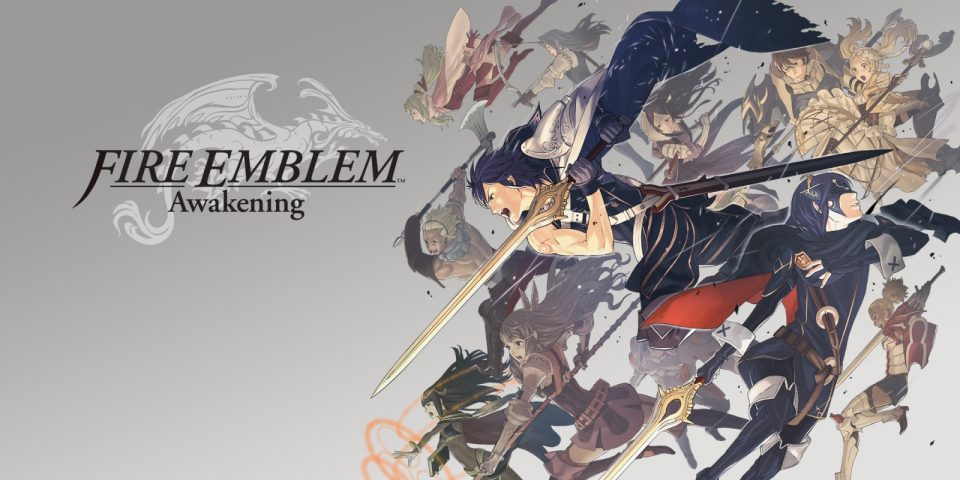
Strategy RPGs have always occupied a unique niche in gaming—demanding tactical precision, patience, and a willingness to accept brutal consequences for mistakes. For years, Fire Emblem carved out its identity as the unforgiving champion of the genre, where one misstep could permanently erase a beloved character from your roster. But by 2012, that hardcore reputation had become a double-edged sword. Sales declined with each installment, and Intelligent Systems faced a grim reality: Fire Emblem Awakening would be the franchise’s swan song.
Aware of the devastating news, the developers made a bold choice—they would create the Fire Emblem game of their dreams, incorporating every ambitious idea they’d shelved over the years. They would open the gates to newcomers without compromising the strategic depth veterans craved. Most poignantly, they crafted a narrative about second chances and redemption, themes that must have resonated deeply with a team fighting to save their beloved series.
The gamble paid off spectacularly. Not only did Fire Emblem Awakening become the best entry in the franchise, but it also evolved into one of Nintendo’s finest achievements, period. With over 2 million copies sold—shattering franchise records and becoming the highest-selling SRPG of its time—Awakening didn’t just save Fire Emblem from extinction.
It transformed the series into one of Nintendo’s cornerstone franchises, welcoming a new generation of tacticians while honoring the legacy that came before.
Developer & Publisher: Intelligent Systems, Nintendo
Platform: Nintendo 3DS
MSRP: $39.99
Release Date: February 4, 2013
Presentation — Beauty in Simplicity
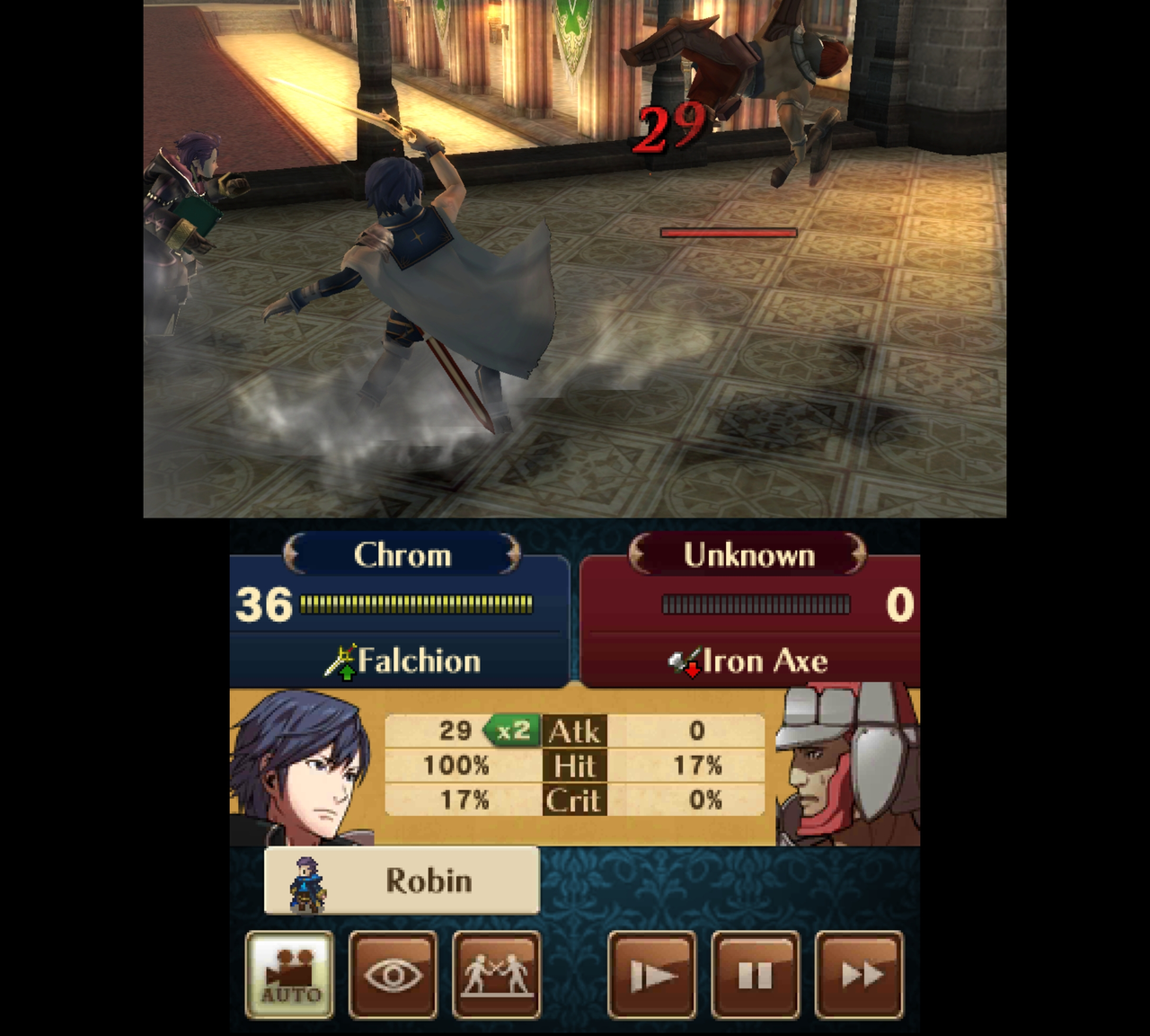
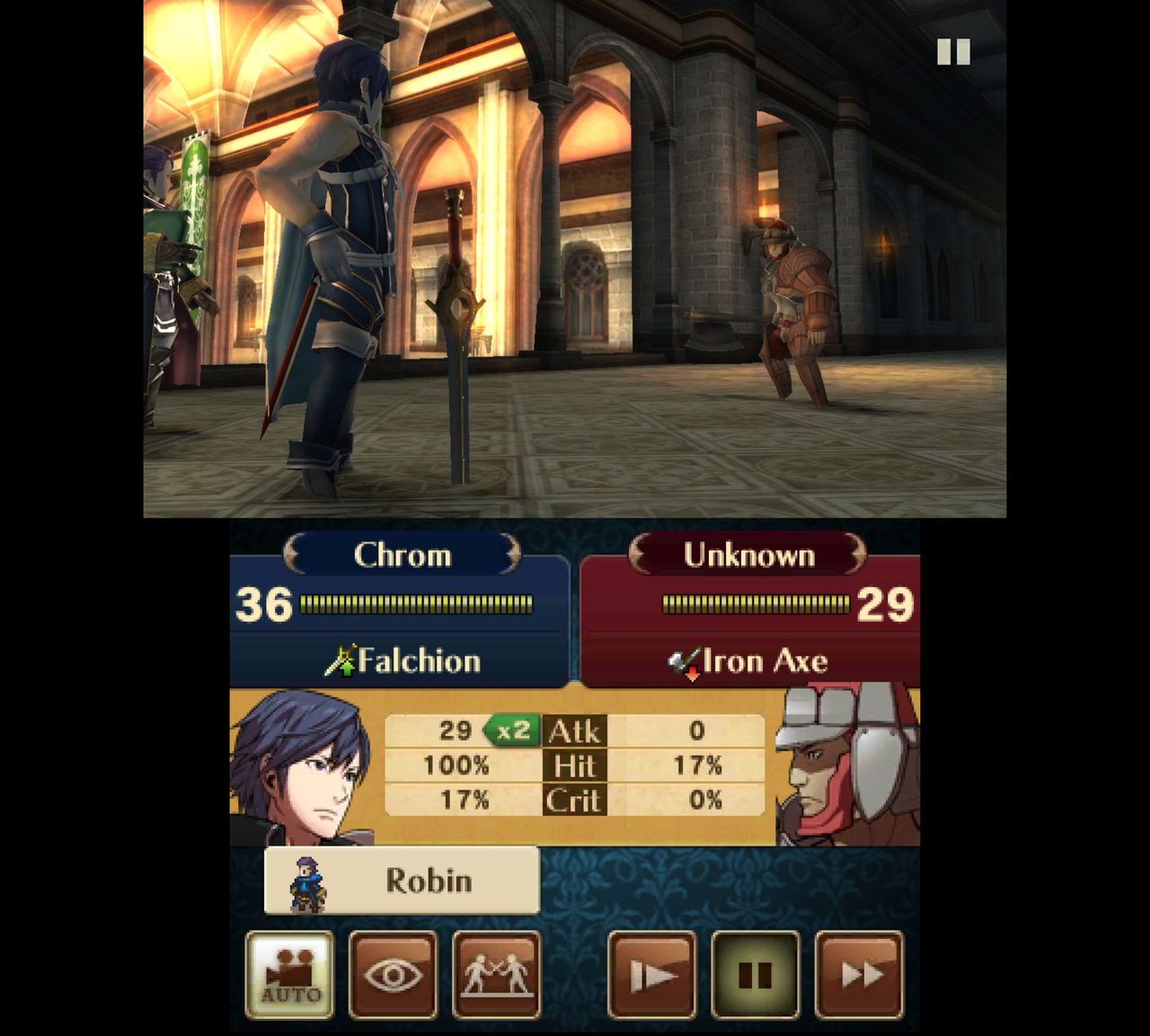
Fire Emblem Awakening won’t win any awards for graphical fidelity on the 3DS. The in-game 3D models are serviceable at best, featuring simple textures, and the infamously missing feet that became a running joke among fans. Watching your units glide across battlefields without visible footwork remains hilariously bizarre years later.
Despite the lackluster 3D models, attack animations are flashy spectacles that never lose their appeal. Whether it’s a standard strike or a devastating critical hit, these sequences pop with energy and style. Watching a character unleash a learned skill in battle becomes a visual treat every single time. It’s worth keeping animations on rather than skipping through for speed.
The 2D character portraits are gorgeously illustrated, brimming with personality and emotion that bring each member of your army to life during conversations and story moments. Whether it’s Chrom’s determined gaze, Tharja’s awkward smirk, or Lissa’s bubbly enthusiasm, these static images convey more character than the 3D models by a mile.
The true visual highlights, however, are the CGI cutscenes. These fully-animated sequences are stunning and bombastic, delivering pivotal story moments with cinematic flair. They’re used sparingly, which makes each appearance feel like a special event worthy of the narrative weight they carry.
(RK: Great work highlighting the visuals! I’ll be saying this for each section, though, try to add the SEO Bulletpoints. Look at my own reviews or Moods reviews if you need a reference.)
Audio — An Unforgettable Symphony
Fire Emblem Awakening’s soundtrack is nothing short of exceptional. Composer Yuka Tsujiyoko crafted melodies that burrow into your brain and refuse to leave. The overworld theme perfectly captures the sense of adventure and looming conflict, while the battle preparation music gets your strategic gears turning before you’ve even deployed a single unit.
But it’s the combat themes that truly shine. “Id (Purpose)” stands as one of gaming’s most iconic battle tracks, its dramatic strings and pounding percussion elevating every clash into something epic. The transition when you initiate combat—that brief musical flourish before the battle theme kicks in—never gets old, no matter how many encounters you’ve fought.
And then there’s that sound. You know the one. The critical hit sound effect is pure audio dopamine—a sharp, satisfying chime that sends a rush of excitement every single time. Hundreds of hours into the game, hearing that iconic crit sound still triggers the same thrill as the first time. The level-up fanfare is also iconic and really makes leveling up feel special.
The Voice Acting of FE Awakening
The voice acting elevates the experience tremendously, with both English and Japanese performances delivering A+ work. Matt Mercer’s Chrom stands as genuinely iconic. His delivery of signature lines will become etched in your brain for years to come. The entire cast brings energy and personality to their roles, making character interactions feel alive.
Character battle shouts deserve special mention, specifically for their ability to hype you up even after hundreds of encounters. Lucina’s determined cry of “I challenge my fate!” or Robin’s tactical “Time to tip the scales!” never lose their impact. These voiced battle quotes add personality to combat encounters, transforming routine skirmishes into moments where your favorite characters shine.
Narrative — Time, Fate, and Second Chances
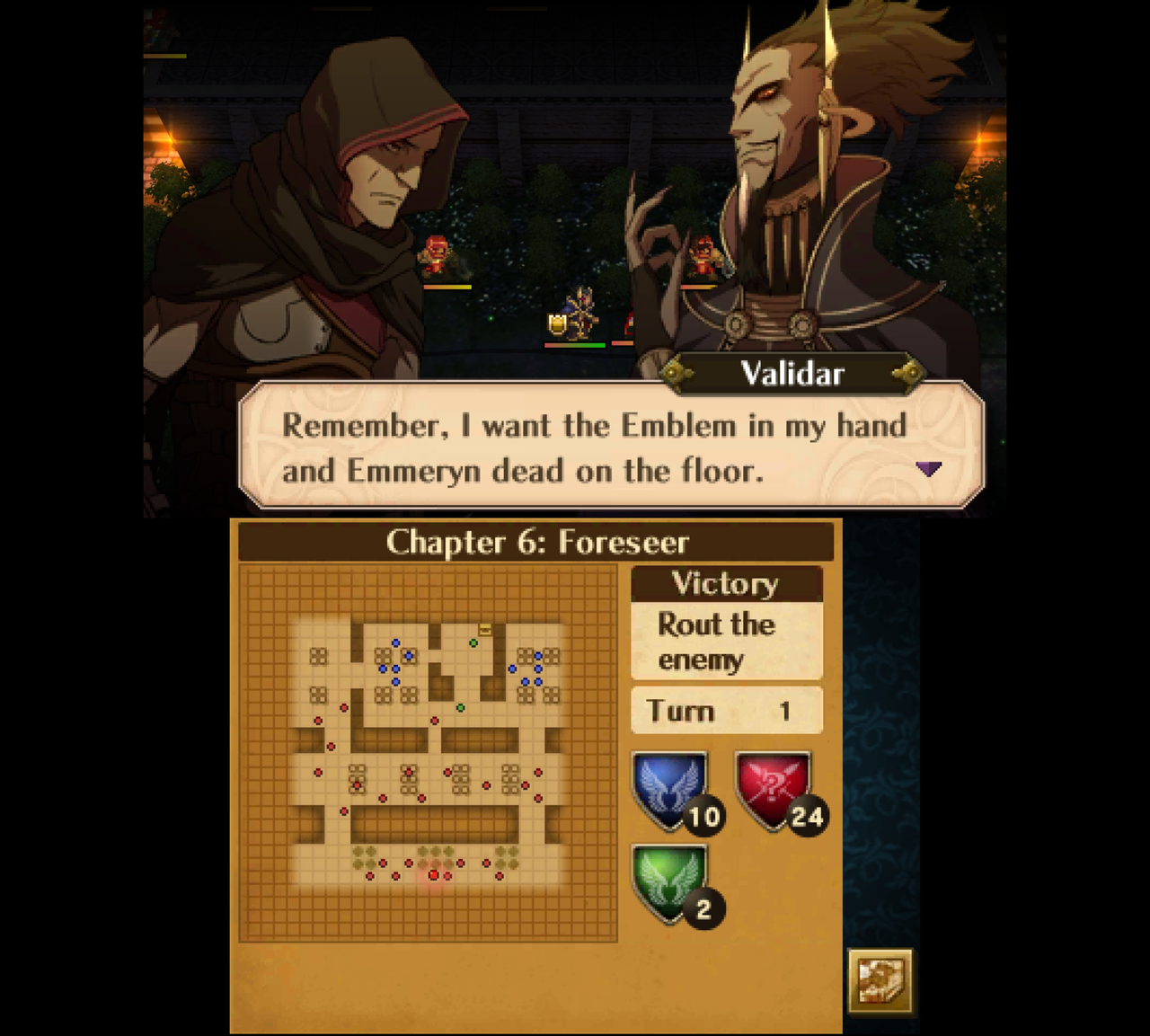
Fire Emblem Awakening weaves an engaging tale that masterfully employs time travel to explore themes of destiny, sacrifice, and the power to change fate. The story opens with a prophetic vision: a grim future where you, as Robin, betray and kill your closest ally, Chrom. It’s a gut-punch of an introduction that immediately hooks you with its dark implications.
The narrative proper begins with Robin awakening with no memories, found by Chrom and his sister Lissa. As the amnesiac tactician of the Shepherds, you help Prince Chrom navigate political intrigue, religious zealotry, and the return of the Fell Dragon Grima. But it’s the mystery surrounding Marth (not that Marth), a masked warrior who knows the future and desperately tries to prevent catastrophe, that drives much of the intrigue.
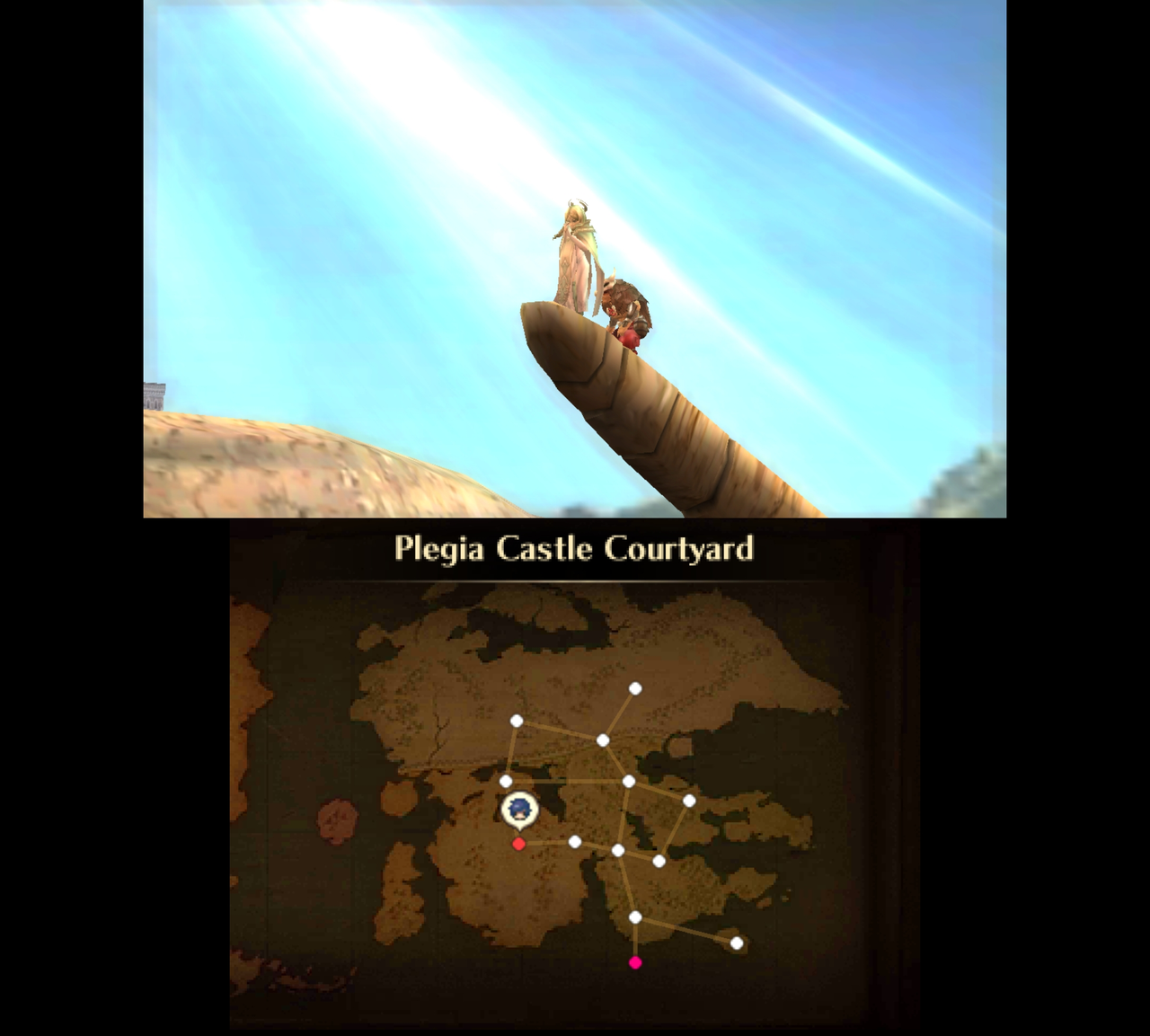
The emotional core comes from Chrom’s coming-of-age journey, particularly the heartbreaking sacrifice of the Exalt early in the campaign. This moment transforms Chrom from a carefree but well-meaning prince into a leader bearing the weight of his nation, and the game handles this transition beautifully, never rushing past the grief while still maintaining narrative momentum.
As the story unfolds and warriors from the future arrive to prevent their parents’ deaths, the stakes become deeply personal. The final choices you face, the sacrifices required, and the resolution of Robin and Chrom’s story deliver a genuine emotional impact that hits hard. Themes introduced in the opening come full circle, creating an ending that’s both earned and genuinely moving—the kind that is still impactful on subsequent playthroughs.
Characters — A Cast Worth Fighting For
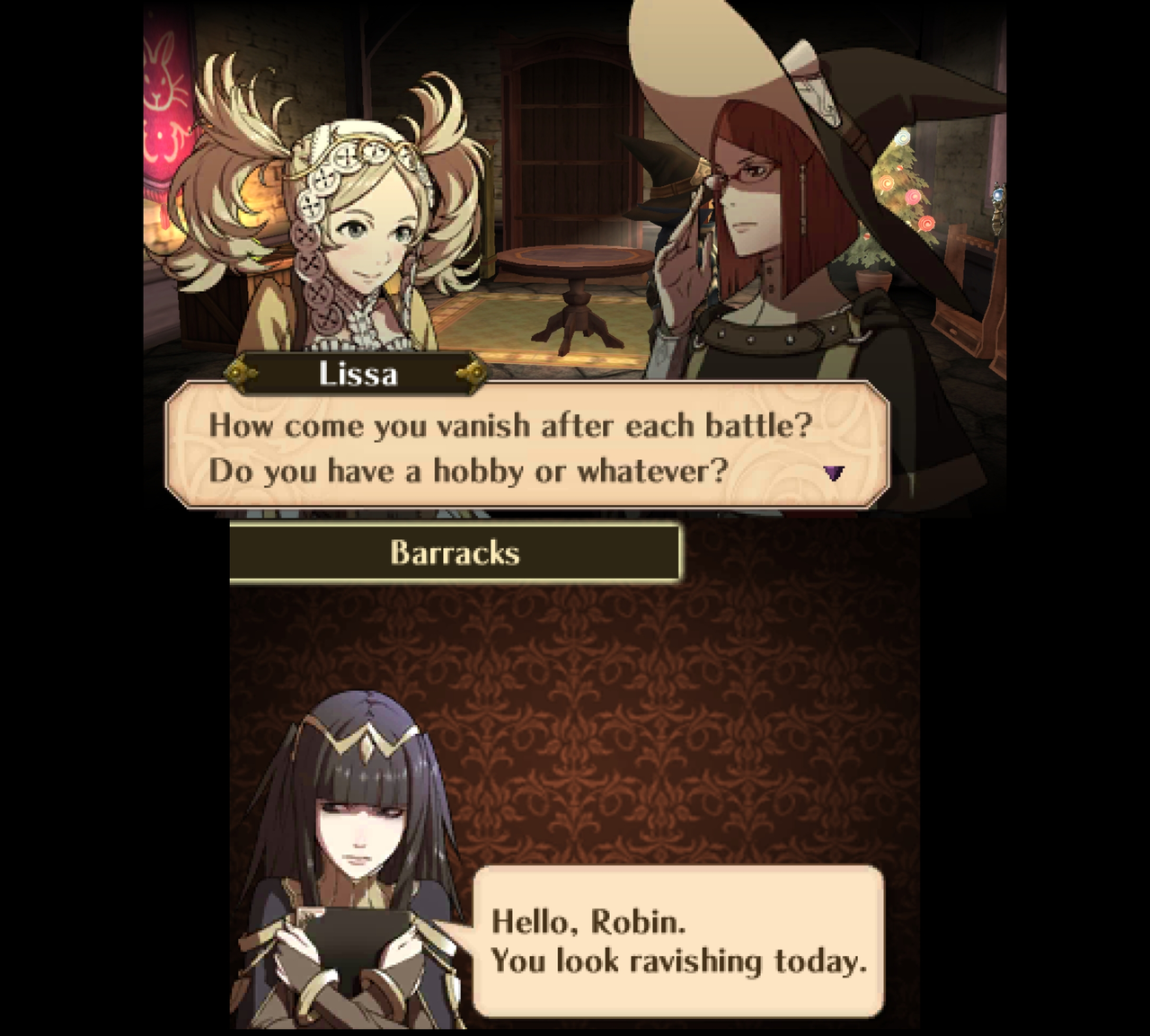
Where Fire Emblem Awakening truly excels is its character roster, an ensemble that stands among the best in JRPG history. Each member of the Shepherds brings a distinct personality, motivations, and quirks that make them feel like real people rather than chess pieces.
Chrom anchors the cast as a compassionate leader who grows believably throughout the story, balancing idealism with the harsh realities of war. His relationships with his sisters, his Shepherds, and particularly with Robin form the emotional backbone of the game.
But it’s the supporting cast that steals the show. Lucina carries the weight of a doomed timeline on her shoulders, desperately trying to save her father. Tharja’s dark obsessions and fierce loyalty create many creatively hilarious dialogue sequences. Lissa’s cheerful exterior hides surprising depth and courage. Lon’qu’s mix of gynophobia and warrior’s pride makes for high jinx and compelling character development. The child units, especially Noire, Morgan, and the delightfully theatrical Owain, add layers of tragedy and hope, each representing a future that might never come to pass.
What makes these characters work isn’t just their individual stories, but how they interact with each other through the support system.
The Revolutionary Support System
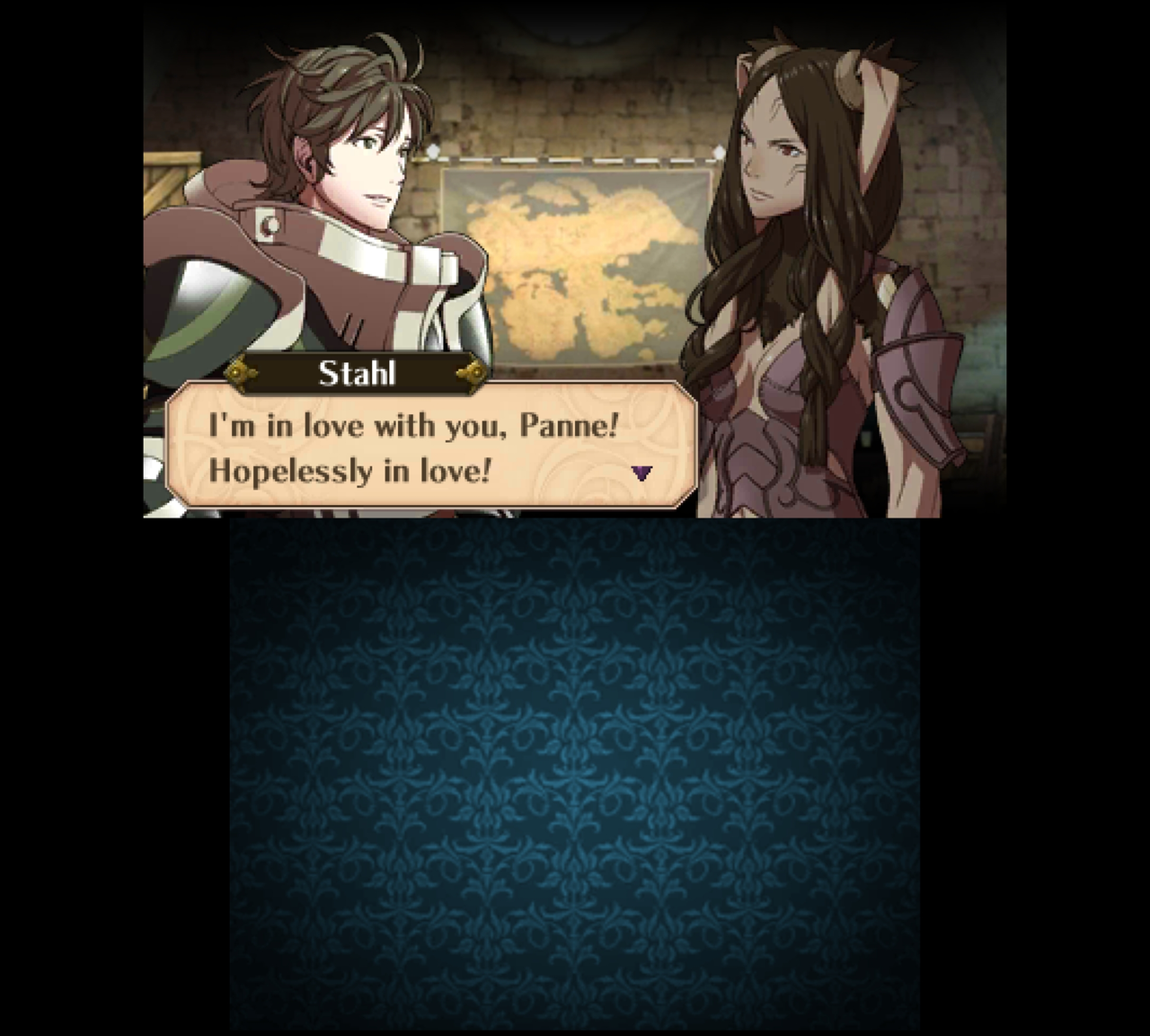
Fire Emblem Awakening transformed the support system from a background mechanic into the game’s defining feature, birthing what fans lovingly dubbed the “waifu simulator” aspect that would later define future entries.
The genius lies in its simplicity: fight alongside characters, watch their relationship deepen through support conversations, and eventually orchestrate marriages that produce the next generation of warriors. These aren’t throwaway dialogue exchanges; they’re often hilarious, touching, or revealing character moments that make you genuinely invested in these relationships. I would even argue that Fire Emblem Awakening‘s support systems outclass Persona‘s famous social sim systems in both emotional and gameplay depth.
Support conversations range from Owain’s dramatic sword-naming ceremonies to surprisingly tender moments between unlikely pairings. The writing showcases character depth that would be impossible to achieve through the main story alone. When characters reach S-rank support, they marry, setting the stage for Awakening’s most important mechanic—baby making.
Children of The Future — The Heart of Awakening’s Brilliance
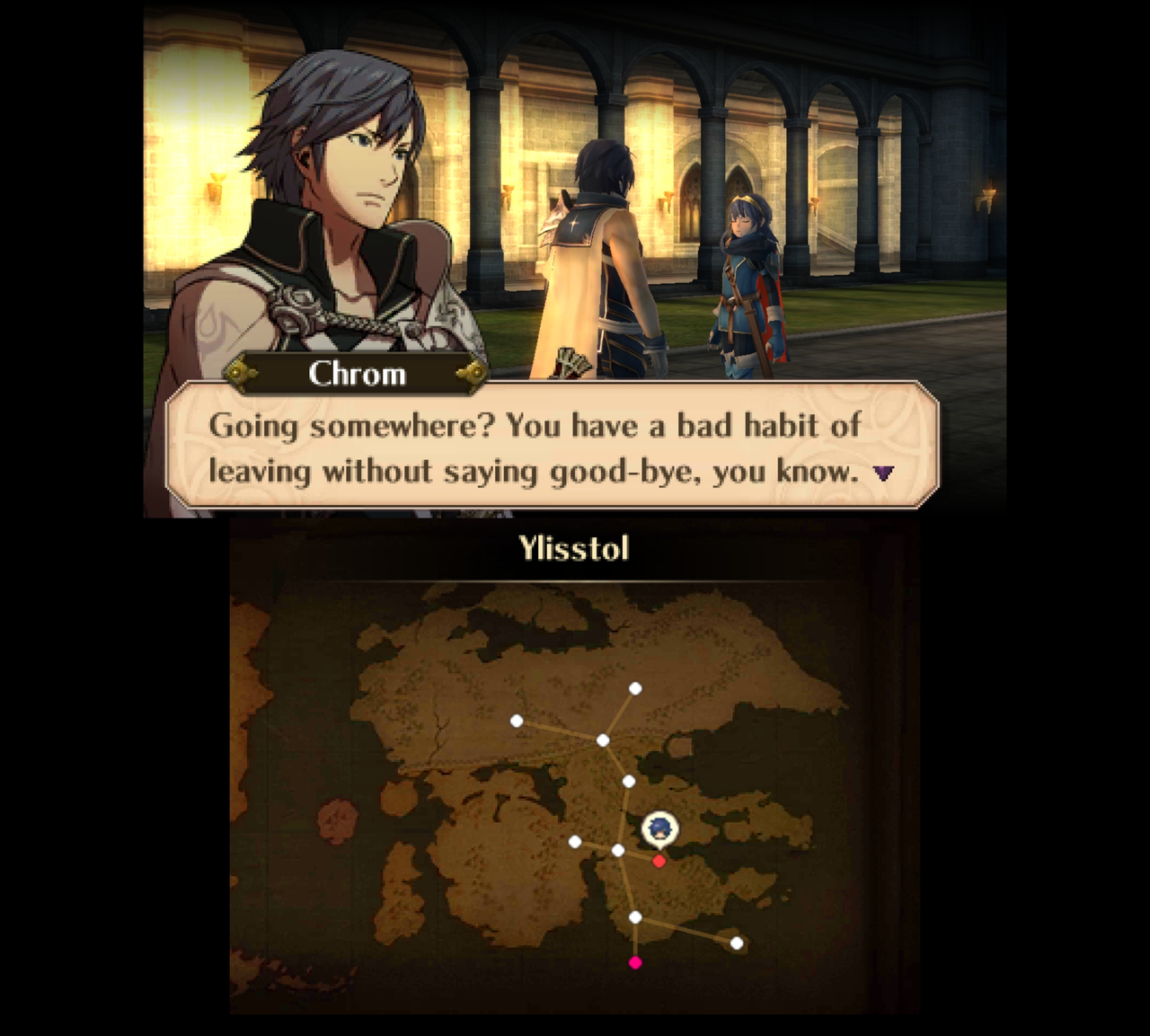
The child units represent Fire Emblem Awakening’s greatest mechanical and narrative achievement. These time-displaced warriors serve dual purposes: they’re both emotionally resonant story elements and incredibly deep strategic considerations.
Narratively, each child’s paralogue delivers heart-wrenching scenarios. They arrive from a future where the Fell Dragon has won, where their parents died in the war, and where they struggled to survive in a broken world. Recruiting them means saving them from that fate, rewriting destiny one relationship at a time. Their conversations with parents who don’t yet know them create powerful storytelling that gives weight to every pairing decision.
Mechanically, children inherit stats and skills from both parents, creating remarkable depth. You can approach this casually, pairing characters based on chemistry and enjoying heartwarming support conversations without worrying about optimization. Or you can transform Awakening into an elaborate breeding program, carefully calculating which parents produce the most devastating combinations.
Want an indestructible Kjelle? Pair Sully with a defense-oriented partner. Seeking a magical nuke in Noire? Choose Tharja’s spouse wisely. The system accommodates both the romantic at heart and the min-maxing tactician, making it endlessly replayable as you experiment with different family trees.
This mechanic alone ensures you’ll spend hours pondering pairings, testing builds, and discovering new favorite combinations. It’s the feature that transforms a good strategy game into an obsession.
Gameplay — Strategic Depth With Accessibility
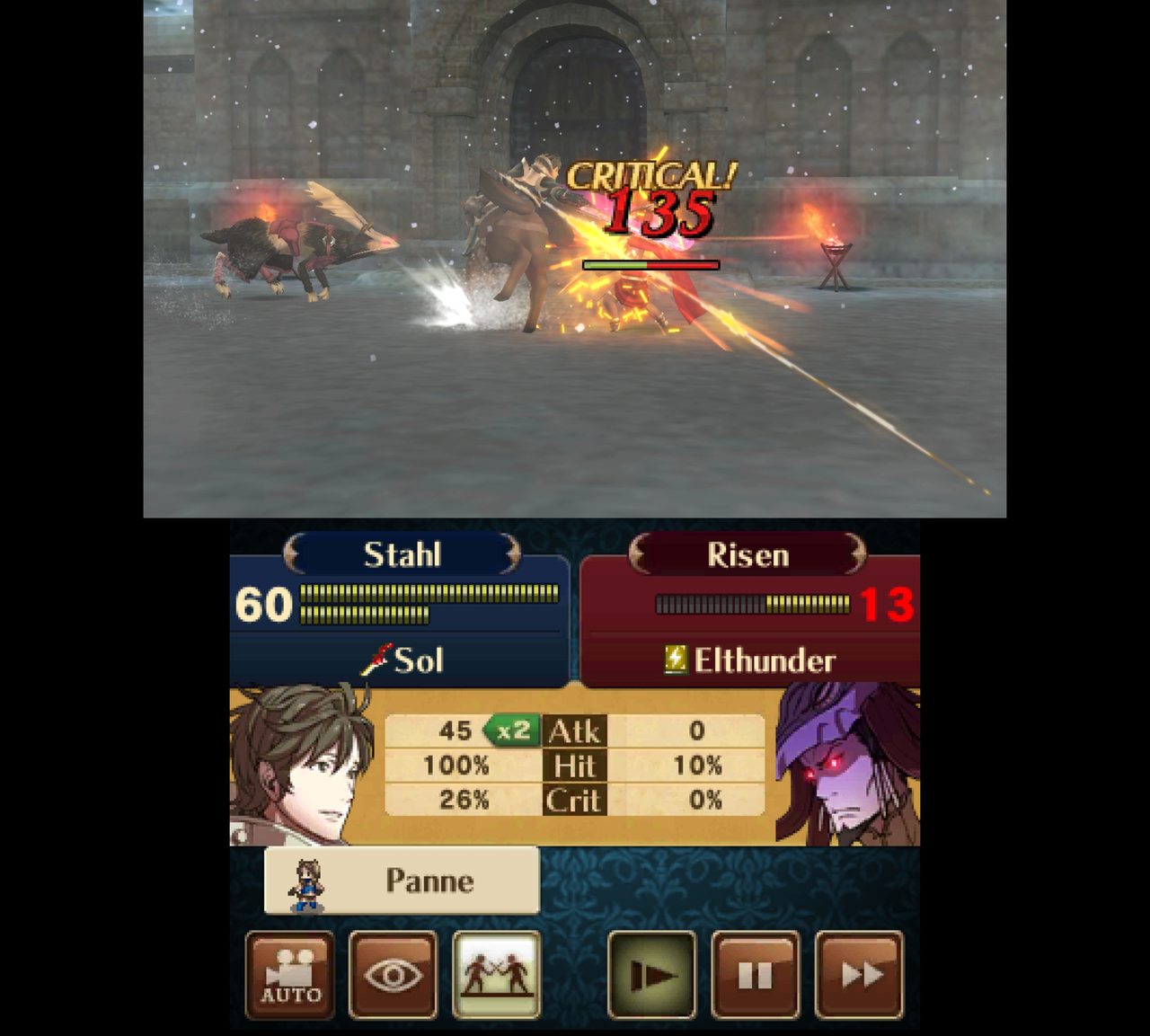
Fire Emblem Awakening strikes a remarkable balance between welcoming newcomers and challenging veterans. The inclusion of Casual Mode—which removes permanent death—opened the series to players who wanted to experience the story and strategy without the crushing punishment of losing favorite characters forever.
This decision drew some criticism from hardcore fans, but it was absolutely crucial to Awakening’s success. Combined with multiple difficulty options, it allowed newcomers to enjoy the game’s brilliant narrative and characters without difficulty becoming an insurmountable barrier.
Playing on Normal with Classic Mode (permadeath enabled) offers a beautifully paced experience. The opening chapters ease you in with manageable encounters that teach fundamental tactics. But as you progress, missions demand increasingly careful planning—every move matters when one mistake could cost you a character you’ve spent hours developing.
The strategic depth reveals itself gradually. Terrain advantages, weapon triangle considerations, character positioning for support bonuses, managing vulnerabilities—layers of tactical complexity emerge naturally through play rather than overwhelming you with front-loaded tutorials.
Pair Up — Strategic Synergy
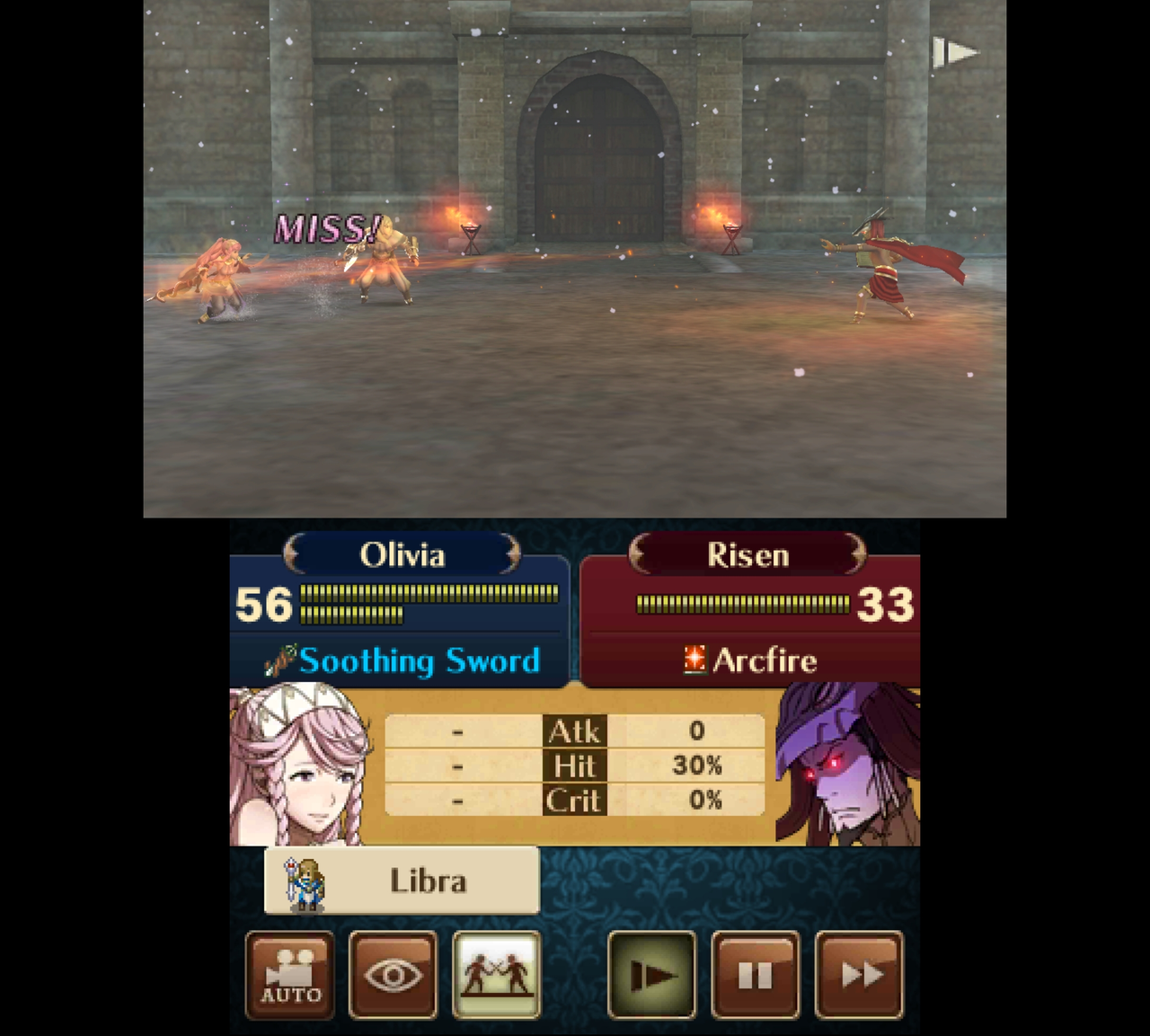
The Pair Up mechanic deserves special recognition as one of Awakening’s smartest innovations. By allowing two units to combine into a single space, it creates dynamic tactical possibilities that go far beyond simple stat boosts.
Paired units provide defensive support through blocks, offensive support through dual attacks, and statistical bonuses based on their relationship level. This system encourages you to actually use those support relationships in combat, making character bonds matter both narratively and mechanically.
The absence of Pair Up in later entries like Three Houses and Engage feels like a genuine loss. While those games have their own strengths, nothing quite replicates the satisfaction of a perfectly-timed dual attack turning the tide of battle, or a beloved support partner blocking a lethal blow at the critical moment.
The Overworld & Side Content
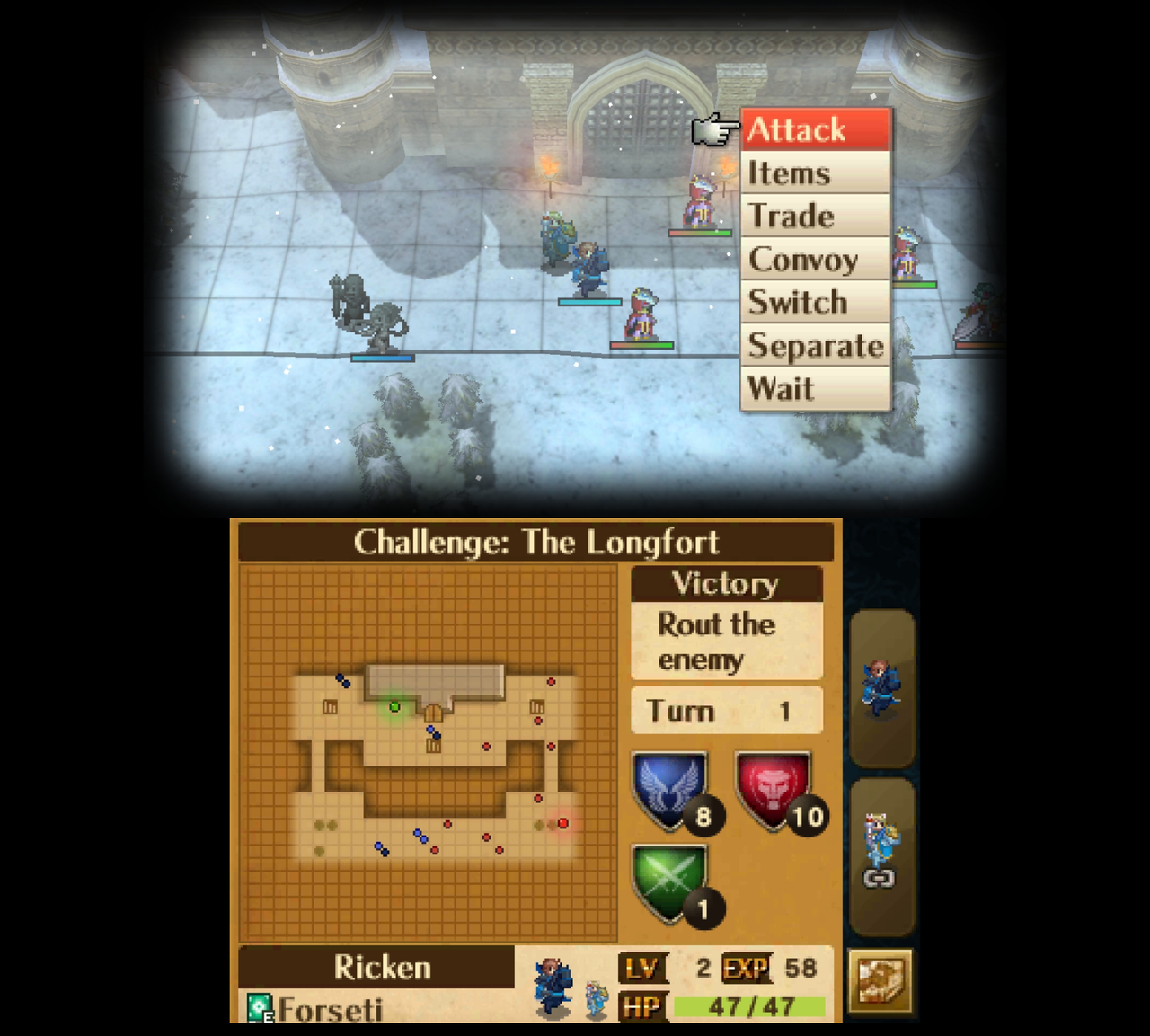
Awakening’s world map serves as more than just a mission select screen. Random encounters with enemies, merchants, and StreetPass player characters populate the landscape, creating a living world that rewards exploration and provides meaningful side content.
Particularly brilliant are the Paralogues—substantial side quests with their own stories and objectives. These aren’t filler; many Paralogues match or exceed main story missions in both quality and difficulty. They’re also where you recruit most child units, making them essential rather than optional.
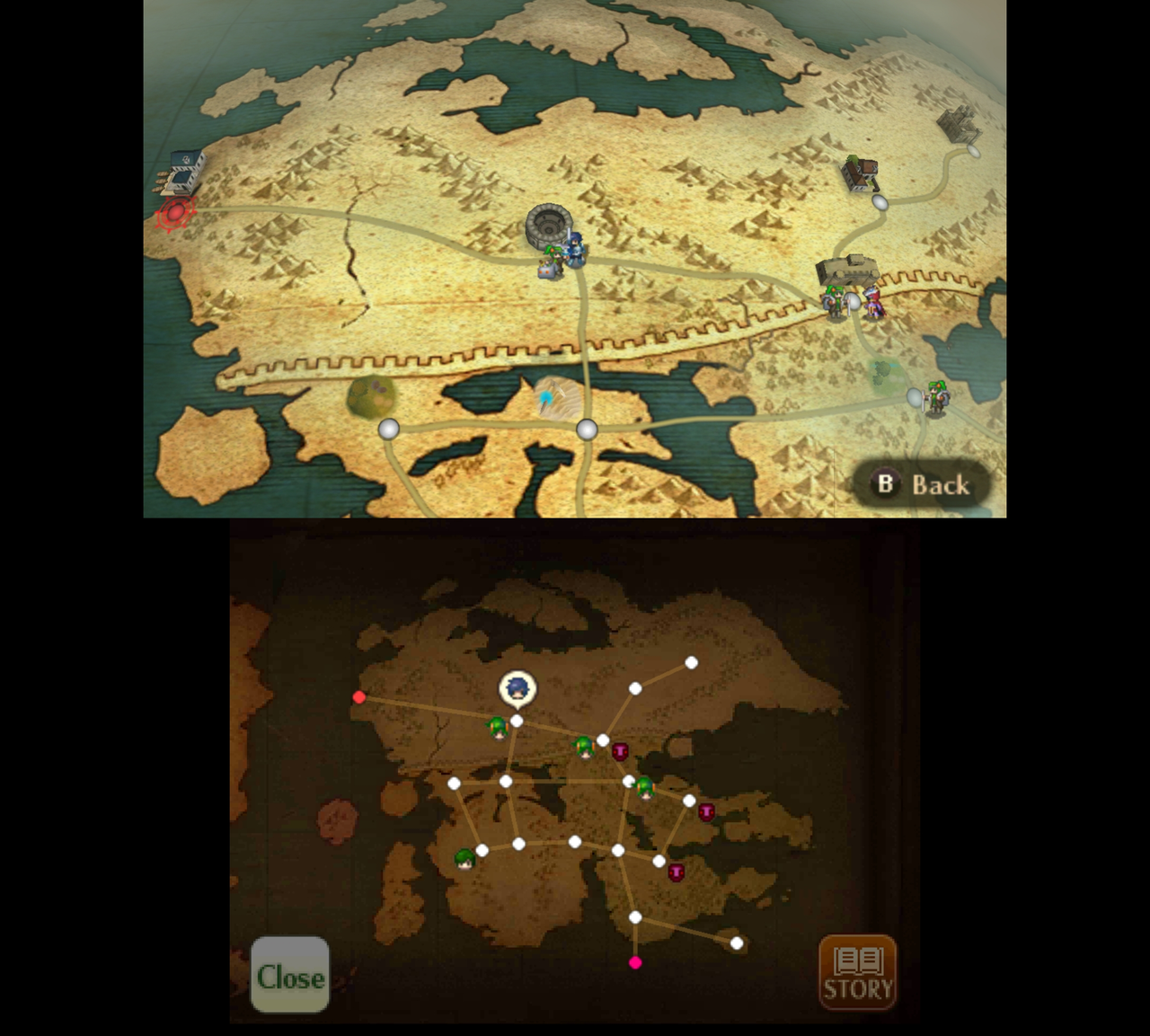
The random appearance of merchants offering rare items encourages you to check the map regularly. Meanwhile, risen encounters provide opportunities to grind levels and support ranks without feeling artificial or tedious.
Character Progression & Customization
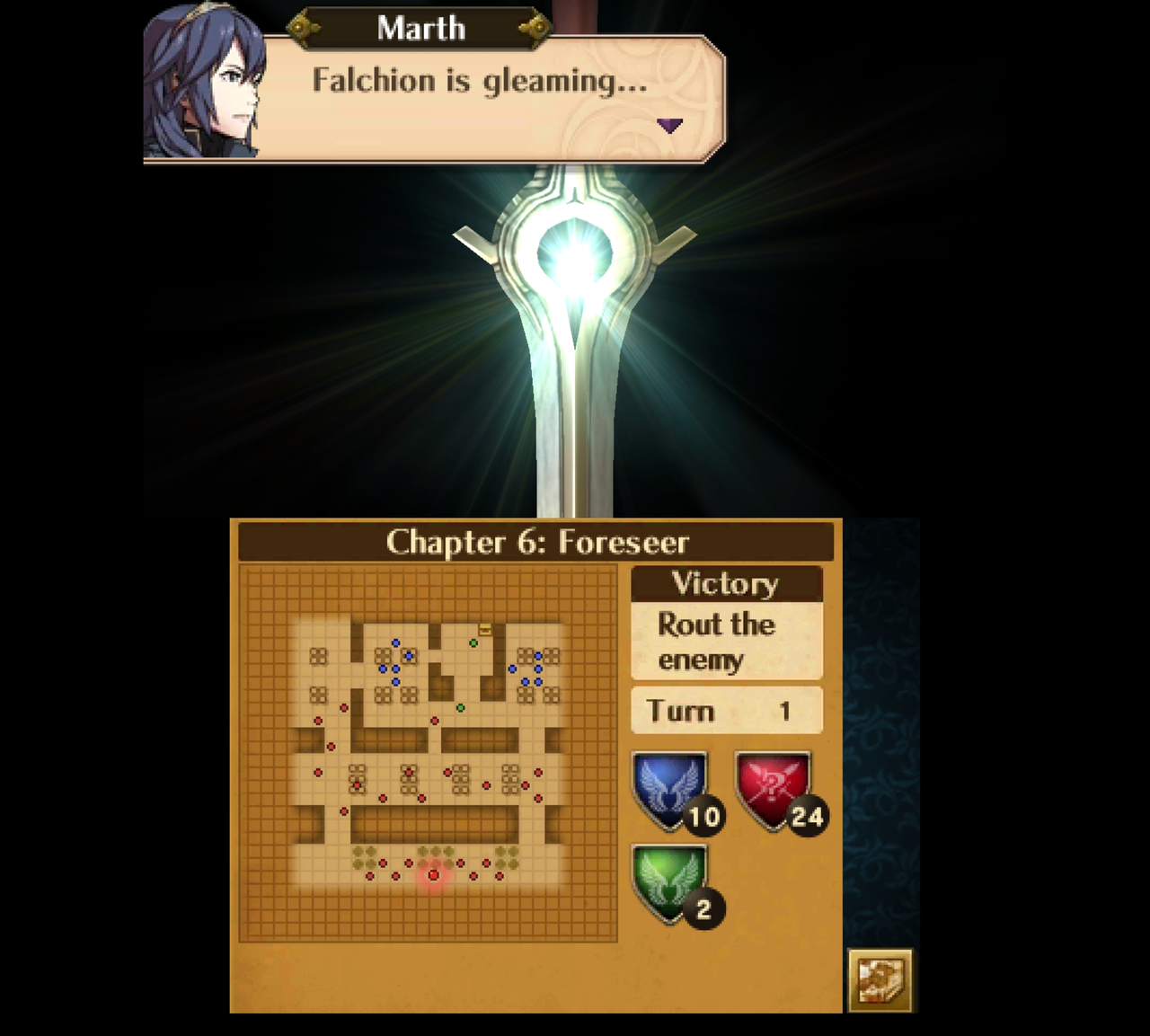
The class system in Fire Emblem Awakening offers satisfying progression with room for experimentation. Reaching level 20 with a character is exciting because it means Master Seal time—that moment when your unit promotes to an advanced class, gaining new skills and capabilities.
But the real depth comes from Second Seals. This allows you to reclass units entirely and open up skill inheritance. Want your mercenary to learn magical abilities? Reclass them into a mage tree. Seeking to build the ultimate defensive wall? Carefully plan class progressions to accumulate the perfect skill set.
This system rewards both planning and experimentation. You can follow recommended paths or create entirely unorthodox builds, discovering powerful combinations through trial and error.
Watching units evolve from scrappy recruits into legendary warriors through careful cultivation is deeply satisfying. Every level gained, every skill learned, every class mastered represents meaningful progression.
Conclusion — The Game That Saved a Franchise
Fire Emblem Awakening represents a perfect storm of design decisions that could have backfired but instead created something magical. Intelligent Systems bet everything on this title, and their desperation to create something special resulted in one of Nintendo’s all-time greats.
It’s a near-perfect unit with many strengths and almost no weaknesses. A compelling story about changing fate, an unforgettable cast of characters, revolutionary relationship mechanics that add emotional attachment and endless replay value, strategic depth that rewards careful planning, and enough accessibility options to welcome newcomers without alienating veterans.
This isn’t just the best Fire Emblem game—it’s one of the finest JRPGs ever made, a game that saved its franchise from extinction and introduced millions to the joy of tactical role-playing. It’s the game that proved accessibility and depth aren’t mutually exclusive, that casual and hardcore audiences can both love the same experience for different reasons.
More than a decade after release, Fire Emblem Awakening remains essential—a landmark title that changed everything for Intelligent Systems and solidified Fire Emblem’s place among Nintendo’s most important franchises.
Final Score: 9.5/10
Pros:
- Exceptional cast of characters with meaningful relationships
- Revolutionary support/marriage/children system
- Perfect balance of accessibility and strategic depth
- Memorable soundtrack that enhances every moment
- Compelling time travel narrative with emotional weight
- Deep customization through class changes and skill inheritance
- Pair Up mechanic adds tactical layers
- Substantial side content with Paralogues and world map events
Cons:
- Visually unimpressive 3D models
- The infamous missing feet
- Later chapters can become too easy with overpowered units, even on Hard
