
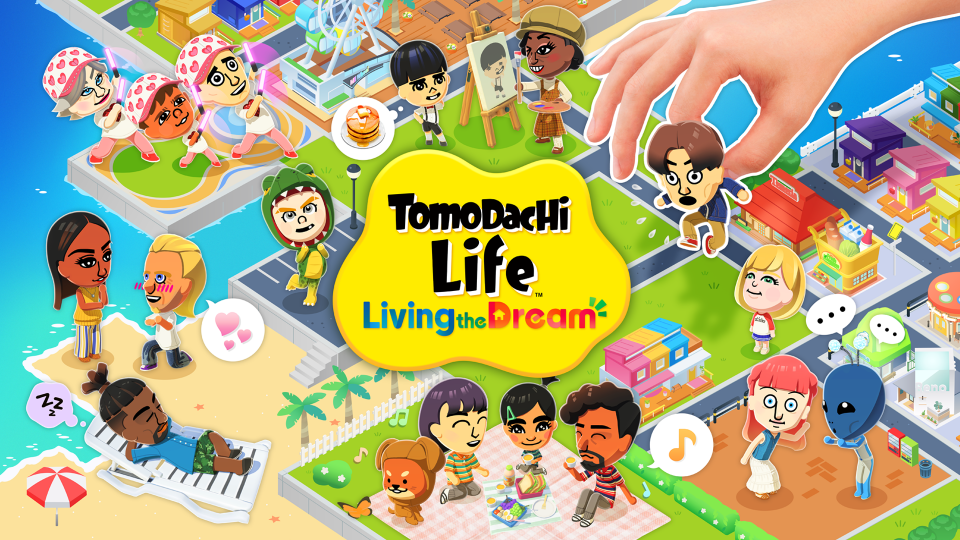
After more than a decade of silence, the Tomodachi series is making its grand return with Tomodachi Life: Living the Dream launching April 16th, 2026. Based on today’s dedicated Nintendo Direct, it’s shaping up to be something special. Nintendo has improved every aspect of what the 3DS predecessor offered, addressing long-standing gripes about limited player control while expanding the scope in ways that feel genuinely transformative. This is a sequel that goes beyond what anyone could’ve ever hoped for.
Island Living, Mii Style
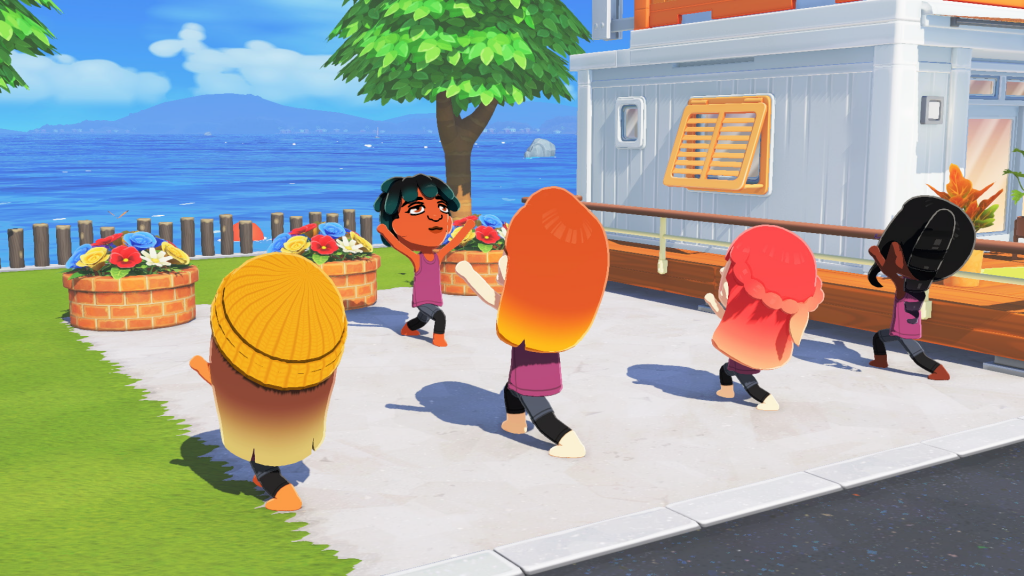
Living the Dream invites players to populate a vibrant island with Mii characters based on family, friends, celebrities, and anyone else who springs to mind. The scale of this game is much larger than anyone could’ve expected and represents a far cry from the confined apartment setting of the 3DS original. It’s a social simulation sandbox, where the only limit is your creativity.
The premise remains delightfully simple: create your Miis, customize their personalities down to their quirks and preferences, then watch as they forge friendships, fall in love, start rivalries, and navigate the everyday chaos of island life. Time passes in real-world sync, encouraging daily check-ins to see what absurd situations your residents have gotten themselves into while you were away.
Enhanced Mii Creation
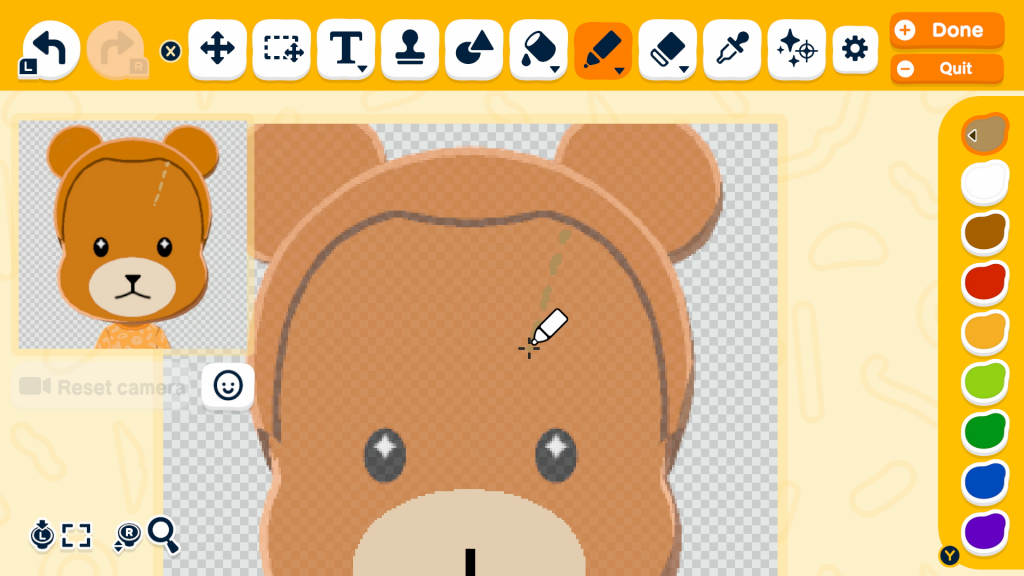
The Mii creation system has received a significant overhaul, offering more customization options than ever before. Players can choose between two distinct creation methods,while enjoying access to expanded parts and robust creative tools that weren’t available in previous entries.
Key Mii Customization Features:
- Two Creation Methods: Choose “Get Help” for guided character generation based on facial feature questions, or “From Scratch” for complete manual control
- Expanded Physical Options: Select from various face types, hairstyles, eyes, and new customization parts exclusive to this game
- Advanced Face Paint: Create truly imaginative designs with robust face paint options
- Personality Customization: Adjust name, height, body type, gender, voice, quirkiness levels, and energy levels
- Visual Upgrades: Updated Mii models feature ears for the first time, plus a refined cel-shaded aesthetic
- Enhanced Hair & Makeup: New options borrowed from Miitopia‘s Switch version add contemporary flair
- Meaningful Impact: Personality choices fundamentally shape Mii interactions and social dynamics
A More Hands-On Approach
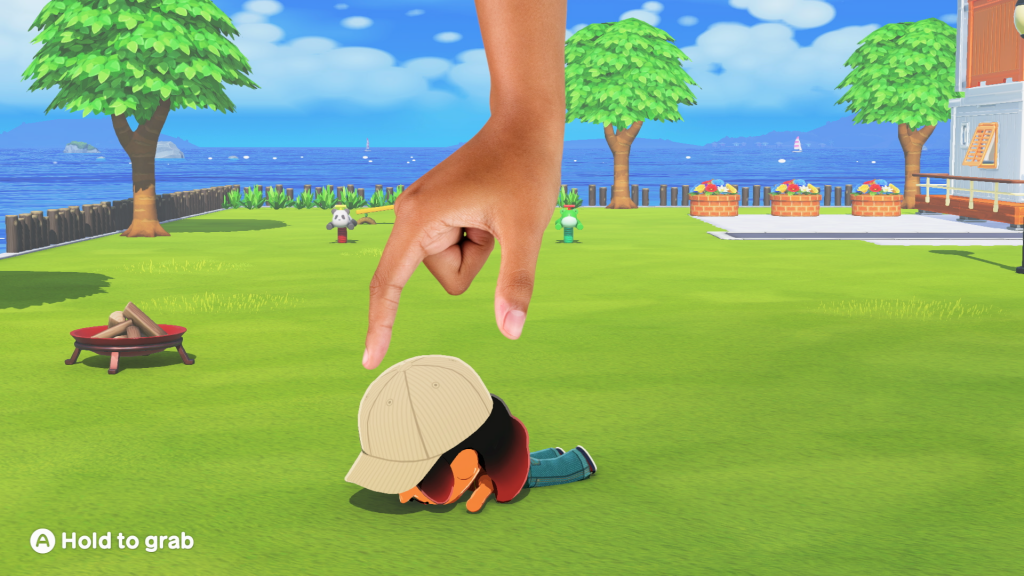
One of the most significant gameplay additions is the ability to directly pick up and place Miis near each other. Drop two residents in proximity, and different scenarios might unfold—they could discuss favorite foods, bond over shared interests like monster trucks, or hit it off and become friends. This level of direct control pushes Living the Dream closer to The Sims, rather than the more passive observation style of Animal Crossing, giving players meaningful agency over their island’s social ecosystem.
Once Miis become acquainted through these arranged encounters, they’ll interact autonomously, creating the organic social dynamics the series is known for. You can even house up to eight residents together as roommates, which promises unique reactions and “unexpected dramas” as personalities clash or mesh under one roof.
Building Your Dream Island
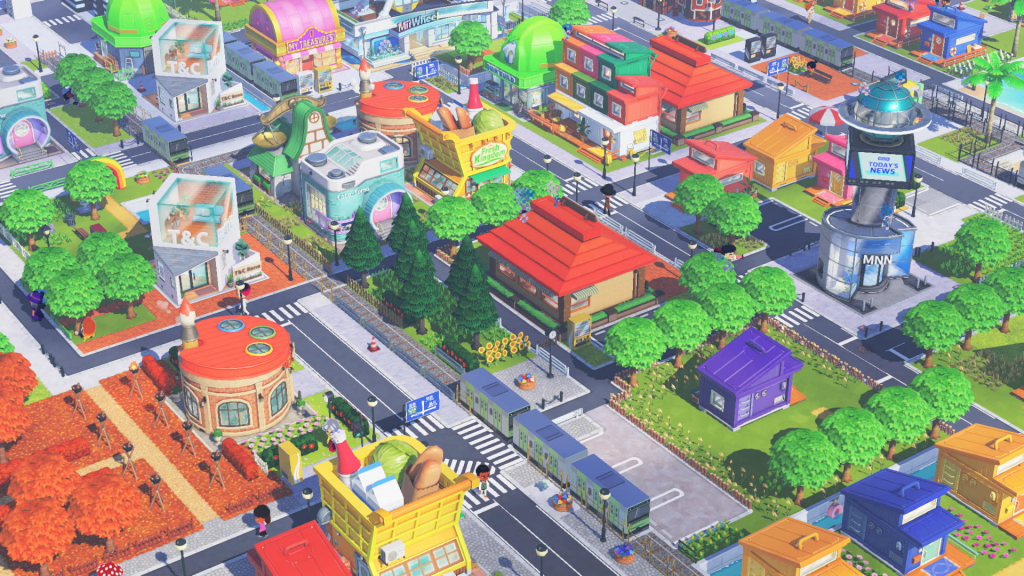
The island setting opens up exciting possibilities for customization. You’ll have access to various shops and facilities, each serving distinct purposes:
- Fresh Kingdom stocks foods and culinary oddities
- Where & Wear offers everything from everyday attire to outlandish outfits
- T&C Reno provides room renovations, including themed spaces like supermarkets or libraries for Miis with unconventional sleeping preferences
- The Marketplace features time-sensitive items that change throughout the day
- Quik Build supplies island decorations and amenities
- MNN news station keeps you updated on island happenings
- Foto-Tomo photography stages photo opportunities for your residents
The Palette House Workshop deserves special mention as a creative hub where you can design custom pets, drinks, TV shows, clothing items, house exteriors, ground tiles, and original items to personalize your island further. The customization available through Palette House looks even more robust than what Animal Crossing: New Horizons offers, which is saying something for a series known for its creative freedom.
Beyond shops, you’ll landscape your island with trees, plants, benches, vending machines, playground equipment, and more. Shops and houses can be relocated, land areas expanded, and the overall aesthetic shaped based on resident suggestions or personal preference. The island customization looks genuinely expansive and will surely get creative players excited about the possibilities.
Quirks and Personality
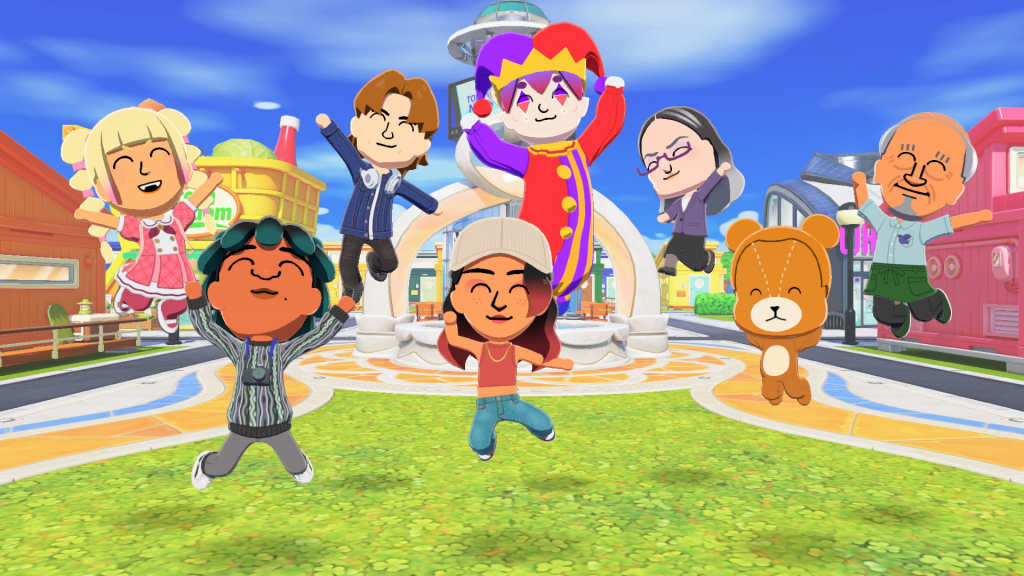
Adding another layer of individuality, you can gift Miis with “little quirks”—unique animations and behaviors that make them stand out. These include signature poses, specific eating habits, sleep movements, and favorite phrases that pepper their conversations. It’s these small touches that transform generic avatars into distinct personalities with their own charm.
The original Tomodachi Life cultivated a passionate cult following despite—or perhaps because of—its bizarre premise. Watching Miis you’ve created perform robotic concerts with lyrics you penned, resolving relationship drama, or raising virtual babies, created genuinely memorable moments.
Hoping For More
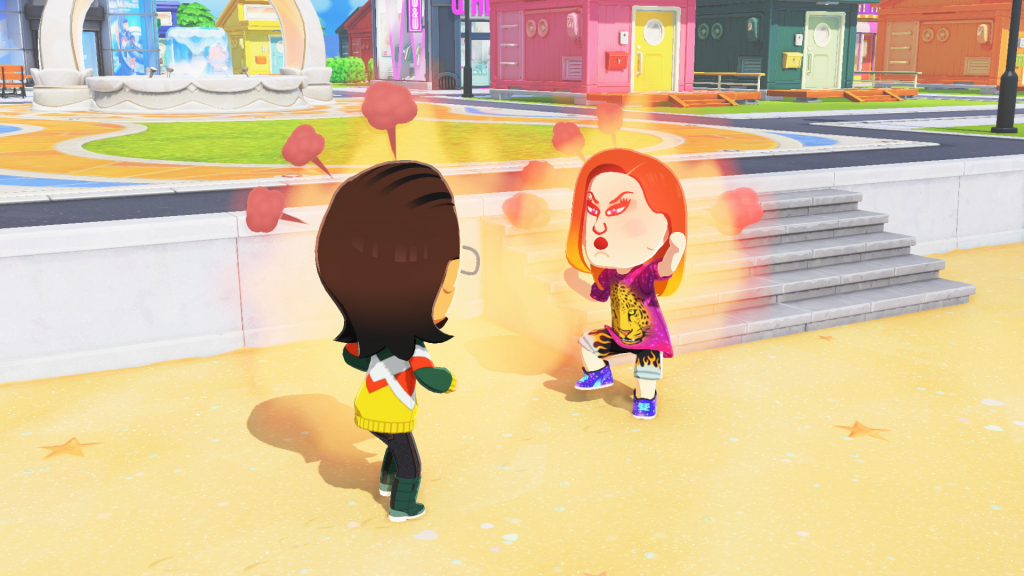
While today’s Direct showcased impressive depth, the original game’s content dried up relatively quickly for dedicated players. Nintendo’s recent embrace of live-service elements in franchises like Splatoon and Animal Crossing suggests there’s potential for Living the Dream to receive ongoing support that could extend its lifespan significantly.
Desired Post-Launch Features:
- Regular Content Updates: New items, locations, interactions, and customization options delivered over time
- Online Island Visits: Ability to visit other players’ islands and meet their unique Mii residents
- Multiplayer Minigames: Competitive or cooperative activities to enjoy with friends
- StreetPass Alternative: Robust online features to replace the beloved 3DS functionality for swapping items and Miis
- Community Events: Seasonal or limited-time activities to keep the island fresh
- Expanded Creative Tools: Additional design options for Palette House Workshop
Final Thoughts
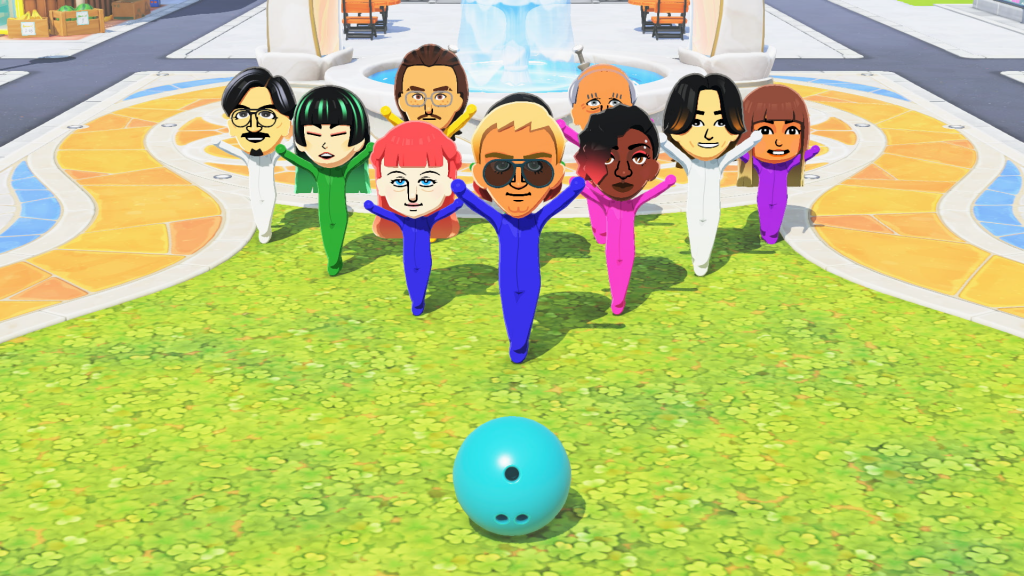
Tomodachi Life: Living the Dream appears poised to deliver an enhanced version of the quirky formula that has cultivated a fanbase of millions. The tropical island setting, expanded customization, hands-on gameplay mechanics, and creative tools suggest Nintendo understands what made the original special while addressing some of its limitations. The Direct did an excellent job highlighting all the new features that differentiate it from its predecessor.
For fans who’ve been forming summoning circles at Nintendo events and chanting for the series’ return, the wait is nearly over. Whether you’re a returning player eager to reconnect with the franchise or a newcomer curious about the fuss, Tomodachi Life: Living the Dream promises a unique blend of creativity, humor, and heartwarming social dynamics when it launches April 16, 2026 (Pre-orders are available now). It feels like it could serve as a great holdover until the next Animal Crossing game inevitably takes over the world.
