

What is Demon Tides?
Demon Tides is an expressive 3D platformer developed by Fabraz. When I played the demo last year, I could tell Fabraz was cooking up something special. After spending 10 hours exploring every corner of that vibrant preview, I was already convinced this would be my most anticipated game of 2026. Now, having sunk about 30 hours into the full release, going for the 100% completion, I can confidently say: Demon Tides has exceeded my expectations in almost every way. This is an ambitious game that succeeds on a gameplay level I’ve never felt before, and it’s easily the best 3D platformer since Super Mario Odyssey. In some regards, it goes toe-to-toe with or even exceeds Nintendo’s masterpiece.
There are plenty of great 3D platformers out there, but none that ambitiously shoot for the stars quite like Demon Tides. It’s the antithesis of games like Astro Bot. Where Astro Bot delivered AAA polish wrapped around a safe, tried-and-true linear formula, Demon Tides evolves the genre forward while being as wide as an ocean and just as deep as one, too. What it lacks in polish, it more than makes up for with exceptional mechanical depth, creative freedom, and sheer content. This is the only 3D platformer that Mario needs to watch out for. If you’re a fan of the genre, it’s a non-negotiable must-play.
Developer & Publisher: Fabraz
Platform: PC (Ryzen 7 5800X + RTX 4070 Super, 32GB RAM)
MSRP: $24.99
Platforms: PC (Steam)
Release Date: February 19, 2026
Presentation & Soundtrack — Take Me Back to 2000
- Demon Tides is a significant evolution from Demon’s Turf. Featuring a vibrant, charming 2000s video game aesthetic, the visuals work wonderfully and capture the game’s colorful personality.
- The soundtrack is an absolute standout, featuring a varied score that is dynamic with the gameplay.
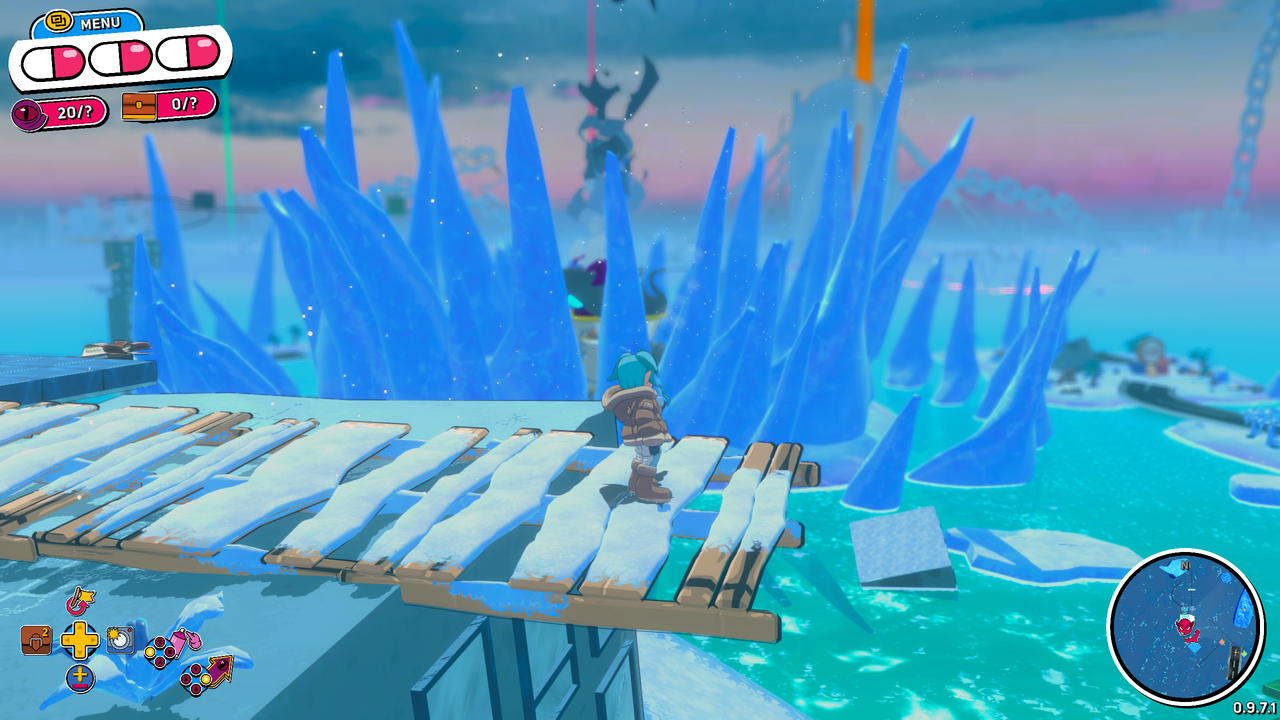
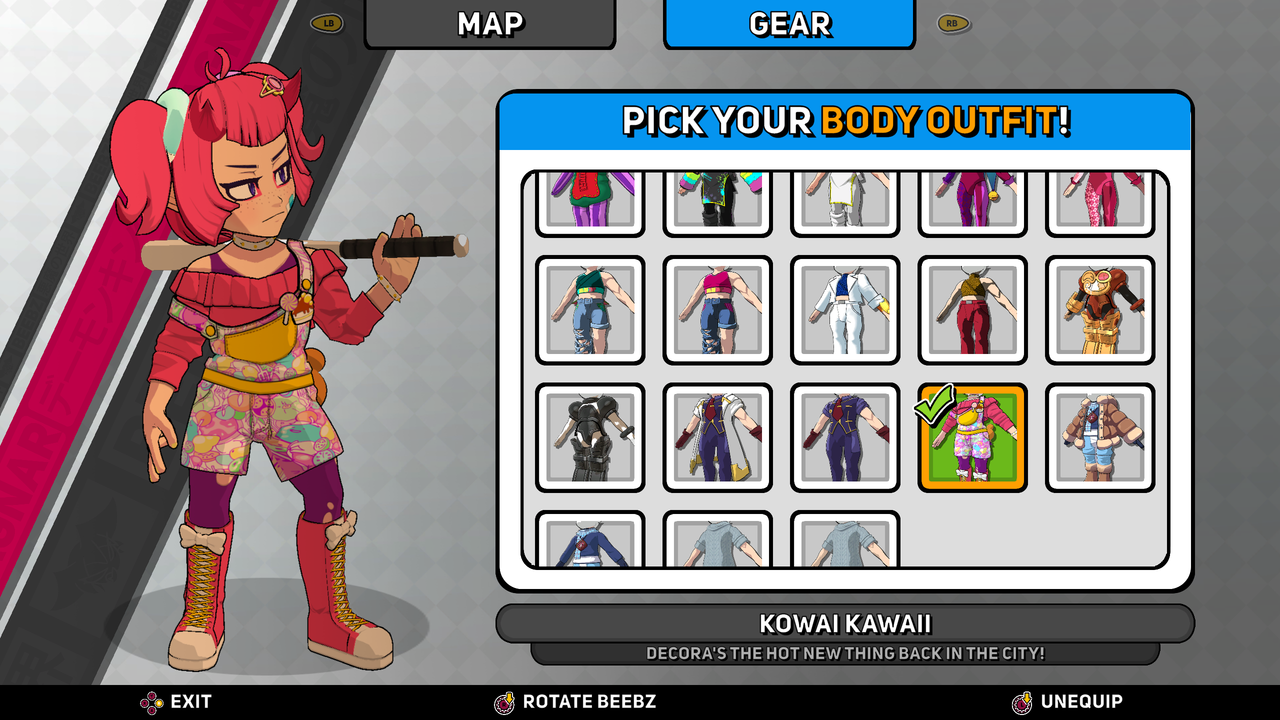
Visually, Demon Tides marks a significant evolution from Demon Turf. The art style is vibrant and charming, with great character designs that pop against colorful environments and striking skyboxes. It has a 2000s video game aesthetic in the best ways. Graphically, it’s not the most cutting-edge, but the overall aesthetic works wonderfully. Beebz herself is the crown jewel of the design. I love her design so much that unlocking new outfits and costumes became my primary motivation over gameplay rewards. Fabraz has a fantastic sense for fashion, and I still constantly switch between outfit options.
The love and attention Fabraz put into Beebz makes her even more fun to play with. She has different idle animations depending on her outfit, and she’ll lean against walls if you idle near them. Every treasure chest unlock triggers unique poses that capture her personality perfectly. Her hairstyle and hair color are also customizable.
The presentation isn’t without its rough spots, though. The camera struggles when entering buildings, occasionally clipping through floors or hovering awkwardly above characters during dialogue. Thankfully, these issues rarely pop up during actual platforming. More frustrating were framerate drops on a few second-area islands—performance issues that felt disproportionate to the game’s visual demands. Lowering settings fixed it, though it didn’t feel justified.
The soundtrack, however, is an absolute standout. It feels like a 2000s video game OST, with a smorgasbord of genres melding together perfectly. The hip-hop tracks are among my favorites, especially the Gearserker boss fight music. As you damage these mechanical monsters, the music dynamically amps up, and once it’s down to its last hit, rap vocals kick in. It’s the most hype shit ever. The tropical tracks are soothing, and the challenge-level music never gets old. The vibes are always vibing with this soundtrack.
Narrative — A Surprisingly Great Component
- Demon Tides story is surprisingly dark, featuring engaging characters and deep themes.
- The world-building present also is a standout, adding layers to the cast in both Demon Tides and Demons Turf.
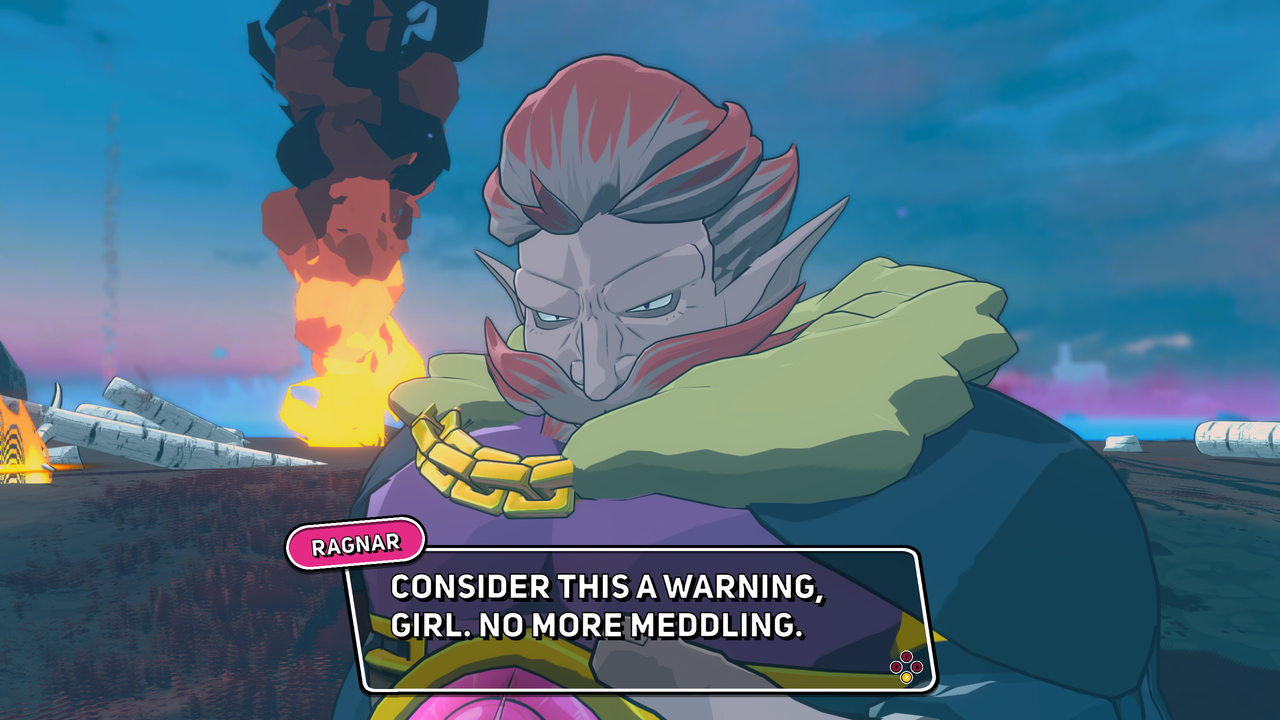
Demon Tides‘ story is surprisingly dark despite the cutesy art style. Shortly after conquering the Demon Turfs and becoming Queen, Beebz receives a letter from Ragnar, King of Ragnar’s Rock, who claims to be her father. She and her friends—Luci, Midgi, and DK—set out to meet him, only to find a kingdom in absolute chaos. Villagers are starving, homes lie destroyed, and a tyrannical King sits in a floating eye that constantly watches the Lokians’ every move. All Lokians wear masks to hide their faces—a haunting visual that really underscores the oppression.
Ragnar abandoned his kingdom after leading the conquest to obtain it. Rebellions formed, but his three heinous generals swiftly crushed them, leaving burning villages and corpses in their wake. Jester experiments to create power crystals, unleashing toxic goo that pollutes the towns and causes anomalies. Tridentarius builds Gearserkers—machines of war. Roc hunts rebels relentlessly, razing entire towns on mere suspicion.
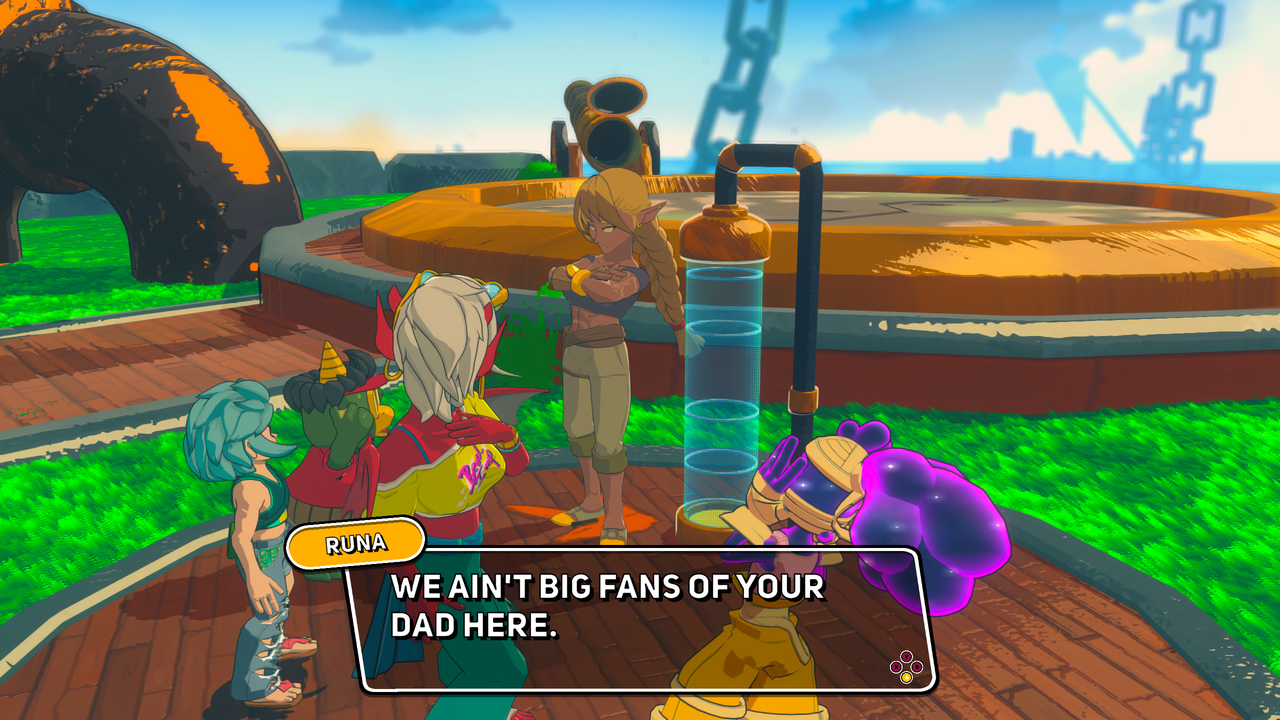
Beebz joins the rebellion alongside Runa, its tough leader, to stop her father. The narrative tackles heavy themes here—learning about her father’s atrocities has Beebz questioning if conquest was in her DNA. Is she just like him? This internal conflict adds real emotional depth to what could have been a simple platforming adventure.
The world-building is what I found most intriguing. There’s extensive lore that even fleshes out the relatively simple Demon Turf. You can find memories of Ragnar’s backstory scattered throughout the open world (Breath of the Wild style), revealing who he used to be. There’s a very weird element to this backstory that I won’t spoil, but it adds compelling layers to both characters. The game even explores racial tensions between Kappernians and Lokians following a past war.
Dialogue & Characters — Come for the Gameplay, Stay for the Great Cast
- The dialogue for the entire cast is genuinely well-written, being hilarious and heartfelt.
- The inconsistency of Demon’s Tides’ voice acting makes it disappointing, utilizing partial voice acting.

The dialogue is genuinely well-written—hilarious and heartfelt in equal measure. Characters from the main cast to minor NPCs have a ton of personality, even when it’s a copy-paste designed Lokian villager. Mint is amongst my favorite characters. He builds challenge levels throughout the world, and completing them earns prizes. He has some of the wackiest and sometimes most terrifying dialogue in the game—he’s completely unhinged, and every interaction between him and Beebz is a highlight.
The main crew featuring Luci, Midgi, and DK is easy to fall in love with, even if you haven’t played Demon Turf. You can feel their anime-esque unbreakable friendship in every interaction. They’re with you every step of the journey: Luci mans the clothing shop while Midgi and DK handle the Talisman shop, and they’ll leave the Floating Fashionista (your hub ship) when you encounter certain story-specific islands.
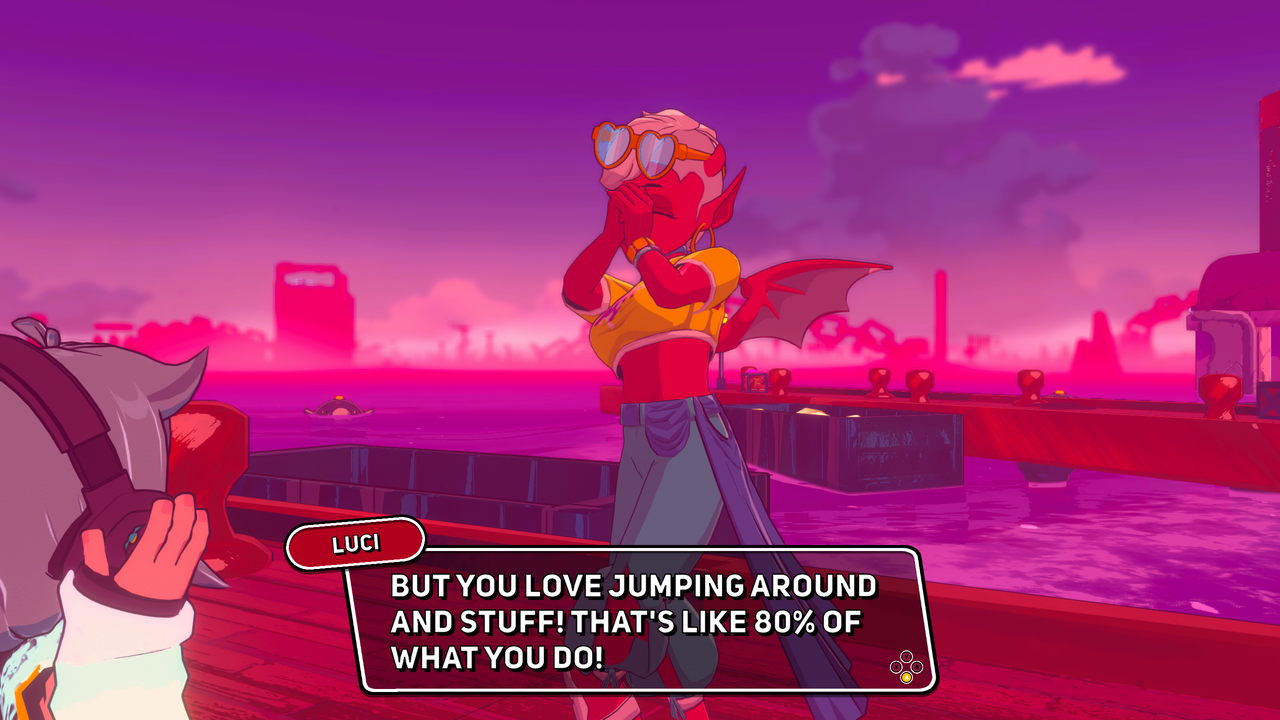
My main gripe with the narrative presentation is the lack of voiced dialogue in cutscenes. Beebz’s voice actor is a huge improvement over Demon Turf, and I would’ve loved to hear more beyond one-liners. Most NPCs, even recurring characters like Mint, don’t have voices at all. The inconsistency is what makes it disappointing—having partial voice acting is actually more jarring than having none at all. When you hear Beebz speak occasionally, you expect other characters to follow suit, and when they don’t, it creates an unfulfilled expectation. Combined with cutscenes that are decent but feel constrained, the storytelling presentation doesn’t quite match the quality of the writing itself.
Gameplay — Mechanics & Movement
- Demon Tides is the most satisfying 3D platformer I’ve ever played, featuring an intricate moveset that makes overall movement feel less like a traditional 3D platformer and more like pulling off a flawless string of moves in a fighting game like Tekken.
Mechanically, Demon Tides is the most satisfying 3D platformer I’ve ever played. What sets it apart is Beebz’s intricate moveset—one of the most robust in the genre. Chaining Beebz’s demanding movement combos feels less like platforming and more like pulling off a flawless string of moves in Tekken. This complexity transforms Demon Tides into a speedrunner’s paradise with near-infinite possibilities for creative platforming.
Instead of automatic checkpoints, you create your own by planting a flag in the ground. You’ll respawn there whenever you die, or you can hold up on the d-pad to manually teleport back at any time. The system is simple and unlimited—just don’t forget to plant that flag. I’ve learned this lesson the hard way too many times, missing a jump near the top of a long climb only to respawn all the way back at the start. You can also spawn an arrow that points toward nearby Eyetems or Golden Gear Pieces, which helps guide exploration without being overly hand-holdy.
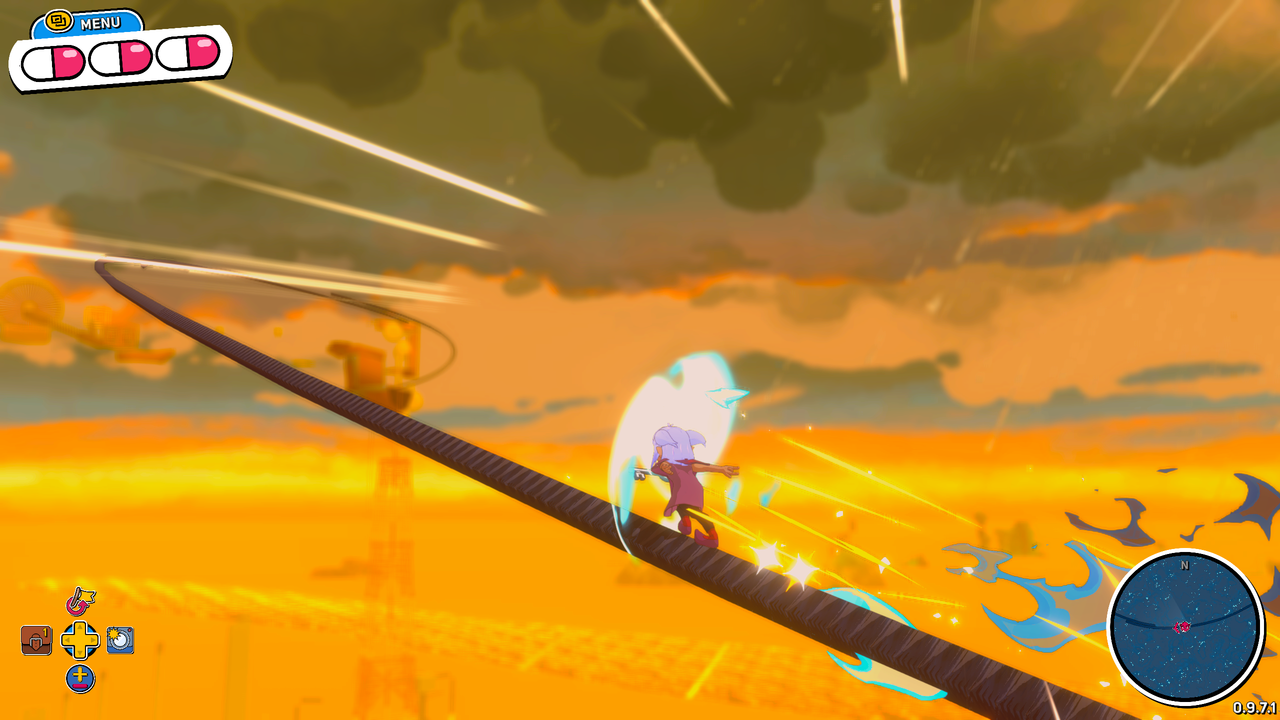
Talismans are absolute game-changers. These collectibles add and modify your moveset—you might gain a paraglider, an extra bat jump, or change visual aspects like giving Beebz her 2D look from Demon Turf or making the world appear as pixel art. They can fundamentally alter how you tackle a level and add endless possibilities to speedrunning tactics. They’re not necessary to complete the game, but they’re incredibly fun to experiment with, encouraging creative problem-solving and personal expression.
The movement feels like a dream. Even if you’re not chasing world records, the mechanics invite constant experimentation and stylish play, making every platforming section feel like a sandbox of possibilities. This mechanical complexity may make the experience less welcoming to beginners, though, which is kind of the antithesis of a genre traditionally celebrated for accessibility.
Gameplay, Part 2 — Level & Open World Design
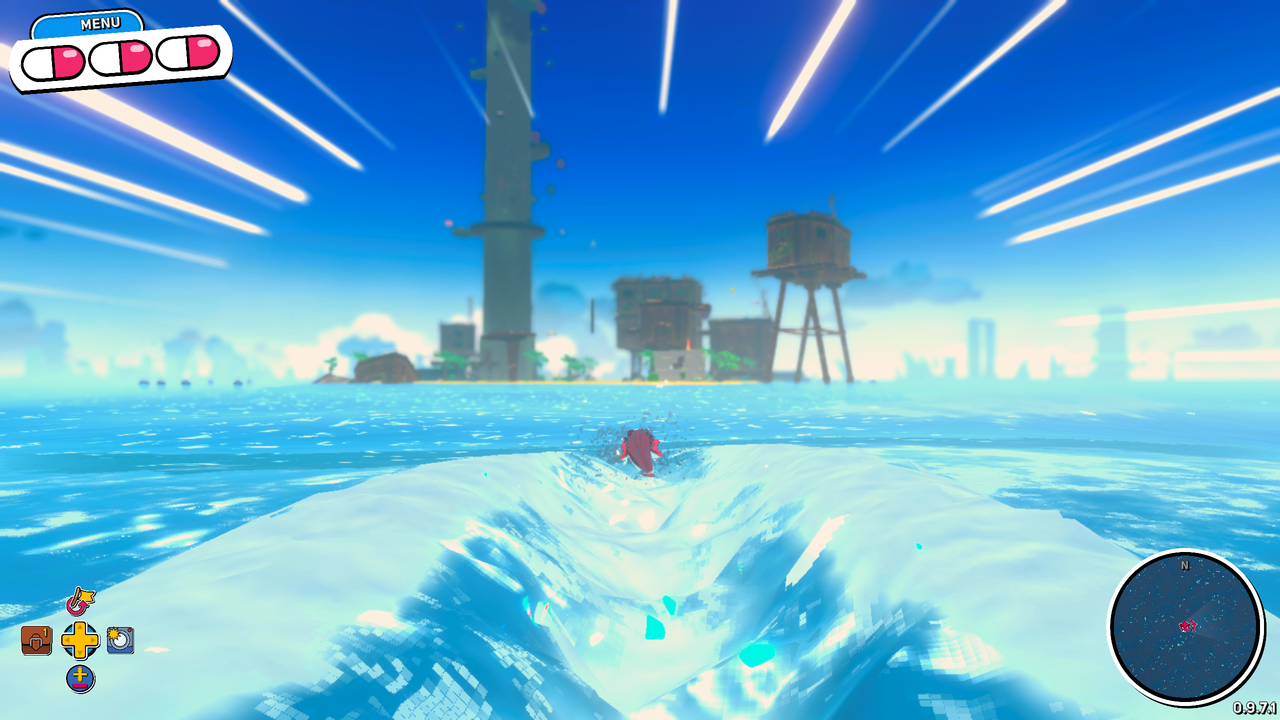
The level design in Demon Tides is awesome with lots of unique elements that prevent areas from feeling repetitive. Some levels are insanely unique—Dunkelwald is a horror-themed island filled with creepy NPCs and invisible platforms. Giant’s Fire is an island constructed around parts of a giant robot defeated during Ragnar’s conquest years ago. The variety keeps the 30+ hour experience fresh from start to finish.
The game features both big levels with multiple chests and Golden Gears to collect, and smaller levels that present a single challenge or just a few Eyetems alongside some world-building elements. Demon Tides makes exploring every island, outpost, or ship worthwhile—there’s always something meaningful to discover.
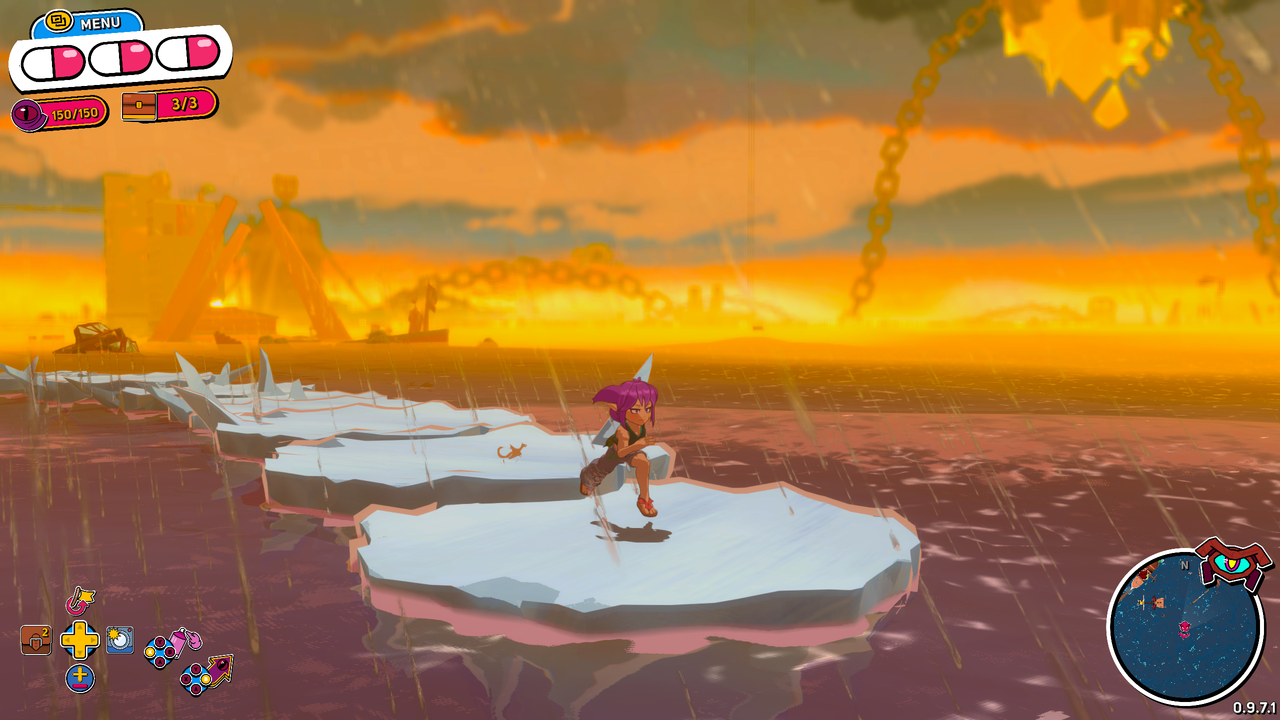
The open world works as a culmination of separate levels that you can swim between using Beebz’s speedy snake form. While exploring the high seas, you’ll encounter some activities like random race rings that pop up and reward Eyetems for jumping through them or seagulls that will fly alongside you on your journey. Nothing in the open ocean is game-changing, but it’s a cool way to bypass a traditional level select screen and makes traversal feel organic.
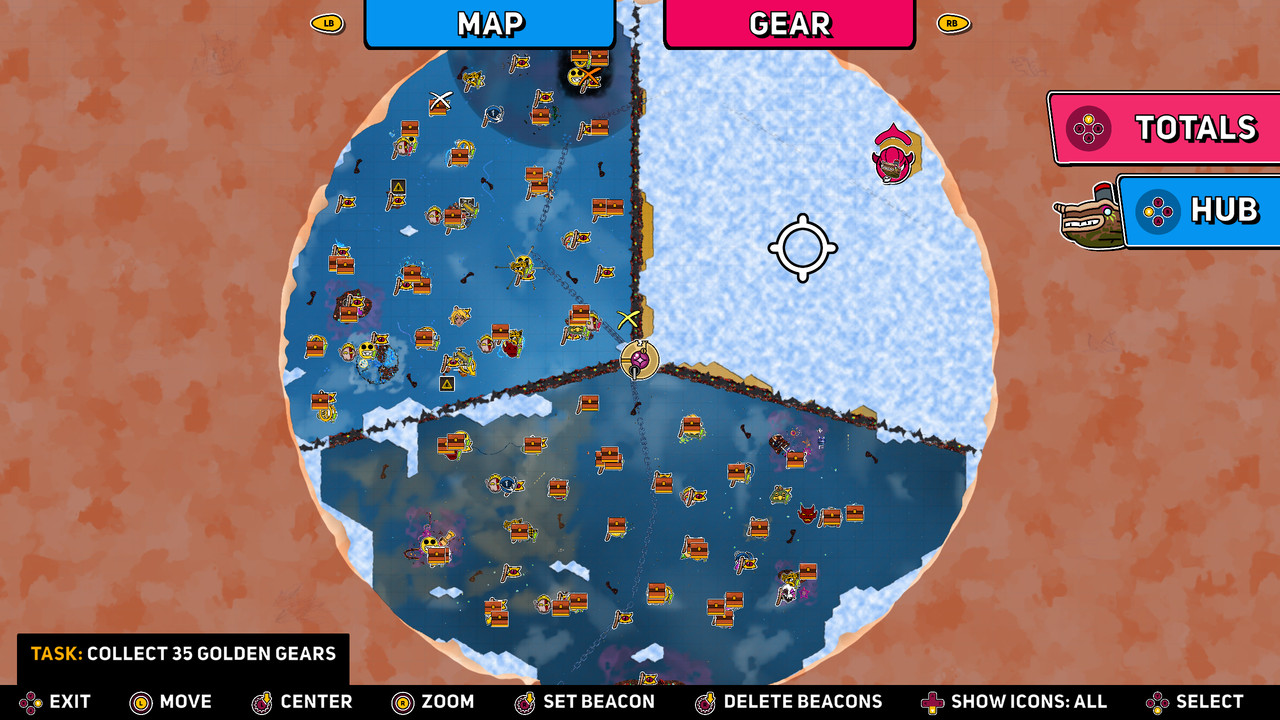
The gameplay loop is addictive: explore islands, crack open chests to score rewards like outfits and gameplay-altering Talismans, earn currency for shops, and unlock the speedrunning challenge. Once you’ve completed an island’s objectives, a time trial mode activates, pitting you against a worldwide leaderboard. This replayability, driven by stellar mechanics and open-ended design, is off the charts.
Gameplay, Part 3 — Speedrunning, Combat & More
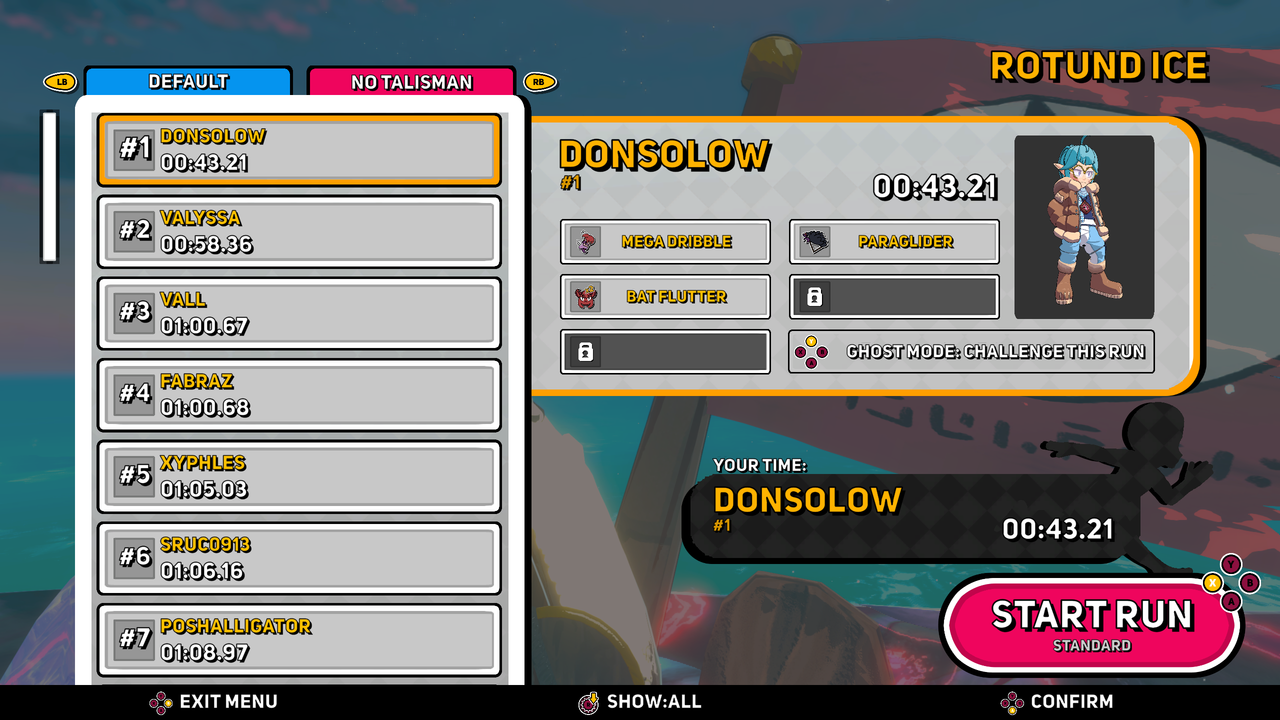
Speedrunning in Demon Tides is an addictive experience. Racing against ghosts to improve your times becomes a full side game in itself. The speedrunning is so accessible and melded into the experience so seamlessly that it’s hard not to get into it. The open design of levels really drives home the “expressive 3D platformer” moniker that Fabraz has tagged for the game. You’re encouraged to find your own path, your own solutions, and your own style of play, chaining Beebz’s Lokian Form, Bat Form, and Snake Form movesets. Talismans make speedrunning even more unpredictable, adding a layer of insane experimentation and replayability.
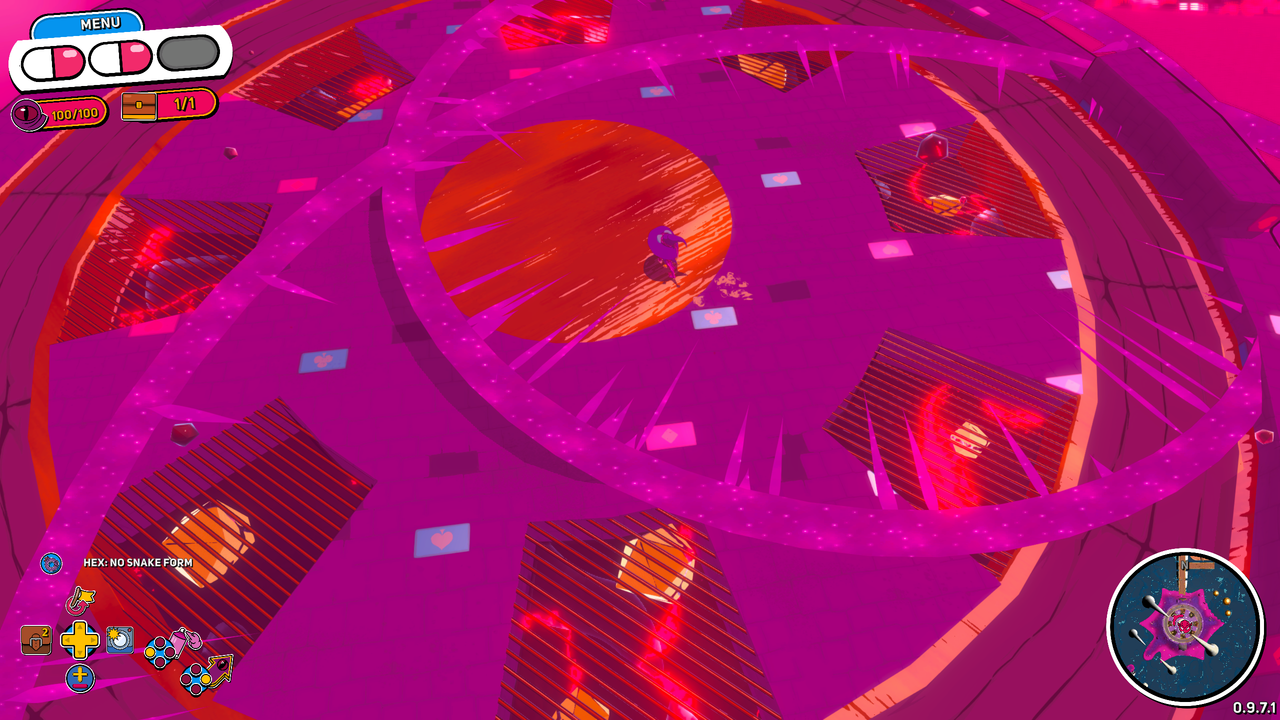
Boss battles are a lot of fun from start to finish. Gearserkers act as mini-bosses scattered throughout the world—think Breath of the Wild’s Challenge of Strength Shrines. Your boost movement abilities double as combat mechanics and they have a satisfying impact when taking out enemies or even launching boxes around. The real highlights are Ragnar’s three Generals, each bringing completely unique boss fight mechanics that feel distinct from one another. The difficulty strikes a great balance: challenging enough to feel rewarding when you win, but never crossing into frustration territory.
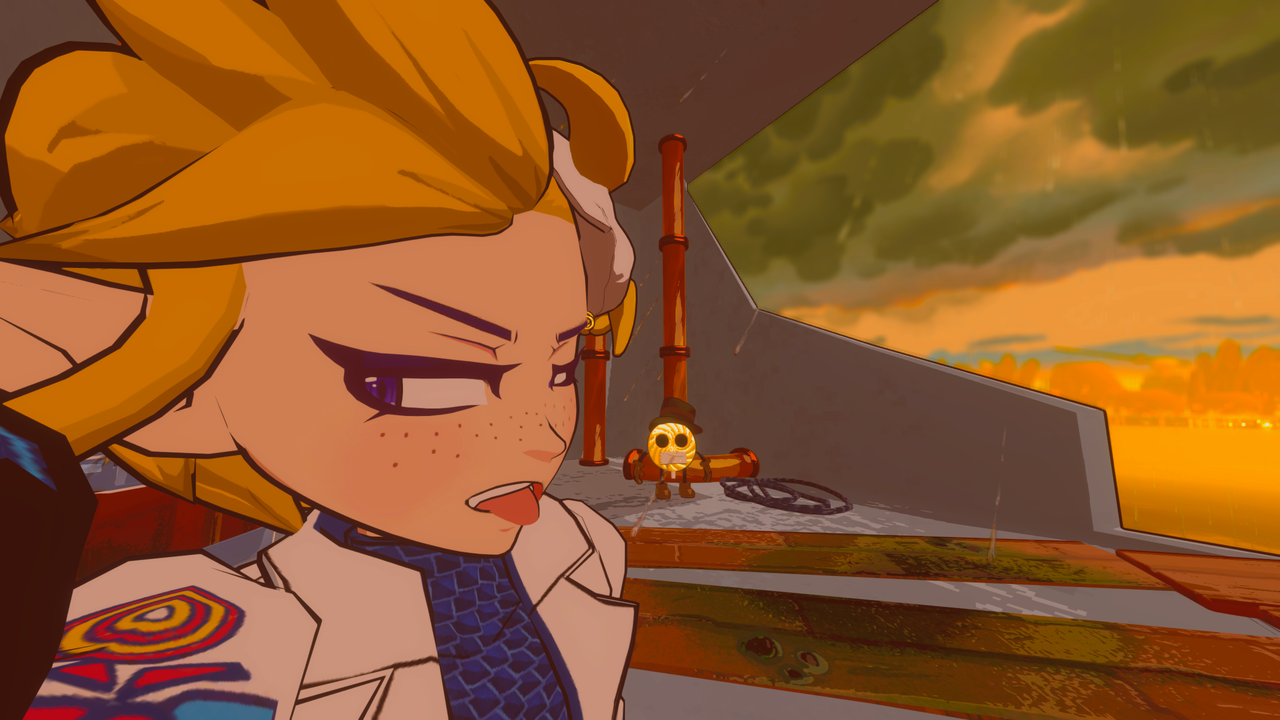
Demon Tides isn’t just mechanically rich—it has awesome features that enhance the experience. The graffiti tagging system works much like Dark Souls messages, allowing players to communicate with each other through art. There’s a fun photo mode with selfies and different facial expressions. There are unique puzzles and challenges thrown in to mix things up, such as drone racing, because “why not?”
Accessibility
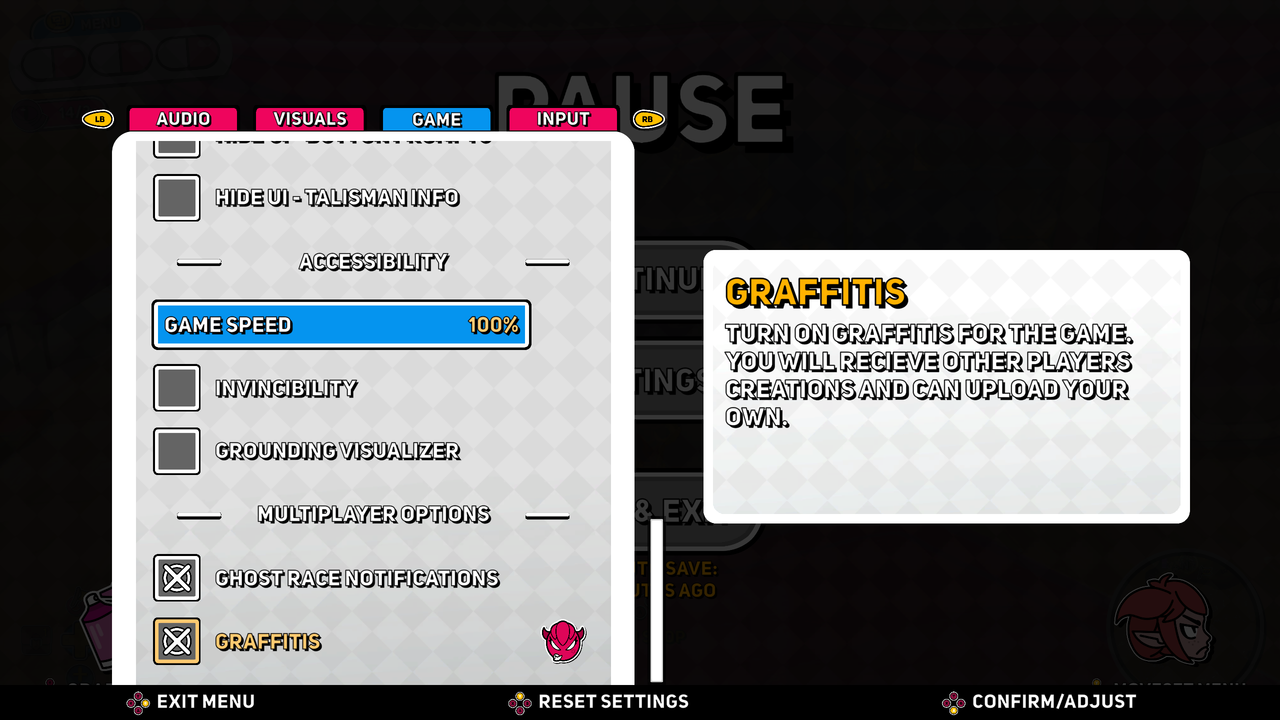
Demon Tides includes thoughtful accessibility options that help players of varying skill levels enjoy the experience. You can remove UI elements for a cleaner visual experience, toggle invincibility for those who want to focus on exploration without the challenge, and use a grounding visualizer that adds a dotted line below Beebz while airborne to help judge her placement in 3D space.
The game also offers complete keybinding customization, allowing players to tailor controls to their preferences. While these options don’t completely address the mechanical complexity that might intimidate newcomers to 3D platformers, they show Fabraz’s commitment to making Demon Tides as accessible as possible without compromising the core design philosophy.
Conclusion — A Must-play 3D Platforming Adventure
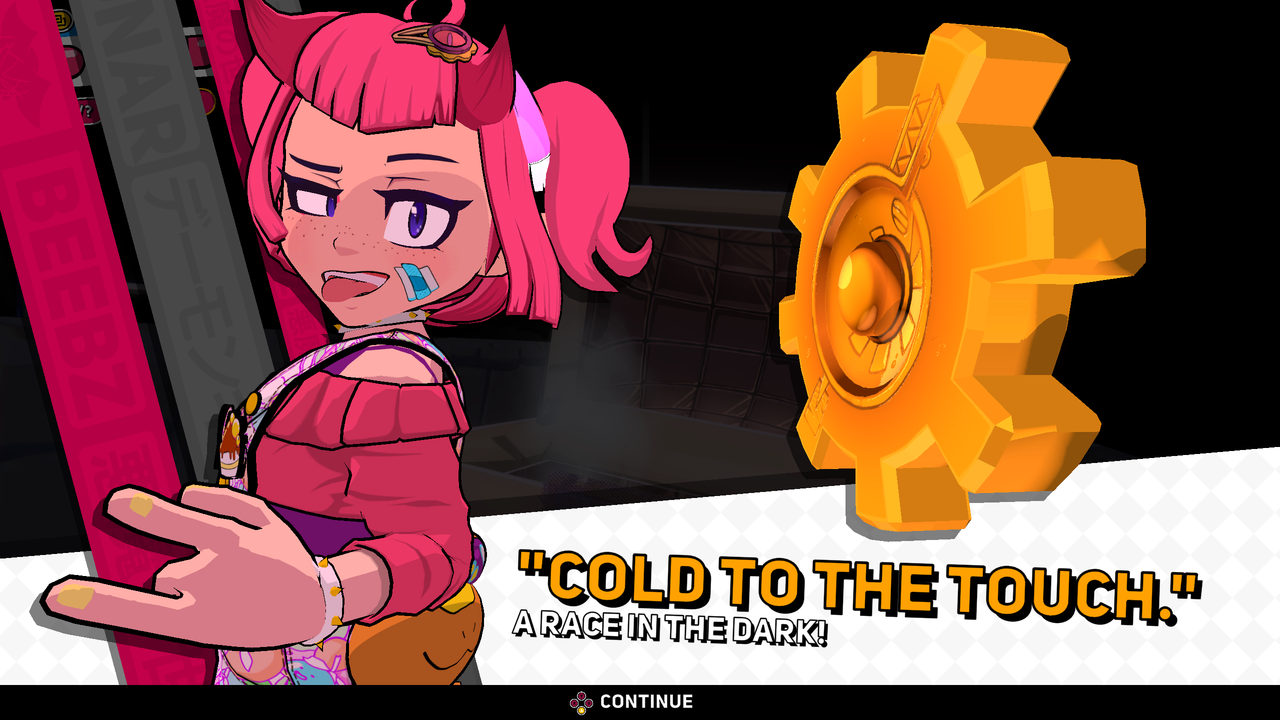
Demon Tides is a triumph—an ambitious 3D platformer that not only meets but exceeds the high bar set by genre legends. The movement mechanics are mechanically satisfying in a way that rewards skill and creativity, the level design stays fresh across dozens of hours, and the surprisingly dark narrative unfolds through well-written dialogue and memorable characters. The soundtrack perfectly captures the tropical adventure vibe while delivering genuinely hype moments. Features like Talismans add insane depth to the gameplay, the speedrunning integration is seamless and offers near-infinite replayability, and additions like graffiti tagging and photo mode add community and personalization that fit right in. It lacks polish in some areas, such as performance in certain areas and sporadic voice acting, but that’s a trade-off I’ll gladly accept for a game this mechanically deep and content-rich.
This is Fabraz’s magnum opus, a game that legitimately pushes the genre forward and establishes the studio as a serious force in the indie space. This is now my frontrunner for 2026’s Game of the Year and could give a potential next-gen 3D Mario a run for its money. For fans of 3D platformers hungry for the freedom and creativity that defined Super Mario 64, Sunshine, and Odyssey, Demon Tides is an essential experience. This is the new Queen of 3D platformers, and her reign has only just begun.
Final Score: 9.5/10
Pros:
- Most satisfying 3D platformer mechanics I’ve ever played
- Phenomenal level design featuring unique, creative environments
- Excellent speedrunning integration with ghost racing
- Game-changing Talismans that fundamentally alter playstyles
- Surprisingly dark, well-written narrative with memorable characters
- Outstanding soundtrack that perfectly captures the adventure
- Tons of content with meaningful exploration rewards
- Fantastic character customization with great outfit designs
- Thoughtful features like graffiti tagging and photo mode
- Nice accessibility options, including invincibility and grounding visualizer
Cons:
- Camera struggles in buildings and during dialogue sequences
- Inconsistent voice acting; present but not comprehensive enough
- Cutscene presentation feels constrained
- Performance issues on certain islands
A game key was provided by Fabraz for this review.
