
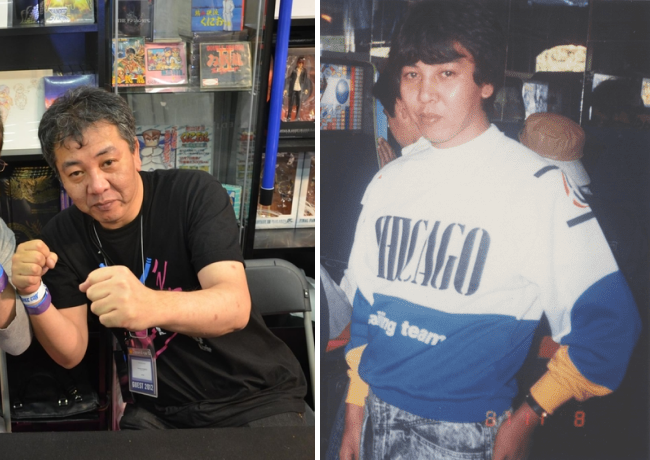
Who Was Yoshihisa Kishimoto?
The gaming world lost one of its most foundational creators this week. Yoshihisa Kishimoto, the man widely regarded as the grandfather of the beat ’em up genre, passed away on April 2, 2026. His son, Ryūbō, confirmed the news, sharing a heartfelt message asking fans to continue enjoying his father’s work. He was 64 years old.
For anyone who ever dropped a quarter into an arcade cabinet to throw punches alongside a friend, or picked up a controller on a Saturday morning to brawl through gangs of ridiculous street thugs on the NES, Kishimoto’s fingerprints are all over your fondest memories. His contributions didn’t just shape a genre—they built the blueprint that countless developers would follow for decades.
From Street Fights to Arcade Legends
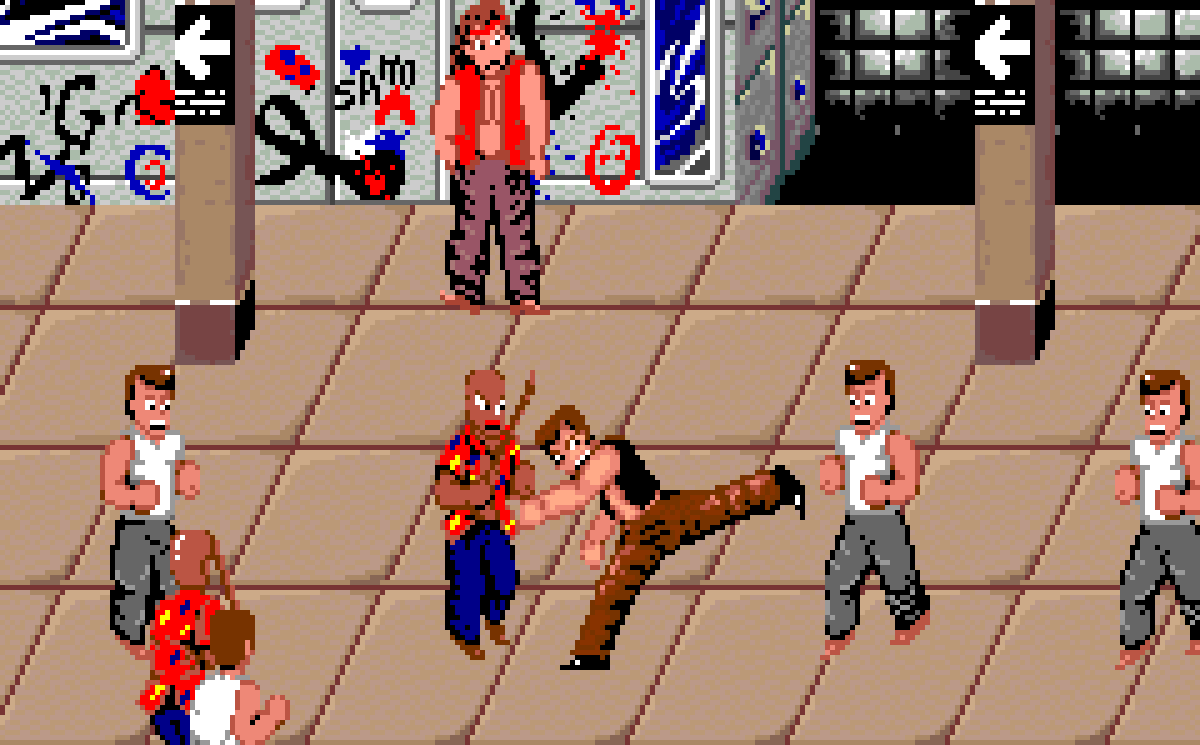
- Kishimoto’s teenage street fights directly inspired the creation of Nekketsu Kōha Kunio-kun, known in the West as Renegade
- Double Dragon launched in 1987 and became one of the most iconic arcade games of all time, blending Western street culture with Eastern martial arts
- The franchise expanded into sequels, comics, toys, an animated series, and a Hollywood film
Kishimoto’s path into game design started at Data East in the early 1980s, where he worked on arcade laserdisc titles like Cobra Command and Road Blaster. But it was his move to Technos Japan that changed everything. Drawing directly from his own experiences as a teenager who frequently got into fights during high school, Kishimoto channeled that raw, scrappy energy into Nekketsu Kōha Kunio-kun—released in the West as Renegade in 1986. The game introduced a street-level brawling intensity that arcade floors hadn’t seen before, and it laid the groundwork for what was coming next.
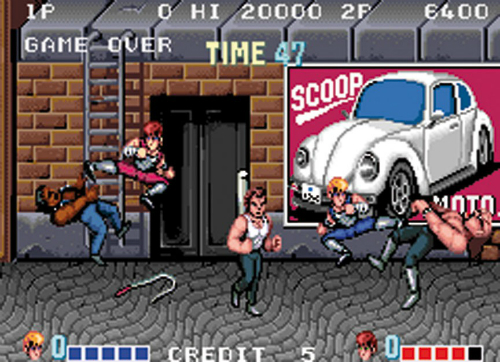
What came next, of course, was Double Dragon. Released in 1987, it didn’t just become one of the most iconic arcade games ever made—it fundamentally redefined what cooperative gaming could look like. Billy and Jimmy Lee, two martial artists inspired by Bruce Lee films (particularly Enter the Dragon, reportedly Kishimoto’s favorite), became instant icons. The game’s blend of Western street gang culture with Eastern martial arts action was one of the first examples of that particular cultural fusion in entertainment media, and it resonated globally.
True Innovation: River City Ransom
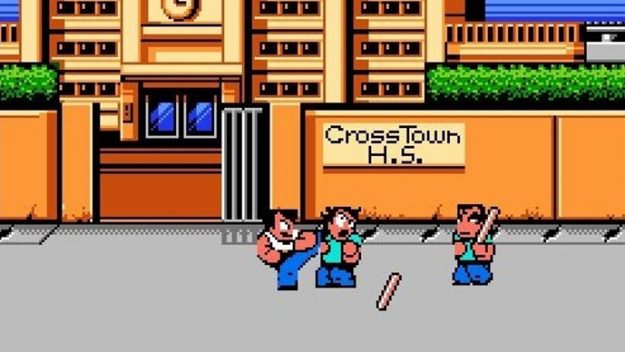
- River City Ransom (1989) fused beat ’em up combat with RPG mechanics and open-world exploration
- The game featured stat progression, shop systems, and learnable fighting techniques years before those ideas became mainstream
- Though not an initial commercial hit in the West, RCR built one of gaming’s most devoted cult followings
While Double Dragon earned the mainstream fame, it’s arguably the Kunio-kun franchise—and especially River City Ransom—where Kishimoto’s creative vision was at its most daring and forward-thinking.
Released in 1989 on the NES as Downtown Nekketsu Monogatari in Japan, River City Ransom took the brawler formula Kishimoto helped establish and did something nobody expected: it fused it with RPG mechanics and an open-world structure. Players explored an interconnected map, earned money from defeated enemies, visited shops to buy stat-boosting food, and purchased books to learn new fighting techniques. It was a beat ’em up that asked you to think about character progression, resource management, and exploration—concepts that were revolutionary for the genre in 1989.
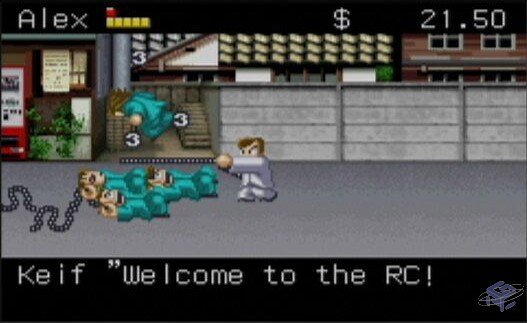
The game’s charm was infectious, too. Gang names like “The Generic Dudes” and “The Frat Guys,” enemies who shouted “BARF!” upon defeat, and a quirky localization that leaned fully into its absurdity gave River City Ransom a personality that made it impossible to forget. It wasn’t a massive commercial hit in the West, but it built a devoted cult following, and its influence only grew with time. When you see RPG mechanics woven into modern action games—stat upgrades, open-world exploration, and skill systems layered on top of satisfying combat—you’re looking at ideas River City Ransom was experimenting with over 35 years ago
A Cultural Legacy
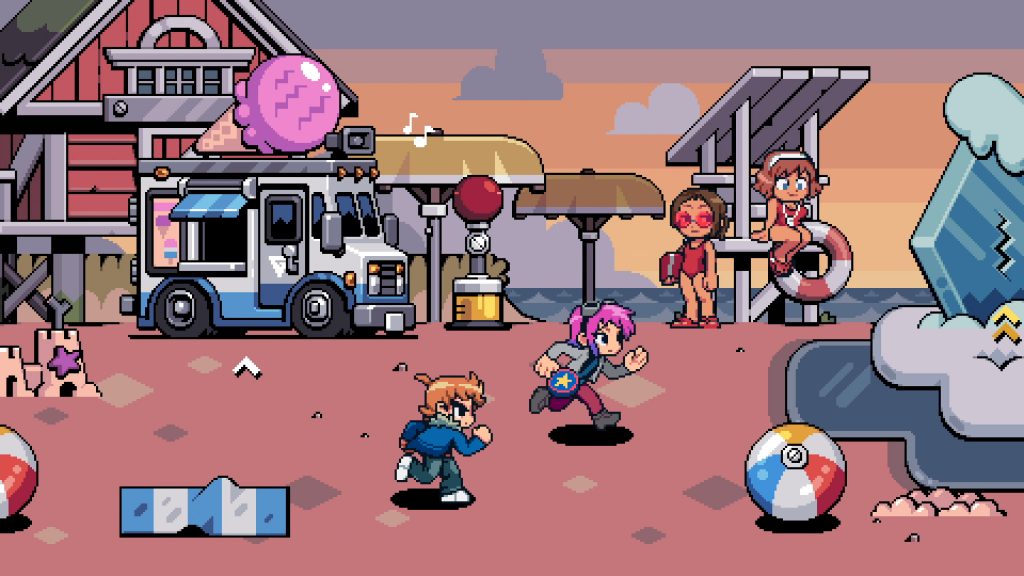
- Bryan Lee O’Malley has cited River City Ransom as one of his all-time favorite games and a direct influence on the Scott Pilgrim graphic novels
- Both Scott Pilgrim vs. the World: The Game and Scott Pilgrim EX are built on RCR‘s blueprint
- The Kunio-kun franchise also expanded into sports games, spin-offs, and dozens of Japanese-exclusive installments
Perhaps no single property better illustrates how deeply River City Ransom embedded itself into pop culture than Scott Pilgrim. Bryan Lee O’Malley’s graphic novel series wore its RCR influence proudly: Scott’s flashback fight through Benvie Tech High School is essentially an RCR homage, Gideon has similarities to the final boss, Simon, and Crash ‘n’ the Boys is a band named after the spinoff.
That love letter extended directly into the games. Scott Pilgrim vs. the World: The Game (2010) was built on River City Ransom‘s template. Players fought through stages, earned money from defeated enemies, and spent it in shops to boost stats. It became a cult classic in its own right, elevated by Paul Robertson’s pixel art and Anamanaguchi’s iconic chiptune soundtrack. When the game was delisted in 2014, years of fan outcry eventually brought it back in 2021, only cementing its legacy further. Then in March 2026, Tribute Games released Scott Pilgrim EX, which leaned even harder into the River City Ransom DNA with open-world exploration, stat-boosting shops, and quest-driven progression, all tracing directly back to ideas Kishimoto pioneered in 1989.
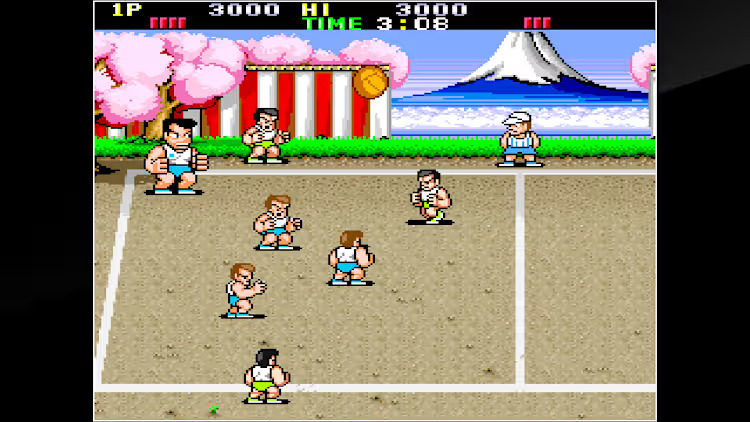
The broader Kunio-kun franchise expanded far beyond River City Ransom, too. From Super Dodge Ball to Crash ‘n’ the Boys: Street Challenge to numerous Japanese-exclusive installments, Kishimoto’s scrappy high school delinquent became Technos Japan’s mascot and the star of one of the most varied series in the company’s history.
Kishimoto’s Works Continue to Thrive

- Kishimoto founded Plophet Co., Ltd. and served as creative consultant on Double Dragon Neon and River City Ransom: Underground
- Arc System Works acquired Technos Japan’s assets and continued both the Double Dragon and Kunio-kun franchises
- The River City Girls series by WayForward became a standout modern successor to the franchise Kishimoto built
After Technos Japan closed its doors in the 1990s, Kishimoto continued working as a freelance designer under the trade name Plophet, eventually founding Plophet Co., Ltd. in 2010. He stayed connected to the franchises he created, serving as a creative consultant on projects like Double Dragon Neon in 2012 and River City Ransom: Underground. The fact that he remained involved speaks volumes about how personally invested he was in these worlds and characters.
Meanwhile, the Kunio-kun and River City legacy has been carried forward by Arc System Works, which acquired Technos Japan’s assets. The River City Girls series, developed by WayForward, became a standout modern successor—delivering the colorful personality, rewarding progression systems, and satisfying combat that defined the franchise Kishimoto built. The Double Dragon & Kunio-kun Retro Brawler Bundle brought a treasure trove of classic titles to modern platforms, ensuring new generations could experience where it all began.
Thank You, Kishimoto-san
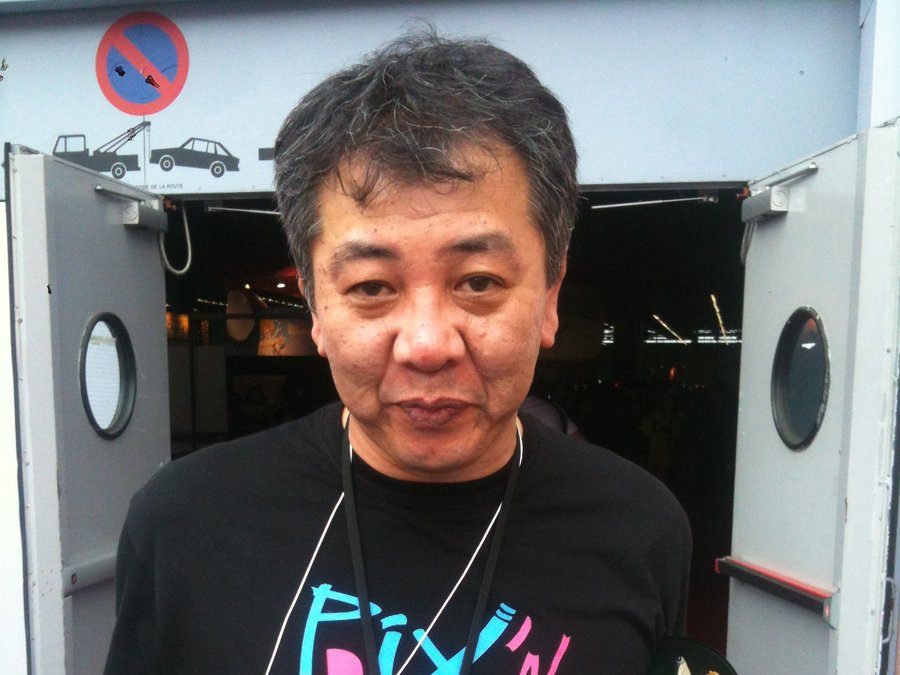
There’s a hidden level in Double Dragon Neon that serves as one of gaming’s more unusual tributes. If you hit the punching bag at the start of Mission 7 exactly 87 times—a nod to 1987, the year the original Double Dragon launched—a chime sounds, and every character on screen is given Yoshihisa Kishimoto’s face. It’s bizarre, hilarious, and exactly the kind of loving absurdity that defines the worlds he created.
Yoshihisa Kishimoto didn’t just make beat ’em ups. He made the beat ’em ups—the ones that told every developer who followed exactly what the genre could be. And with River City Ransom, he looked even further ahead, imagining a version of the brawler that was deeper, weirder, funnier, and more ambitious than anyone thought the genre could handle. He was right. The games industry is still catching up to ideas he had in 1989.
Rest in peace, Kishimoto-san. We will keep enjoying your work.
