
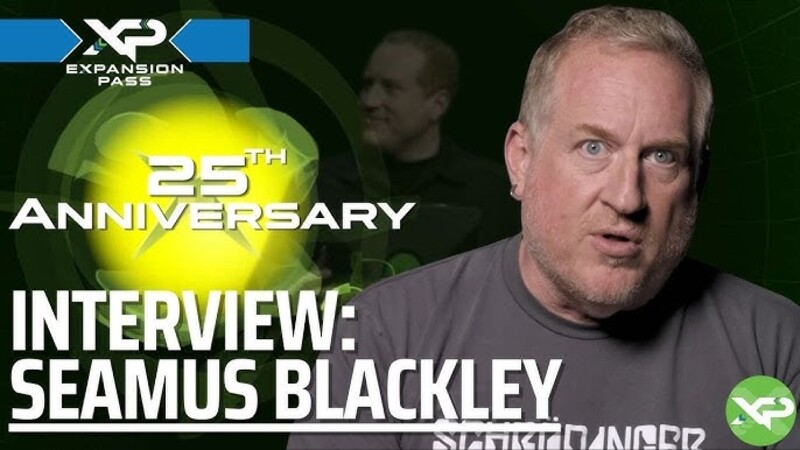
In this Xbox 25th Anniversary Seamus Blackley Interview, conducted by Luke Lohr (Insipid Ghost), Xbox co-creator Seamus Blackley delivers one of the most honest and unfiltered breakdowns of the gaming industry today.
As Xbox celebrates its 25th anniversary, Blackley reflected not only on the platform’s origins but also on the challenges of building it within a company that didn’t initially understand consoles. From internal resistance at Microsoft to the bold decisions that defined the original Xbox, his perspective highlights just how unlikely its success truly was.
More importantly, this conversation wasn’t just about the past. It was about the present and future. With AI dominating corporate strategy and platform identity becoming increasingly blurred, Blackley’s insights offer a rare look at the pressures shaping modern gaming from the inside out.
Key Takeaways
- AI is shaping major corporate decisions, even in gaming hardware.
- Xbox’s identity is being pulled between innovation and corporate priorities.
- Platforms like Steam and Nintendo succeed by putting games first.
- Authenticity, not data, is what drives great games.
- The original Xbox succeeded because the idea was right and the team didn’t quit.
Xbox 25th Anniversary Seamus Blackley Interview: A Vision That Changed Gaming Forever
When the original Xbox launched, it wasn’t just entering the console market. It was attempting to redefine it. At a time when consoles were largely offline, self-contained experiences, Blackley and his team were pushing ideas that felt years ahead of their time. These included:
- Built-in hard drives for persistent storage
- Native online connectivity
- The ability to download content and play with others globally
Internally, many of these ideas were seen as unnecessary risks. The industry itself wasn’t fully ready to embrace them either. Yet, the team believed in a simple concept: gaming was going to become more connected, more dynamic, and more player-driven.
The idea was right, and they stuck with it long enough to make it real.
That belief didn’t just lead to the success of Xbox. It helped legitimize online gaming as a core pillar of the industry. Today, once controversial features are now standard across every platform.
Corporate Reality: AI Is Driving the Industry
The Growing Pressure Behind the Scenes
One of the most striking parts of the interview was Blackley’s candid discussion about artificial intelligence and its growing influence on decision-making at major companies.
“We have other business interests at Microsoft, which is AI, AI, AI, and we have to find ways to
make money off of AI.”
This isn’t just a Microsoft issue. It’s an industry-wide shift. Companies that have invested heavily in AI are now under immense pressure to justify those investments, and that pressure cascades down into every division, including gaming.
“There’s a whole class of investors now that they’ve put that money into AI. They are psychotically
interested in making every single other company they talk to use that AI.”
When Technology Overrides Creativity
This creates a difficult balancing act for developers and platform holders alike. On one hand, there’s a need to innovate and remain competitive. On the other hand, there’s a risk of forcing technology into spaces where it doesn’t naturally belong.
“How do we have a game console, but it has to use all this stuff that we’ve invested in. Gamers
hate AI slop, but it also has to somehow use AI to get blessed inside of Microsoft?”
At its core, this is a philosophical conflict. Gaming has always thrived on creativity, passion, and player-first design. When decisions begin to prioritize shareholder expectations over player experience, that foundation starts to shift.
“You’re going to get a lot of pressure to use AI, right? Whether or not it’s a good idea, nothing
matters. It’s because shareholder value.”
This tension may ultimately define the next era of gaming.
Steam vs Xbox: Why Focus Matters
Blackley’s comparison between Xbox and platforms like Valve Corporation highlights a fundamental truth. That is, success in gaming platforms comes from clarity of purpose.
Steam isn’t trying to be everything. It’s focused on delivering games and supporting the developers who create them.
“I am vastly more excited about Steam than Helix as a gamer from a content standpoint, as I
think everybody would be.”
That excitement stems from consistency. Steam has built its reputation by:
- Prioritizing game availability
- Supporting developers of all sizes
- Continuously evolving its platform based on player needs
“Steam just, those guys are relentlessly focused on cool games. Fundamentally, they have put
games first and they’ve funded games and they’ve funded people.”
This approach creates a positive feedback loop. It allows developers to trust the platform, enables players to invest in it, and allows the ecosystem to continue growing organically.
Nintendo’s Secret: Identity and Trust
If Steam succeeds through openness, Nintendo succeeds through identity.
Nintendo’s strength has always been its willingness to take creative risks while maintaining a clear sense of what its platform represents. Even when those risks don’t fully land, they still contribute to a larger legacy of innovation.
“Everything that comes out of Nintendo’s design department is at least really interesting and cool,
even when it fails.”
That philosophy has allowed Nintendo to build a level of trust that few companies can match.
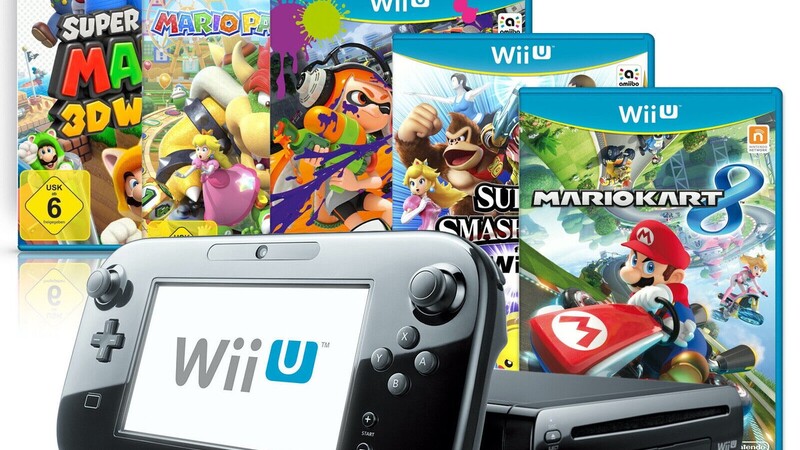
“Even Wii U was interesting and cool. I mean, it was a mess, but it was…”
More importantly, that trust translates directly into player confidence.
“If I buy the new Zelda, I know what I’m getting. I know that it’s going to destroy my life for a week
and I’m not going to be sad about it.”
That kind of expectation isn’t built overnight. It’s the result of years of consistent identity and player-first design.
The Problem with Xbox Today: What Is It?
One of the most thought-provoking parts of the discussion centered on Xbox’s current identity, or lack thereof.
“I don’t know what I’m excited about. I don’t know as a developer what I’m excited about, and I
don’t know as a gamer what I’m excited about.”
That statement speaks volumes. A successful platform needs to communicate a clear value proposition to both players and developers. Without that clarity, even strong technology and services can struggle to resonate.
Concepts like “Helix” may offer technical innovation, but they also raise an important question: What makes this platform essential?
Historically, Xbox answered that question with:
- Exclusive experiences like Halo
- Strong online infrastructure
- A clear identity as a powerful, player-focused console
Today, that messaging feels more fragmented, and the challenge moving forward will be rediscovering that sense of purpose.
The Human Element: Why Xbox Actually Worked
Beyond technology and strategy, Blackley emphasized something far more important. He emphasized the people behind the product. The early Xbox team wasn’t operating under ideal conditions. They were facing:
- Internal skepticism
- Career risk
- Constant uncertainty
Yet they continued pushing forward because they believed in what they were building.
They were dealing with fear, doubt, and the possibility of failure, but they kept going.
That persistence is what ultimately made the difference. Not perfect planning. Not guaranteed success. Just the willingness to endure and adapt. It’s a reminder that behind every major innovation is a group of people willing to take risks others won’t.
Final Thoughts: A Legacy Worth Protecting
As the interview came to a close, Blackley took a moment to reflect on the community that has supported Xbox for the past 25 years.
“Thank you to everybody who has loved Xbox and supported it. It really means something. It’s
amazing to see that people still care about it after all this time.”
That message underscores what Xbox truly represents. It’s not just hardware or services. It’s a legacy shaped by players, developers, and the people who believed in it from the beginning.
As the industry continues to evolve, the challenge for Xbox and gaming as a whole will be maintaining that connection. Technology will change. Business strategies will shift. But the core of gaming has always been about creating experiences that resonate.
If that focus remains, the future is still wide open.
Final Note & Attribution
Special thanks to Luke Lohr (Insipid Ghost) for conducting another outstanding interview and continuing to highlight the voices behind gaming’s most important moments.
