
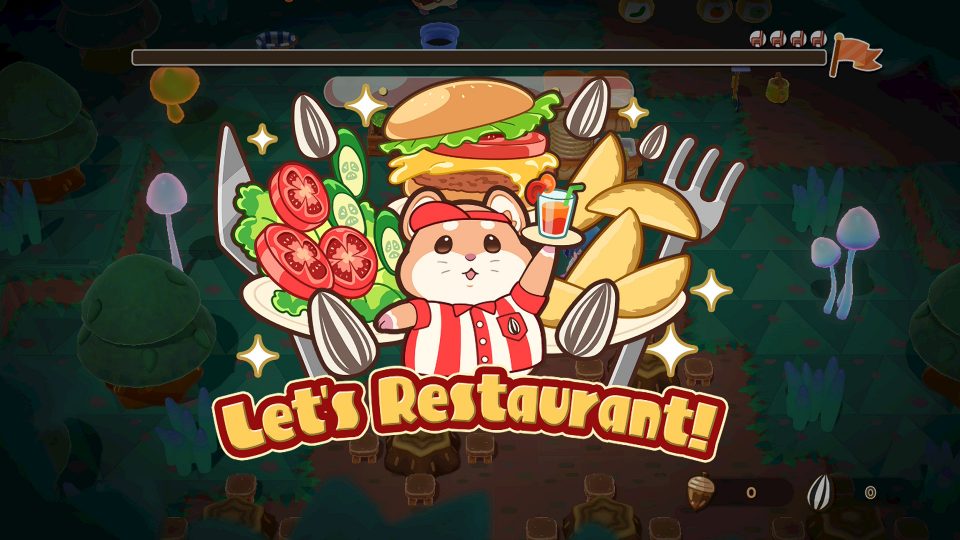
Ripple Island: Kyle and Cal’s Restaurant – An Old Recipe Reimagined
Ripple Island: Kyle and Cal’s Restaurant takes the 1988 Sunsoft classic and reimagines it as a multiplayer cooking game in the vein of Overcooked. While this represents a complete deviation from the original’s gameplay, it’s probably for the best. Although I never played the original, after researching the NES version, the updated approach seems like the right call. However, this remake struggles to find its footing, caught between honoring its retro roots and meeting modern expectations.
Developer & Publisher: Sunsoft
Platforms: Nintendo Switch, Nintendo Switch 2, PC
MSRP & Release Date: $27.99, November 27, 2025
Reviewed On: Nintendo Switch 2
Narrative & Characters
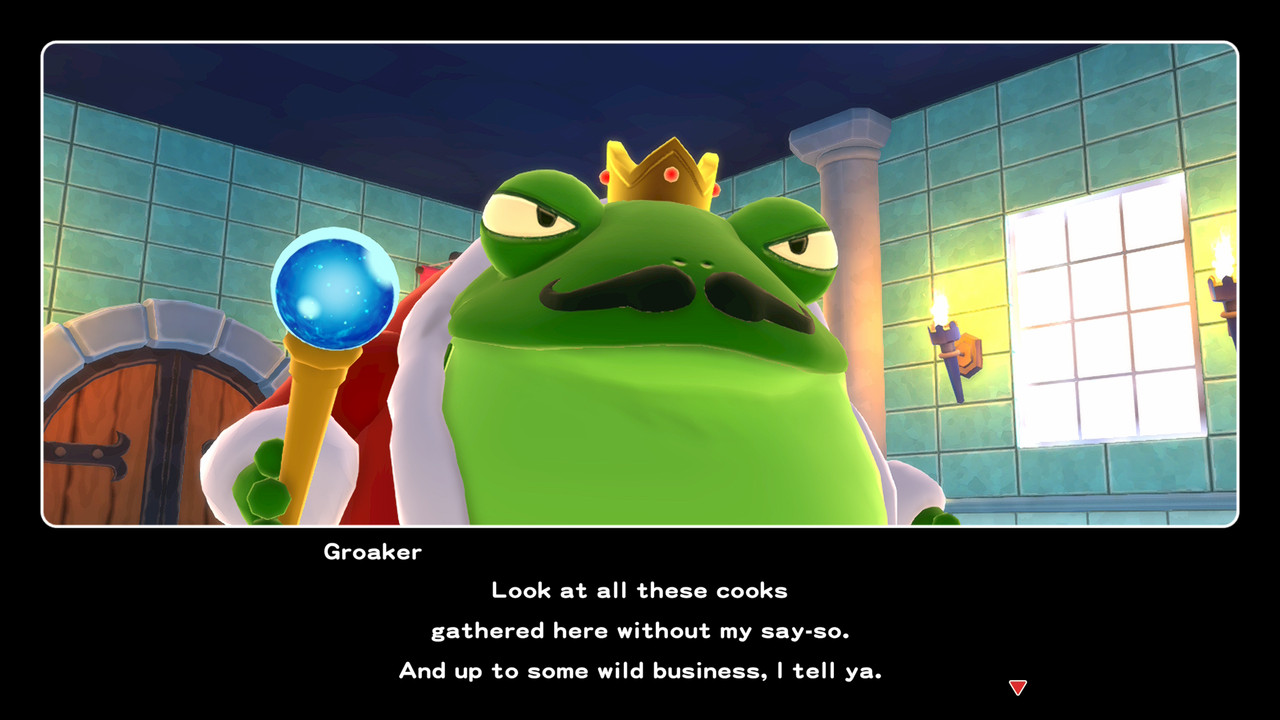
You begin your adventure as Kyle, who hears about a cooking tournament issued by King Dotera and Princess Nasarell. Dreaming of becoming filthy rich, Kyle sets off to enter the competition. After getting lost and running into a temperamental stoat, he meets Cal, a girl who joins him on his quest. Together, they make it to the castle and advance to the final round of the tournament—only for Dark Emperor Groaker, a giant frog king, to crash the festivities, devour all the food, and kidnap the princess. He threatens to eat Princess Nasarell unless the cooks of Ripple Island bring him more tasty food, setting Kyle and Cal on an adventure to save her.
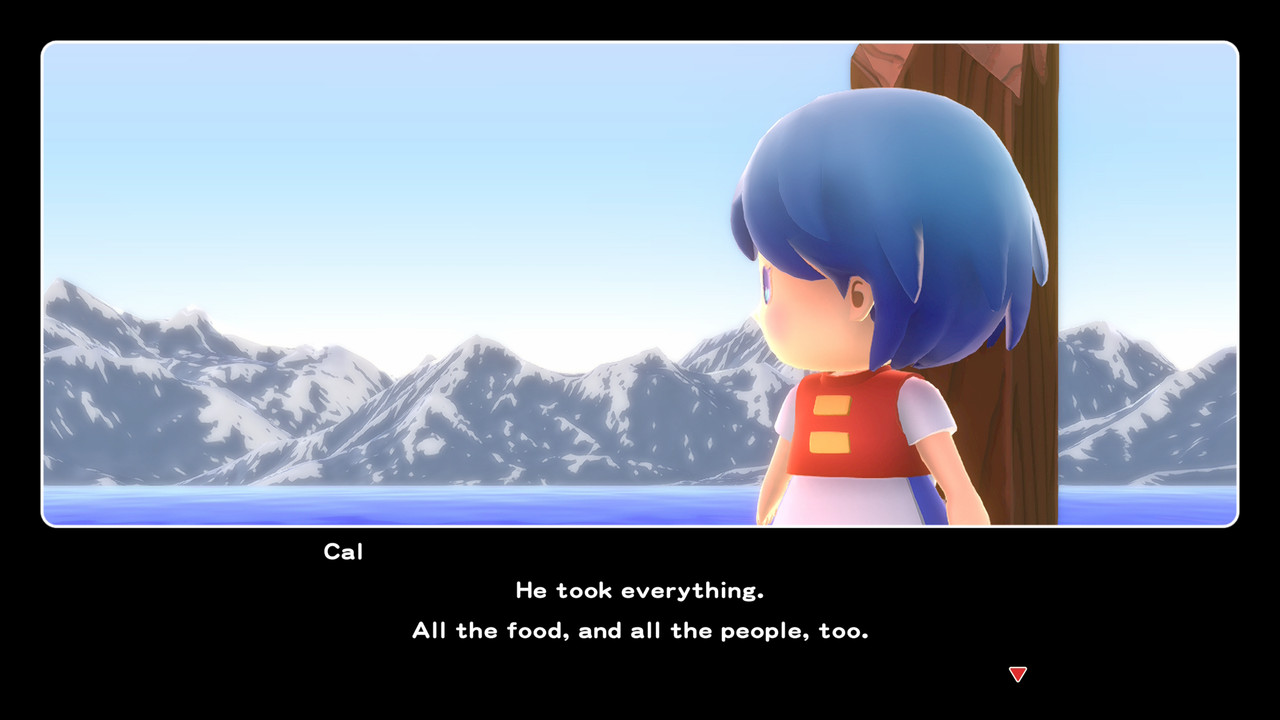
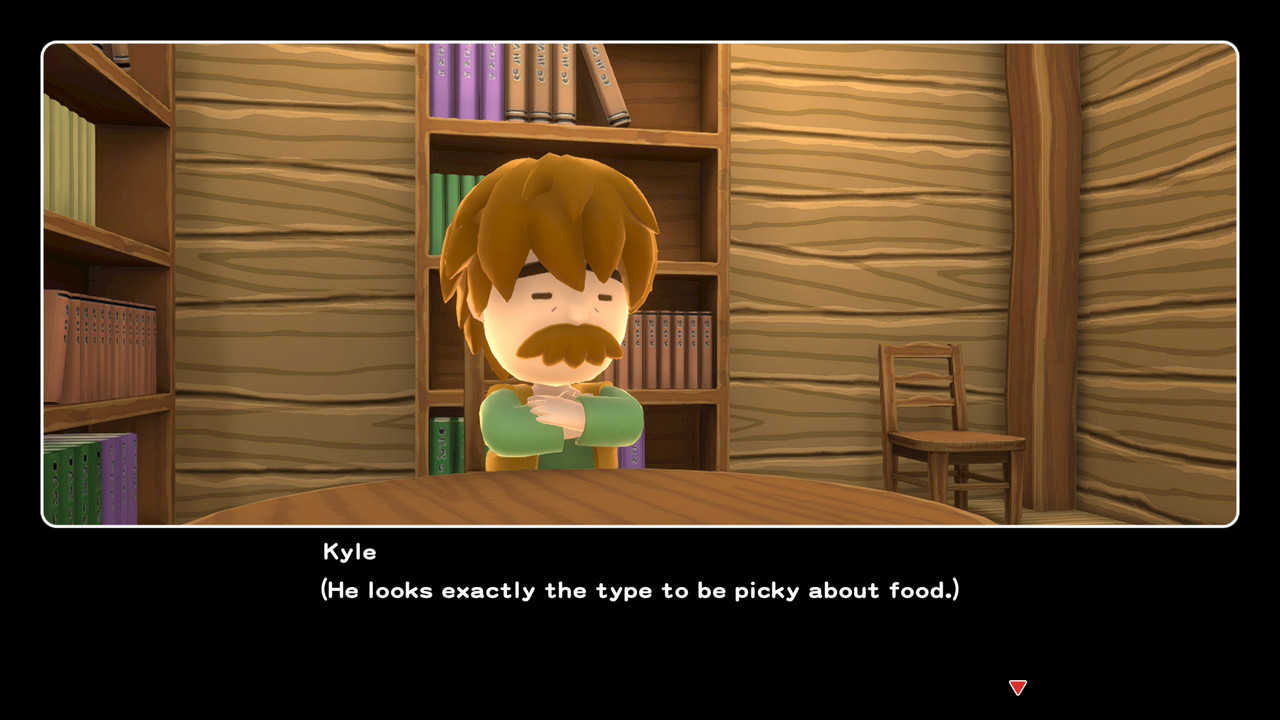
The narrative itself isn’t groundbreaking, but the writing has genuine charm and manages to be genuinely funny at times. The story scenes faithfully mimic the original game’s scenarios, which fans of the NES version might appreciate, even if newcomers won’t feel the same connection.
Presentation & Soundtrack
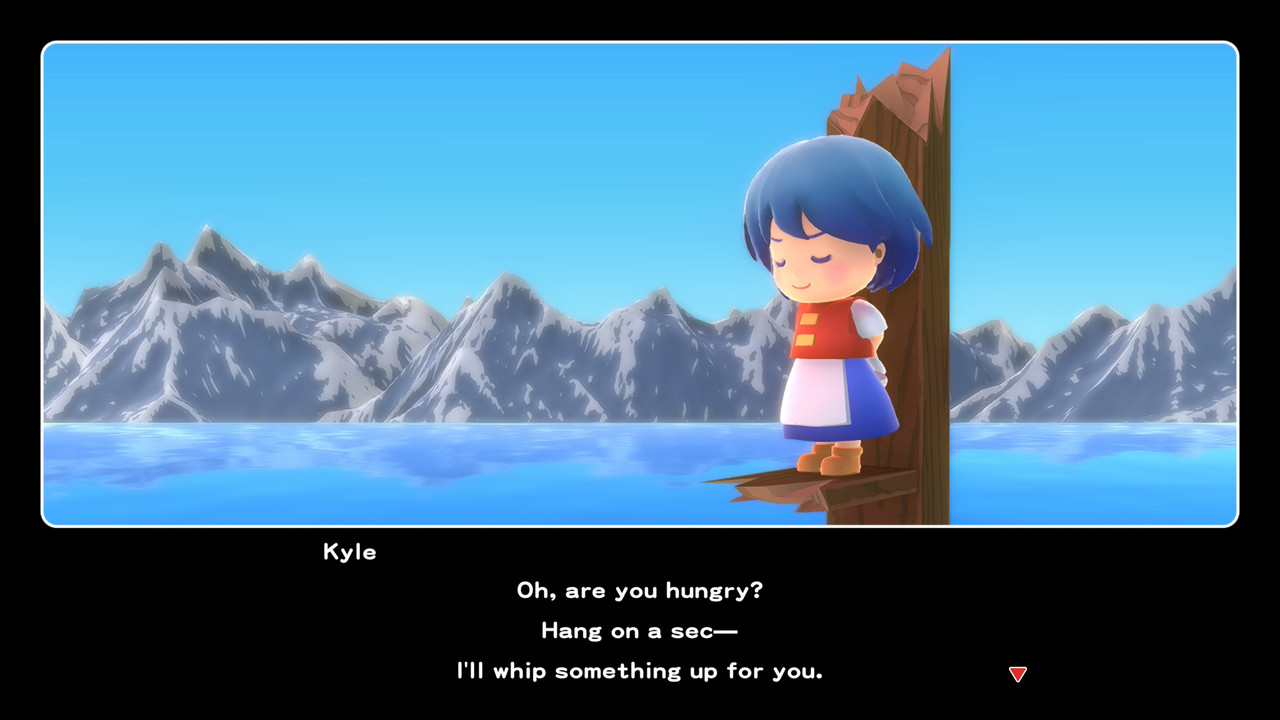
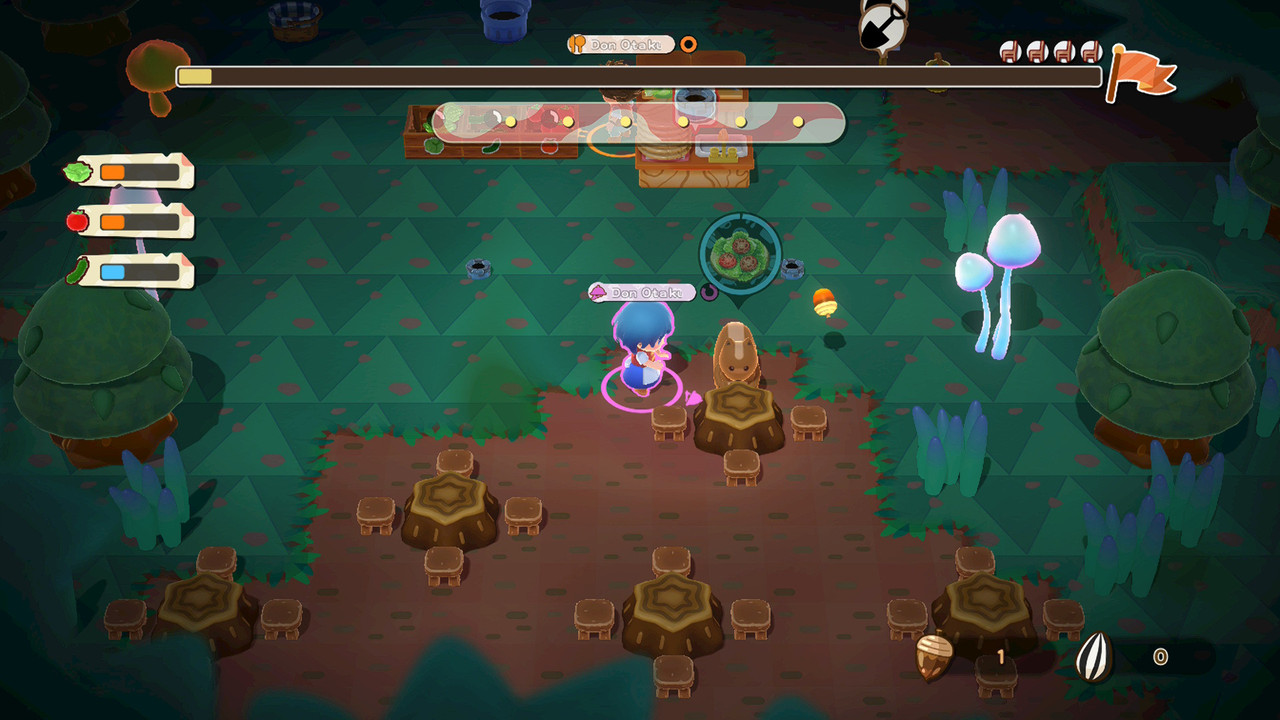
The visual presentation of Ripple Island is a mixed bag that leans more toward disappointing than charming. While the characters themselves are cutesy recreations of their NES counterparts with a certain nostalgic appeal, the environments and in-game assets feel shockingly low quality. This isn’t a full on modern-day glow up like the Dragon Quest remakes. This isn’t even an endearing “indie game” aesthetic—it just feels low effort. The backgrounds of cutscenes aren’t visually appealing and lack life. Trees look wonky with blobby textures, the mountains in the background look unnatural. Even small details like the font are inconsistent and oddly off-putting, creating a lack of polish that permeates the entire experience.
The story mode attempts to recreate the still-shot cinematics of the NES original using 3D models, but this choice doesn’t make for a good visual experience. What worked as a charming limitation in 1988 just looks budget-conscious in 2025. With the lifeless environments, the lack of any intricate camera or character movement and 40% of the screen being covered by a black border, the presentation doesn’t evoke nostalgia so much as it highlights how underdeveloped the game feels.
The soundtrack fares better, though it’s not particularly memorable. The music is simple and functional, fitting the situations whether they call for whimsy, humor, or hectic energy. It neither stands out nor offends—a perfectly adequate accompaniment that gets the job done without leaving much of an impression.
Gameplay – Story Mode
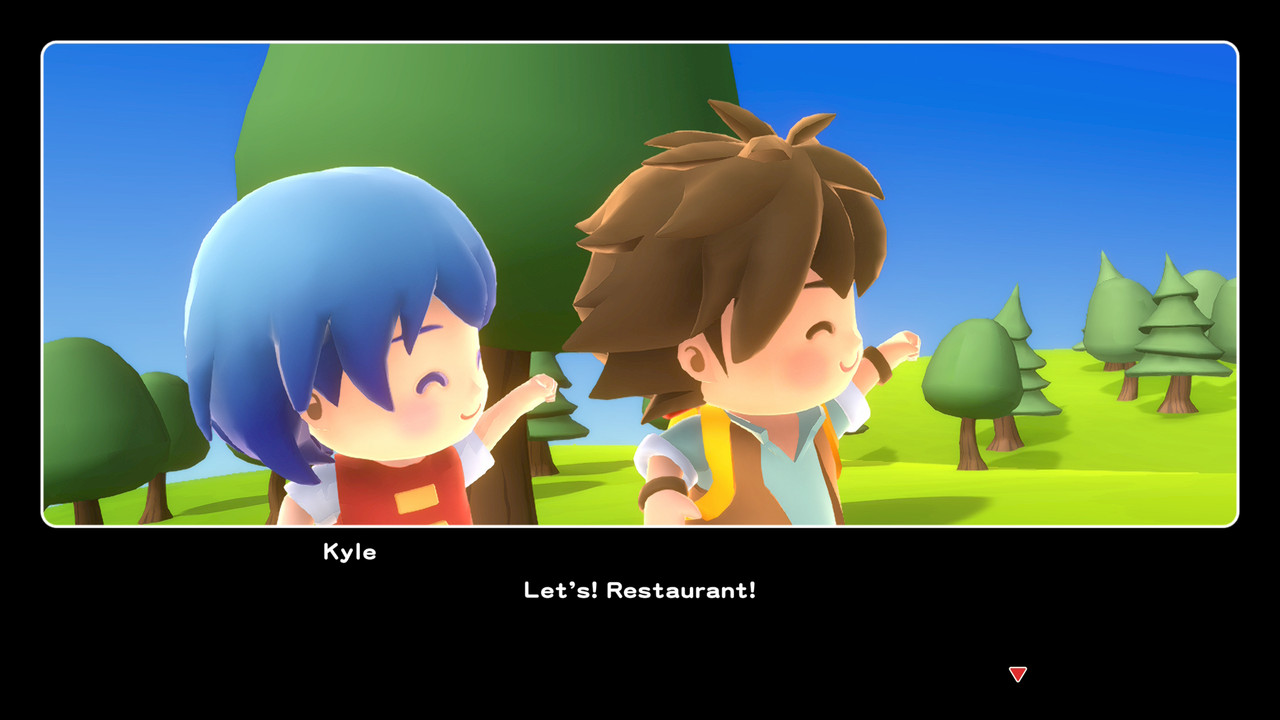
Comparisons to Overcooked are inevitable, and unfortunately, Ripple Island comes up short. The gameplay feels less intuitive, with wonky controls that require precise positioning to pick up items or water plants. Challenges start easy but spike in difficulty by the end of Act 1. This is made worse by baffling design choices: recipes only appear after you pick up ingredients, tutorials display after the challenge timer begins, and there’s no way to review recipes or tutorials from the pause menu. Learning while the clock runs guarantees early failures on harder challenges.
The oddest part is that every challenge can be skipped from the outset—the game asks before you’ve even started the challenge. This shouldn’t be advertised front and center; it should be in the settings for accessibility purposes. It signals a lack of confidence from Sunsoft in the gameplay itself. The problems compound when you retire from a challenge, which automatically skips the gameplay rather than returning you to the menu to try again later. Without the ability to replay individual challenges without restarting the entire act, that skip button becomes ironically useful.
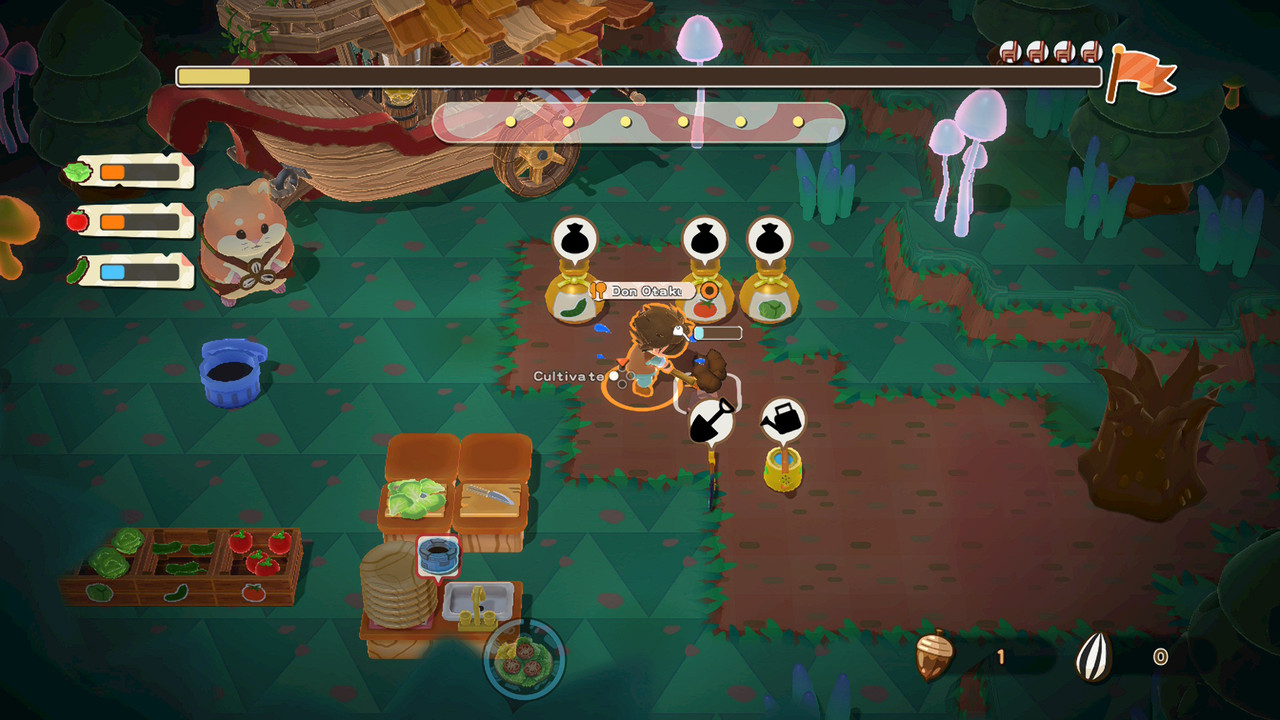
Solo play is the weakest experience, requiring constant character switching to complete objectives in time. Each character has an assigned role. The Cook role handles cooking and prep while Hall manages orders and service. Each character has unique abilities as well—Kyle can dash quickly between objectives while Cal can pause customer hunger meters through song. There are bright spots: unlike Overcooked’s automation, you handle the full service experience, plus grow vegetables, milk beetles, and make dough. The grounded challenge gimmicks create a cozier feel despite punishing difficulty, but the frustration outweighs the charm when playing alone.
Gameplay – Multiplayer
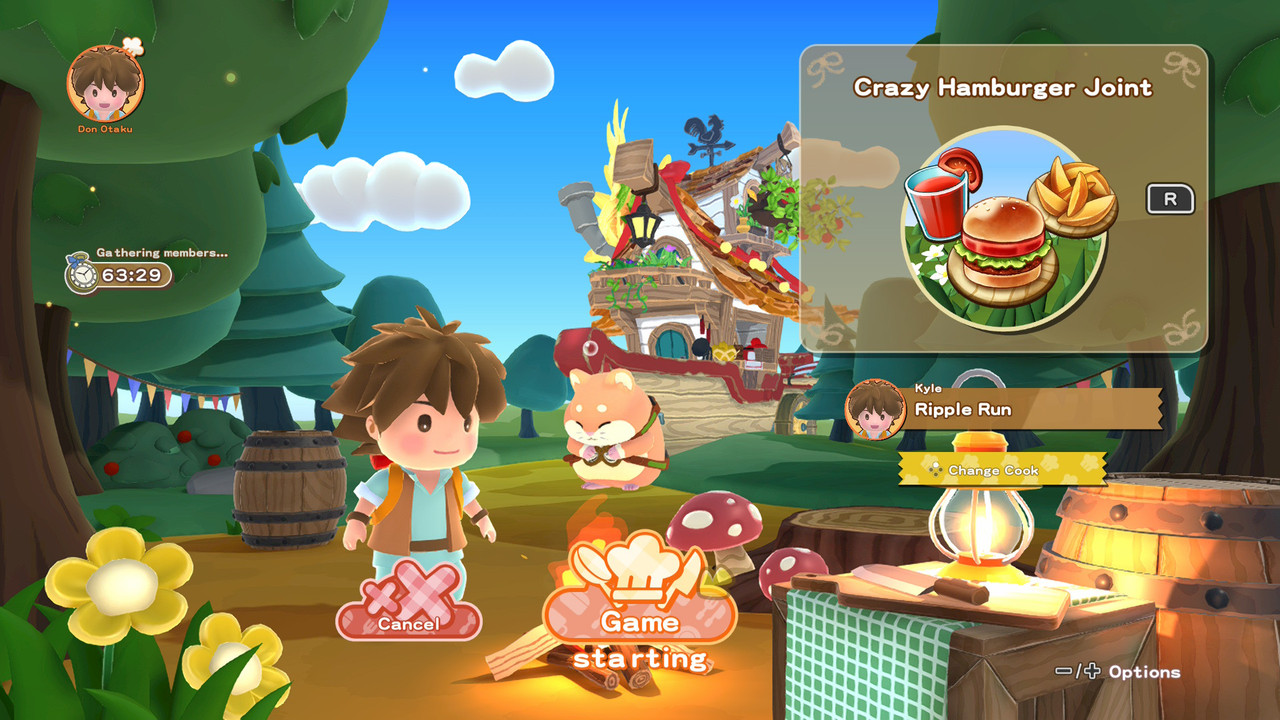
Multiplayer transforms Ripple Island from frustrating to enjoyable. Available in two forms—Restaurant Together online mode and 8-player local co-op—this is clearly where the game was meant to shine. Playing two-player co-op with my partner proved dramatically more satisfying than solo mode. With another person, the awkward systems are suitable, the wonky controls matter less when you’re not juggling multiple characters, and the cooperative flow the game was designed around finally emerges.
The online experience, however, is plagued by a ghost town player base. After multiple 30-minute to hour-plus matchmaking attempts, I finally connected with two other players—nowhere near the advertised 16-player maximum, but it became the highlight of my entire playthrough. Even with just three people, the hectic coordination of roles against the clock created genuinely fun challenges. I took the Farm role, cultivating vegetables while the others handled recipes. When I fell behind, teammates would assist with farming, and these organic teamwork moments showcase Ripple Island at its absolute best.
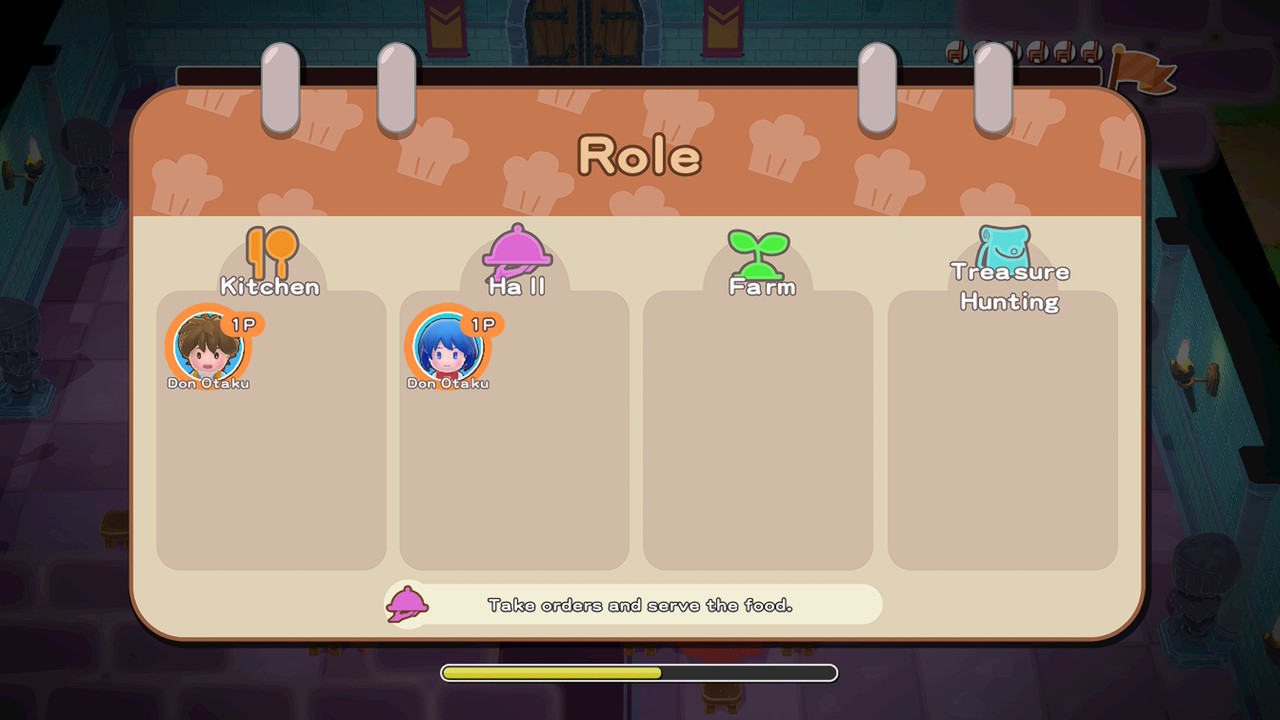
The role-based system is a great mechanic that sets it apart from Overcooked’s chaotic design. Everyone knows their assignment from the start, creating structured cooperation that works beautifully even without voice chat. It’s less about frantic improvisation and more about synchronized execution—a refreshing take on the genre. Restaurant Together is unquestionably the definitive way to experience this game.
The tragedy is accessibility. Online multiplayer is essentially dead during US hours in my experience. I had to align my sessions with Japanese primetime just to find matches, which is unsustainable for most players. When you can actually assemble an online or local group, Ripple Island delivers something genuinely special. The problem is those magical moments require stars to align in a way they rarely will.
Final Thoughts
Ripple Island: Kyle and Cal’s Restaurant is a game that needed more time in the oven. While it reinvents the 1988 classic for a modern audience and captures some charm in its writing and character designs, too many fundamental issues hold it back. When the stars align and you find a full online lobby or gather friends for local co-op, Ripple Island reveals glimpses of something genuinely fun and unique. But these moments of brilliance are too few and far between, buried under layers of poor design decisions and a nearly nonexistent player base. It’s a noble attempt at reviving a forgotten classic, but Ripple Island arrives at the table undercooked and underseasoned.
Score: 5.5/10
Pros:
- Charming writing with occasional humor
- Character designs capture NES nostalgia
- Taking orders, serving, farming and ranching adds depth compared to Overcooked
- Grounded, cozy challenge gimmicks
- Character-specific roles and abilities add strategy
- Role-based multiplayer creates structured, intuitive teamwork
- Significantly more enjoyable in co-op than solo
Cons:
- Feels low-quality from environments to even the font
- Unintuitive recipe and tutorial systems
- Imprecise controls
- Essentially dead online multiplayer outside peak Japanese hours
- Frustrating solo play experience
- Prominent skip option undermines confidence in gameplay
- No way to retry or replay individual challenges
