

EA and Maxis have finally pulled back the curtain on their roadmap for The Sims franchise, and the revelations are both thrilling and troubling in equal measure. After weeks of swirling rumors about Project X (the next generation of traditional The Sims), the team has confirmed what dedicated fans have been desperately hoping to hear: a commitment to deep, single-player life simulation experiences. But buried within that welcome news is a concerning pivot that threatens to alienate the very community that built this franchise over 25 years.
The Good News: Single-Player Lives On

Let’s start with what has me genuinely excited. EA’s confirmation that over half of their global development team is dedicated to The Sims 4 and “the next evolution” is exactly what longtime Simmers needed to hear. The roadmap makes it crystal clear that single-player PC and console experiences will remain central to the franchise’s future, with the tantalizing tease of a crown-adorned expansion pack (likely the rumored Royalty & Legacy pack) suggesting The Sims 4 still has meaningful content in store.
Even more encouraging is the explicit acknowledgment of what makes The Sims special: rich systems, meaningful storytelling, and player agency. These aren’t just buzzwords; they’re the foundation that has kept players creating stories, building elaborate worlds, and investing countless hours into this franchise since the very beginning. The commitment to continue improving The Sims 4 while simultaneously developing the next generation of single-player experiences shows EA understands what its core audience actually wants.
The promise of “the next evolution” for single-player is thrilling. After years of watching The Sims 4 struggle with its aging engine, limited world sizes, and technical constraints, the prospect of a truly next-gen single-player Sims experience built from the ground up is enough to make any fan ecstatic.
The Concerning Pivot: Project Rene Goes Mobile-First
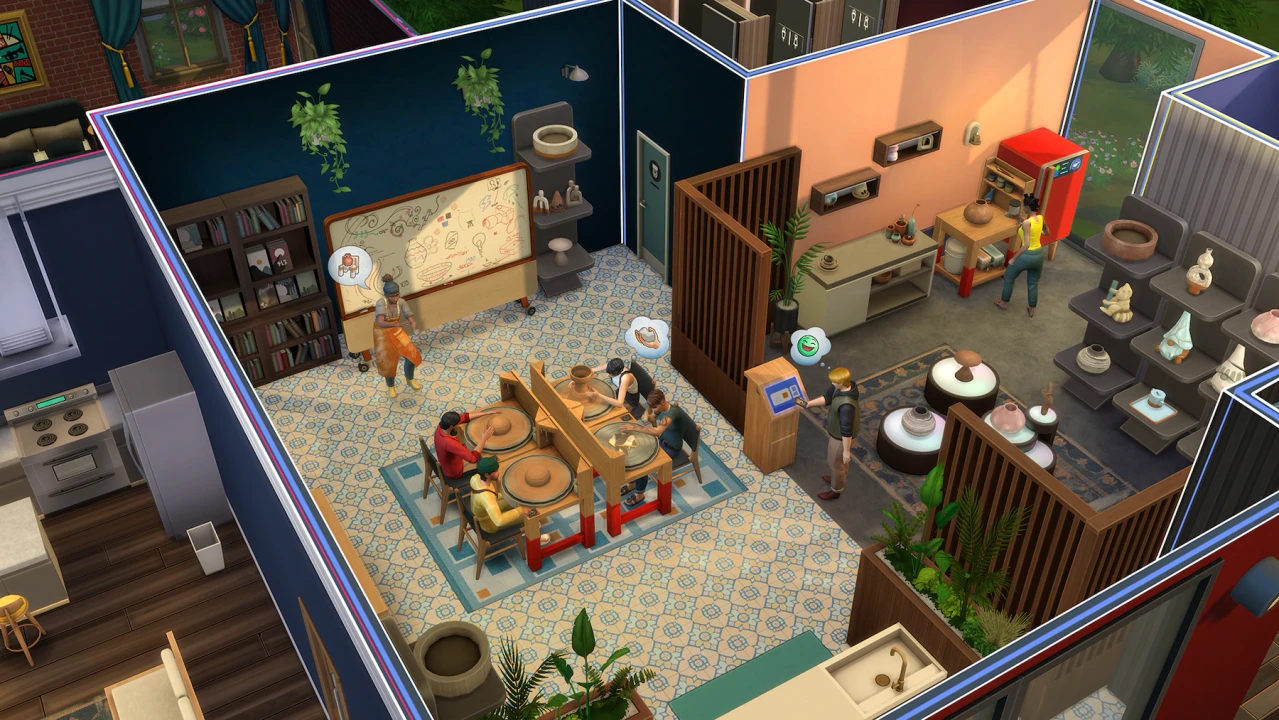
Here’s where the roadmap takes a troubling turn. Project Rene, the experience that many players assumed would be The Sims 5, has transformed into a “social, collaborative, mobile-first life-sim game.” Whatever that means.
EA emphasizes that Project Rene is “not the successor to The Sims 4” and represents a separate experience. That’s reassuring in theory, but the pivot toward mobile-first multiplayer feels like a familiar and disappointing industry trend: chasing the mobile gaming market at the expense of what made the franchise beloved in the first place.
The Sims has always thrived as a deeply personal, single-player sandbox where your creativity and imagination are the only limits. The idea of a mobile-first, socially focused Sims game raises immediate red flags. Will it be monetized with aggressive microtransactions? Will the depth of simulation be sacrificed for accessibility? If it starts to make more profit than the single-player Sims game, will they start to prioritize it?
EA claims this evolved from “ongoing player feedback,” but it’s hard to imagine the core Sims community clamoring for a mobile-first multiplayer experience when they’ve been begging for deeper simulation, better AI, create-a-world tools, and the ability to build meaningful neighborhoods that feel alive.
Competition Is Here. The Free Ride is Over

For the first time in The Sims’ 25-year reign, real competition has arrived. Inzoi has captured attention with its stunning visuals and ambitious scope, while Paralives has been building genuine excitement with its focus on the features Simmers have requested for years: build mode customization, detailed life simulation, and a clear dedication to listening to what players actually want.
This is The Sims’ Call of Duty moment. Just as we saw CoD lose its seemingly unshakeable dominance in 2025 when competitors like Battlefield 6 and Arc Raiders offered fresher experiences and better listened to fans, The Sims now faces an existential threat it has never encountered before. For two and a half decades, The Sims had no real competition. Players had nowhere else to go. That monopoly is over.
EA and Maxis need to understand a fundamental truth: you cannot forsake the loyal fans who built this franchise into a cultural phenomenon in pursuit of an imaginary mobile gaming audience that may or may not materialize. The Sims became what it is today because of the dedicated community that bought every expansion, created custom content, shared stories, and kept the game alive through sheer passion and creativity. These aren’t casual mobile gamers; they’re invested, devoted players who spend hundreds of hours crafting elaborate legacies and intricate narratives.
Now that options exist, The Sims is expendable for the first time ever. If EA prioritizes the mobile market over the core community, players have alternatives ready and waiting. Paralives and Inzoi are hungry for that audience, and they’re building games specifically designed to capture players who feel abandoned by The Sims’ direction.
Final Thoughts — Choose Your Path Wisely
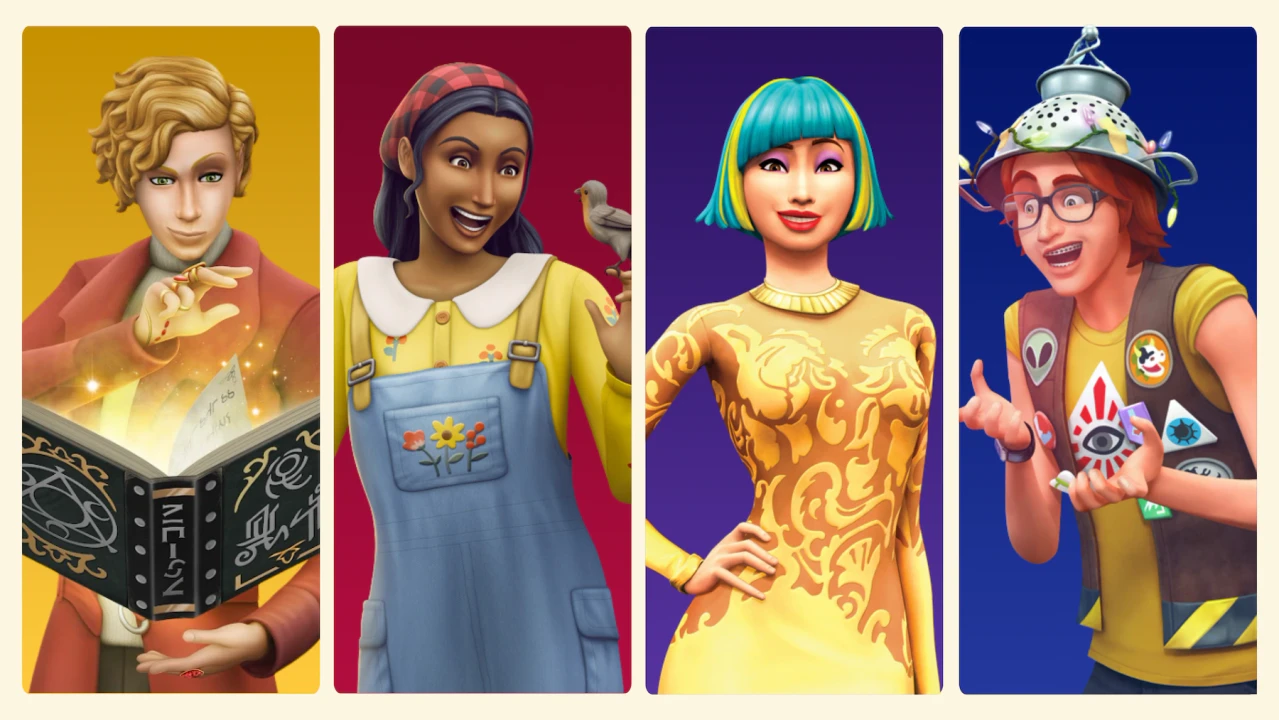
The Sims‘ roadmap presents a crossroads. On one path, EA doubles down on what made The Sims special: deep single-player simulation, meaningful player agency, and a commitment to the fans who have sustained this franchise for a quarter-century. The promise of a next-generation single-player experience suggests they might be headed this direction, and if they deliver on that promise, the future could be incredibly bright.
On the other path lies the temptation of mobile gaming’s massive market, the allure of social features and live-service monetization, and the risk of diluting what makes The Sims unique in pursuit of broader appeal. Project Rene’s mobile-first approach represents this path, and it’s one paved with the wreckage of franchises that lost sight of their identity.
EA needs to recognize that they’re no longer operating from a position of unchallenged dominance. The competition is real, the alternatives are appealing, and the core community is watching closely. The Sims can remain the unparalleled life simulation leader, but only if EA remembers who got them here. The fans who spent thousands of hours building worlds, the creators who made custom content, the storytellers who breathed life into pixels—these are the people who made The Sims a phenomenon. Chase the mobile market if you must, but don’t do it at their expense. Because for the first time ever, we have options. And The Sims is no longer too big to fail.
