
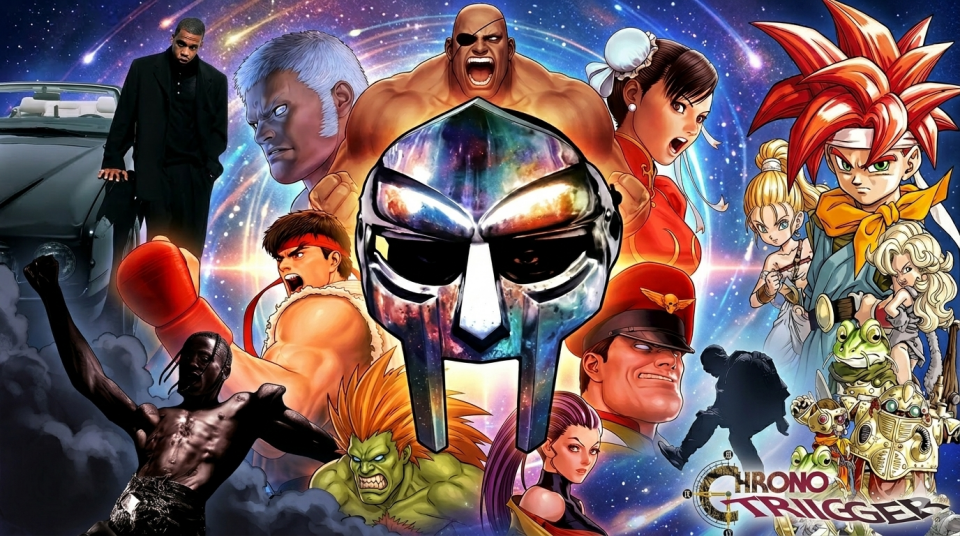
Video games and music go hand in hand, and video game music is among the best and most influential of all time. Producers across hip-hop, electronic music, and beyond have been raiding game soundtracks since the early days of sampling culture, lifting 8-bit riffs, MIDI flourishes, and moody RPG atmospheres and dropping them into tracks that hit completely different. Some of these flips are obvious nods to gaming culture; others are so subtle you’d never clock them unless you knew the source. Here’s a history of 50 songs leveled up by video game samples, sorted by year (and a Playlist with all of them at the end).
1988 — DJ Jazzy Jeff & the Fresh Prince feat. Ready Rock C, “Human Video Game” (Prod. By DJ Jazzy Jeff)
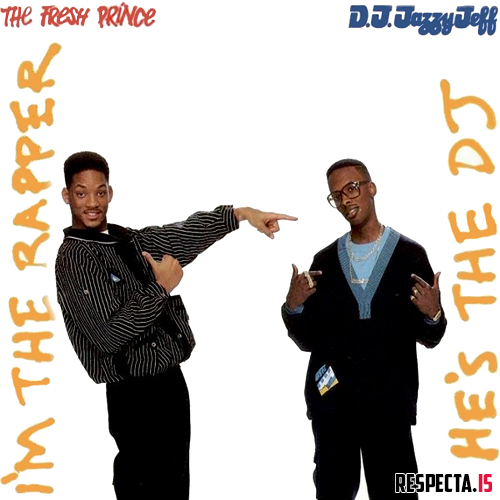
Samples: “Pac-Man Death”—Pac-Man (Namco, 1980), composed by Toshio Kai; “Donkey Kong Start” / “25m”—Donkey Kong (Nintendo, 1981), composed by Yukio Kaneoka
One of the earliest and most literal video game samples in rap history. “Human Video Game” predates the era when this kind of sourcing had a name or a scene—DJ Jazzy Jeff was just raiding the arcade because it fit perfectly. Pac-Man‘s death sound, the Donkey Kong startup chime, and the 25m stage music are woven throughout a track about Will Smith staying up all night gaming, which means the content and the sample source are in total alignment. It’s a time capsule: this is what it sounded like when hip-hop first discovered the arcade.
1995 — Bone Thugs-N-Harmony, “Eternal” (Prod. By DJ U-Neek)
Sample: “Character Bios Theme”—Eternal Champions (Sega, 1993), composed by Joe Delia
The Bone Thugs discography is full of hauntingly melodic production, but few beats in their catalog have an origin story this unexpected. The woozy, minor-key loop anchoring “Eternal” is lifted directly from the character bios theme of Eternal Champions, Sega’s answer to Mortal Kombat. The fact that a deep-cut Genesis game contributed to one of the most emotionally resonant rap tracks of the ’90s is a testament to how broadly producers were digging.
1998 — Jay-Z feat. DMX, “Money, Cash, H**s” (Prod. By DJ Premier)
Sample: “Theme of Thief”—Golden Axe (Sega, 1989), composed by Tohru Nakabayashi & Y. “Dolphin” Takada
Vol. 2… Hard Knock Life is stacked with iconic production, and “Money, Cash, H**s” fits right in. DJ Premier’s flip of the Golden Axe “Theme of Thief” gives the track its menacing backbone—that lurching, off-kilter melody, which translates perfectly from the Sega arcade classic into a street anthem. It’s Premier at his best: a source nobody expected, a result nobody could argue with.
1999 — Zombie Nation, “Kernkraft 400” (Prod. By Zombie Nation)
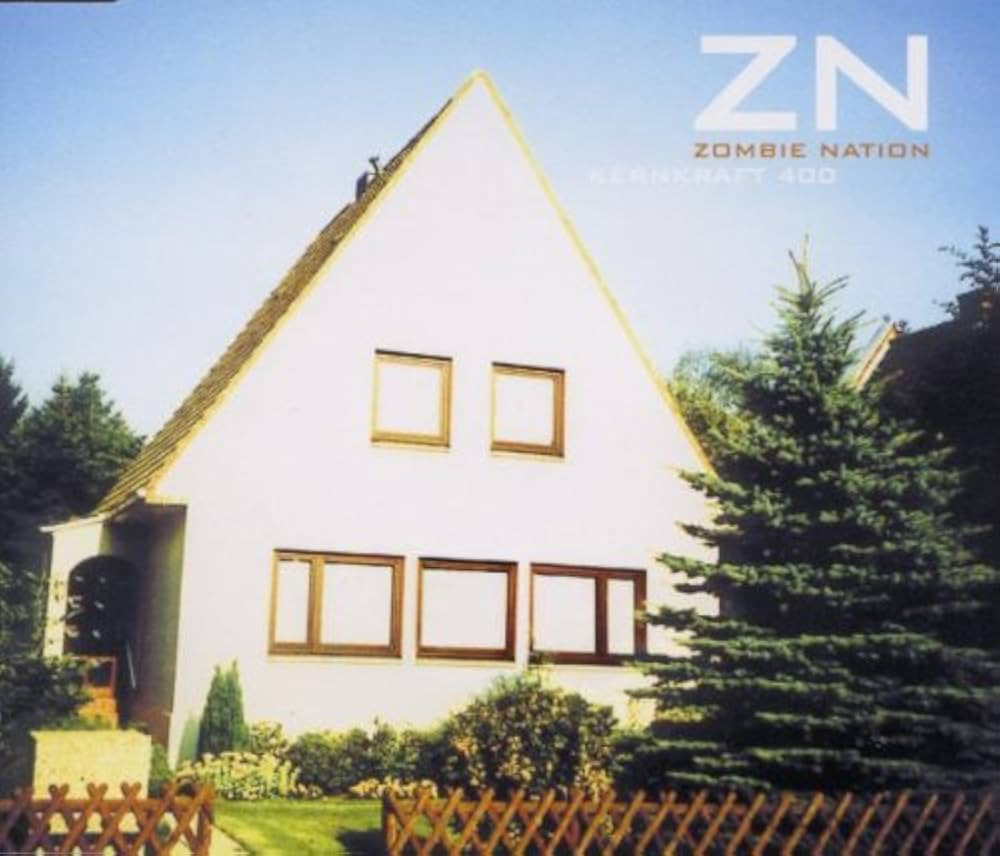
Sample: “Stardust”—Lazy Jones (Terminal Software, 1984), composed by David Whittaker
The most stadium-famous video game sample in music history, and it came from a 1984 Commodore 64 budget game that most people have never heard of. David Whittaker’s “Stardust” is a two-note synth loop that Zombie Nation lifted wholesale and turned into one of the defining anthems of late-’90s European techno. It has since become a fixture at sporting events worldwide, which means countless people have heard a Lazy Jones melody without ever knowing it. The gap between source and impact doesn’t get any wider than this.
2000 — Del the Funky Homosapien feat. Khaos Unique, “Proto Culture” (Prod. By Del the Funky Homosapien & Khaos Unique)
Sample: “Morrigan’s Win Theme”—Darkstalkers: The Night Warriors (Capcom, 1994), composed by Takayuki Iwai & Hideki Okugawa
Arguably hip-hop’s first true love song to video games, “Proto Culture” is six minutes of Del and Khaos Unique name-dropping games, systems, and franchises across every verse—Xenogears, Rival Schools, Dreamcast imports, the whole ecosystem. But beyond the lyrics, the production is sourced directly from Darkstalkers: Morrigan’s win theme, a quick jazzy fanfare from one of Capcom’s lesser-celebrated fighting games, looped into a beat that feels both old-school and timeless. Del was here before it was cool, and the track stands as a document of a gaming culture that hip-hop hadn’t yet discovered it shared.
2001
Janet Jackson, “China Love” (Prod. By Jimmy Jam & Terry Lewis)
Sample: “Moonlight City Roa”—Legend of Mana OST (DigiCube, 1999), composed by Yoko Shimomura
The most unexpected major-label video game sample on this list—a platinum R&B album on Virgin Records, produced by Jimmy Jam & Terry Lewis, built on a Yoko Shimomura track from a Japanese RPG. The liner notes for All for You actually credit the Legend of Mana sample, which means someone in that recording session knew exactly what they were working with. It raises a question that will never be fully answered: who in Janet’s camp was playing Legend of Mana?
*NSYNC, “The Game Is Over” (Prod. By Riprock ‘N’ Alex G)
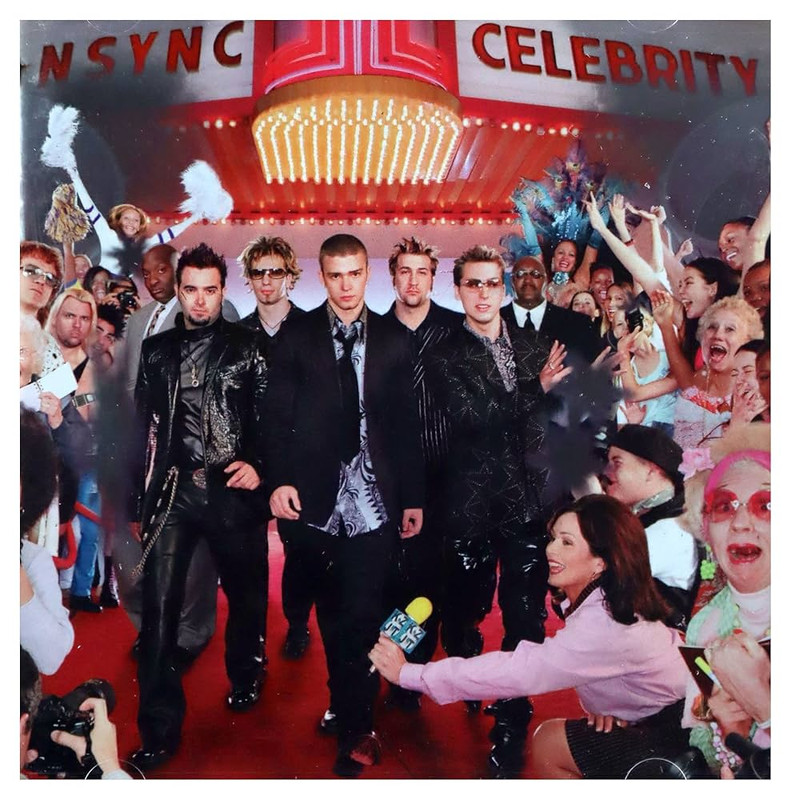
Sample: “Pac-Man Theme”—Pac-Man (Namco, 1980), composed by Toshio Kai
Few people associate pop boy bands with video game samples, but *NSYNC’s Celebrity-era deep cut “The Game Is Over” is built on the Pac-Man theme—waka-waka and all. Produced by Riprock ‘N’ Alex G, it channels JC Chasez’s electronic instincts into a two-step-adjacent pop track that leans into the game-over metaphor for a bad relationship.
As breakup songs go, it’s an unusual approach; as video game samples in mainstream pop at the peak of the genre’s commercial dominance, it remains one of the most surprising and underappreciated examples on this list.
2003 — Key Players feat. Slim Thug, ESG & T2, “This Is for My”
Sample: “Pac-Man Theme”—Pac-Man (Namco, 1980), composed by Toshio Kai
Houston’s rap scene had a long relationship with sample-driven production, and Key Players’ “This Is for My” found the Pac-Man theme well before Lil Flip turned it into a national hit. Featuring Slim Thug, ESG, and T2 over a loop pulled straight from the arcade original, this regional track is a direct predecessor to the Pac-Man-sampling wave that would crest a year later on the charts. Regional rap finds these sources first; the mainstream always catches up eventually.
2004
Lil Flip, “Game Over” (Prod. By Nick “Fury” Loftin)
Samples: Pac-Man Theme; Ms. Pac-Man Theme; MK II Audio Tour—Mortal Kombat II (Nintendo/Midway, 1993–1994)
Before video game rap was a novelty, Lil Flip made it a hit. “Game Over” stacked arcade classics on top of each other—Pac-Man‘s iconic waka-waka, the Ms. Pac-Man theme, and audio from Mortal Kombat II—into a track that was part brag rap, part retro tribute. It charted, it got radio play, and it remains one of the most literal (and lovable) instances of video game sampling in hip-hop history.
Madvillain, “Do Not Fire!” (Prod. By Madlib)
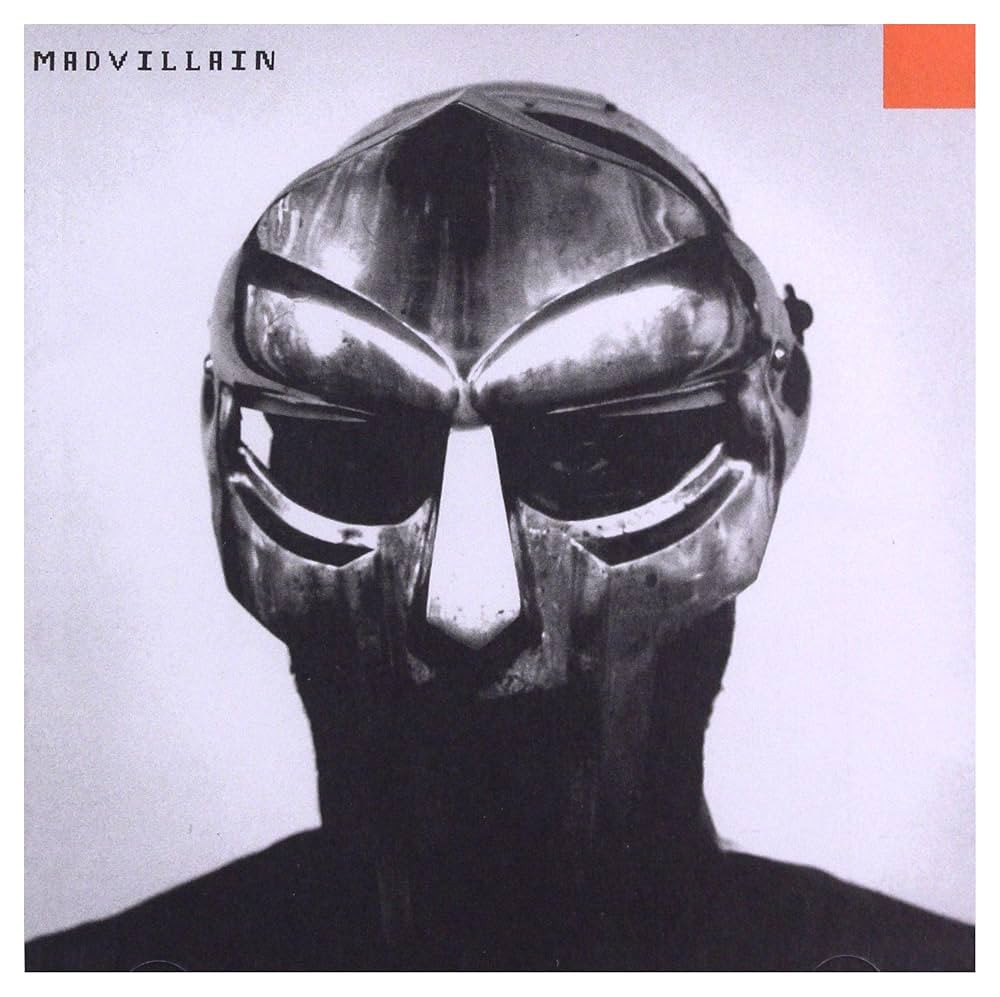
Sample: “Dhalsim’s Theme” / Street Fighter II sound effects—Street Fighter II (Capcom, 1991), composed by Yoko Shimomura & Isao Abe
MF DOOM and Madlib’s Madvillainy is a record built on wild, unpredictable samples, so it’s fitting that one of its most quotable cuts runs on Street Fighter II DNA. The Dhalsim theme and in-game sound effects are chopped and looped into something that feels simultaneously chaotic and precise—which is basically the Madvillainy mission statement.
R.I.P. MF DOOM, 2020
2007
Burial, “Archangel” (Prod. By Burial)
Samples: “Opening Infiltration”—Metal Gear Solid 2: Sons of Liberty (Konami, 2001), composed by Harry Gregson-Williams & Norihiko Hibino; “Chapter 12: Surface Tension Sound Effects”—Half-Life (Valve, 1998), composed by Kelly Bailey
Burial’s Untrue is one of the most acclaimed electronic albums of the 2000s, and it’s partly built on video game sound design. “Archangel” weaves audio from both Metal Gear Solid 2 and Half-Life into something spectral and deeply melancholic—a track that sounds like it exists in the space between those game worlds and something more personal.
It’s a reminder that game composers were creating emotionally complex music long before the mainstream acknowledged it, and that Burial had the ears to recognize it.
Statik Selektah feat. Big Shug, “Punch Out!” (Prod. By Statik Selektah)
Samples: “Mike Tyson’s Punch-Out!! Theme” / “Training / Credits”—Mike Tyson’s Punch-Out!! (Nintendo, 1987), composed by Yukio Kaneoka, Akito Nakatsuka & Kenji Yamamoto
The Mike Tyson’s Punch-Out!! theme is one of the most immediately recognizable pieces of game music ever made—a punchy, triumphant fanfare that’s burned into the memory of anyone who grew up with an NES. Statik Selektah doesn’t bury it or flip it beyond recognition; the sample is front and center, the title is a direct reference, and the whole track wears its gaming influence like a badge. As a piece of boom-bap production, it’s a reminder that some source material is so strong you have to let it breathe.
2008 — Prodigy, “Catch Body Music” (Prod. By Sid Roams)
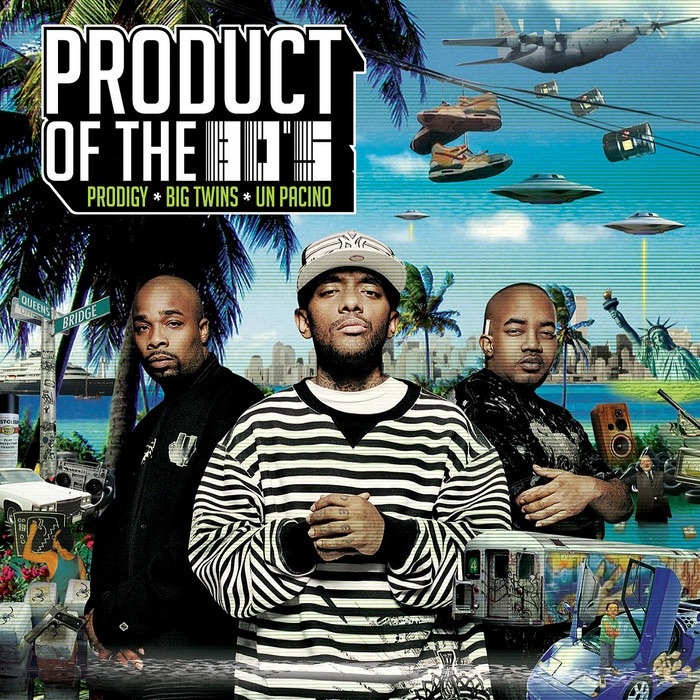
Sample: “Prelude”—Castlevania III: Dracula’s Curse (Konami, 1990), composed by Hidenori Maezawa, Jun Funahashi & Yukie Morimoto
Prodigy’s late-career run was defined in part by a willingness to rap over unconventional sources, and “Catch Body Music” goes deep into Gothic territory. The “Prelude” from Castlevania III: Dracula’s Curse is a brooding title screen piece that carries centuries of Gothic dread—and producer Sid Roams looped it into something that matched Prodigy’s cold, declarative delivery exactly. It’s a pairing that needs no explanation: Prodigy’s voice always sounded like it belonged somewhere between a dungeon and a crypt.
(R.I.P. Prodigy, 2017)
2010
DJ Pablo, “One B-Boy” (Prod. By DJ Pablo)
Sample: “One Winged Angel”—Final Fantasy VII: Reunion Tracks (DigiCube, 1997), composed by Nobuo Uematsu
“One Winged Angel” is Nobuo Uematsu’s most operatic creation—a full orchestral and choral piece that arrives at the end of Final Fantasy VII as the game’s climactic boss theme. It has been covered, remixed, and rearranged countless times, but DJ Pablo’s breakbeat flip for the Battle of the Year breakdance soundtrack is one of its more surprising reinventions.
Chopped into a B-boy instrumental, Sephiroth’s theme becomes something kinetic and physical—still epic, but now designed for the dancefloor rather than the boss fight.
Hodgy Beats, “Memorex CDs” (Prod. By brandUn DeShay)
Sample: “Memories of Green”—Chrono Trigger Original Sound Version (NTT Publishing, 1995), composed by Yasunori Mitsuda
Hodgy Beats and brandUn DeShay made “Memorex CDs” out of “Memories of Green”—one of Mitsuda’s most quietly devastating compositions, a piece that sounds like homesickness rendered in audio form. The sample is treated with restraint; the loop breathes and expands without being chopped into something unrecognizable.
It landed on Hodgy’s The Dena Tape in 2010, the same year producers across the internet were independently discovering the same Chrono Trigger catalog. That convergence deserves its own separate study.
Lil B, “Pretty Boy Remix” (Prod. By Lil B)
.jpg)
Sample: “Sanctuary”—Kingdom Hearts II (International Version) (Square Enix, 2006), composed by Utada Hikaru
Lil B famously samples whatever he wants without asking anyone’s permission, so it’s fitting that he was among the first rappers to lift from Kingdom Hearts II. “Sanctuary”—Utada Hikaru’s stunning opening theme—provides the melodic backbone for the “Pretty Boy Remix,” layered under a thumping bass pattern signaling that this is still recognizably a BasedGod track. The contrast between the ethereal source material and the track’s raw construction is jarring in the best possible way. Lil B was sampling Kingdom Hearts before anyone else.
Dom Kennedy, “Locals Only” (Prod. By Dom Kennedy)
Sample: “Secret of the Forest”—Chrono Trigger (Nintendo, 1995), composed by Yasunori Mitsuda
Dom Kennedy’s “Locals Only” uses “Secret of the Forest” as the backbone for a laidback West Coast rap track, pairing the airy, ethereal Mitsuda melody with exactly the kind of unhurried, sun-baked delivery it was always going to suit. Wiz Khalifa hit the same source two years later; Dom got there first.
Wiz Khalifa, “Never Been” (Prod. By Sledgren)
Sample: “Schala’s Theme”—Chrono Trigger (Nintendo, 1995), composed by Yasunori Mitsuda
Yasunori Mitsuda’s Chrono Trigger soundtrack is widely considered one of the greatest game OSTs ever made, and “Schala’s Theme” is among its most beloved tracks—a melancholic, celestial piece of music that sounds impossibly sad for a 16-bit cartridge.
Wiz Khalifa’s producer caught it and turned it into a hazy, introspective rap beat for “Never Been,” pairing one of gaming’s great emotional compositions with a remarkably well-matched performance from Wiz; a genuinely elegant flip.
2011 — Bei Maejor, “Special” (Prod. By Bei Maejor)
Sample: “Quartz Quadrant Good Future”—Sonic the Hedgehog CD (Sega, 1993), composed by Naofumi Hataya
Sonic CD‘s soundtrack is one of gaming’s great sonic experiments—different composers for the Japanese and American versions, and a Japanese score full of bubbly, dream-pop-influenced pieces that don’t sound like anything else in the Sonic catalog. “Quartz Quadrant Good Future” is one of its brightest and most melodically rich tracks, and Bei Maejor’s R&B production found something genuinely romantic in it. “Special” is a love song built on a Sonic level theme, and somehow, the fit is completely natural.
2011
Cam’ron & Vado, “Monster Muzik” (Prod. By AraabMuzik)
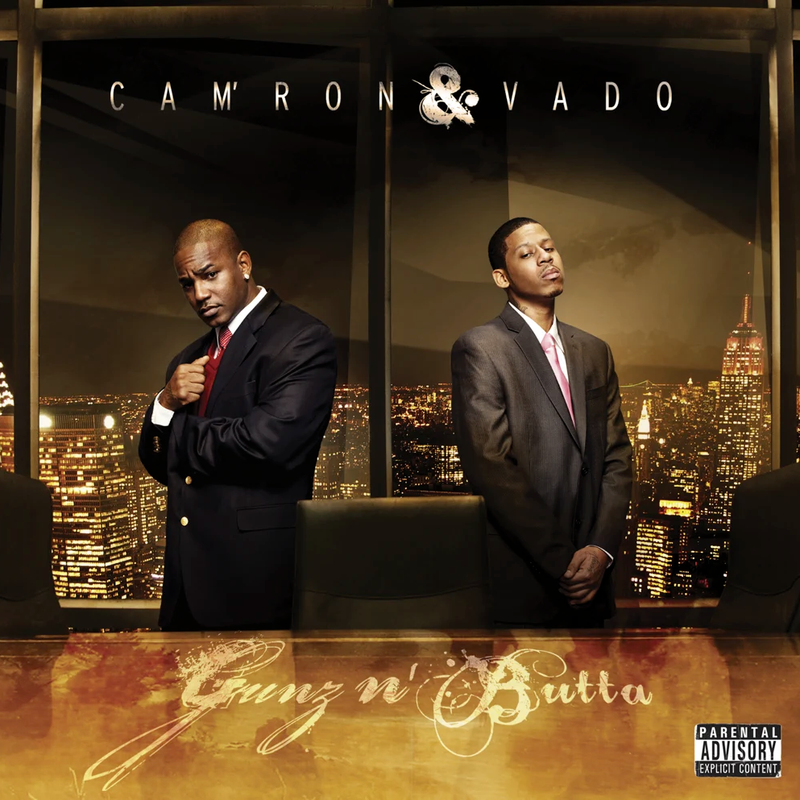
Sample: “The World’s Enemy”—Crisis Core: Final Fantasy VII (Square Enix, 2007), composed by Takeharu Ishimoto
Crisis Core: Final Fantasy VII featured a rearranged, heavier version of “One-Winged Angel” titled “The World’s Enemy,” produced by Takeharu Ishimoto. Cam’ron and Vado’s producers found it and used it as the backbone for “Monster Muzik,” which is either a remarkable coincidence or evidence of just how deep producers were digging into the Final Fantasy VII extended universe. The result is genuinely menacing—Ishimoto’s arrangement was already intense, and it translates directly into trap-era street rap.
J. Cole, “Dollar and a Dream III” (Prod. By The University, Canei Finch & Ron Gilmore)
Sample: “Darkness of the Unknown”—Kingdom Hearts II (Eastworld, 2005), composed by Yoko Shimomura
J. Cole’s mixtape run was defined by flipping massive, cinematic source material—and “Dollar and a Dream III” goes straight to one of the most dramatic tracks in the Kingdom Hearts series. “Darkness of the Unknown,” the final boss theme from KH2, is all tension and orchestral grandeur, and Cole’s producer extracted that emotion and channeled it into an origin-story rap that earned every bit of the epic backdrop.
Skrillex, “The Disco Rangers Bus (Knows How to Rock & Roll)” (Prod. By Skrillex)
Sample: “Chemical Plant”—Sonic the Hedgehog 2 (Sega, 1992), composed by Masato Nakamura
Masato Nakamura’s “Chemical Plant Zone” is one of the most beloved tracks in the Sonic series—a tightly coiled, propulsive synth piece that pushes you through a neon-lit industrial level at full sprint. Skrillex found it, dropped it into an early dubstep track, and the fit was immediate: the aggressive momentum of the original translated directly into the kinetic energy of the genre. A natural pairing that felt almost too obvious once you heard it.
2012
Wiz Khalifa, “Never Been (Part II)” (Prod. By Sledgren)
Sample: “Secret of the Forest”—Chrono Trigger (Nintendo, 1995), composed by Yasunori Mitsuda
The sequel goes back to the well. It’s the third Chrono Trigger flip on this list—which, if nothing else, confirms that Mitsuda’s score has been producer catnip across two decades of sample-based music. “Secret of the Forest” is a lighter, more mysterious Chrono Trigger cut compared to “Schala’s Theme,” and the production on “Never Been (Part II)” captures that airy quality. That Wiz Khalifa’s most reflective run of tracks sourced not one but two Chrono Trigger compositions says something about how deeply that soundtrack has embedded itself into sample culture.
Joey Bada$$, “FromdaTomb$” (Prod. By Chuck Strangers)
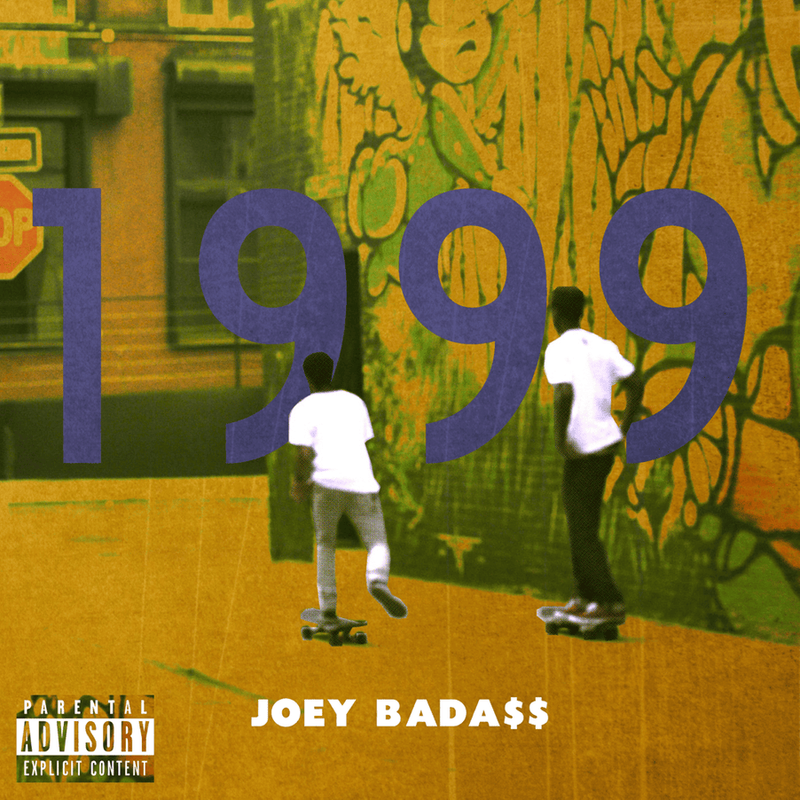
Sample: “Main Theme”—L.A. Noire Official Soundtrack (Rockstar Games, 2011), composed by Andrew Hale
L.A.Noire’s video game music is among the best and most influential of all time original score leaned heavily into 1940s film noir jazz, which makes it a surprisingly natural fit for boom-bap production. Joey Bada$$’s producers grabbed the main theme and built “FromdaTomb$” on top of it—a track that feels like it belongs in both a rain-soaked detective drama and a New York City rap record. The vintage aesthetic of the sample amplified the Pro Era’s deliberately throwback sonic identity.
Sweet Valley, “One” (Prod. By Sweet Valley)
Samples: “Great Fairy Fountain” / “Title Theme”—The Legend of Zelda: Ocarina of Time (Nintendo, 1998), composed by Koji Kondo
Koji Kondo’s Ocarina of Time music is so deeply embedded in a generation’s emotional memory that sampling it is almost an unfair advantage. Sweet Valley’s chillwave treatment of the Great Fairy Fountain and title themes on “One” leans into that nostalgia completely—stretching and softening the melodies into something dreamlike and bittersweet. It’s one of the more genuinely beautiful treatments a game score has received in sample-based music.
Young Dolph, “Big Bag” (Prod. Unknown)
Sample: “Chrono Trigger” (Main Theme)—Chrono Trigger (Nintendo, 1995), composed by Yasunori Mitsuda, Nobuo Uematsu & Noriko Matsueda
Memphis trap and the Chrono Trigger main theme should not coexist—and yet here they are, in 2012, before Young Dolph had national attention. The main theme carries a sweeping, adventurous energy that translates differently under Memphis production aesthetics: what sounds like the beginning of an epic journey in the game becomes something more reflective and vast underneath Dolph’s measured, deliberate delivery. That this track existed years before Dolph reached mainstream audiences makes it one of the more interesting footnotes in his catalog—proof that producers in every corner of rap were finding the Chrono Trigger OST early.
R.I.P. Young Dolph, 2021
Knxwledge, “forst[w.i.l.y]” (Prod. By Knxwledge)
Sample: “Forest Interlude”—Donkey Kong Country 2 OST (Nintendo of America, 1995), composed by David Wise
Knxwledge’s production style is lo-fi and layered in ways that absorb source material rather than showcase it—which makes “forst[w.i.l.y]” particularly interesting, because the DKC2 “Forest Interlude” is unmistakable to anyone who played the game.
David Wise wrote something serene and melancholy for a jungle level on the Super Nintendo; Knxwledge found it and turned it into a beat-tape exercise that lives on the same emotional frequency. The title’s wordplay—”w.i.l.y” for “Why I Love You,” a B2K song also sampled in the track—tells you this is a producer working in full synthesis mode, layering references across every element simultaneously.
2013
Logic feat. Jon Bellion, “Welcome to Forever” (Prod. By 6ix)
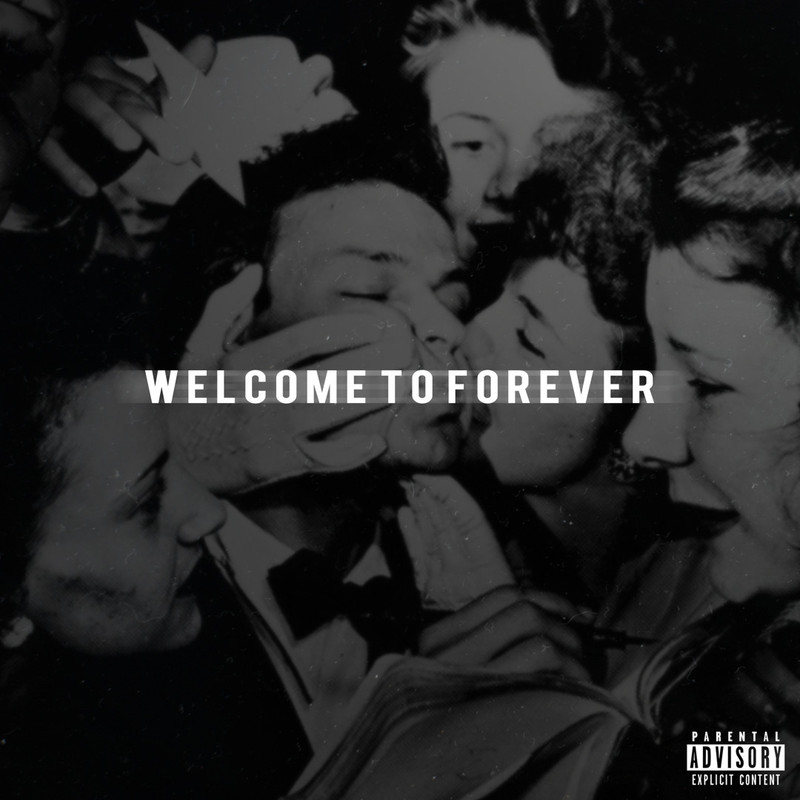
Sample: “Never More ~Okaeri~”—Persona 4: Golden OST (Aniplex, 2012), composed by Shoji Meguro
Persona 4‘s soundtrack, composed by Shoji Meguro, is one of the more eclectic game OSTs ever made—jazz-funk, J-pop, and atmospheric synths all coexisting. “Never More ~Okaeri~,” the melancholy ending theme, found its way into Logic and Jon Bellion’s “Welcome to Forever,” lending the track its bittersweet emotional core. Logic’s catalog is full of anime and gaming references; this one is subtle enough that it hits harder when you recognize it.
Evidence, “Synth Moments” (Prod. By Evidence)
Sample: “Wind Scene”—Chrono Trigger: Original Sound Version (NTT, 1995), composed by Yasunori Mitsuda
Evidence is one of rap’s most meticulous producers, and “Synth Moments” is a showcase of what that precision looks like when it’s aimed at a Chrono Trigger cue. “Wind Scene” is one of Mitsuda’s most airy and restrained compositions—a piece that evokes motion and open space without overstaying its welcome.
Evidence’s chop is surgical: the loop breathes, the percussion sits perfectly underneath it, and the whole track moves with the unhurried confidence of a producer who knows exactly what he has. Notably, this is the fourth Chrono Trigger source on this list, cementing Mitsuda’s score as perhaps the single most sampled game OST in sample-based music.
A$AP Rocky, “Jodye” (Prod. By A$AP Rocky & Joey Fatts)
Sample: “Destruction”—Breath of Fire IV OST (Capcom, 2000), composed by Yoshino Aoki
Breath of Fire is a franchise that time largely forgot, but its score contained something that A$AP Rocky’s producers clearly heard differently than everyone else. “Destruction,” a tense, minor-key battle piece by Yoshino Aoki, runs through almost the entirety of “Jodye”—a dark and paranoid track from Long.Live.A$AP that needed exactly this kind of menacing gravity underneath it. It’s one of the more obscure sources on this list, and one of the most effective.
2014
Kero Kero Bonito, “Sick Beat” (Prod. By Gus Lobban & Jamie Bulled)

Sample: “File Select”—Super Mario 64 (Nintendo, 1996), composed by Koji Kondo
“Sick Beat” is built almost entirely on the “File Select” music from Super Mario 64. Koji Kondo wrote it as functional UI music; Kero Kero Bonito’s producers Gus Lobban and Jamie Bulled recognized something catchy and jubilant in it and built an entire hyperpop-adjacent anthem around it.
The track captures exactly why the Japanese-British singer stood out in her early career: an ear for making music, and the sole purpose of being genuinely fun.
DRAM, “Cha Cha (Original Version)” (Prod. By Gabe Niles)
Samples: “Star Road” theme / Super Mario World sound effects—Super Mario World (Nintendo, 1990), composed by Koji Kondo
Long before DRAM became Shelley, “Cha Cha” was one of the hottest rap songs to emerge from the internet era—and a huge part of that is the beat, which runs on pure Super Mario World energy.
Koji Kondo’s Star Road theme and Mario sound effects are scattered throughout like Easter eggs in a level, giving the track a joyful, playful bounce that matched DRAM’s personality perfectly. Sadly, Nintendo would not clear the sample for the song’s mainstream debut, but the song still went on to be a hit without it.
Drake, “6 God” (Prod. By Boi-1da & Syk Sense)
Sample: “Haunted Chase”—Donkey Kong Country 2: Diddy’s Kong Quest (Nintendo, 1995), composed by David Wise
David Wise’s DKC2 score is a masterpiece of atmospheric game music—jungle percussion, aquatic ambiance, and deeply unsettling chase sequences. Drake’s producers found “Haunted Chase” and turned it into the brooding, paranoid backdrop for “6 God,” one of the standout tracks from the If You’re Reading This It’s Too Late era. The DKC2 OST has become something of a producer’s goldmine, but this remains its highest-profile flip.
Xavier Wulf, “Thunder Man” (Prod. By Shadow Grim)
Sample: “Never Forgive Me, Never Forget Me”—Silent Hill 3 (Konami, 2003), composed by Akira Yamaoka
Xavier Wulf built a lane in Memphis rap that leaned heavily into horror game aesthetics, and no track defines that more clearly than “Thunder Man.” Akira Yamaoka’s Silent Hill 3 composition is already deeply unsettling on its own; looped and pitched for a beat, it becomes something genuinely menacing. Wulf’s calm, icy delivery sitting over that horror score is one of the more distinctive sonic identities in underground rap.
Xavier Wulf, “Mobile Suit Woe” (Prod. By PURPDOGG)
Sample: “Ahead on Our Way”—Final Fantasy VII OST (DigiCube, 1997), composed by Nobuo Uematsu
Nobuo Uematsu wrote “Ahead on Our Way” as a brief, wistful travel piece for FFVII—the kind of music that plays while your characters walk to the next town. On “Mobile Suit Woe,” Wulf’s producer transformed it into something reflective and somber. It’s a tribute to Uematsu’s compositional depth that a track designed for transitional gameplay moments translates so naturally into an introspective rap beat.
Curren$y feat. Mary Gold, “El Camino” (Prod. By Kariu)
Sample: “Alex & Ken Stage (Jazzy NYC ’99)”—Street Fighter III: Third Strike (Capcom, 1999), composed by Hideki Okugawa
Street Fighter III: Third Strike has one of the most acclaimed fighting game soundtracks ever made—a full jazz and hip-hop influenced score that sounded nothing like its contemporaries. “Jazzy NYC ’99” is exactly what it sounds like: a funky, elastic New York jazz piece. Curren$y’s laid-back, smoke-hazed style is a natural fit for the source material, and “El Camino” feels less like a sample flip and more like a collaboration across time.
Bones, “RampartRange” (Prod. By Na$ty Matt)
Sample: “Temple of Light”—Fable Original Soundtrack (Sumthing Else, 2005), composed by Russell Shaw
Russell Shaw’s Fable score is orchestral, pastoral, and full of a fairy-tale melancholy that seems almost engineered for the kind of atmospheric, reverb-drenched rap that Bones traffics in. “Temple of Light” is one of the score’s most ethereal pieces, and producer Na$ty Matt’s treatment on “RampartRange” preserves that otherworldliness almost completely—it sounds less like a sample flip and more like a direct transplant. Bones’ detached, ghostly delivery sits over it like it was always supposed to be there.
2015
$uicideboy$, “Ugly” (Prod. By Budd Dwyer)
Sample: “Lavender Town Theme”—Pokémon Red and Blue (Nintendo, 1996), composed by Junichi Masuda
Pokémon‘s Lavender Town theme is already one of gaming’s most psychologically unsettling pieces of music—a simple, repetitive melody that works precisely because it refuses to be comfortable. The $uicideboy$ sound, built on glitchy, lo-fi horror atmospheres, is about as natural a home for Lavender Town as any beat could be. “Ugly” leans all the way into the creepiness of the source material, and the result is one of the more genuinely unnerving tracks in the duo’s catalog.
Bryson Tiller, “Sorry Not Sorry” (Prod. By Timbaland)
Sample: Street Fighter II Sound Effects—Street Fighter II (Capcom, 1991), composed by Yoko Shimomura & Isao Abe
Timbaland produced a smooth, R&B heartbreak record that opens on a Street Fighter II punch sound—and somehow it works completely. The SFII sound effects thread through “Sorry Not Sorry” as texture and punctuation, used less as a melodic sample and more as a rhythmic and tonal element, giving the beat its snap.
It’s a subtler deployment than most of the tracks on this list, which makes it easy to miss; once you hear it, it’s impossible to unhear. Timbaland has always had an unusual ear for percussion sources, and this is one of his stranger and more successful choices.
2016
Kanye West, “FACTS” (Prod. By Charlie Heat)
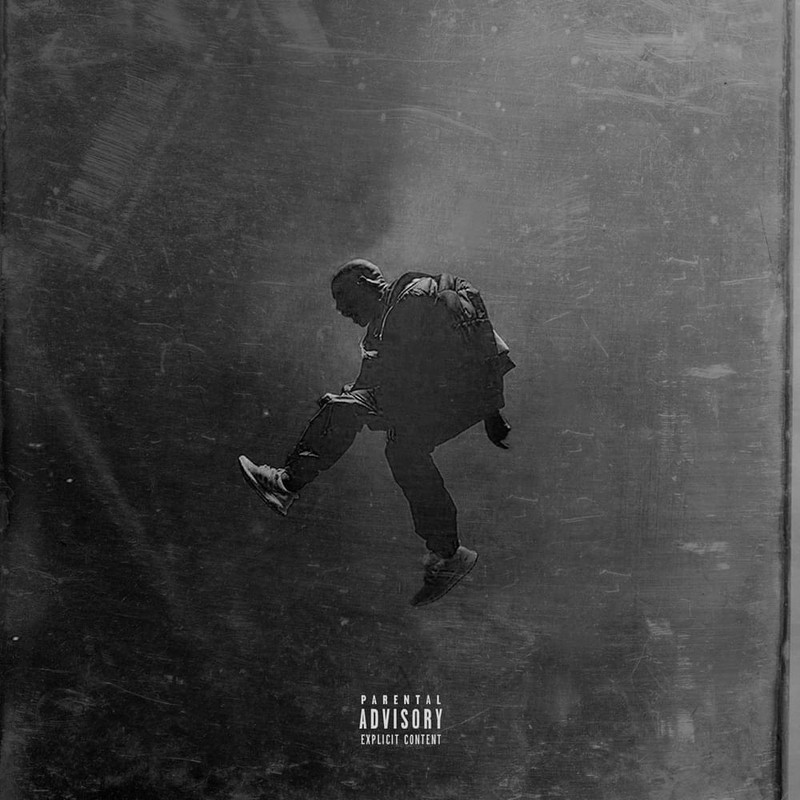
Sample: Street Fighter II sound effects—Street Fighter II (Capcom, 1991), composed by Yoko Shimomura & Isao Abe
Charlie Heat’s beat for “FACTS” turned a Kanye rant about sneaker culture into one of 2016’s most viscerally exciting rap tracks, and Street Fighter II sound effects are stitched throughout—punches, hits, and game audio chopped into the production as percussion and ad-libs. The Charlie Heat Version also incorporated the Guile and Dhalsim themes for extra depth. It’s maximalist and chaotic, which fits both the Street Fighter source and Kanye’s energy perfectly.
XXXTENTACION & Ski Mask the Slump God, “Freddy vs. Jason” (Prod. By WILLIE G & XXXTENTACION)
Sample: “HISTORIA”—Radiant Historia (Atlus, 2010), composed by Yoko Shimomura
One of Yoko Shimomura’s lesser-known game scores, Radiant Historia contains music that’s lush and emotionally complex in ways that make it well-suited to sampling. “Freddy vs. Jason” built its beat on “HISTORIA,” creating an ethereal, melodic backdrop for one of the defining early tracks of the SoundCloud rap era. The contrast between the delicate Shimomura composition and the abrasive performances is a big part of why the track has stayed impactful.
R.I.P. XXXTENTACION, 2018
$NOT, “By Myself”
Sample: “Dearly Beloved”—Kingdom Hearts Original Soundtrack (Toshiba-EMI, 2002), composed by Yoko Shimomura
“Dearly Beloved” is Kingdom Hearts‘ main menu theme—a delicate piano piece by Yoko Shimomura that thousands of players heard before every session and that carries an almost disproportionate emotional weight for something designed as background music.
$NOT found it in 2016 and built “By Myself” out of it: an early SoundCloud rap track from before $NOT had any national profile, featuring the kind of hazy, melancholic production that defined that era’s most interesting underground work. It’s one of the quieter and more emotionally resonant Kingdom Hearts samples in this genre, and it arrived before most of the internet knew to look.
2017
Trippie Redd, “Love Scars” (Prod. By Elliot Trent)
Sample: “Inside the Crashed Space Pirate Frigate”—Metroid Prime & Fusion Original Soundtrack (Scitron, 2003), composed by Kenji Yamamoto
“Love Scars” became one of Trippie Redd’s signature songs, and the production is a key reason why. The Metroid Prime sample—an atmospheric, alien-sounding piece from the crashed frigate segment—creates an otherworldly quality that elevated Trippie’s melodic, emotionally raw delivery. It’s an unusual game to source from, which makes the resulting track feel that much more distinct.
Kodak Black, “Patty Cake” (Prod. By Ness & Ben Billions)
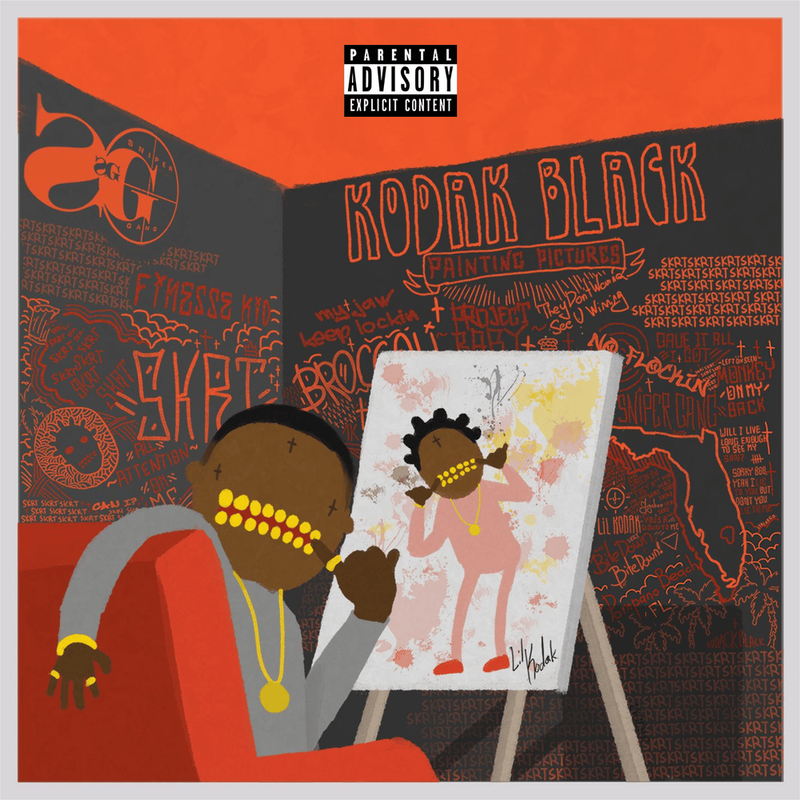
Sample: “Assault”—Final Fantasy XIII (Square Enix, 2009), composed by Masashi Hamauzu
Hamauzu’s FFXIII score was one of the more ambitious and polarizing game soundtracks of its era, built on classical piano, orchestral swells, and tense combat music. “Assault” lands in “Patty Cake” as the kind of dramatic, sweeping backdrop that makes a rap track feel cinematic in scope. It’s a producer finding something massive in an unlikely place and making it work for an entirely different context.
2018
Baby Keem, “Gang Activities” (Prod. By Cardo)
Sample: “Brinstar – Underground Depths”—Super Metroid OST (Nintendo, 1994), composed by Kenji Yamamoto & Minako Hamano
Super Metroid‘s soundtrack is ambient and oppressive in all the right ways—perfect for a game about exploring a hostile alien planet alone. “Brinstar – Underground Depths” has a density to it that translated directly into “Gang Activities,” one of the earliest tracks to signal that Baby Keem was operating on a different level. The Metroid loop gives the beat a suffocating atmosphere that matches the song’s energy.
Logic feat. Wale & John Lindahl, “100 Miles and Running” (Prod. By 6ix & Logic)
Sample: “Rambunctious”—Fortnite (Epic Games, 2018), composed by Rom Di Prisco
The most contemporary game on this list meets one of the more meta sample choices: Fortnite was at its absolute cultural peak in 2018, and Logic’s producer pulled “Rambunctious” from its in-game music while the game was still at the center of pop culture conversation.
It’s a rare case of a sample being as current as the song using it—no nostalgia involved, just a producer recognizing that the Fortnite OST had something worth taking. The Apache break handles the drums; the Fortnite loop handles the energy.
2020
Pop Smoke feat. Lil Tjay, “Mannequin” (Prod. By 808Melo & CZR Beats)
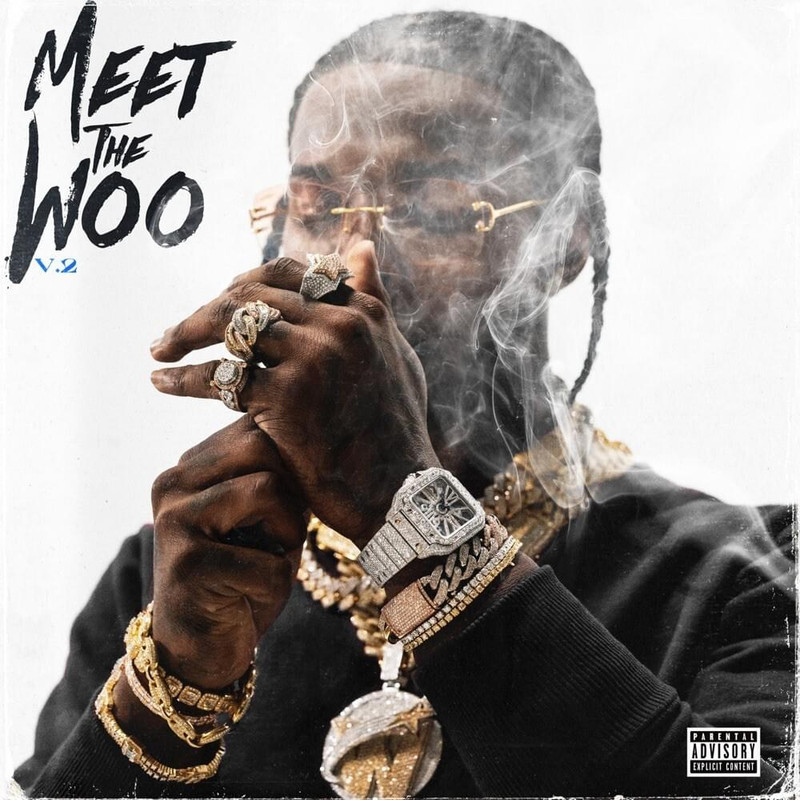
Sample: “Prelude”—Resident Evil 6 (Original Soundtrack) (Capcom, 2012), composed by Laurent Ziliani & Thomas Parisch
Pop Smoke’s posthumously released Meet the Woo 2 contains “Mannequin,” a track whose sample makes it one of the stranger entries in the Brooklyn drill catalog: “Prelude,” the opening orchestral piece from the Resident Evil 6 score, sits under the track from the very first second.
Laurent Ziliani and Thomas Parisch wrote it for a Capcom survival horror game; producers 808Melo and CZR Beats heard something cinematic and imposing in it that translated directly into drill. The gap between “Resident Evil horror score” and “Brooklyn street rap” somehow closes completely.
R.I.P. Pop Smoke, 2020
Key Glock, “Flyest Highest Coolest Smoothest” (Prod. By Oh Ross & RamyOnTheBeat)
Sample: “Ezio’s Family”—Assassin’s Creed 2 (Original Game Soundtrack) (Ubisoft, 2009), composed by Jesper Kyd
Jesper Kyd’s “Ezio’s Family” has become one of the most recognizable pieces of game music from its era—a Renaissance-inflected, mandolin-and-strings piece that perfectly captures the Florentine world of Assassin’s Creed 2. It’s emotional and grandiose in a way that translates easily across contexts, and Key Glock’s producers used it as the sweeping backdrop for one of the standout tracks on Yellow Tape. Pairing one of Memphis rap’s sharpest voices with Italian Renaissance game music shouldn’t work as well as it does.
JPEGMAFIA, “BALD!” (Prod. By JPEGMAFIA)
Sample: “Move Me”—Ridge Racer Type 4 (Namco, 1999), composed by Kohta Takahashi
Ridge Racer Type 4‘s soundtrack is a hidden gem—acid jazz and trip-hop compositions that soundtracked late-’90s PlayStation racing in the most unexpected way. JPEGMAFIA found “Move Me” and warped it into something abrasive and disorienting for “BALD!,” a track that captures exactly why Peggy is one of the most interesting producers in rap. It’s one thing to sample a game OST; it’s another to pick one this deep in the catalog.
2023 — Travis Scott feat. Beyoncé, “DELRESTO (ECHOES)” (Prod. By Travis Scott, Hit-Boy, Mike Dean, Beyoncé & Allen Ritter)
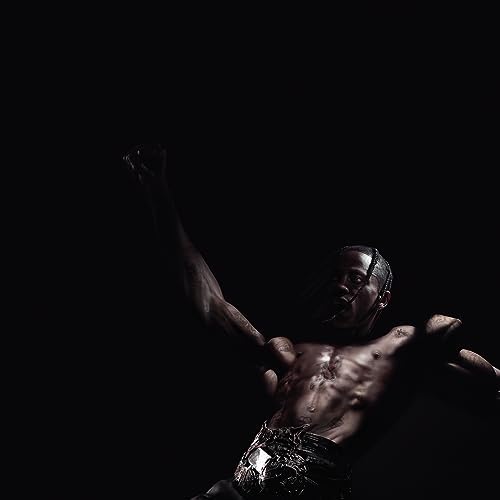
Sample: “Warped Woods”—Ittle Dew (Ludosity, 2013)
The most unexpected sourcing on this entire list: a 2013 indie puzzle game. Ludosity’s Ittle Dew is a charming, low-budget Zelda-like that most people have never heard of, but its soundtrack contained something that caught a producer’s ear a decade later. “DELRESTO (ECHOES)” from Travis Scott and Beyoncé’s UTOPIA collaboration is glossy, maximalist pop-rap—an ocean apart from the source material. That gap is part of what makes it fascinating.
Here’s a Playlist featuring all 50 songs (Parental Advisory & Explicit Content)
