
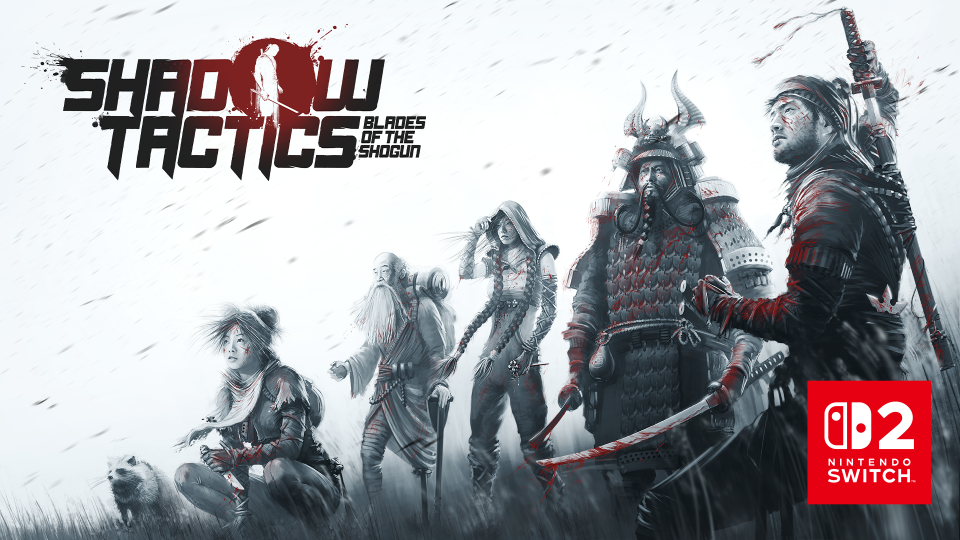
What is Shadow Tactics?
There’s something quietly surprising about the way Shadow Tactics (Blades of the Shogun and Aiko’s Choice) by Daedalic Entertainment pulls you in. Going into it, I didn’t have much experience with tactics games—this was my first real exposure to the genre—and I expected a slower, maybe even boring start. Instead, within about 30 minutes, I found myself genuinely engaged, even a little hooked. It didn’t take long to answer the question: Is Shadow Tactics worth playing for beginners? With its clear mechanics, accessible gameplay, and welcoming introduction to stealth tactics, the answer feels like a confident yes.
Controls and Mechanics
At first, there’s a brief adjustment period. You’re learning the controls, figuring out what kind of game this is, and orienting yourself in its isometric, top-down perspective. But once that clicks, the game opens up in a way that feels both inviting and deliberate. It’s not overwhelming—it’s structured. And that structure is what makes it work.
You begin as a ninja, easing into the mechanics through a clear tutorial without feeling restrictive. The game does something subtle but important: it tells you exactly what you need to do, but still allows you to make mistakes. That balance—guidance without pressure—is what makes the onboarding feel so effective. You’re not guessing what the game wants from you, but you’re also not being punished for experimenting.
One small but memorable moment that stood out early on was learning how to use the shuriken. The game introduces a line-of-sight system where your attack path shifts from red to green, depending on your character’s positioning. It’s simple, visual, and immediately understandable—but more importantly, it forces you to think spatially. That’s when it clicked for me: this isn’t just about pressing buttons, it’s about reading the environment.
Presentation, Characters, and Style
As the game progresses, even in this early stage, you’re introduced to additional characters, like a stoic samurai who contrasts sharply with the more unpredictable ninja. The personalities come through clearly, even if the voice acting leans a bit campy at times. It works, though—it gives each character a defined presence, and you can already sense how their different approaches might shape gameplay moving forward.
What also stood out is how well the game maintains its sense of place. There’s a strong feudal Japan aesthetic running through everything. This includes the environments, the sound design, and even the pacing. It almost feels like you’re moving through a stylized period film, one careful step at a time. The visuals carry a muted, earthy tone, and the isometric view gives everything a slightly comic-book-like presentation, which adds to its distinct identity.
There’s also a rhythm to how you engage with the game. You’re not rushing through it. Instead, you’re observing, planning, executing. It’s almost like working through a board game or puzzle. It slows you down in a way that feels intentional, encouraging a more thoughtful style of play that I didn’t expect to enjoy as much as I do.
Even small touches, like the loading screen tips, reinforce that sense of learning. They’re not just filler—they actively help you refine your understanding of the mechanics between attempts. It creates a feedback loop where every failure feels part of the process rather than a setback.
Is Shadow Tactics Worth Playing for Beginners?
Even at this early stage, it already feels like a strong entry point into the genre. There’s a clear sense that things will get more intricate, more demanding, and I’m actually looking forward to that. The foundation is strong enough that I want to see where it leads.
If there’s one reason I’d recommend Shadow Tactics, especially to someone like me who hasn’t played many tactics games, it’s that it feels approachable without being shallow. It invites you in, teaches you how to think, and then quietly challenges you to do better.
