
What is Monster Hunter Stories 3?
While Capcom is famous for its Monster Hunter franchise, it’s a franchise defined by multiplayer hunts with friends across massive wild worlds. That has recently changed with the Monster Hunter Stories spin-off series. They take various ideas from the mainline games and implement them in turn-based RPG’s.
Following a successful string of games across the Nintendo 3DS and Nintendo Switch, the series returns with Twisted Reflections. After playing through my over forty-hour adventure, this is one JRPG experience that’s a breath of fresh air in the monster-catching genre, despite some challenging encounters.
Publisher/Developer: Capcom
Platforms: Nintendo Switch 2, Xbox Series X/S, PlayStation 5, PC
Release Date: March 13th, 2026
Price: $69.99
Reviewed On Nintendo Switch 2
Premise of Monster Hunter Stories: Twisted Reflection
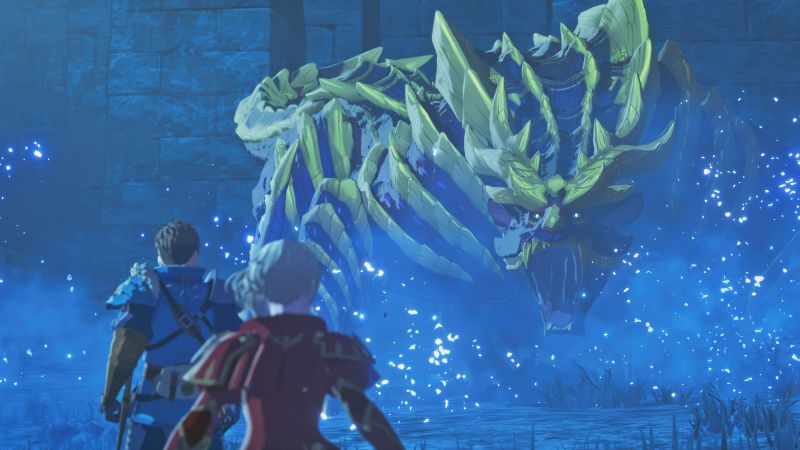
Set 200 years after a massive battle against a great monster, the kingdoms of Azuria and Vermeil are divided, dealing with the Crystalizing Encroachment differently. While the more prosperous kingdom of Azuria isolates itself from the outside world, the kingdom of Vermil had to take more drastic measures to combat the situation.
It all comes to a head when the Prince/Princess of Azuria (the protagonist) and his Ranger allies work alongside the Princess of Vermil, Eleinor, to find a solution and prevent war between the two kingdoms. The narrative explores themes of respecting nature, loss, and more. Each topic was handled with grace, expressed through strong voice acting for each character and solid writing.
I particularly loved seeing the protagonist develop over the course of the game. They are a steadfast leader who cares for their family and their kingdom. But he is in the dark about a lot of the land’s deeper mysteries, learning about his ancestor’s role in the current world-state. His reaction to this knowledge, alongside other surprising revelations over the course of their journey, makes them a deeper character than expected.
Finding Family – Core Cast
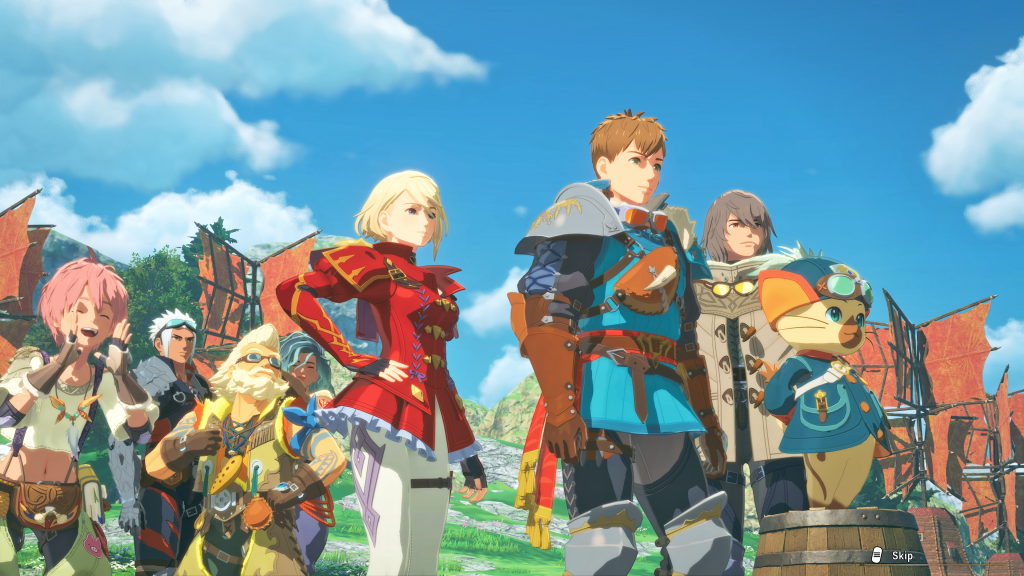
It’s not just the protagonist who has an engaging arc, as his allies take the stage in different ways throughout the adventure. Each party member and ally brings something unique to the table, making them memorable characters that you want to root for.
From Eleinor’s warm personality despite her kingdom’s grim state, the loyal palico Rudy’s growth from royal attendant to a genuine partner to the protagonist, and the unexpected depth of Simon’s arc across the adventure, the core allies stick with you.
In particular, the final story beats take these specific characters and put them in directions that fit their characters and give them satisfying payoffs.
A Social Link – Allies & Side Stories
- The Bulk of the emotional developments for the other Rangers reside here. These quest lines run throughout the entire game, being in waves of chapters.
- From helping Ogden uncover who is sending him pages to build up the Monsterpieda, learning about Eleinor’s life in Vermil, and helping Thea find the Gale Force Porkers, these are charming adventures that pair nicely alongside the serious tone of the main quest.
- The rewards from completing chapters in these quest lines are very helpful, ranging from new recipes for traps/cooking, powering up each rider’s Monstie, and even unlocking additional weapons for them.
But it’s not just Eleinor, Simon, and Rudy in the protagonist’s corner. He has his team of Rangers, who are responsible for preserving the land and helping restore dominant monsters to various ecosystems. Each one has Side Stories, which are Persona-like social links that players can engage with over the course of the main story.
Each chapter has the protagonist tag-along with his allies in little adventures, ranging from racing the Gale Force Pokers with the newest Ranger Thea to piecing together a fun mystery with adventurer Ogden. Sometimes the side stories even intersect, cementing the Rangers as the protagonist’s found family.
Completing each side story offers rewards, ranging from new skills, weapons, and a fantastic reward for fully completing every chapter in a character’s Side Story. These are fantastic inclusions to the game, being a great complement to the heavier themes present in the main storyline.
Exploring the World – Progression and Monsties
- The world is huge, composed of four unique biomes with things to see and do.
- Collecting monster eggs and hatching them adds them to your party. The number of Monsties to work alongside are immense, covering the entire Monster Hunter franchise.
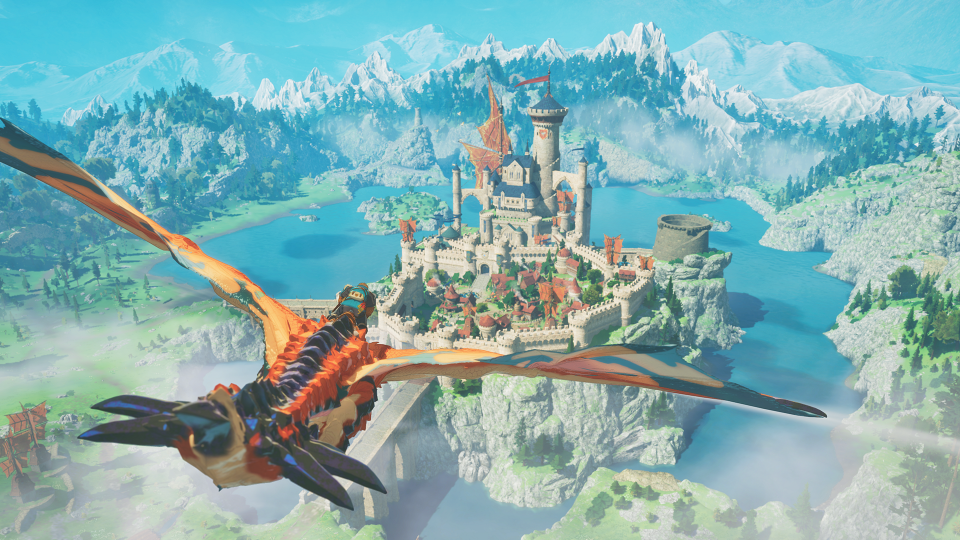
The adventure takes place across four unique biomes, with players riding on top of their Monstie to explore. Flying, swimming, and climbing across these varied landscapes is the focus, with exploration having light platforming elements as the game progresses.
During exploration, players will come across items in the field to pick up, monster tracks, and even monster dens with elusive eggs to collect. Eggs have monsites inside them to hatch, which are composed of iconic monsters across the Monster Hunter series. From the iconic Rathalos to the Canyne from Monster Hunter: Rise, it’s a joy finding unique monsters to work alongside.
Powering up these monsties features insane depth, with the backbone of that being mechanics like Rite of Channeling and Habitat Restoration. The former has you mixing and matching genes based on elements and attack types (Power/Speed/Technical). Meanwhile, the latter leans on defeating Feral Monsters to create Campsites. Upon doing so, you can free monsters back into the wild after hatching them and increase their species rank.
This bolsters the population and could even result in cool mutations, changing a monster’s color and giving it dual elements. These mechanics add depth to monster catching in ways not seen in other games in the genre, like Pokémon or the modern Digimon RPG’s.
Riding Out – Gear and Crafting
But exploration is critical for making the protagonists stronger too, as defeating monsters, finding items, and completing side quests can help gather enough resources for crafting.
This can range from crafting items in the field for battles (like Herbs and traps to pin-down Monsters) to crafting impressive weapon and armor sets. Across the entire adventure, I was frequently crafting new gear to combat the game’s intense battles. And if you have a particular favorite set, you can save loadouts that you can change in the equipment menus.
Every weapon and armor can be leveled up three times, opening up slots for accessories, giving additional passive and active skills for battle. This is an awesome feature, as you can give your weapon a special skill you personally enjoy (like a Lunge Stance for a Long Sword), using it for an underpowered weapon, for the more powerful option.
The Great Battle – Combat System
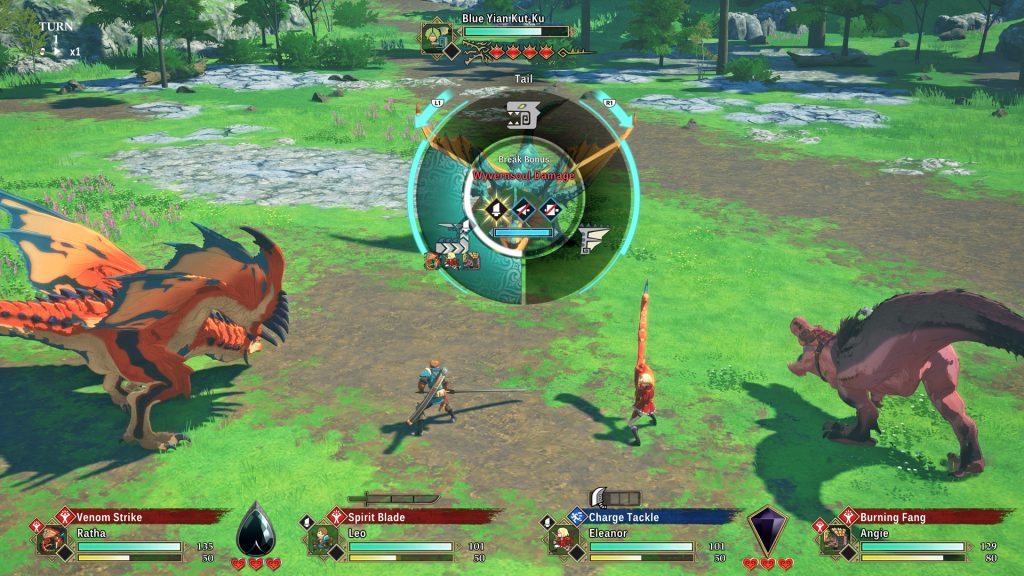
Combat in Monster Hunter Stories 3: Twisted Reflection is, by far, the game’s greatest strength. It’s a turn-based affair, with the player having full control over the protagonist and his equipped Monstie. Battles start simply, with the player selecting either a skill (using Stamina) or a basic attack (using Power/Speed/Technical type). In addition, you can select the skills your monstie can utilize, though regarding basic attacks, they will make that call on their own.
But things quickly evolve from this core baseline. Type attacks can be broken by selecting the right style. It works like the following:
- Power -> Techincal
- Speed-> Power
- Techinal -> Speed
Picking the right one in a given situation can genuinely make or break a battle. I had numerous late-game battles that kept me on the edge of my seat due to this mechanic. Thankfully, your AI-controlled allies can help you out, as they typically make the right call, telling the player what the best attack to use in a situation is.
The game also leverages a ton of other mechanics. Unique weapon types (ranging from long swords to gunlances), elemental weaknesses, and attacking monster limbs, breaking them to trigger staggers to give you a needed breather.
The Right Tool – Weapons & Part Breaking
I went over this aspect of the game in my preview, and a lot of what I said there applies here. And after playing throught the main questline, I learned more nuances of the different weapons. Being able to stack buffs with the Hunting Horn so more powerful melee attacks can be utilized, or different stances can be enabled for the Long Sword to be offensive or defensive, and smartly utilizing the Gunlance’s mixture of defensive guarding and long-ranged shooting was a blast.
Equipping accessories to your weapons also grants them new skills to utilize in battle, adding further depth to the proceedings. Picking the right weapons and accessories is important, as specific monster parts are weak to them (ranged, heavy, blade).
And since the protagonists can have up to three weapons equipped at a time, you aren’t stuck to just one weapon type like your party members, when in battle.
Engaging Bosses and Feral Monsters in Twisted Reflections
Where the combat sings the most is during the game’s intense boss encounters. These are typically Ferral Monsters, who require mastery of the game’s deep combat mechanics.
Every major boss encounter had me sweating, trying to figure out how to take out each monster part, and it often pushed me to avoid relying on a single weapon or strategy. From the dangerous vampire-like monster Malzeno and many others, who pushed me to change which element I attacked with. I was always thinking of ways to defeat the game’s many Monster battles.
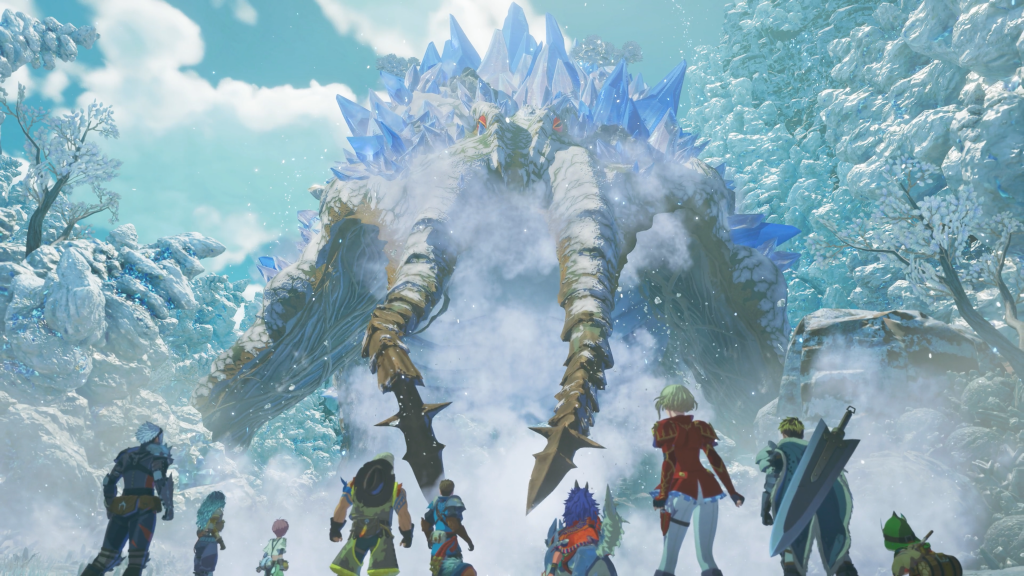
You cannot brute-force your way through these encounters; they demand you pay close attention to every attack coming your way. And having the right weapons or an ally for the job can make or break a battle.
This came to a head during the game’s final wave of encounters, challenging me in ways other JRPG’s, frankly, never did. Beating these battles felt euphoric and immensely rewarding.
In addition, you also have encounters with invasive monsters, which require a puzzle-like approach. One standout encounter had me fight a crab monster, and after learning about its weakness to the Armorskin item, I used it at just the right time to shatter its pincers, making it run away and getting access to the campsite once more.
Tough as Nails – Difficulty and Level Scaling
Despite this high praise of Twisted Reflection’s challenge, it can sometimes be borderline unfair, specifically, in numerous late-game battles. Even though I had the right gear or Monstie for the job, the immense wall that the higher level of these threats created just made things challenging for the wrong reasons.
In the game’s defense, there are ways it leans in the players’ favor. Upon winning battles, your health and stamina are fully restored, and the game offers hints for bosses when you lose to them. But that doesn’t help much when the game’s final battles outright demand players hit a specific level cap (ideally being level 65 or higher) to have a fair fight.
This isn’t new for the Stories series, or mainline Monster Hunter, for that matter. But when other modern JRPG’s like Final Fantasy VII Remake and the Persona series offer accessibility features or difficulty options, this is a problem for people who desire to focus on enjoying the story.
Sharpend Scales – Presentation
- A beautiful-looking RPG adventure, with unique biomes that all feature striking visual details.
- The late-game areas are particularly beautiful, featuring snow-like areas that popped off the Switch 2 screen.
- Animation work for the characters and monsters is impressive due to strong attention to detail and noticeable little details.
Boosting an impressive cel-shaded art style, Stories 3 is a looker on Nintendo Switch 2. Vast landscapes are clear on the handheld’s large screen, with each biome having detailed textures and easy-to-read landmarks to discover. Each biome uses vibrant colors effectively, with personal highlights being the lush Legend of Zelda-esque Azuria biome and the final late-game areas.
Supporting the strong visuals is equally impressive animation work. Every single monster has unique animations, as do the protagonist and their party members. Seeing the Riders masterfully use the Long Sword like a samurai, Gaul pulling all his strength into firing icy arrows, and the downright gorgeous Final Fantasy Limit Break-esque Kinship Attacks for every monster is a visual treat for the eyes.
Every time I was able to pull one off, simply seeing the beautiful in-engine animations was a reward in itself, highlighting the personalities of each Monstie you fight alongside.
A Monstrous Score – Music of Monster Hunter Stories 3
The Monster Hunter series is no stranger to powerful soundtracks, with Stories 3 being no exception. The main battle themes across my experience so far were emotionally powerful melodies, using varied instruments like violins and more, to add weight to battle encounters. Azuria’s Large Monster theme is a great example of this, playing often and having an effective rhythm to keep the long battles going.
Other battle themes were equally engaging, featuring bombastic melodies and a sweeping orchestral score that kept me engaged even in the most challenging of battles. And the cut-scene music is equally powerful, adding to the emotional moments.
In particular, the final pieces of music that played during the game’s conclusion had me get emotional.
Mighty Roars – Audio/Voice Acting
- General sound effects and combat sounds are fantastic, with every attack having ‘ompth’ and impact. The critical hit sound effect is incredibly rewarding to hear when landing a powerful blow, with a sharp soundbite.
- Monster sounds are great too, sounding right for each monstie and monster you come across.
- The game is completely voice-acted for the main quest and side stories, with each English VA effectively bringing their characters to life.
Matching the powerful score is an effective sound design. Every monster sounds unique, having powerful roars and grunts as you fight against them. And landing powerful strikes with your weapons and Monstie skills has an audible punch. Sizzling fireball blasts, crackling thunderballs, and a fantastic-sounding critical hit soundbite highlight the strong audio work on display.
The game also features heavy voice acting, with every major story cut-scene and side story having full voice acting. I really enjoyed the performances, with the male protagonist (voiced by Aleks Le of Solo Leveling and Persona 3 Reload fame) doing a great job balancing a grounded tone.
A special shoutout to Rudy’s voice actor (Cristina Valenzuela of Unicorn Overlord and Grand Blue Fantasy fame) as well. They provide a charming performance that juggles the ‘play by the books’ personality they start with and develops a more confident voice as the story progresses.
Performance of Stories 3
Playing through the adventure on Nintendo Switch 2, it was largely stable. Across both handheld and docked play, the game runs at a dynamic resolution and at an unlocked frame rate. While the game can sometimes hit a stable 60 FPS, most of my experience hovered around 30-40 FPS.
For a turn-based JRPG, this performance didn’t bother me, and when the game needed to run the smoothest (combat and general exploration), it was good enough. However, the lack of any major improvement over the preview experience is a disappointment, as the uncapped frame rate can be a problem for some players.
Hopefully, in the future, the game will be updated to support a 30 FPS cap option.
Closing Thoughts on Monster Hunter Stories 3: Twisted Reflection
In a world where JRPG’s are on the rise, it’s impressive to see the Monster Hunter Stories series continue to improve upon each installment. And the leap from Stories 2 is significant, putting the series on par with other juggernauts in the genre.
Using deep turn-based combat mechanics, a strong narrative, and impressive production values, Monster Hunter Stories 3: Twisted Reflection stands tall in what is a landmark year for Capcom as a publisher. Challenging difficulty, uneven level scaling, and minor performance problems do little to sour what is one of 2026’s best JRPG adventures.
Score: 8.5 out of 10
The publisher provided a code for the purpose of this review.
Pros:
- An engaging narrative with surprising twists and turns
- Strong cast of characters with enjoyable side stories
- Fantastic and deep turn-based combat with a wide variety of options for any battle
- Expansive biomes to explore with an immense amount of content to experience
- Deep Mechanics leveling up mechanics that are approachable to newcomers to the Stories series
- Great presentation with an equally memorable soundtrack
Cons:
- Minor performance drops in both handheld and docked modes
- Level scaling is uneven during the game’s final stretch
- Lack of accessibility and difficulty options
