
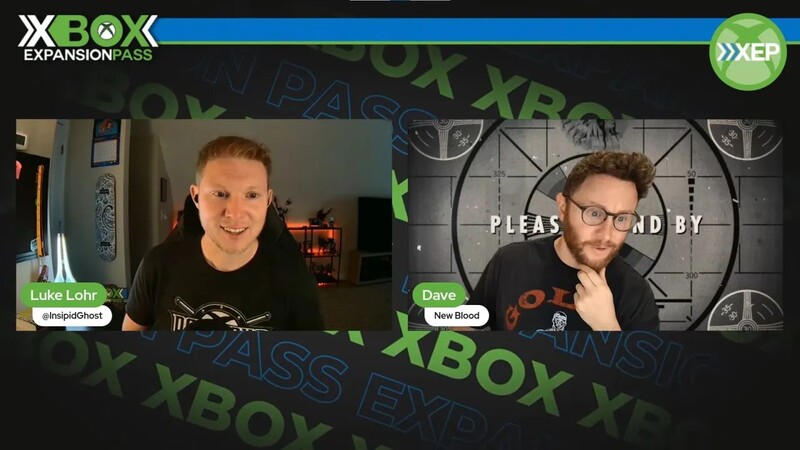
People continue to weigh in on the video game industry outlook in 2026. The year 2026 continues to evolve as new insights emerge from a recent interview conducted by Luke Lohr (Insipid Ghost) on the Xbox Expansion Pass. Luke Lohr (Insipid Ghost) on Xbox Expansion Pass offers a candid and revealing look at today’s video game industry through the lens of indie development.
Speaking with New Blood Interactive CEO and co-founder Dave Oshry, the discussion covers everything from the unsustainable nature of AAA budgets to the realities of publishing across platforms like Steam and Xbox. More importantly, it highlights a growing divide between how large corporations approach game development. Also, how indie studios are redefining success.
AAA Development Is “Not Sustainable”
- Massive budgets are forcing unrealistic expectations
- Even multi-million dollar sales don’t guarantee profitability
- Investors, not creativity, often drive decision-making
One of the most striking parts of the interview centers on AAA development costs. And how out of control they’ve become with Dan saying this:
“I’ve never understood how you can budget for a game that has to sell like 3 million copies to break even… that’s insane.”
“That’s not sustainable. That’s insane.”
Oshry also explains that modern AAA development often relies on massive investments, where studios must hit enormous sales targets just to survive.
“It’s an insane system… You get investment money, make a game that has to hit huge numbers, and hope to break even.”
This model, he argues, leads directly to layoffs, studio closures, and a lack of long-term stability across the industry.
Indie Success Looks Completely Different
- 50K–100K copies = major success
- Lower budgets allow creative freedom
- Profitability doesn’t require massive scale
In contrast, indie studios like New Blood operate with a completely different mindset. Dan said this:
“If a game sells 50 to 100 thousand copies, that’s a big hit for us.”
Instead of chasing massive sales numbers, indie developers focus on sustainability and creative control. This flexibility allows them to:
- Take creative risks
- Avoid investor pressure
- Continue developing games long-term
It’s a fundamentally different approach. Also, one that’s proving increasingly viable in today’s market.
Steam Dominates, and It’s Not Close
- PC remains the largest gaming platform
- Steam sales vastly outperform consoles
- Indie success is heavily tied to PC ecosystems
One of the clearest insights from the interview is just how dominant PC gaming has become.
“One week of sales on Steam is almost equal to months and years on consoles for us.”
For New Blood, Steam isn’t just the primary platform; it’s the backbone of their business. This reinforces a broader industry trend:
- PC offers faster updates
- Fewer restrictions
- Greater direct control for developers
Console Development, “Especially Xbox,” Remains a Challenge
- Certification and approval processes slow development
- Backend systems feel “corporate” and restrictive
- PC allows instant updates and full control
While consoles still carry prestige, Oshry doesn’t hold back when discussing the development experience, especially on Xbox.
“The Xbox stuff was always a pain… It’s very corporate backend… it feels more like software development than game development.”
“There’s so much back and forth… you have to email someone, wait… it’s just a lot compared to PC where we can do everything ourselves.”
“On PC we can launch and patch things ourselves immediately… on console, everything has to go through certification.”
This difference in workflow highlights why many indie studios prioritize PC over console releases.
Xbox Strategy and Missed Opportunities
- Microsoft failed to capitalize on Windows dominance
- Steam filled the gap and became the industry leader
- Xbox messaging lacks consistency
Oshry also offers a blunt assessment of Xbox’s long-term strategy.
“Windows is installed on every computer in the world and they let Valve build the most popular gaming platform on it… and they’re just standing there like, ‘what the hell is going on?’”
“Microsoft and Xbox had so much time… and they’re just kind of floundering.”
While he acknowledges the potential of ideas like “play anywhere,” the lack of consistency has created confusion for both developers and consumers.
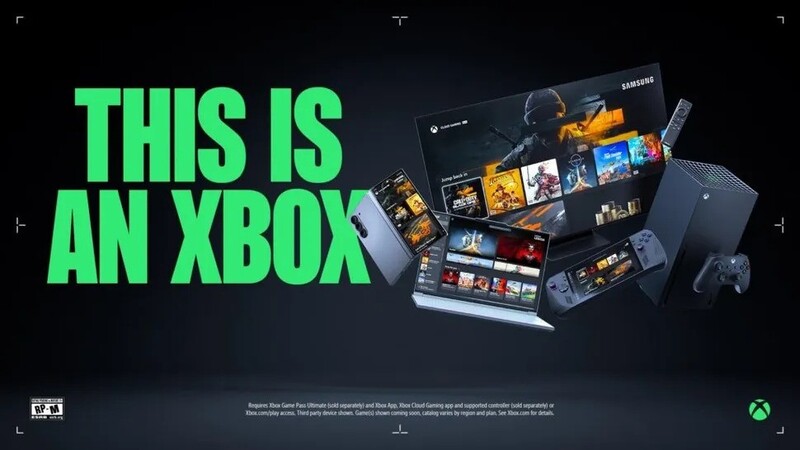
“This Is an Xbox,” A Strategy That Needed Commitment
- Cross-platform ecosystems make sense
- Messaging must be clear and long-term
- Consumer confusion undermines adoption
Oshry believes the concept behind Xbox’s broader ecosystem is solid, but execution is lacking. He said this:
“If they wanted that strategy to work, they had to stick with it long term… it has to be clear and consistent.”
Without that clarity, even strong ideas struggle to gain traction.
Games as Art vs. Business
- AAA prioritizes financial performance
- Indie studios emphasize creativity
- Industry tension continues to grow
Another key theme is how differently games are viewed depending on the level of development.
“It’s just bookkeeping… It’s not art to them.”
For large publishers, games are often treated as financial products. For indie developers, they remain creative expressions first. That divide continues to shape the future of the industry.
Studio Philosophy: “We Hate Money”
- Focus on passion over profit
- Avoid chasing trends
- Prioritize fun and creativity
In one of the more memorable quotes from the interview:
“We hate money.”
While said jokingly, it reflects a real philosophy. One that prioritizes creative freedom, sustainable growth, and making games they actually want to build.
The Bigger Picture for 2026 Gaming
This interview highlights a clear shift happening across the industry. AAA development is becoming harder to sustain, with massive budgets and expectations putting increasing pressure on studios. At the same time, indie developers are proving that success doesn’t have to mean millions of copies sold. It is just smart scope, strong ideas, and sustainability.
PC continues to lead the way, while platforms like Xbox are still trying to define their long-term direction. The ideas are there, but consistency and execution remain key. Ultimately, Dan’s video game industry outlook in 2026 shows that success may depend less on scale and more on sustainability.
Interview conducted by Luke Lohr (Insipid Ghost) via Xbox Expansion Pass.
