
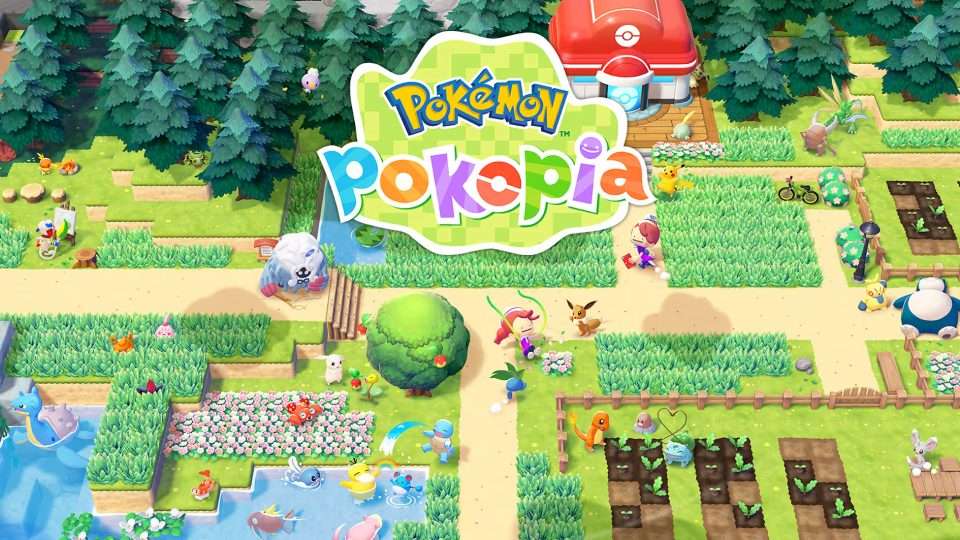
What is Pokémon Pokopia?
On the surface, Pokémon Pokopia is easy to describe as Animal Crossing meets Minecraft (or Dragon Quest Builders) with a Pokémon skin thrown on top. In reality, it’s the ultimate Pokémon experience. I’ll explain what I mean by that.
Most Pokémon games put you in a trainer’s shoes, where, outside of a few legendaries, Pokémon take a backseat in the narrative. The hundreds you catch usually become fodder, with only a handful of favorites getting real spotlight—and even then, only as really cool pets. The franchise has always sold the idea of friendship between humans and Pokémon, but because you can’t speak to them or understand them, there’s a ceiling to how deep that connection can actually go as the player.
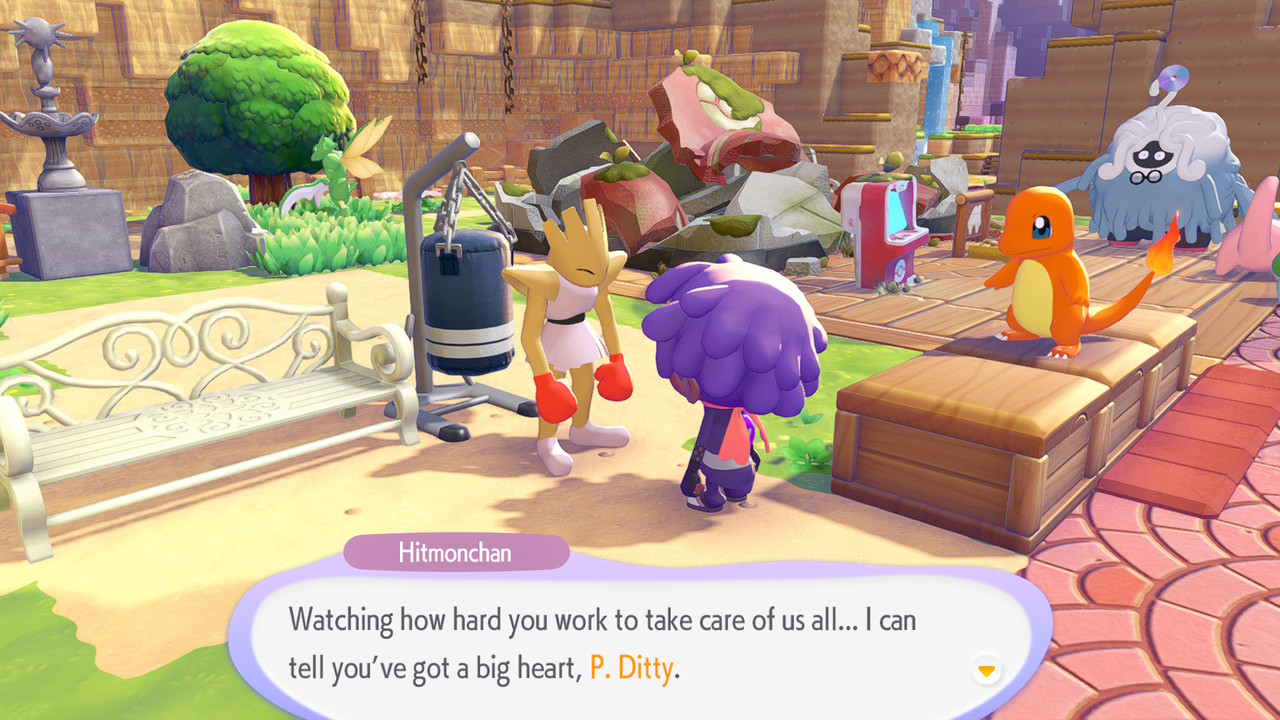
Pokémon Pokopia shatters that ceiling. Playing as a Ditto that transforms into a trainer, you get the best of both worlds. You take care of Pokémon as a trainer would, but you can also speak to them and understand them fully. With 300 Pokémon in Pokopia, not one of them feels like fodder destined to collect digital dust in your PC. You see them live their lives. They come up to greet you, ask for favors, bring you gifts, assist with building and crafting, and you, in turn, take care of them and improve their living conditions.
Pokémon Pokopia not only exceeded my expectations in both content and quality, but most of all, it made me fall in love with Pokémon like never before.
Developer & Publisher: Game Freak & Koei Tecmo Omega Force / Nintendo & The Pokémon Company
Platform: Nintendo Switch 2
MSRP: $69.99
Release Date: March 5, 2026
Presentation & Soundtrack — A Total Vibe Visually and Sonically
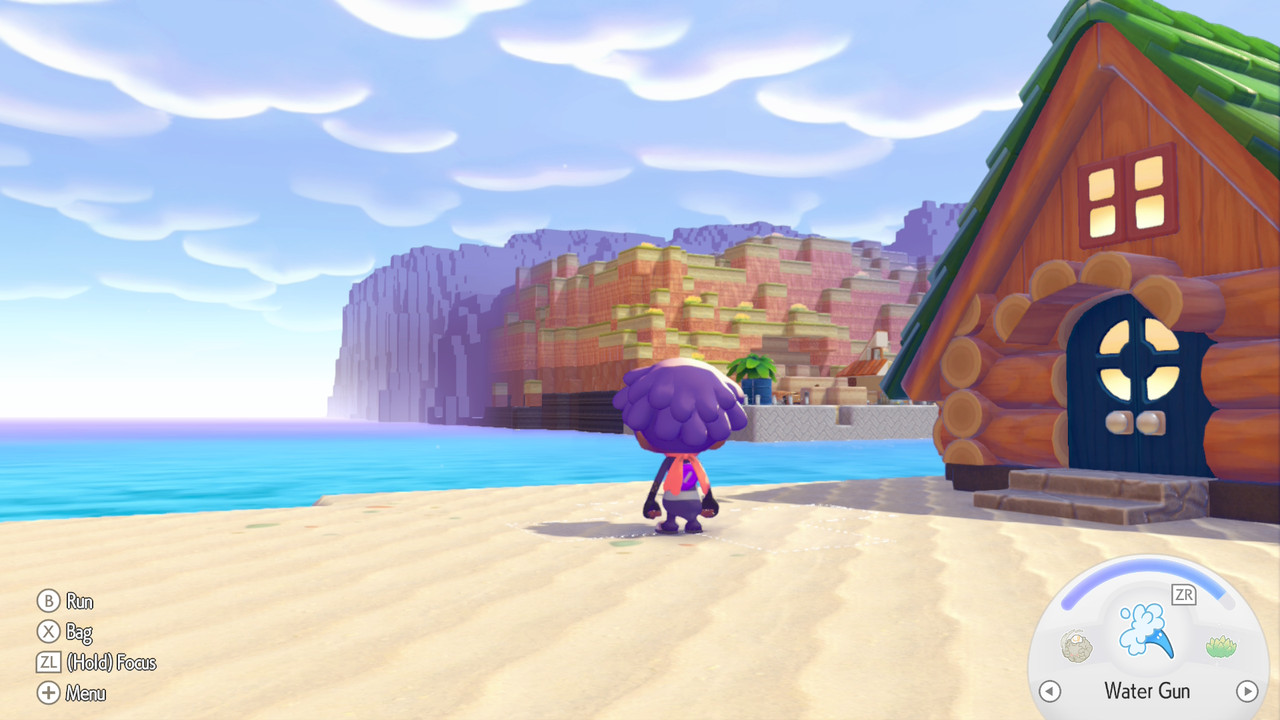
- Pokémon have never looked more expressive and charming
- Arguably, the most charming modern Pokémon game released to date
- Serene remixes and original tracks build an unmatched cozy atmosphere
The art style of Pokémon Pokopia absolutely nails the cozy aesthetic it’s chasing. The textures aren’t the sharpest, but the Pokémon models are detailed and packed with animations and facial expressions you’d never see in a mainline Pokémon game. It’s much closer to the anime in terms of how expressive they can be, and every interaction feels alive in a way the franchise has been missing for years.
The blocky world looks nice from up close, but there are some amazing views when you find a vantage point and see the world from up high. I don’t think it’d be wrong to say this is the best visuals from a modern Pokémon game to date. It’s a beautiful game through and through, and Koei Tecmo and Game Freak should be commended for what they’ve pulled off visually here.
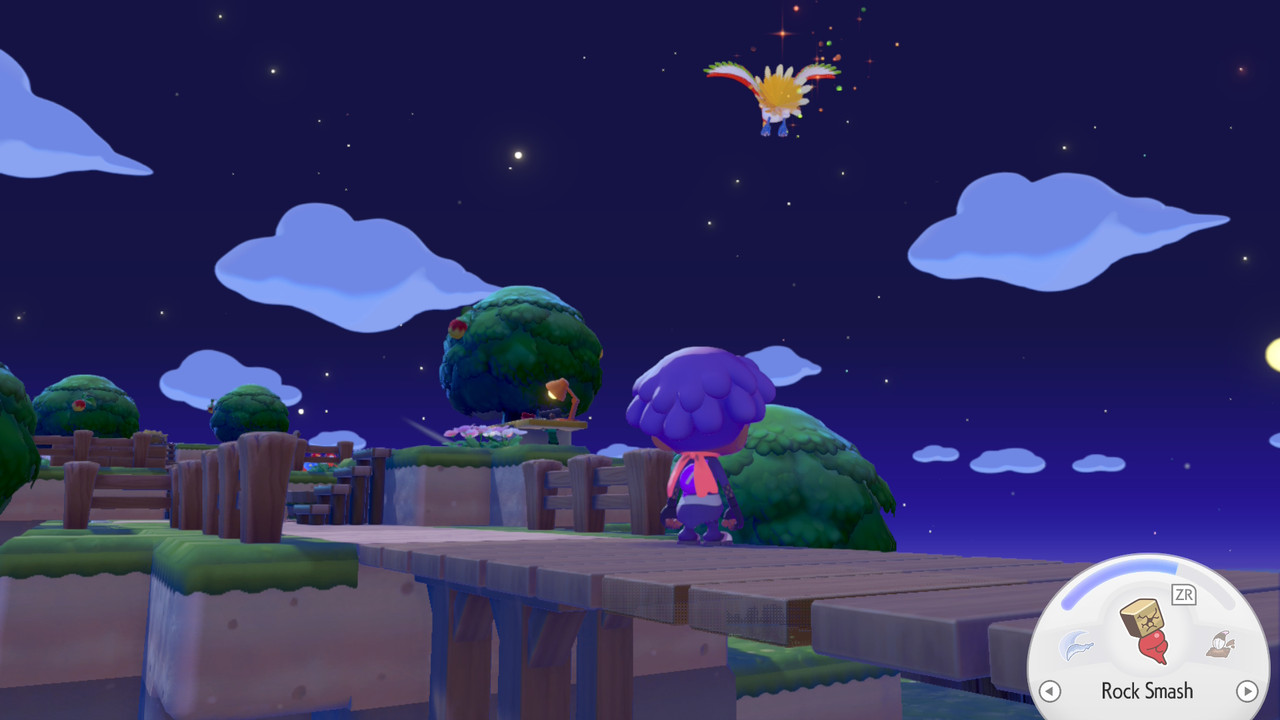
The soundtrack matches the visual energy note for note. You get cozy remixes of classic Pokémon melodies alongside a healthy dose of original compositions, and they’re all great to vibe to. The music is serene and mellow, and the way it syncs with the environments around you makes for an unbelievably cozy experience. Whether I was building, wandering, or just hanging with my Pokémon roommies, the audio-visual package had me locked in every single session.
Setting & Narrative — Kanto After the Fall
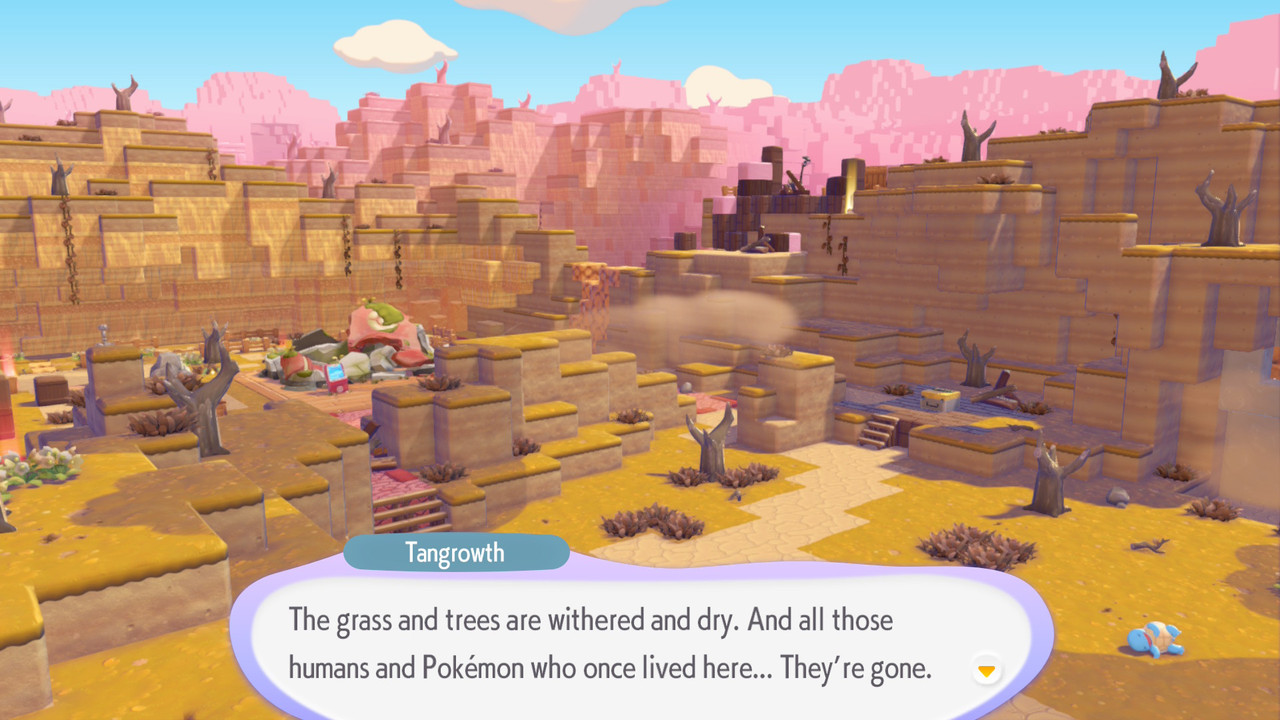
- The post-apocalyptic Kanto setting is a complete departure for the franchise
- Ditto awakens alone and transforms into its former trainer’s image
- Environmental storytelling through logs, notes, and memos enriches the world
The setting of Pokémon Pokopia is a complete departure from anything else in the franchise. You wake up as Ditto in a post-apocalyptic Kanto with no humans in sight and barely a trace of Pokémon left. After stumbling upon your former trainer’s Pokédex, you transform into their image (or as close as a Ditto can manage, anyway).
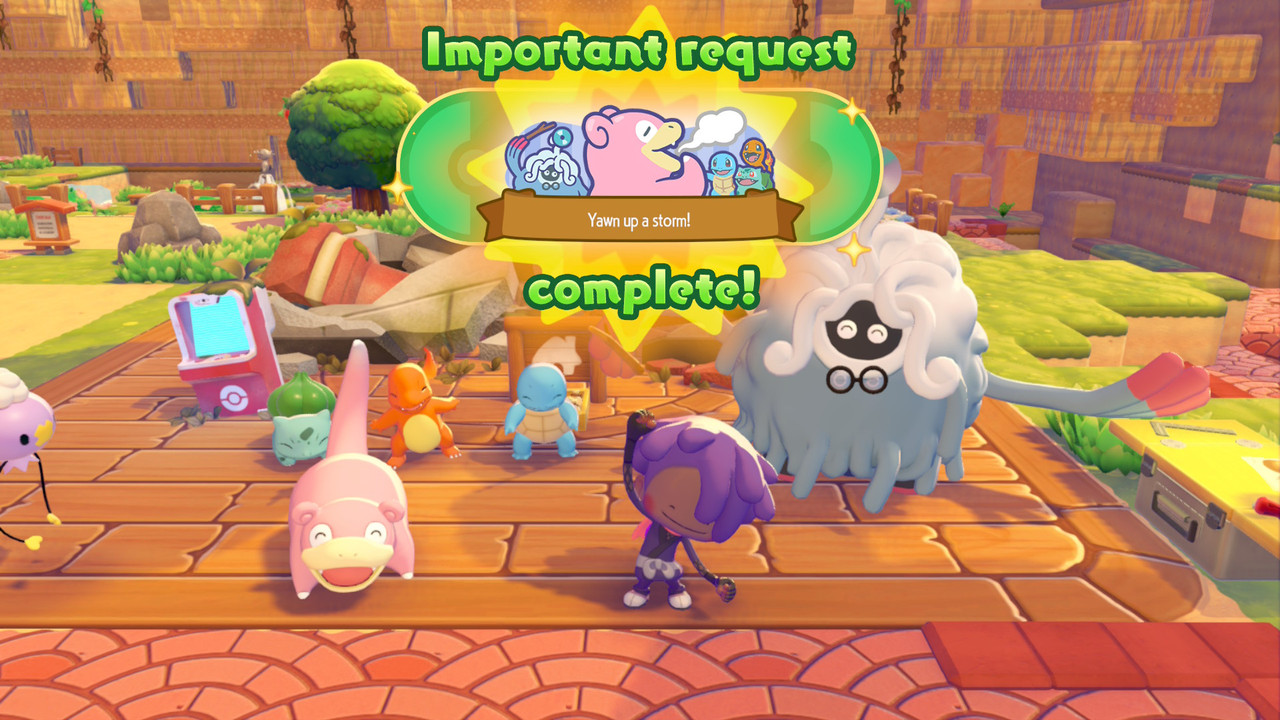
You soon make your way to what once was a town, torn down, overrun with greenery, and completely desolate. There, you meet Tangrowth among the rubble, a Pokémon that also can’t remember how it got there. He was seemingly a professor’s companion and knew a great deal about humans and Pokémon alike. He’s lovingly dubbed Professor Tangrowth, and together you vow to figure out what happened to the world, why the humans left, and how to bring them back. The conclusion Ditto and Tangrowth come to is simple: the first step is rebuilding this ruined world into a comfortable, livable society for Pokémon and humans alike.
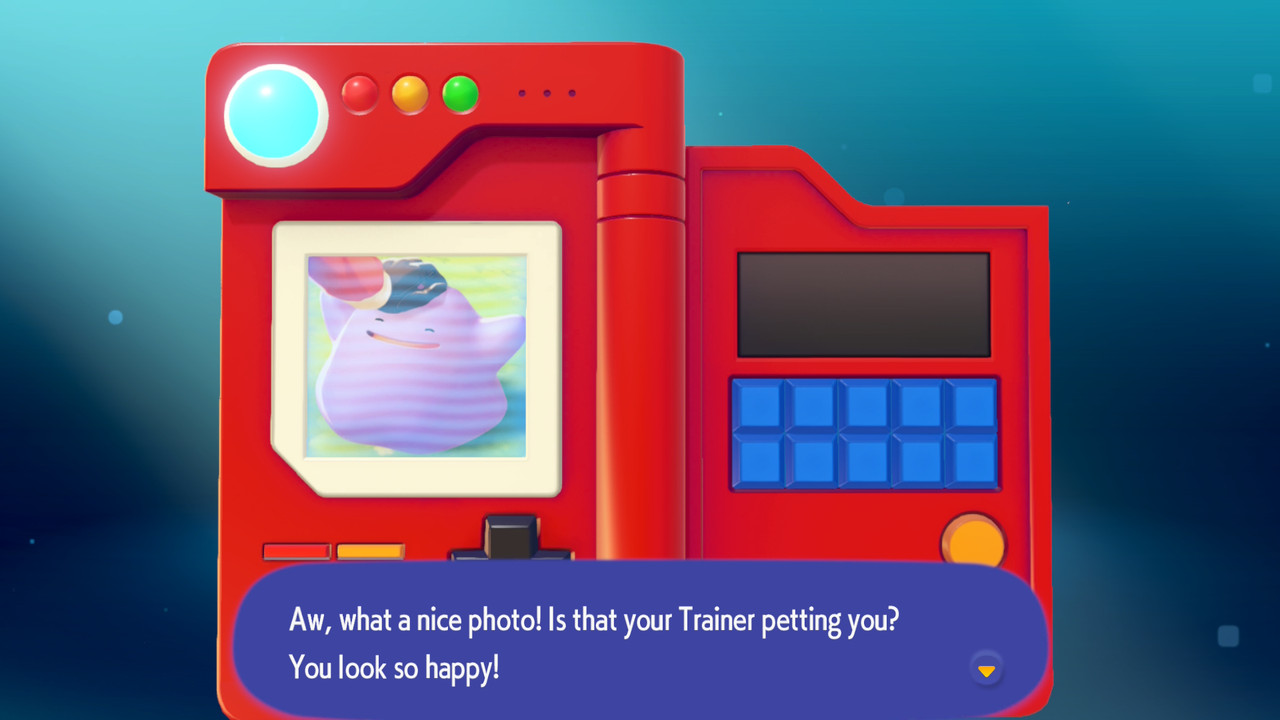
The bulk of the mystery unravels through Tangrowth’s main objectives, but you’ll also uncover bits of world-building and lore by exploring the open hub areas, discovering logs, notes, memos, and flyers left behind by humans right before the collapse. Some are sad, some are funny, some are heartwarming. I don’t want to get into spoilers, but the narrative told through the main quest and discoverable lore is a highlight of the entire journey through Pokopia, and the payoff at the end is well worth it.
Gameplay (Befriending Pokémon) — Bond With Your Fave Pokémon Like Never Before
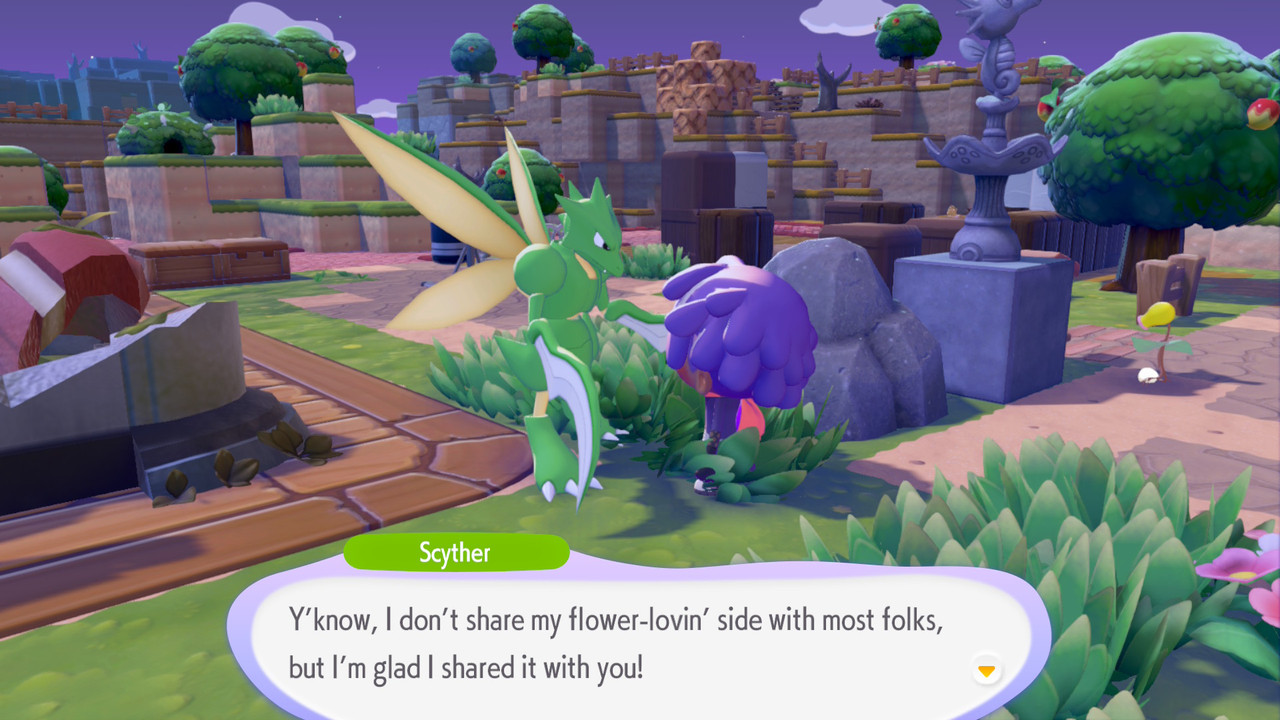
- Building habitats attracts specific Pokémon types to your town
- Each Pokémon has unique abilities that aid in quests and construction
- Pokémon-to-Pokémon interactions give every character a real personality
Befriending Pokémon is the beating heart of Pokopia. Ditto builds habitats suitable for specific types, and sooner or later, a Pokémon will spawn there and join your town. Some only spawn under specific conditions, like during rainfall or at night. They’re a needy bunch, though. They’ll ask you to improve their habitats with requests for toys for entertainment, beds for comfortable resting, and other comforts. Temperature, humidity, light, elevation, and other factors all affect how livable a habitat actually is. In exchange, they contribute to your mission to slowly rebuild society.
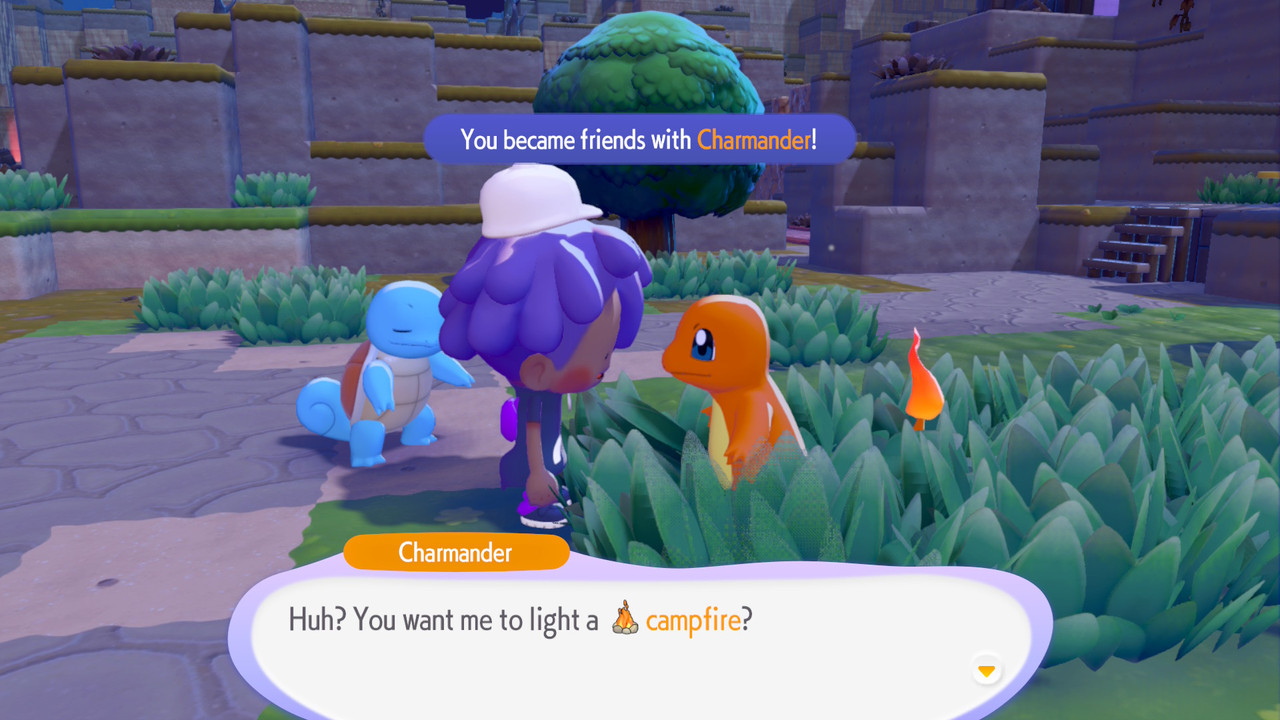
Each Pokémon has its own personality with unique dialogue. It’s so gratifying to find one of your favorite Pokémon and realize they have a much different personality than what you imagined seeing them only from a trainer’s perspective. I feel like I’ve developed a deeper connection with the Pokémon in Pokopia more than I ever have with villagers in Animal Crossing.
They also sport different abilities that can help Ditto. Fire Pokémon can light candles, campfires, and furnaces. Electric Pokémon can juice your electronics. Big Pokémon like Onix can crush and bulldoze. Pokémon with sharp claws or blades can cut wood into lumber. Any Pokémon can help with building projects, though certain projects require a few Pokémon with specific abilities.
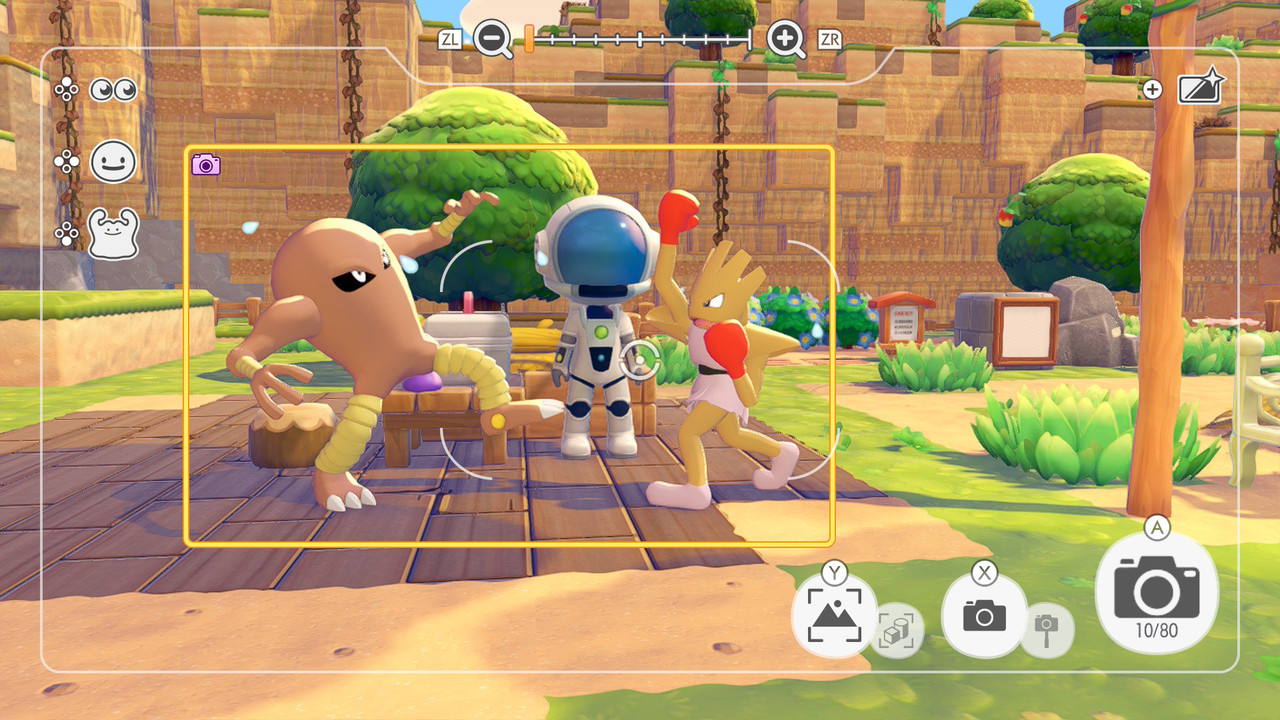
The best part is watching these Pokémon interact with each other. Certain pairs have unique conversations when near each other. Heracross and Pinsir always argue about whose horns are better. Hitmonchan and Hitmonlee spar with each other and show off the power of their punches and kicks. Volbeat expresses how he’s jealous of Kricketune’s singing, only for Kricketune to reminisce about the sounds he used to be able to make as a Volbeat. Moments like these really highlight the charm of each Pokémon and make them feel like fully realized characters. The dialogue is very well written and has tons of hilarious moments. You get some of this feeling in the Mystery Dungeon games, but never on this scale with so many Pokémon.
Gameplay (Quests) — Restoring Kanto, One Request at a Time
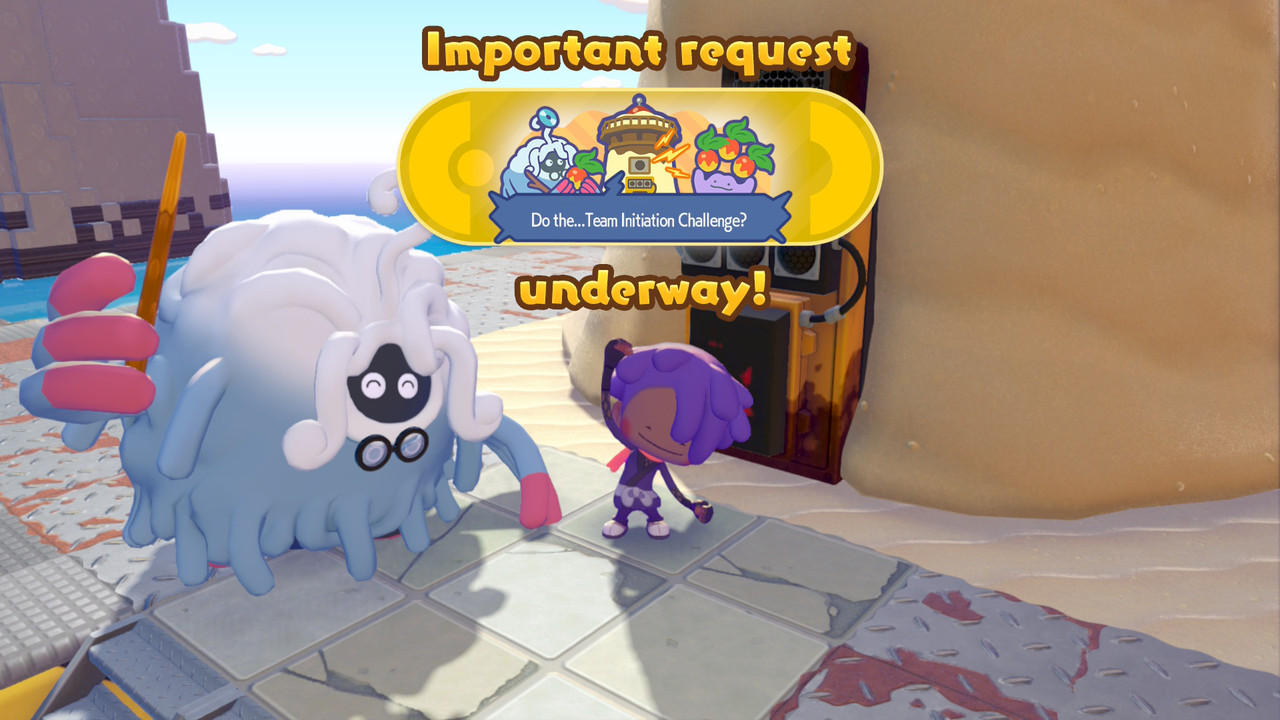
- Main quests task you with fixing five distinct broken areas across Kanto
- Side quests from friendly Pokémon offer small but rewarding payoffs
- Pokémon PCs in each area provide daily challenges, sign-in bonuses, and a rotating store
The quest structure in Pokémon Pokopia brings Kanto’s mystery, befriending Pokémon, and the rebuilding gameplay loop together beautifully. Main quests, dubbed “Important Requests,” task you with figuring out what’s wrong with five distinct areas across Kanto and how to fix them. Each has been corrupted or thrown out of balance, and it’s on Ditto to restore it.
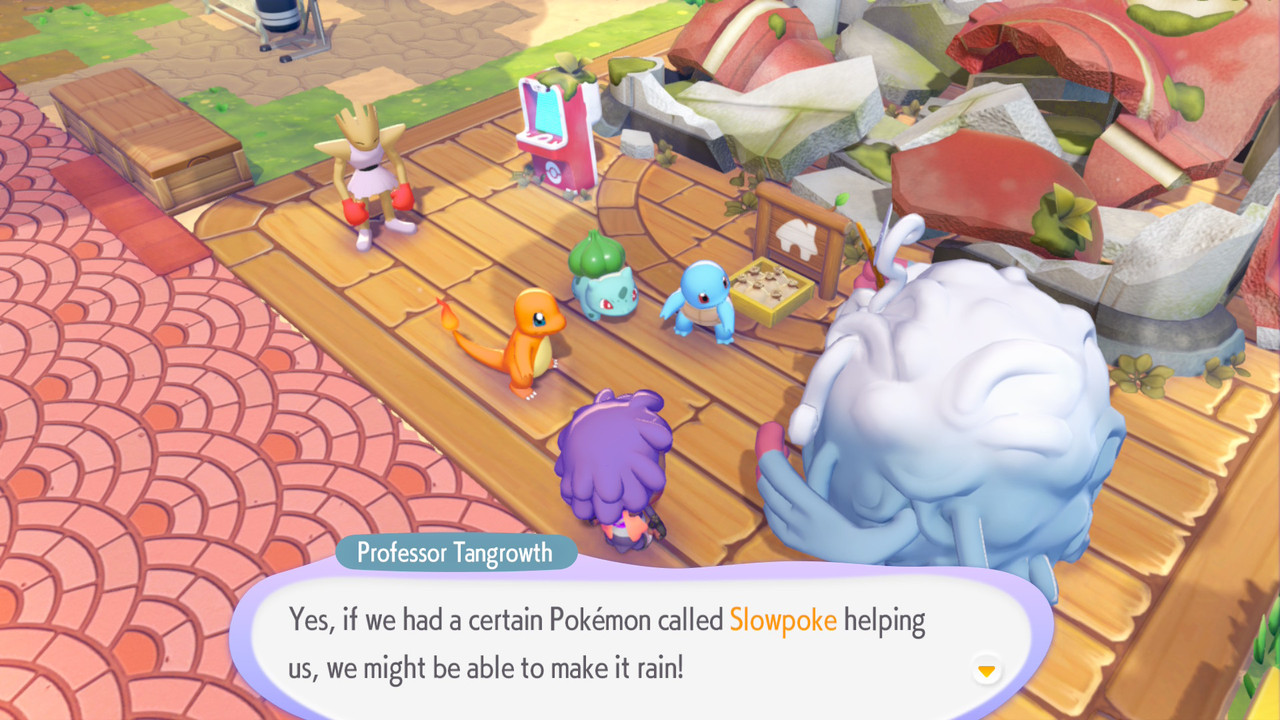
The first area, for example, is abnormally arid when it should be lush and green. Restoring it means figuring out how to make it rain again, and the path there isn’t a single objective. You’ll track down specific Pokémon whose abilities and knowledge are essential to the quest, craft items, and search for lost items to progress. Each main quest is a multi-step journey with a real payoff when an area finally comes back to life. Completing one also unlocks new areas, each bringing new Pokémon, terrain types, and mechanics that keep the experience feeling fresh.
Smaller requests come from Pokémon you’ve befriended. These are usually quick tasks with a worthwhile reward, whether that’s a new recipe or crafting materials. They’re perfect palate cleansers between main objectives and grow your bond with that Pokémon.
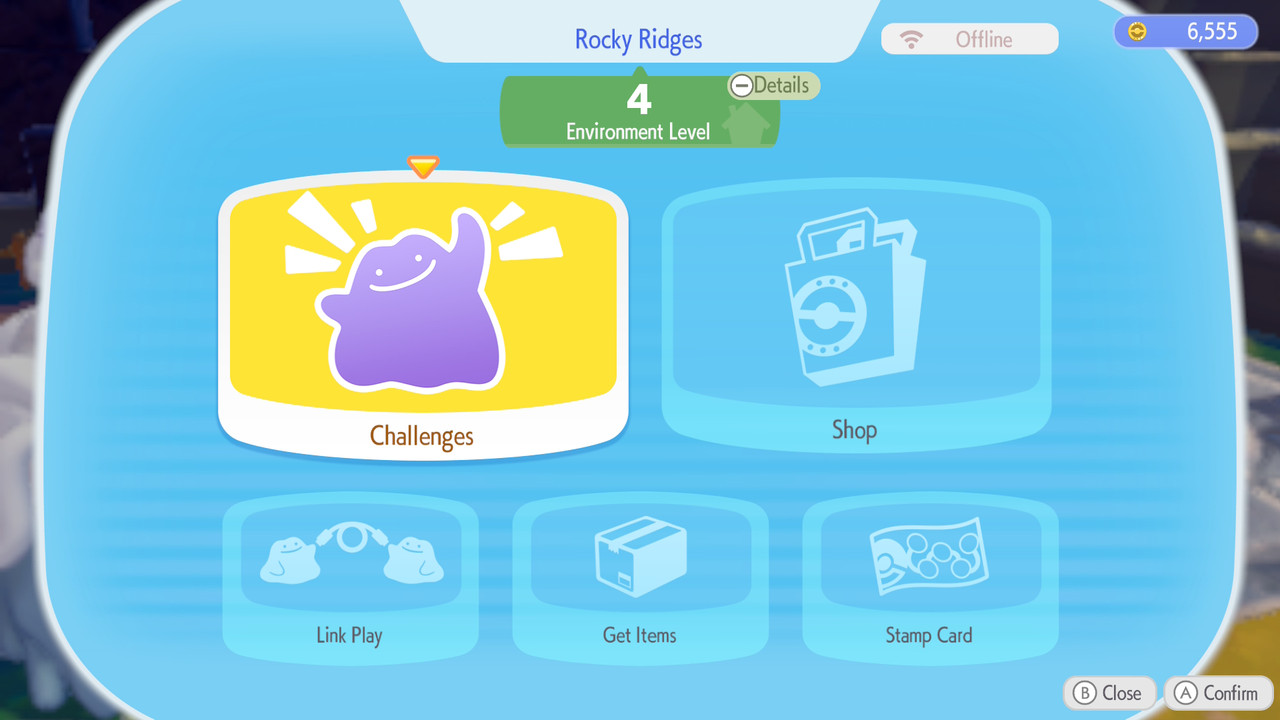
The game runs on a 24-hour clock in real-time. Each area has a Pokémon PC that’s worth visiting daily. They offer sign-in bonuses, challenges, and a rotating store stocked with furniture, crop seeds, recipes, and house blueprints, while tracking your progress as you improve the area’s comfort level. Upon completing challenges, you gain money to purchase from the store. Completing enough challenges and quests levels up that area, unlocking new challenges and store items.
Gameplay (Ditto) — The Swiss Army Knife of Pokémon
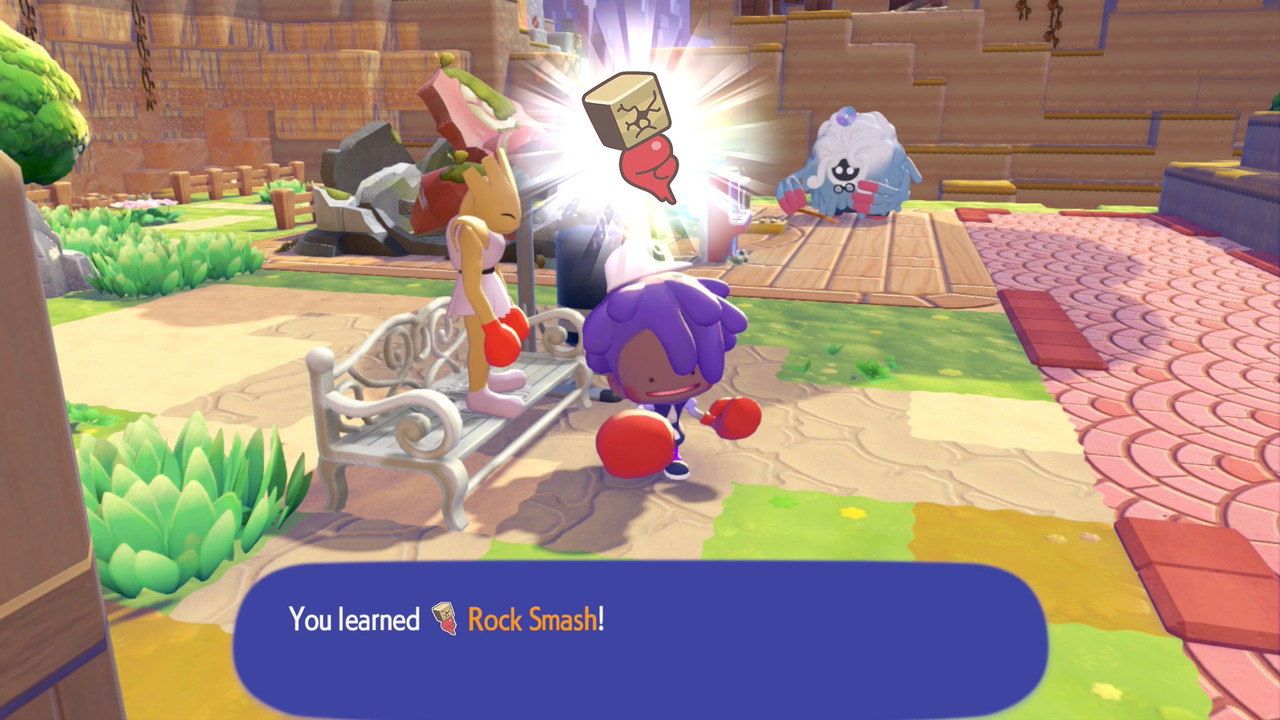
- Ditto learns abilities from Pokémon during main quests
- Cooking upgrades from Chef Dente are essential and enhance the gameplay further
- Controlling Ditto feels great, but inventory management needs work
Pokopia‘s Ditto is an awesome character to play as. Throughout the main quests, Ditto learns abilities from certain Pokémon, building out a toolset that ranges from Water Gun for watering dry grass and crops, to Rock Smash for breaking terrain and clearing obstacles, to Surf for swimming long distances to reach far-off areas. These moves evolve from mainline combat utilities into genuinely satisfying traversal, building and puzzle-solving mechanics here.
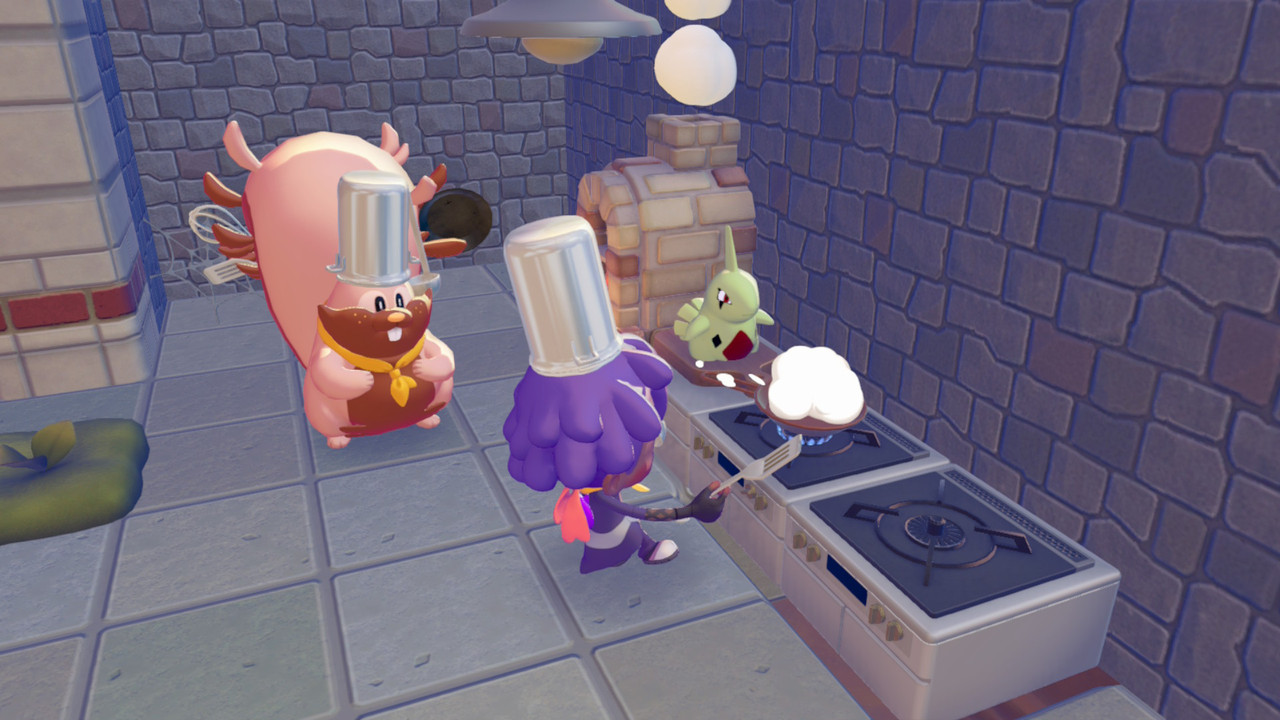
These toolsets can be upgraded through cooking after you meet a culinary genius of a Greedent named Chef Dente. Her upgrades are essential and highly useful for quests and building up your towns, making meal prep feel as impactful as any progression system the series has offered.
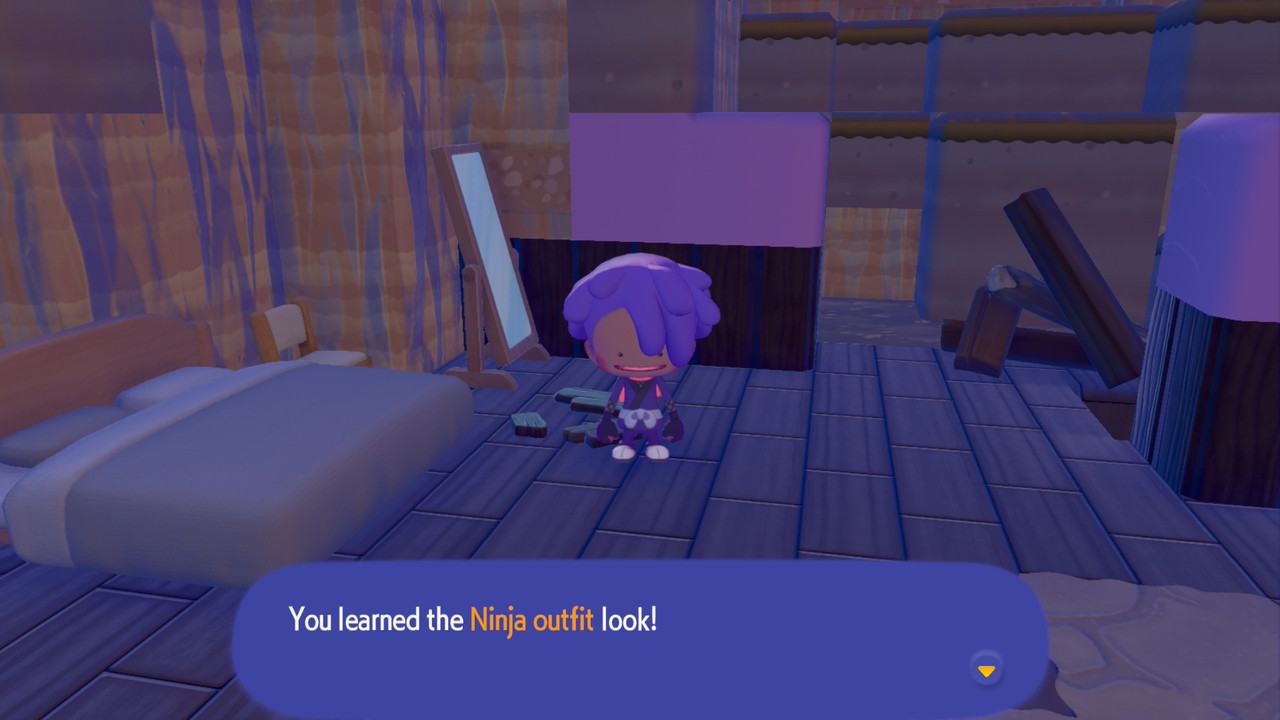
Controlling Ditto feels great overall. They can run and jump freely and climb vines and blocks, making for easy verticality. You can also find outfits by exploring to give them a new look. You’ll find traces of Pokémon out in the world that reveal what kind of habitat a specific Pokémon may spawn in if you create it. This info lives in the handy Pokédex that doubles as your main menu.
My one real gripe is inventory management. You gain more space as you progress, which lessens the frustration over time, but features that should be standard here are strangely missing. There’s no quick-store option for dumping items into boxes that already contain them, and the game doesn’t always automatically combine partial stacks—so you can end up with the same material cluttering different slots. Having to stop what I’m doing to manually sort and consolidate is the one moment-to-moment friction in an otherwise polished experience.
Gameplay (Building & Decorating) — Home Sweet Home
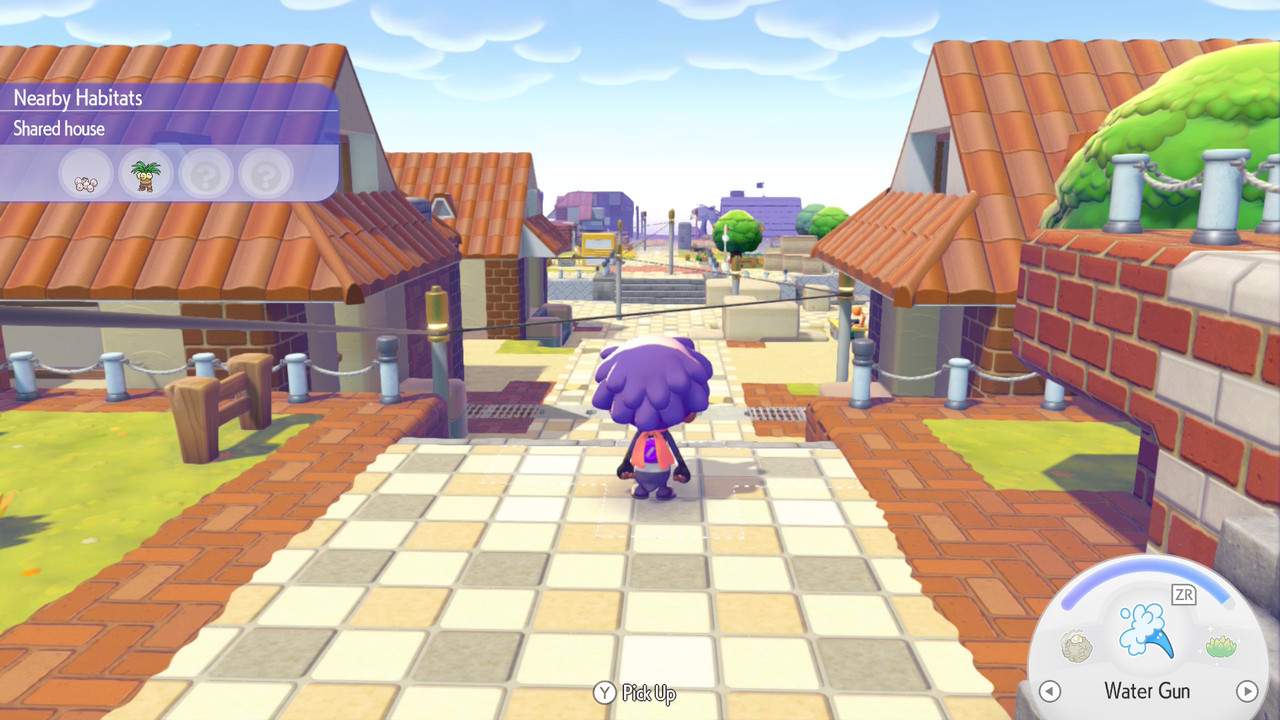
- Both freebuild and blueprint building modes are available
- Homes big enough can house multiple Pokémon as roommates
- Switch 2 mouse mode is a game-changer for hardcore builders
Building in Pokopia is simple and intuitive, even for someone like me who isn’t the best at building in any game. You can freebuild homes Minecraft style using blocks, or you can place down a blueprint build that requires teaming up with other Pokémon. It usually takes until the next real-time day at 5 am to complete, as the tradeoff. Both approaches work well, depending on how deep you want to go with your creativity.
Interiors are fully decoratable with furniture and decorations, so you can personalize each home for its Pokémon resident. You can also plant a Ditto flag on the roof and claim a building as your own. If a home is big enough, it can house multiple Pokémon, so you can hand-pick your favorites to move in as roommates. There’s something genuinely heartwarming about setting up the perfect living situation for your crew.
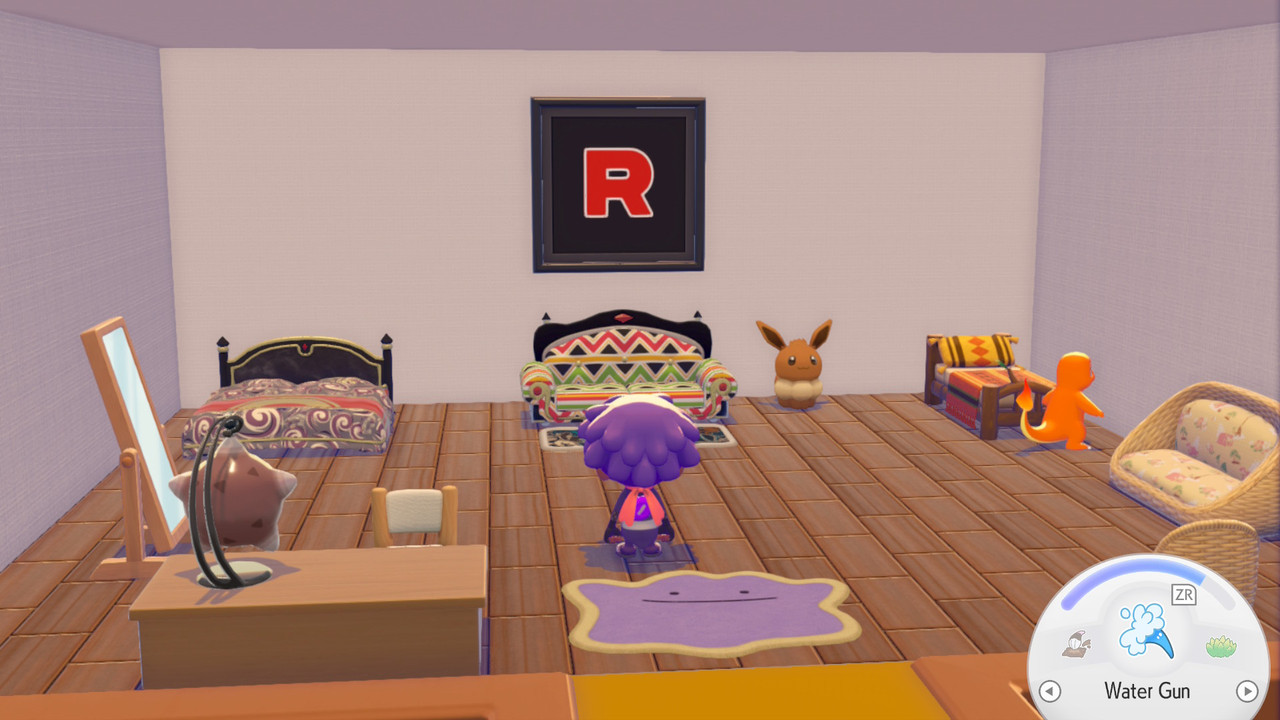
Utilizing the Nintendo Switch 2’s mouse controls when building, decorating, and smashing rocks makes a night-and-day difference in usability. It makes everything easier and extends the reach of your cursor beyond what you can do with traditional controls. For hardcore builders, this is a must. Honestly, it’s the best argument I’ve seen so far for the Switch 2’s mouse functionality in a first-party game. Anyone planning to spend serious time in build mode should get used to playing with a Joy-Con in each hand. Once you try it, going back to traditional controls feels clunky by comparison.
Gameplay (Extras) — Mini-Games and Picture-Perfect Moments
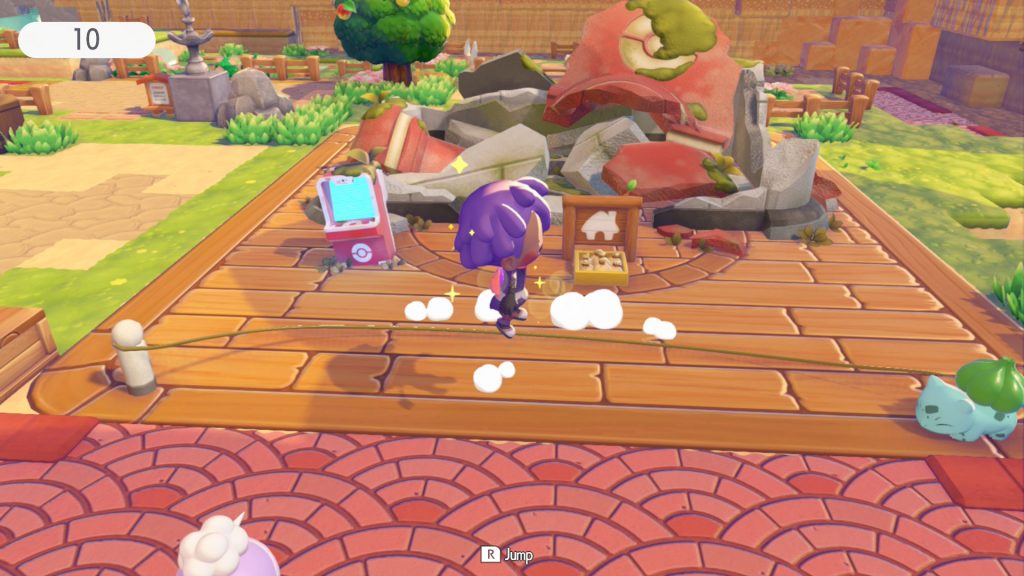
- Pokémon invite you into mini-games like Jump Rope, Look That Way, and Prop Hunt Tag
- Camouflage and Jump Rope translate into great multiplayer activities with friends
- The Pokédex camera mode weaves Pokémon Snap DNA into Pokopia with a Highlight Reel album
On top of the main rebuilding loop, Pokémon will regularly quiz you on trivia or invite you into a variety of mini-games as a change of pace between core quests. Bulbasaur Jump Rope is a simple timing challenge that’s easy to pick up but gets tough as it speeds up. Look That Way has you pointing in a direction while the Pokémon tries to turn the opposite way. The standout is Camouflage Tag. Ditto uses their camouflage ability to disguise as random objects to hide from a group of searching Pokémon and make it to the goal before getting caught.
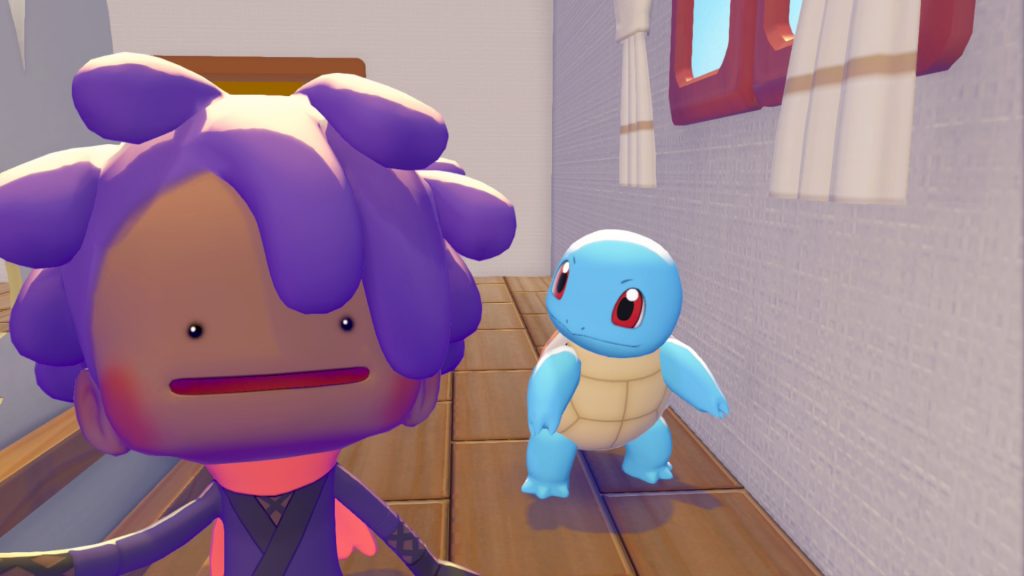
These mini games aren’t just solo distractions either. The camouflage move translates beautifully into multiplayer Prop Hunts with friends. You can also go head-to-head in Jump Rope for some lightly competitive fun. They’re a great way to unwind between requests and it adds another layer to Pokopia‘s already packed offering.
The Pokédex also doubles as a camera, bringing some Pokémon Snap DNA into Pokopia. Whenever a picture-perfect moment arises, you can snap a photo, and select shots get added to a Highlight Reel album with dozens of special scenes to capture. Think Hitmonchan and Hitmonlee sparring, Trubbish eating trash, or any of the other quirky character moments peppered throughout the world. It’s a brilliant completionist hook that rewards you for paying attention to the little moments that make Pokopia‘s Pokémon feel so alive.
Multiplayer — Ditto Party
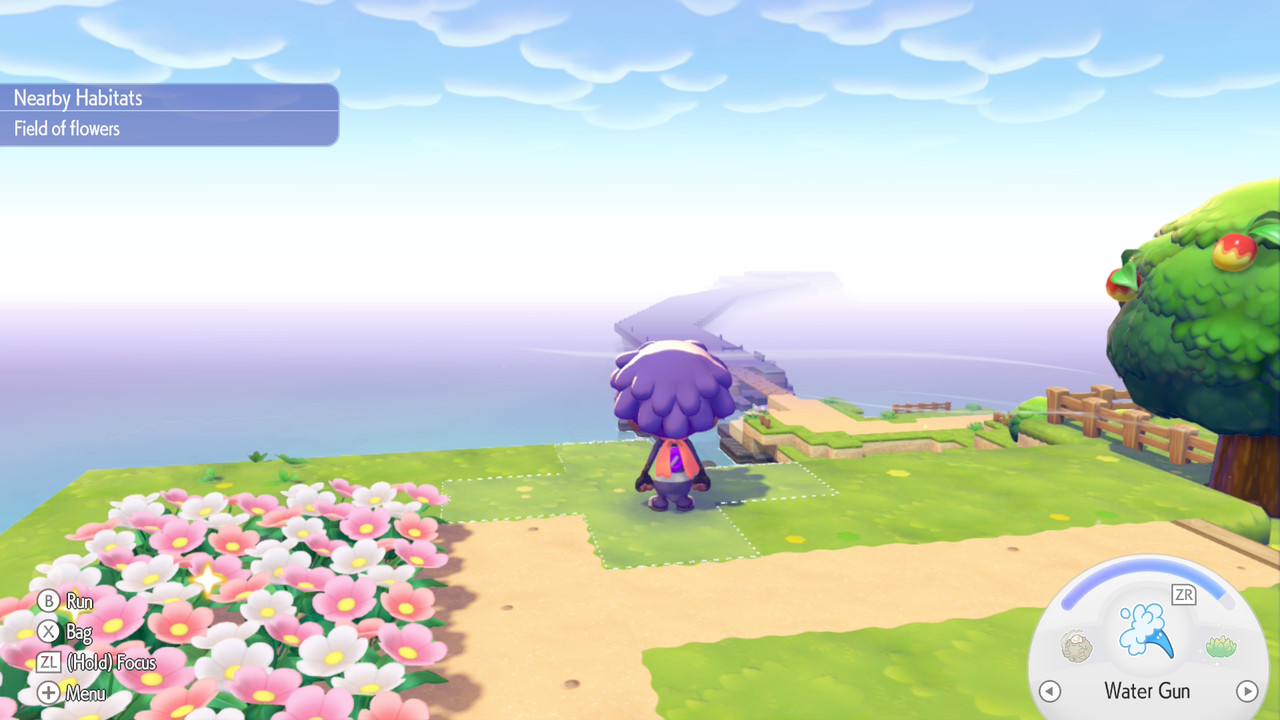
- Four-player co-op splits across Cloud Islands and main island visits
- Friends face heavy restrictions on your main island until Palette Town is unlocked
- Main story progression is host-only
Pokémon Pokopia allows for four-player co-op via local play, online, and GameShare. Your friends will join you as their own Dittos to build and quest together. This comes in two distinct modes, but each has its own restrictions.
Cloud Islands are shared online spaces separate from your main world where you can scavenge, build, befriend Pokémon, and complete group challenges together. There’s no main story progression here, but it’s a fun playground for friend groups to mess around in without any of the baggage of your personal save file. Think of it as the hangout spot outside of the main campaign.
You can also invite friends to your main island, but they’re restricted in several ways. Friends can’t progress the main quests, use their learned moves, or discover wild Pokémon. Only the host’s save file will progress, so friends will be right where they started after the session ends. That’s a noticeable limitation when you really want to play through the game with your crew.
Eventually, you’ll discover Palette Town, which lifts those restrictions so you can build and discover Pokémon together on more equal footing. It doesn’t fix the issue, but it’s a nice addition. The fact that the restrictions exist at all is a bit disappointing.
Pokémon Pokopia would be perfect if it allowed players to complete the entire campaign with friends on completely equal footing. Even so, there is still tons of fun to be had with friends in Pokémon Pokopia, and the game offers enough multiplayer substance to keep a friend group engaged for hours on end.
Final Thoughts — A Redefining Moment for Pokémon
Pokémon Pokopia is far more than Animal Crossing meets Minecraft with a Pokémon skin. It’s the most personal, heartfelt Pokémon experience the franchise has ever delivered, where all 300 Pokémon feel like living, breathing characters rather than stat blocks. The cozy presentation, expressive animations, serene soundtrack and robust narrative work in perfect harmony with genuinely deep gameplay systems. A minor inventory gripe and some frustrating multiplayer restrictions are the only real marks against what is otherwise a fantastic Pokémon adventure. Koei Tecmo and Game Freak have built something special here, and I came away loving Pokémon more than I have in years. More than that, Pokopia feels like the reset button the franchise needed after the struggles of the Switch generation. Here’s hoping Pokémon Winds & Waves can capitalize on this momentum when it lands in 2027.
Final Score: 9.5/10
Pros
- The deepest Pokémon bonding experience the franchise has ever offered
- Stunning visuals with incredibly expressive Pokémon animations
- Cozy, serene soundtrack that pairs perfectly with the art direction
- 300 Pokémon that all feel like fully realized characters
- Charming Pokémon-to-Pokémon interactions across the roster
- Rich environmental storytelling and discoverable lore
- Switch 2 mouse mode is a game-changer for building and decorating
- Satisfying move-based traversal and puzzle-solving
- Rewarding cooking and upgrade systems
Cons
- Inventory management lacks modern quality-of-life features
- Multiplayer is overly restrictive on the main island
Note: This game was reviewed using a copy purchased by the reviewer.

1 comment
[…] 3rd-person shooter that takes the monster-taming genre in a new direction. That’s right, if Pokemon isn’t enough to satiate your monster-taming cravings, be sure to check out Lord […]
Comments are closed.