
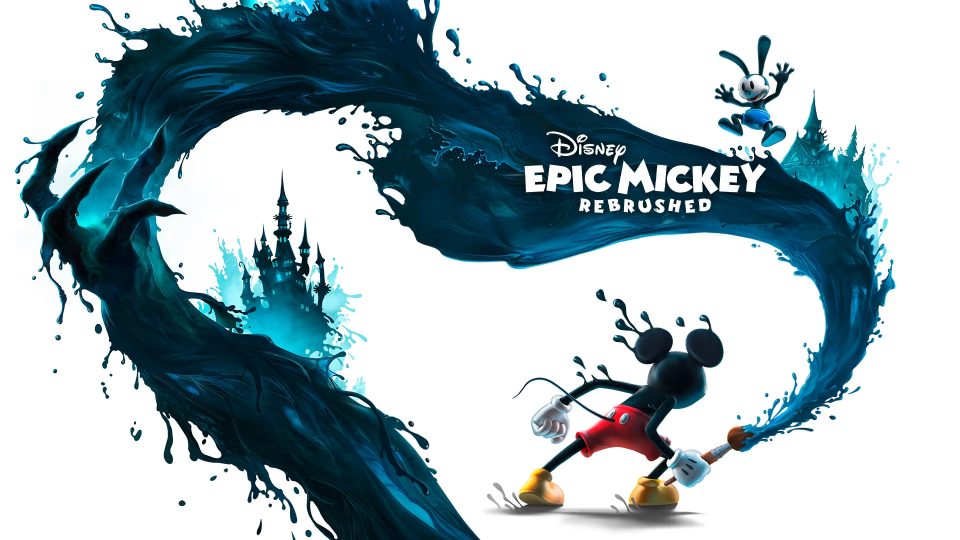
What is Epic Mickey Rebrushed?
When people think of Mickey Mouse, the character can represent several different things. For the newest generation, a friendly face on Disney Jr., teaching heartwarming lessons in a clubhouse. And for older Disney fans, a cartoon icon who has starred in hundreds of animated productions over the years.
But for gamers, Mickey Mania, Castle of Illusion, and even the Mouse’s adventures in Kingdom Hearts show he can be a powerhouse in great gaming adventures. In 2010, Junction Point, led by Warren Spector (Deux Ex), teamed up with Disney Interactive to create Epic Mickey on the Nintendo Wii.
This ambitious 3D platformer combined light choice-and-consequence systems with a semi-open experience not unlike Mario 64. But it suffered from control, camera, and navigation issues. The result was a bold piece of art that ran out of ink.
THQ Nordic & Purple Lamp Studios (the recent 3D SpongeBob platformers), seeing potential in this wasteland of ideas, remasters the original Epic Mickey with Rebrushed. Is this animated romp an epic production? Or does it need another run on the steamboat?
After revisiting this childhood hidden gem, the remaster elevates Epic Mickey as one of the better 3D platformers of previous generations, especially with the visual and control enhancements from the Nintendo Switch 2.
Developer/Publisher: THQ Nordic, Purple Lamp
Platforms: Nintendo Switch 1/2, PlayStation 4/5, Xbox Series X/S, Xbox One, PC (Steam)
Release Date: October 6th, 2026 (Nintendo Switch 2), September 24, 2024 (Other Platforms)
Price: $39.99
Reviewed On Nintendo Switch 2
Once Upon A Mouse – Premise of Epic Mickey

Mickey’s epic adventure has the lovable mouse getting into some mischief. Noticing that his mirror can send him to his mentor Yen Sid’s study, the mouse sees his latest project, a map, with landmarks mirroring the iconic locations of Disneyland and World.
Picking up the paintbrush, he carelessly combines paint and thinner, creating the Phantom Blot. Scared, he quickly cleans up his mess, unaware of the calamity he created. Years later, the same monster drags him through the map, but Mickey grabs the paintbrush just in time before being fully sucked in.
Stranded in the ‘Cartoon Wasteland’, Mickey teams up with characters familiar and new to return home. Along the way, he makes amends with his long-lost ‘brother’, Oswald the Lucky Rabbit.
The Legend of Walt Disney – Oswald the Lucky Rabbit’s History
Before Mickey Mouse, Donald Duck, Goofy the Dog, and so many other legendary characters, it started with a lucky rabbit. Walt Disney created Oswald for Universal Pictures in the early 1900’s, having a fun personality and the rabbit’s animated shorts laid the groundwork for what later became Mickey Mouse.
However, he lost the rights to his creation, his cartoon child, to Universal, pushing him into making Mickey. This real-life story feeds into the core narrative hook of Epic Mickey. Oswald and many of the characters trapped in the Cartoon Wasteland are forgotten.
And Mickey’s is a known presence throughout the entire world of the Cartoon Wasteland. Mickeyjunk Mountain, for example, is filled to the brim with merch, toys, and other ‘forgotten’ media featuring the mouse. Even familiar characters like Donald and Goofy have ‘artificial’ variants of themselves, created by Oswald himself, so he doesn’t feel so lonely.
The lucky rabbit sees his older brother, Mickey, as someone who stole everything from him. So Mickey’s adventure isn’t just returning home, but making up for his mistakes and rekindling a relationship with a brother he never knew he had.
Two Sides of the Brush – Choice & Consequences
This is a brilliant premise for a Mickey adventure, and further built upon with choice and consequences. Throughout the adventure, Mickey can be a heroic mouse and use non-combative ways to save the day, or thin out the competition and destroy a way back home. Or, use a combination of the two if the situation calls for it.
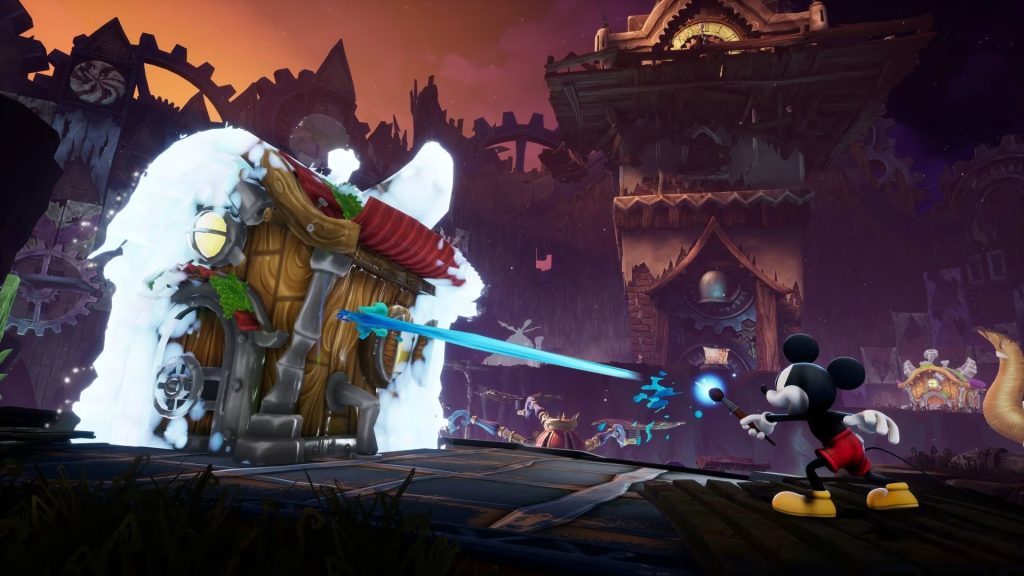
Several of the game’s side missions and questlines have paint (create) and thinner (destroy) pathways. And while the larger narrative doesn’t change, NPCs do react to Mickey’s actions. Signified by Blue or Green hearts above characters, NPC dialog changes.
Oswald is a perfect example: his in-game animations are relaxed, and he agrees with the actions Mickey took to solve a problem. Every NPC is like this, making your choices feel important throughout the game, even if the larger narrative (animated cutscenes and the game’s ending) doesn’t change.
Steamwork Platforming – Gameplay
Powering the surprisingly nuanced narrative is a mighty steamboat full of quality 3D platforming. Taking inspiration from the best in the business, Mickey moves at a nice speed and can double jump. He can also gain extra height with a spin attack, which interacts with objects and destroys breakable ones.
With Rebrushed, the mouse can also run faster when pressing L3. This is a fantastic change, making the platforming feel super snappy and, combined with the dash ability, long-distance platforming feels effortless. Supporting the tight platforming is a significantly improved camera.
The original Epic Mickey had a horrific camera on the Nintendo Wii, mapped to the D-Pad, and it frequently got caught on objects. It made platforming in tight spaces awkward and made discovering hidden collectables harder to find. With Rebrushed, the automatic camera is a major improvement and has great control with the right stick.
Painting and thinning out objects is also mapped to the right stick, but thanks to the Nintendo Switch 2, Mickey can leverage both gyro aiming and even a new control scheme using the Mouse Mode features of the Joy-Con 2s. Using gyro controls, aiming feels effortless, and more advanced platforming sections require rapid use of paint/thiner and feel snappy.
It feels like the best of the original Wii version’s pointer controls with the flexibility of proper camera control on the right stick.
Traveling through the Reels – Exploration & Design
Using paint and thinner, combined with Mickey’s platforming chops, the mouse explores twisted reflections of iconic Disneyland and Disneyworld landmarks. From the slightly dour vibes of Mean Street, braving the thinner oceans of Skull Island, and exploring the twisty hallways of Lonesome Manor, Mickey has quite the epic quest ahead of him.
What makes exploring Epic Mickey’s world so much fun is the game’s strong level design. Once you leave each location’s main ‘hub’ area, it feels like being an imaginer at Disneyland. You can peek behind the curtain using thinner, then use your paint to fix up the park, and progress.
One of the best examples of this is early in the adventure after you leave Dark Beauty Castle, with Mickey and his new buddy Gremlin Gus, fixing up Gremlin Village and the various ‘It’s a Small World’-inspired areas surrounding it. Thinning out a nearby wall, painting gears to activate moving platforms, and then jumping across higher ground to access hidden collectables is only one example of the game’s inventive design.
Later levels, like Tomorrow City and Mickeyjunk Mountain, further build on this. And thanks to Rebrushed’s movement and camera improvements, I can now appreciate the free-form platforming approach that the game’s original developers (Junction Point) set out to deliver.
Cartoon Mayhem – Sketch Abilities
But Mickey has more than just paint, thinner, and jumping to solve problems. Like the scrappy lad he is, the Cartoon Mouse can honor his toon heritage with sketch abilities. Earned throughout the adventure, Mickey can press objects down with anvils, freeze time with a stopwatch, or even power up objects with TVs.
These are one-use items Mickey can find after destroying Bettleworx or buying from NPC’s and shop vendors. They are super useful, so keep an eye on E-Tickets (the game’s currency).
A Scrappy Mouse – Combat
Painting and thinning aren’t just for exploration; they’re used in Epic Mickey Rebrushed‘s combat system. There are two types of enemies: Blot Creatures and Beetleworx.
Blot Creatures
Blot Creatures come in various varieties, from small eye-like Seers to imposing Slobbers. To defeat them, Mickey can either use paint to befriend them (making them attack non-befriended enemies) or thinner to destroy them. After using enough paint or thinner, you can one-shot a Blot Creature using paint or thinner ‘guardians’ (can hold up to three).
Beetleworx
The Beetleworx are creatures created by the Mad Doctor, having Toon Armor but an evil mechanical heart. To defeat them, Mickey must thin away the armor and strike their weak point at the right moment. The armor recharges after a single hit, and it usually takes two or three hits to destroy them.
They are genuine challenges, but with Rebrushed’s updated control scheme, these are fun to take on.
Restore or Destroy – Boss Battles
Alongside regular enemies, Mickey takes on several major bosses across the wasteland. From fighting a massive Cooko Clock terrorising Gremlin Village, facing off against the Mad Doctor himself, and even going head-to-head with the Phantom Blot, Mickey is forced to make a hard choice.
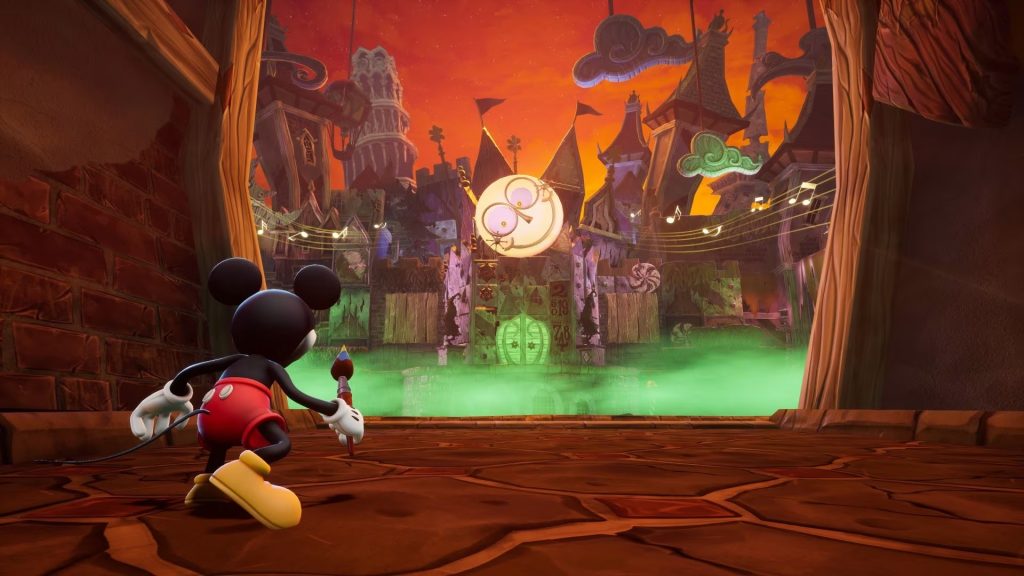
Does he treat his foes like the monsters they are? Or does he try to save them using Paint? This can drastically change how the fight progresses, with some late-game encounters having completely different bosses. One of my favorites was against a robotic Captain Hook.
Paint vs Thinner in Boss Battles
Mickey can either platform his way to free a Sprite to empower Pete Pan to save the day, or take on Hook himself. The latter option completely changes the boss encounter, adding variety for repeated playthroughs. Not every boss fight is transformative, but several are.
The aftermath of boss encounters is a big decision: your choice rewards you with either increased paint or thinner capacity, and the game’s final cutscene showcases how your decision affected the world.
Timeless Rivers – 2D Projector Levels
But how does Mickey travel around the Wasteland? He does so like any good cartoon would: the projector! Mickey jumps into projectors, taking him through 2D platforming renditions of his iconic cartoon adventures, alongside a window into his younger brothers’ antics.
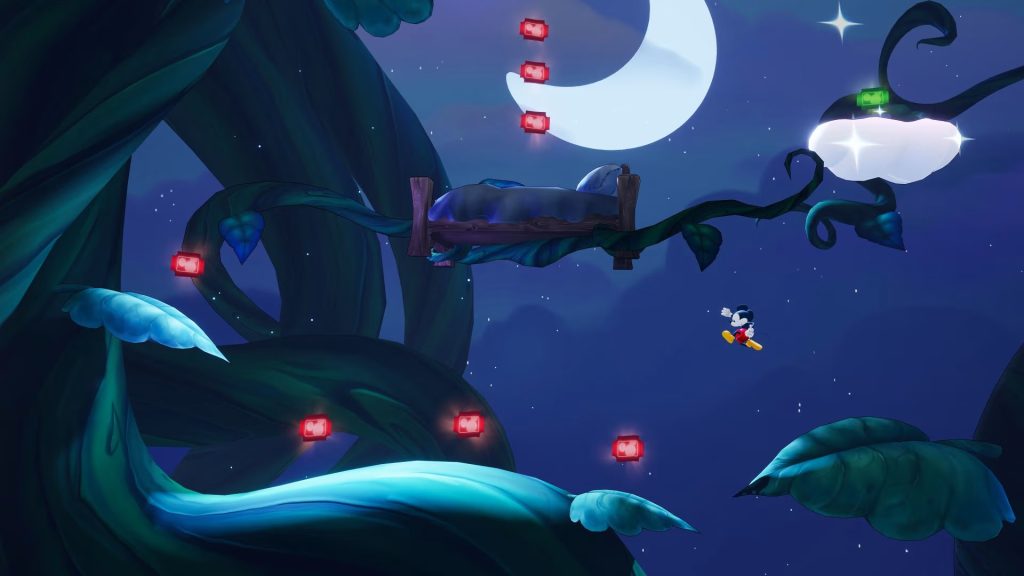
These well-designed, short platforming levels, with set pieces delightfully inspired by the toons they are based on. Using smoke clouds in Steamboat Willy to reach higher pathways, jumping across the ever-growing beanstalk, and flipping switches to scare off the ghosts in Lonesome Ghosts, it’s a love letter to Mickey’s past.
By far my favorite of these was the late-game Fantasia-inspired ones. As one of my childhood classics, seeing one of Mickey’s more iconic roles, combined with the gorgeous remix of ‘Sorcerer’s Apprentice ‘, cemented it as a personal highlight of the mouse’s epic adventures.
Each level contains several film reels to collect, which can be traded to the Mean Street theater for unlockables like costumes for Mickey to wear, Power Sparks (to progress the main story), and more.
Silver Screen Magic – Presentation
Originally designed for the Nintendo Wii, Epic Mickey Rebrushed holds up today as one of the better-looking 3D platformers of the 2010’s. Twisting the colorful landmarks of Disneyworld and Disneyland into more ‘moody’ iterations of themselves, one would imagine a muted-looking Mickey adventure would be a strange choice.
Specifically, given how vibrant and colorful past Mickey video game projects looked, like Travelers Tales Mickey Mania and SEGA’s Illusion series. But Epic Mickey takes its inspired concept of a rundown Disneyland and, with that iconic Disney magic, makes it look beautiful.
Every location feels hand-crafted, with toon elements delightfully clashing with the ‘grounded’ landmarks. And when the game explores a more direct theme, like the jungles of Ventureland or the grungy-looking Mickeyjunk Mountain, the ‘Dark Disney’ approach works strikingly well.
Animation of Epic Mickey
For all intents and purposes, Epic Mickey Rebrushed feels like a playable cartoon. Mickey is super expressive, with every animation having the squash and stretch he would in his many early 1900s shorts. Even small touches, like his ears always visible, regardless of where the camera is, show the love and attention to detail hard-core Disney fans can appreciate.
This extends to the NPCs too, with every ally and foe Mickey encounters feeling alive and pulled right from the film or cartoon they come from. Speaking of animation, the game’s 2D animated cutscenes are fantastic. They honor design choices of Mickey’s origins, can be quite humorous, and perfectly capture the personalities of Mickey and friends.
Setting the Score – Music
Like any great Disney production, the audio experience in Epic Mickey Rebrushed is magical, making a strong first impression with the main theme and inspiring you to join Mickey on his adventure. But once you land in Dark Beauty Castle, the haunting melody takes over, showing the reality of what Mickey’s actions caused.
The music is also dynamic, with in-game actions shifting the melody into a more upbeat ‘Paint’ or oppressive ‘Thinner’ variant. This also applies to the combat sections, with combat versions of songs seamlessly weaving into the audioscape.
But it’s not all just original compositions, as the game includes motifs of iconic Disney songs, like ‘It’s A Small World’ or several remixes of classic Mickey themes for the Projector Levels.
Raw Toonage – Audio Design & Voice Acting
The music isn’t the only highlight; overall audio design matches the toony nature of the cast. Mickey and friends have soundbites from their official voice actors, and several animations have great sound effects. The spin-attack, jump, and the splashing of paint/thinner are frequent; you hear them across the adventure, and they are a joy to listen to.
While the overall audio design supports the game’s stellar soundtrack, one wrinkle on this film reel is the lack of proper voice acting. The original Epic Mickey didn’t have voice acting, but its sequel, The Power of Two, did. That brought in official voice actors for Oswald and the other characters introduced in Epic Mickey 1.
So with the Rebrushed release, it’s a shame they didn’t leverage that opportunity to bring in the voice actors.
Performance on Switch 2 & Upgrade Path
Regarding performance, Epic Mickey Rebrushed on Nintendo Switch 2 matches visual parity with the PlayStation 5 and Series X release. It now runs at native 4K at 60 FPS; a big upgrade over the original Switch release, which opted for native 1080p docked/720p portable at 30 FPS.
But don’t worry, Switch 1 owners: these visual upgrades (alongside Switch 2 Mouse Mode support) come to both the physical and digital versions of Rebrushed through an update.
Accessibility Options
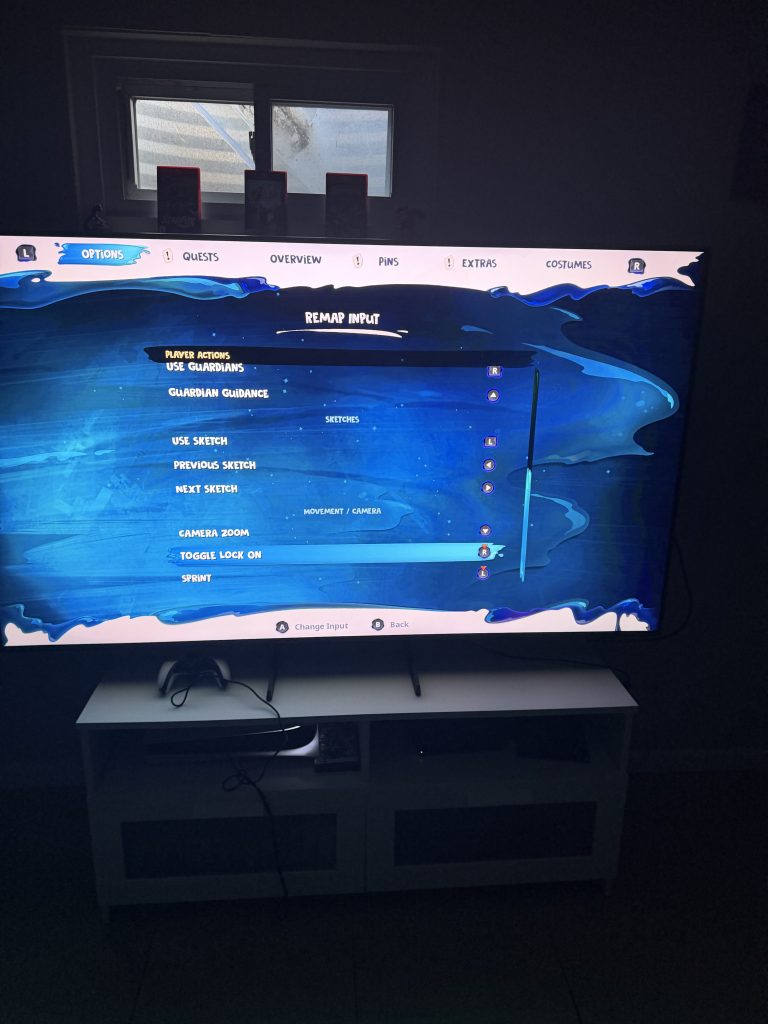
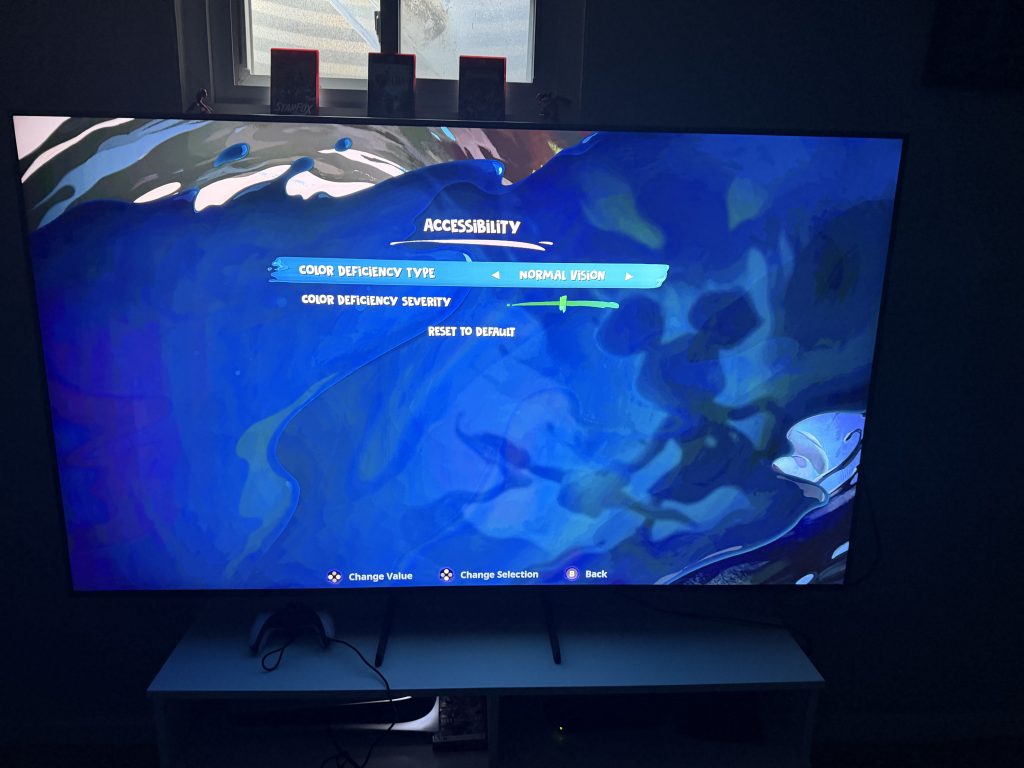
Epic Mickey Rebrushed has a solid slate of accessibility options, ensuring all players can enjoy the experience. One of the biggest ones is full controller remapping support. Switch 2 Mouse Mode support features controls similar to the PC version (using a mouse and Keyboard), so that’s another option. Color Blindness features are also included, as well.
Closing Thoughts on Epic Mickey Rebrushed
Revisiting this childhood classic, Epic Mickey Rebrushed takes Mickey’s biggest platforming adventure and paints it on a stunning canvas. Running through this darker take on the magical kingdom, with major control and gameplay improvements, only highlights how strong the original Epic Mickey was back on the Wii.
A strong presentation honoring Disney’s early animation history, tight platforming mechanics, the freedom to use paint and thinner to explore each area to its fullest, and a story using real-life Disney history to great effect, this is one film reel you want to watch.
A code was provided by the publisher for the purposes of this review.
Epic Mickey Rebrushed Review
Pros
Fantastic animation, honoring the iconic Disney magic.
Core gameplay features major improvements over the Wii original.
Sound design and music add to the overall gameplay experience.
Paint and Thinner mechanics are well-realized for both platforming and combat encounters.
Runs like a dream on Switch 2
Various control options, including gyro aiming and Mouse Mode.
Story that uses real-life Disney history to great effect.
Cons
Major paint/thinner choices don't change the main narrative.
