
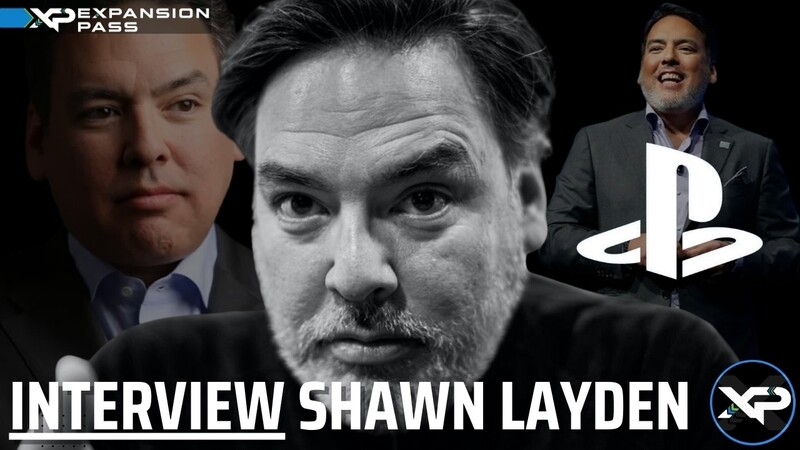
Who is Shawn Layden?
Former PlayStation executive Shawn Layden recently joined Luke Lohr, also known as Insipid Ghost, on The Expansion Pass for an extensive conversation about the current state of the gaming industry. Throughout the interview, Layden discussed the challenges facing both Xbox and PlayStation, the rising costs of game development, subscription services, and the importance of maintaining a strong relationship with players.
Among the biggest revelations were Layden’s concerns about PlayStation losing touch with its audience and his belief that Xbox is facing a defining moment in its history. Drawing from decades of experience at Sony, Layden offered his perspective on the decisions that have shaped the industry and the difficult choices that lie ahead.
Key Takeaways
- Xbox faces a defining decision: Layden believes Microsoft must decide whether it wants to compete as a traditional console platform or embrace its position as one of the world’s largest multiplatform publishers.
- PlayStation needs to reconnect with fans: The former executive expressed disappointment that he no longer sees PlayStation leadership engaging directly with its audience.
- Marvel’s Wolverine is facing misplaced criticism: Layden believes broader frustrations with PlayStation have negatively affected the reception of Insomniac Games’ latest project.
- Players are purchasing fewer individual games: Layden revealed that PlayStation eventually stopped tracking its traditional software attachment-rate metric because the number continued to decline.
- AAA development costs are becoming unsustainable: Layden believes shorter, more focused experiences could help reduce development expenses without sacrificing quality.
- Subscription services present significant challenges: While acknowledging their appeal to consumers, Layden questioned whether subscription models can adequately support developers and traditional game sales.
Xbox Is Facing Its “Dreamcast Moment”
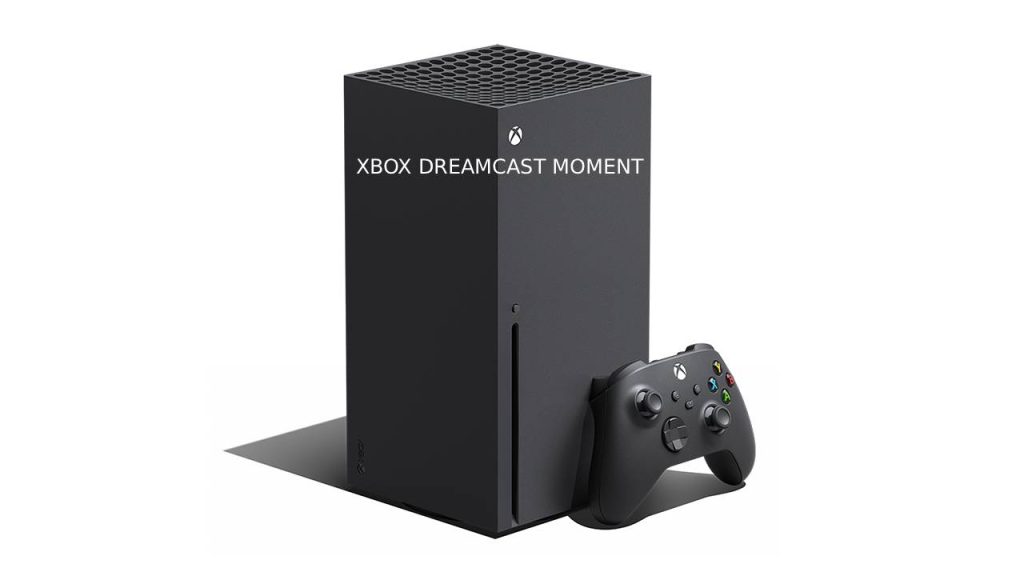
One of the most significant discussions during the interview concerned the future of Xbox and Microsoft’s increasingly complicated position in the gaming industry.
Over the years, Microsoft has invested heavily in expanding its gaming business, acquiring major publishers such as Bethesda and Activision Blizzard. However, these acquisitions have also raised questions about whether Xbox should continue prioritizing its own hardware or focus on bringing its games to as many players as possible.
According to Layden, Microsoft has struggled to establish a consistent direction.
“I think Microsoft never really picked a lane.”
Layden explained that operating a successful gaming platform and becoming a massive multiplatform publisher require different business strategies. A console platform benefits from exclusive games that encourage consumers to purchase its hardware. Meanwhile, a publisher benefits from making its games available to the largest possible audience.]
With Microsoft now controlling an enormous collection of gaming franchises, Layden believes the company must determine which business model it wants to prioritize. The conversation returned to this subject when Lohr presented a listener question asking what advice Layden would offer current Xbox leadership.
“You got to pick a lane.”
Can They Compete?
Layden argued that Microsoft still has an opportunity to compete with PlayStation as a hardware manufacturer, but doing so would require renewed attention to exclusivity, third-party relationships, and the value of owning an Xbox console. Alternatively, Microsoft could embrace its position as a major publisher and move away from the traditional console business.
“This is your Dreamcast moment.”
The comparison references Sega’s decision to exit the console hardware market following the Dreamcast and focus on developing games for other platforms.
Layden emphasized that such a transition has happened before and could be a viable direction for Microsoft. However, he did not suggest that abandoning hardware was the company’s only option. Instead, his argument centered on the importance of establishing a clear identity and pursuing a consistent strategy.
Shawn Layden Believes PlayStation Has Lost Touch With Its Fans
Although Layden spent much of the interview discussing Xbox, he was equally willing to criticize his former employer. During a conversation about the uncertainty surrounding the gaming industry, Layden expressed concern that major companies have become increasingly disconnected from the people purchasing and playing their games.
He explained that attending industry events and speaking with developers and executives remains valuable, but those conversations cannot replace direct interaction with consumers.
“I think somehow we’ve managed to attenuate ourselves from our fan base.”
Layden then specifically addressed PlayStation.
“I don’t see anybody from my old shop out in front talking to fans anymore.”
He described the situation as a missed opportunity, not only for building goodwill but also for allowing executives to better understand their audience. For Layden, engaging directly with players is an important part of making informed decisions. Understanding what consumers enjoy, what frustrates them, and what they expect from the future can provide valuable insight that internal meetings and market research cannot always deliver.
Lohr also reflected on PlayStation’s history of memorable marketing campaigns and personalities, including Kevin Butler and Marcus PSP, which helped establish a recognizable relationship between the brand and its audience. Layden acknowledged that traditional advertising has changed considerably. However, he believes there are still opportunities for PlayStation to reconnect with its community, even if those interactions must take a different form.
His comments highlight a broader concern about the relationship between major gaming companies and their audiences, particularly as the industry continues to undergo significant changes.
Marvel’s Wolverine Is Facing Frustration With the PlayStation
The conversation about PlayStation’s relationship with its fans naturally led to Insomniac Games and Marvel’s Wolverine. Lohr expressed his admiration for Insomniac Games while discussing the criticism surrounding the title. He suggested that the increasingly unforgiving nature of online gaming discussions has created an environment where even highly respected developers face significant backlash.
Layden agreed that some of the criticism directed toward Marvel’s Wolverine may have little to do with the game itself.
“I think Wolverine got some dings for no fault of its own.”
According to Layden, ongoing concerns about PlayStation’s direction have created frustration among players. He pointed to uncertainty about the company’s future, canceled projects, and other controversial decisions as contributing factors.
As a result, he believes some of that frustration has been redirected toward Marvel’s Wolverine through what he described as “guilt by association.” Interestingly, Layden also revealed that he has been playing the game himself.
“I’m playing it. It’s fun, you know.”
He went on to explain that Marvel’s Wolverine should not necessarily be compared directly to Insomniac’s Marvel’s Spider-Man games.
Although both characters belong to Marvel, they have dramatically different personalities and stories. Spider-Man’s relatability and Peter Parker’s personal struggles create a different emotional connection than Wolverine’s more violent and complicated character.
Layden believes those differences are important when evaluating the game on its own merits. His broader point was that dissatisfaction with a platform holder should not automatically determine how players judge an individual developer’s work.
PlayStation Players Are Buying Fewer Individual Games
Another revealing portion of the interview focused on changing consumer spending habits. Layden discussed a metric PlayStation previously used to evaluate the relationship between hardware sales and software purchases. Known as the “tie ratio,” or software attachment rate, it measured how many games consumers purchased relative to the number of consoles sold.
Historically, this information helped platform holders understand purchasing behavior and estimate the potential value of their hardware install base. However, Layden revealed that PlayStation eventually stopped tracking the metric because it continued moving in the wrong direction.
“It kept going down.”
He explained that the decline was not necessarily caused by players losing interest in gaming. Instead, consumers increasingly concentrated their time and spending on a smaller number of games.
Reduced Purchasing
Titles such as FIFA, Fortnite, Madden, and Call of Duty can occupy players for hundreds or even thousands of hours, reducing their need to purchase additional releases. This creates a challenging environment for developers attempting to introduce new games. Even when a console has a large audience, that does not necessarily mean its owners are regularly purchasing new titles. Many players may be perfectly satisfied continuing to engage with games they already own.
The implications extend beyond PlayStation. Developers across the industry must compete not only with new releases but also with established games that continually introduce fresh content and encourage long-term engagement. For traditional single-player experiences, convincing consumers to spend money on something new becomes increasingly difficult when their existing favorites already provide seemingly endless entertainment.
Game Pass, PlayStation Plus, and the Problems With Subscription Gaming
The interview also explored the different approaches Microsoft and Sony have taken toward subscription services. Layden reflected on the PlayStation 4 era, explaining that Sony approached the generation with a renewed focus on gaming following the challenges of the PlayStation 3.
While Microsoft pursued subscription gaming through Game Pass, PlayStation remained more cautious about introducing major first-party releases into a subscription service on launch day. Layden acknowledged that subscriptions can provide significant value to consumers. They also create opportunities for smaller games to reach audiences that might otherwise overlook them.
He highlighted Rocket League as an example of how PlayStation Plus helped introduce a game to a much wider audience. However, he believes the economics become considerably more complicated when dealing with expensive AAA productions. Unlike music artists, who can generate additional revenue through concerts and merchandise, traditional video game developers have fewer opportunities to recover development expenses beyond selling their games.
Then There Are Subscription Services
Layden argued that subscription services can make it harder for developers to benefit financially when their games become unexpectedly successful. He also expressed concern about the broader impact these services can have on how consumers perceive the value of individual games.
When players become accustomed to accessing large libraries through a monthly subscription, purchasing individual releases may become less appealing. For Layden, the fundamental challenge is finding a business model that provides value to consumers without undermining the financial sustainability of the studios creating the games.
AAA Games Are Becoming Too Expensive to Develop
Rising development costs were another major subject throughout the conversation. Layden acknowledged that the gaming industry has struggled to control the increasing expenses associated with creating modern AAA experiences. As graphical fidelity improves and game worlds become larger, developers require more artists, programmers, designers, and other specialists to complete increasingly ambitious projects.
However, Layden questioned whether these expanding budgets are delivering proportional improvements to the player experience. He also challenged the idea that longer games automatically provide better value.
According to Layden, some of the industry’s expectations surrounding game length can be traced back to an era when developers wanted to discourage players from completing rented games over a single weekend. That mindset contributed to experiences that sometimes emphasized length rather than meaningful content.
Layden admitted that even some games he helped oversee contained more gameplay than was necessarily needed.
“They’re not all quality hours.”
Rather than continuing to pursue increasingly massive experiences, Layden would like to see more focused games that prioritize quality over quantity. He suggested that tightly designed experiences lasting approximately 20 to 25 hours could provide tremendous entertainment while helping studios control development costs.
Reducing unnecessary content could also allow developers to invest more attention in the moments that matter most. For an industry dealing with layoffs, canceled projects, and escalating financial risks, Layden believes reconsidering the scope of AAA development may be essential.
Artificial Intelligence Will Not Save the Gaming Industry
With development expenses continuing to rise, Lohr also asked Layden whether artificial intelligence could provide a solution. Layden acknowledged that AI has useful applications within game development, particularly when assisting with repetitive tasks, testing, and other technical processes.
However, he rejected the idea that AI alone could resolve the industry’s financial problems.
“AI is a tool. It’s not a solution. AI is an assistant. It’s not a leader.”
Layden pointed out that artificial intelligence has existed in gaming for decades through computer-controlled opponents and other systems. Although generative AI introduces new possibilities, he believes the technology should support developers rather than replace the creative decisions that make games compelling.
He also questioned whether every potential application of AI would meaningfully improve the player experience. For example, the ability to have extended conversations with AI-powered non-playable characters might sound impressive, but Layden suggested that not every player wants that level of interaction.
Ultimately, he believes developers and publishers must address the underlying issues affecting the industry rather than expecting technology to provide an easy solution. As Layden put it, gaming must find a way to save itself.
Creative Freedom Still Matters in Game Development
Despite his concerns about escalating budgets, Layden remains a strong advocate for creative experimentation. He reflected on PlayStation’s willingness to support unusual projects during its earlier generations, highlighting games such as PaRappa the Rapper and Vib-Ribbon.
Neither title needed to sell tens of millions of copies to justify its existence. Instead, they demonstrated new ways to approach interactive entertainment and helped expand the possibilities of the medium. Layden explained that these projects were possible partly because development budgets were substantially smaller during the original PlayStation era.
Today, publishers face much greater financial risks when approving ambitious projects, making executives more hesitant to invest in unfamiliar ideas. He also discussed the importance of trusting established development teams. The reinvention of God of War in 2018 and Guerrilla Games’ transition from Killzone to Horizon Zero Dawn were examples of PlayStation allowing talented studios to pursue dramatically different creative directions.
Both decisions required confidence in the developers and their ability to execute a compelling vision. However, Layden also emphasized that creative freedom should not mean operating without oversight. He believes successful development requires a balance between artistic ambition, realistic budgets, and experienced leadership capable of guiding a project toward completion.
The challenge for today’s publishers is maintaining that balance without allowing financial concerns to eliminate experimentation entirely.
Hideo Kojima and the Importance of Platform Exclusives
Another portion of the conversation centered on Hideo Kojima and the value of exclusive games. Layden reflected on the significance of Kojima’s appearance during PlayStation’s E3 2016 presentation, which marked an important moment in the company’s relationship with the acclaimed creator following his departure from Konami. He described Kojima as a uniquely talented developer whose ideas can produce experiences unlike anything else in gaming.
The discussion also explored the historical importance of third-party exclusives in establishing PlayStation as a major competitor. Layden highlighted the arrival of Final Fantasy VII on the original PlayStation as a pivotal moment that helped strengthen Sony’s credibility within the industry. Games such as Resident Evil and Metal Gear Solid further demonstrated the variety of experiences available on the platform.
According to Layden, exclusive content gave consumers a compelling reason to choose one console over another. That philosophy also connects to his concerns about Xbox’s current direction. If a platform no longer offers meaningful reasons for consumers to purchase its hardware, it becomes increasingly difficult to distinguish that platform from its competitors.
However, Layden also recognized that the modern gaming industry presents different challenges, particularly as development costs rise and publishers seek larger audiences. The value of exclusivity must therefore be weighed against the financial benefits of reaching players across multiple platforms.
The Future of PlayStation, Xbox, and Gaming
Shawn Layden’s conversation with Luke Lohr highlights some of the biggest challenges facing the gaming industry. From Xbox’s uncertain identity and PlayStation’s relationship with its audience to rising development costs and changing consumer habits, Layden believes the industry must rethink its approach to remain successful.
While Layden no longer has direct insight into the decisions being made at Sony or Microsoft, his decades of experience provide a valuable perspective on where gaming has been and where it could be heading. For more insights, be sure to check out the full interview with Luke Lohr (Insipid Ghost) on The Expansion Pass.
