
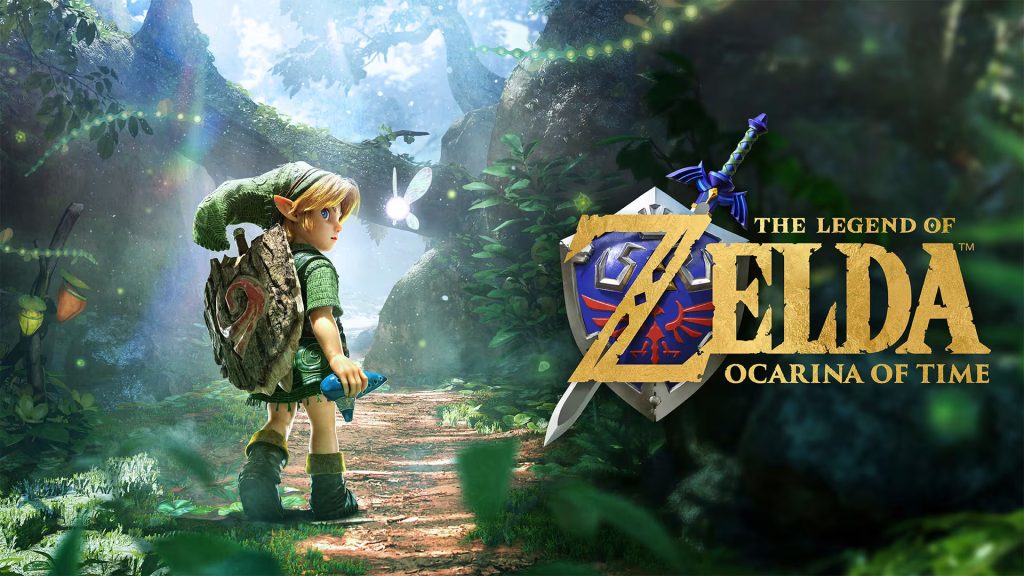
What is the Legend of Zelda: Ocarina of Time Remake?
The Legend of Zelda: Ocarina of Time remake takes us back to Hyrule—but could it still capture the magic? After more than 20 hours and a completed main story, my The Legend of Zelda: Ocarina of Time remake review on Nintendo Switch 2 explores the refreshed visuals, modern controls, and adventure beneath the nostalgia. I went in with high hopes—and came away with that old spark burning bright.
Developer & Publisher // Nintendo EPD, Nintendo
Platforms // Nintendo Switch 2
MSRP & Release Date // US $59.99 digital / $69.99 physical, November 5, 2026
Reviewed On // Nintendo Switch 2
I went into The Legend of Zelda: Ocarina of Time remake excited—and a little nervous. This is one of my favorite games ever made. I wanted Nintendo to improve it, but I also wanted it to feel like the adventure I remembered.
After spending over 20 hours playing on Nintendo Switch 2 and beating the game, I can say they hit this out of the park. The visuals are beautiful, the controls feel dramatically better, and the story still has a hold on me all these years later. That doesn’t mean I don’t have criticism. The uneven voice acting and the lack of challenge stood out, even while I was enjoying nearly every minute.
That was the balance I cared about most going in. When a game means this much to you, even positive changes can make you nervous. You start wondering whether the developers see the same things you do in the original. Will they understand why a particular moment matters? Will making everything more modern take away the feeling that made you want to return in the first place? Those were my concerns before playing, and the finished adventure did a lot to put them to rest.
For this Ocarina of Time remake review, the question isn’t whether I have fond memories of the original. I absolutely do. The question is whether those memories are doing all the work. After finishing the game, I don’t believe they are. There is still a strong adventure underneath that emotional connection, and the improvements make it easier to appreciate what was already there.
Ocarina of Time – Hyrule’s Visual Overhaul Gets the Important Things Right
- Refreshed Hyrule visuals preserve the atmosphere of Ocarina of Time.
- Detailed environments make this Switch 2 remake a visual standout.
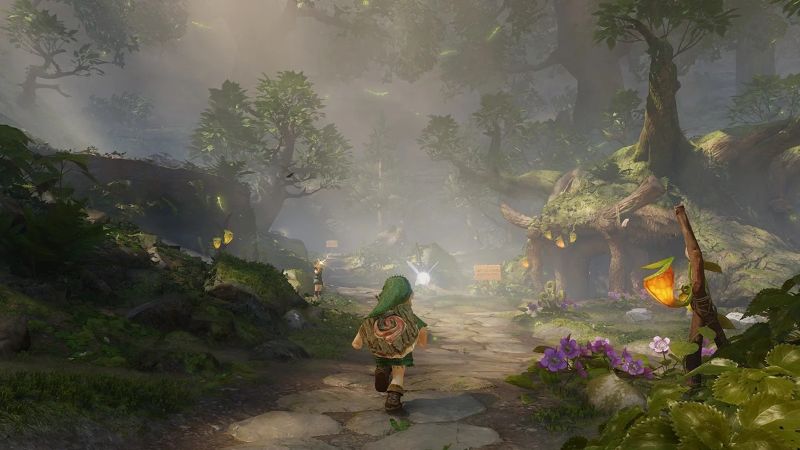
My first reaction to Young Link in the reveal wasn’t entirely positive. Something about his look felt a little off to me. Adult Link, on the other hand, looked almost exactly like the character I imagined as a kid. Once I actually started playing, the overall presentation won me over.
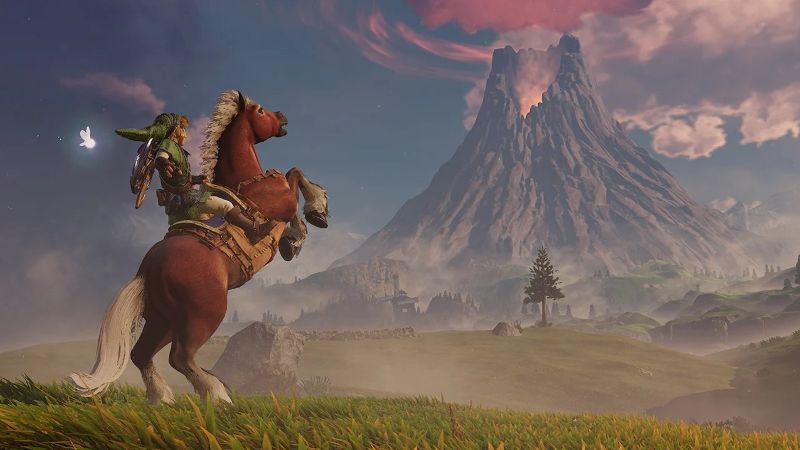
Looking across Hyrule Field toward the castle, or seeing Death Mountain in the distance, gave me that feeling of recognizing somewhere familiar and appreciating it all over again. The smaller details help too: the wind, Link’s hair, and the care put into the world around him. To my eyes, this is one of the best-looking games on Switch 2.
The visual upgrade in Ocarina of Time works because it supports the place I already loved. I didn’t need Hyrule to become unrecognizable. I wanted to see it with the detail I used to fill in with my imagination.
A remake like this has to work on two levels for me. I want the immediate excitement of seeing a familiar location rebuilt, but I also want that location to hold my attention once the initial reaction wears off. Hyrule does that. The attention to detail gives me more to take in without making the world feel disconnected from the story and atmosphere I remember.
That’s also why my early hesitation about Young Link didn’t end up defining the experience. A character in a reveal is only one piece of the presentation. Once I’m controlling him and seeing him within the world, the overall picture matters much more. I still think Adult Link made the stronger first impression, but I came away far more impressed by the complete visual experience than worried about that original reaction.
A timeless Zelda Story, with Inconsistent Voice Acting
- Ocarina of Time’s childhood-to-adulthood story still resonates.
- Inconsistent voice acting interrupts key story moments.
Going back through Ocarina of Time made me appreciate just how far ahead of its time this story was. Young Link, Adult Link, Zelda, Ganondorf, and the sages all contribute to an adventure that still feels worth following. Even knowing the broad story, I found myself paying closer attention this time.
The transition between childhood and adulthood remains a huge part of its appeal. Revisiting this world at different points in Link’s life gives the journey weight. That’s something a fresh coat of paint alone could never create.
What gets me is how much the passage of time changes the way I think about this adventure. Growing up is part of the story, and the game lets you experience that change through the character you control. You aren’t simply hearing that time has passed. You’re returning to a world you already know with a different perspective. That’s an incredibly effective idea, and revisiting it reminded me why this game left such a strong impression on me.
It also gives the familiar characters more meaning. Zelda and Ganondorf aren’t just recognizable names I expect to see in a Zelda game. Their place in this particular journey matters, and the way the adventure develops keeps me invested even when I know where it is going. I can appreciate the bigger picture while still enjoying the individual conversations and moments along the way.
Frustrations in the Voice Acting in Ocarina of Time
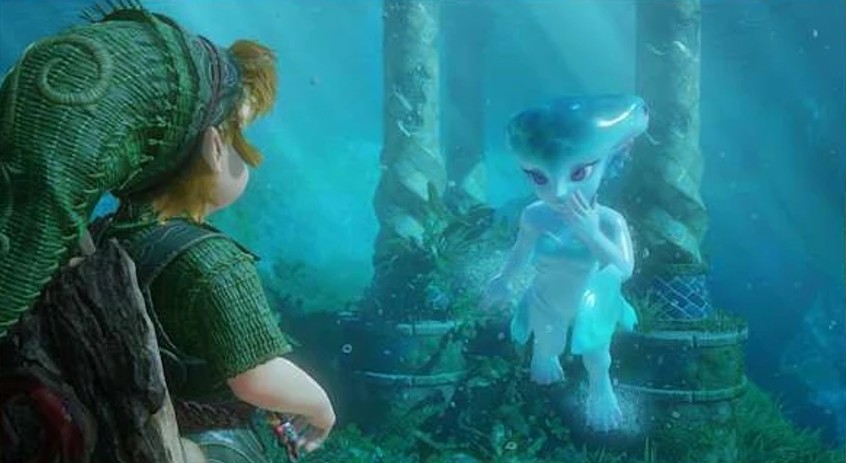
My biggest frustration is how the game moves between voiced scenes and text dialogue. A serious conversation can pull me in with voice acting, then switch back to reading text so quickly that it interrupts the moment.
I wanted the main story’s important characters to have more consistent voice work. Zelda, Ganondorf, Navi, and the sages deserve that treatment. I can think this is a phenomenal game and still believe Nintendo should have gone further here.
To be clear, my criticism isn’t that every single person in Hyrule needs an enormous amount of recorded dialogue. My issue is consistency in the scenes that carry the main story. If a conversation is important enough to establish an emotional moment with voice acting, switching away from that approach immediately afterward makes the presentation feel uneven. The quality of the adventure makes that inconsistency stand out more, because so much around it has been handled so well.
I don’t think that is an unfair expectation for a remake of a game this important to Nintendo. The story is one of its strengths. Giving those main characters a more consistent voice would help that strength come through without the interruptions I noticed. It’s feedback I would give even if this weren’t one of my favorite games.
Modern Controls and Combat Make a Huge Difference in Ocarina of Time
- Modern controls bring fluid combat, free camera movement, and manual jumping.
- Faster item selection keeps Ocarina of Time’s exploration moving.
If you’ve never played Ocarina of Time, the basics are straightforward: Link fights with his sword, uses his shield to defend himself, and relies on tools and items throughout the adventure. Movement and positioning matter, while the items you collect also help you explore and solve puzzles.
The remake keeps that familiar foundation, but it feels much more refined in my hands. The fighting is fluid, and the additional movement options help it feel at home in a modern game. The sideways jumping attacks were one detail I especially appreciated.
Free camera control makes looking around more comfortable, and manual jumping improves the experience more than I expected. Being able to move Link with that extra freedom makes a real difference throughout the adventure.
I didn’t rely heavily on gyro aiming, but I liked having it available for small adjustments when lining up a shot. Faster item selection also helps keep the pace moving. Put together, these changes do more than make the game convenient: they make it feel better to play.
The important thing about those control changes is how often they affect ordinary play. A free camera isn’t something I only notice once and forget about. It changes how comfortably I can take in my surroundings. Manual jumping gives me another direct connection to Link’s movement. When I’m spending more than 20 hours with a game, improvements to actions I repeat throughout the adventure have a much bigger effect than they might sound like on a feature list.
The Legend of Zelda: Ocarina of Time Combat is on Point
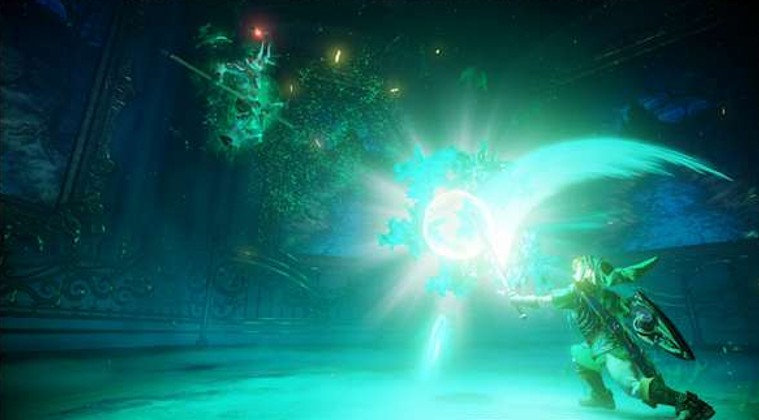
I also like that the familiar combat still comes through. I don’t need Ocarina of Time to turn into a completely different action game to enjoy fighting in it today. The swords, shields, and items already give Link a recognizable identity. Refining how those pieces feel, while adding movement options that make sense, was enough to make combat enjoyable for me again. I could recognize the foundation without feeling stuck with all the limitations I remembered.
For a newcomer, that means the game doesn’t ask you to appreciate awkward controls just because the original was important. You can judge the adventure by how it feels now. For someone like me, it means returning to familiar situations with a more comfortable way to handle them. Both of those experiences matter if a remake is going to reach beyond the people who already love its name.
Is the Ocarina of Time Remake Too Easy?
- The Ocarina of Time remake feels easy for this returning player.
- More difficulty options could add challenge without sacrificing smoother item use.
For me, yes—Ocarina of Time felt easier than I wanted. But there are a couple of reasons for that, and I don’t think they should all be treated as problems.
I’ve played this adventure before. I’m also older than I was the first time, and situations that once gave me trouble aren’t necessarily going to challenge me now. On top of that, smoother movement and better control naturally make it easier to handle enemies.
The quality-of-life changes remove a lot of hassle. The Iron Boots are a great example. Constantly opening a menu to equip and remove them in the Nintendo 64 original interrupted the experience. Having quicker access here makes exploring much less frustrating. More convenient access to tools like the Lens of Truth helps for the same reason.
I’m happy to lose the hassle. I just want the option to turn up the challenge.
I’d like Nintendo to offer more difficulty options. That’s my main request, rather than a reason to undo the improvements. I enjoyed this game throughout my playthrough; I simply wanted it to push back a little more.
There’s a difference between remembering a game as difficult and identifying exactly where that difficulty came from. Sometimes I was figuring out something unfamiliar. Sometimes I was younger and less experienced. Other times, I was dealing with an awkward process that slowed everything down. Removing that process can make a section feel easier without taking away the interesting part of it. That’s why I don’t want to treat every improvement as evidence that the remake has lost something.
The Iron Boots example captures that distinction better than anything else in my playthrough. Repeatedly going into a menu wasn’t the part I wanted to relive. I wanted to enjoy the location, understand what I needed to do, and keep moving through the adventure. Making equipment more convenient helps me stay focused on those things. I would rather Nintendo build challenge around the actual adventure than make me spend more time managing menus.
At the same time, comfort and challenge don’t have to cancel each other out. I can appreciate easier access to items and still want enemies or encounters to demand more from me. Having options would let returning players look for that extra pressure while allowing someone experiencing this story for the first time to settle into it. That’s the direction I would like to see, because it keeps the improvements I enjoyed.
The Music Still Knows Exactly How to Get Me
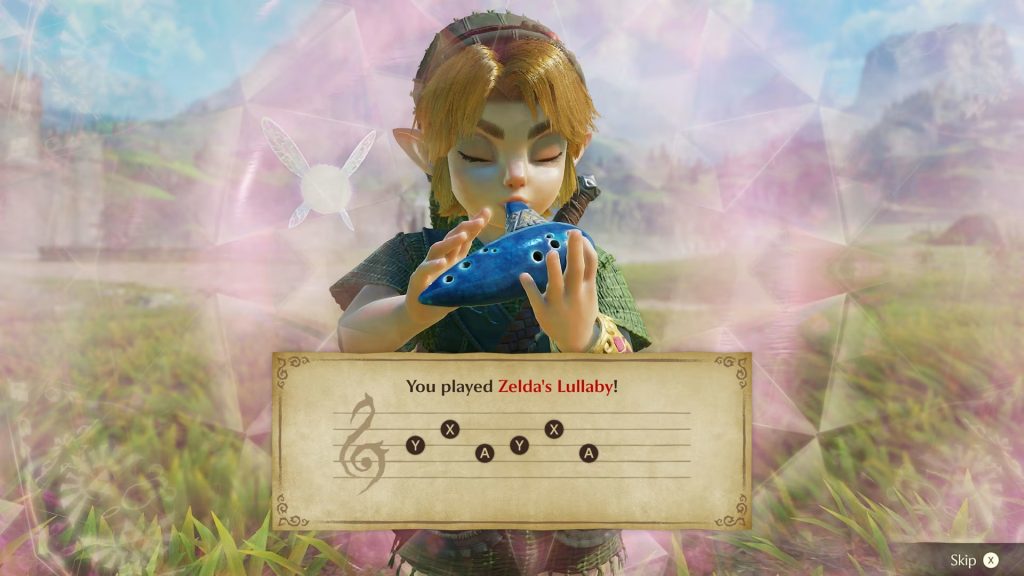
- Ocarina of Time’s soundtrack gives Hyrule and its dungeons lasting character.
- Familiar title-screen music delivers an emotional return for longtime fans.
There are very few games that get me emotional just by starting up. Ocarina of Time is one of them. Hearing the title-screen music and watching Link riding across Hyrule Field brought that feeling straight back. I’m going to be real: a tear or two came down.
It isn’t just that opening. The dungeon music, the music around Hyrule, and the atmosphere they create remain a huge part of why this adventure works for me. The soundtrack helps give these places an identity that stays with you long after you stop playing.
Of course nostalgia is part of my reaction. I’ve loved this game for years. But the way its music, story, and exploration work together still matters when I pick up the controller today.
The title screen was especially powerful because of how much anticipation I brought with me. I’d been waiting to return to this adventure in this form, and that familiar combination of music and imagery connected immediately. It didn’t take a long scene or a big speech. Sometimes a game only needs the right piece of music and a place you remember to bring all of that history back.
But even putting my own reaction aside, the soundtrack gives the adventure a clear sense of place. Music helps distinguish the feeling of exploring Hyrule from the feeling of moving through a dungeon. That connection between what I hear and where I am is part of why the world stays memorable. The visual overhaul gets a lot of attention, understandably, but the atmosphere would lose something essential without the music supporting it.
Does Ocarina of Time Hold Up in Modern Gaming
- Structured exploration and meaningful equipment progression keep Ocarina of Time engaging.
- Updated controls and presentation offer newcomers more than nostalgia.
Absolutely. The remake reminded me that my love for Ocarina of Time isn’t only about when I first played it. The adventure itself still works. The exploration, the story, the combat, and the atmosphere come together in a way I still find special.
I was curious how players whose main Zelda experiences are Breath of the Wild and Tears of the Kingdom would respond to this more structured adventure. Those games offer a different kind of freedom. Ocarina of Time shows why a carefully paced journey with a strong sense of progression still has a place.
I don’t think every future Zelda needs to copy this format exactly. I also don’t think Nintendo has to leave everything about it behind. There’s room to learn from both approaches, and I’d love to see what that could lead to.
What I value about this format is that the adventure has a deliberate sense of direction. I can enjoy the freedom of newer Zelda games and still appreciate a journey that guides me through its story and progression. Those are different pleasures. The remake gave me a chance to reconnect with the one I grew up enjoying, and it reinforced my belief that there is still an audience for it.
I wouldn’t pretend to know exactly what combining those approaches should look like. I’m reviewing the experience in front of me, not drawing up Nintendo’s next project. What I can say is that this playthrough made me want the company to keep paying attention to what works here. A structured adventure doesn’t become outdated simply because a more open approach has also been successful.
Inconsistent Voice Acting
As for this remake, my biggest complaints are the inconsistent voice acting and how easy it felt for me. They are worth talking about, but they didn’t stop this from being a phenomenal experience. If you’ve never played Ocarina of Time, this is an excellent place to start.
My recommendation comes with that personal perspective attached. I’m a longtime fan, and the emotional connection is real. Still, I wouldn’t recommend a game only because it reminded me of being younger. I need to enjoy what I’m actually playing, and I did. Better movement, more convenient item use, and the renewed presentation gave me practical reasons to enjoy coming back, while the story and music gave me reasons to care.
If you are returning after years away, I think that combination is the main attraction. You can revisit the adventure you remember while enjoying changes that make the moment-to-moment experience more comfortable. If you are coming in fresh, you get to discover the story and its world without needing my memories to explain why you should be interested. That’s what I wanted this remake to accomplish, and it’s why I finished it feeling so positive.
That’s where I land after finishing it. I had concerns before playing, and I have criticisms after playing, but neither changes how much I enjoyed the journey. When I think back on this version, I think about seeing Hyrule again, getting comfortable with the controls, and hearing music that still means something to me. Those are the reasons I wanted to share this review, even without receiving a code or covering it before release day.
Great Balance of Exploration and Equipment in Ocarina of Time
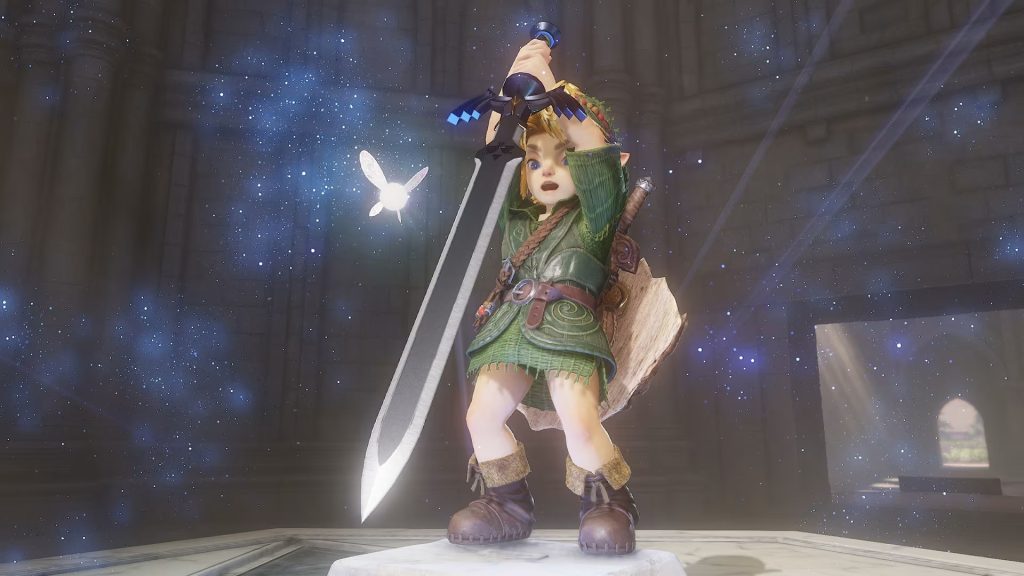
The relationship between exploration and equipment is another reason this adventure holds up for me. Link’s tools have a purpose beyond giving me something new to select. They are part of how I understand the world and move through it. That gives progression a satisfying rhythm: I learn what an item does, become more comfortable using it, and start thinking about how it fits into the adventure. Faster access to those tools makes that relationship easier to enjoy.
Dungeons are especially important to that feeling. They give the adventure distinct stages without making the whole journey feel disconnected. Moving through a location, working out what it expects from me, and using Link’s abilities to make progress gives me a reason to stay engaged beyond simply wanting to see the next story scene. The controls and item improvements support that experience because they reduce the interruptions between having an idea and trying it.
That matters when judging the remake as a game I am playing today. I can appreciate its history, but the experience still needs to keep me interested from one area to the next. For me, the combination of exploration, equipment, and story progression does that. The easier difficulty is a fair criticism, and I still want more consistent voice acting, but neither takes away the satisfaction of making my way through Hyrule and seeing the adventure come together.
A lack of accessibility options holds Hyrule back
I also wanted more accessibility options. Making the adventure smoother to play is welcome, but that isn’t the same as giving players ways to adapt it to their needs. A return to Hyrule should welcome as many people as possible, and broader accessibility support would make this remake stronger.
Final Thoughts on The Legend of Zelda: Ocarina of Time
No doubt The Legend of Zelda: Ocarina of Time remake reminded me why I love this adventure. Beautifully refreshed Hyrule, smoother controls, and that unforgettable soundtrack make returning worthwhile. Inconsistent voice acting and an easy difficulty hold it back, but neither spoiled my journey. I came back to Hyrule for the memories—and left with new reasons to love it.
The Legend of Zelda: Ocarina of Time Remake Final Score
Pros
Beautifully Refreshed Hyrule
Fluid Combat and Modern Controls
A Story and Soundtrack That Still Connect
Less Friction When Using Items
Free Camera Control Makes Exploring Hyrule More Comfortable
Manual Jumping Gives Link's Movement Greater Freedom
Cons
Inconsistent Main-Story Voice Acting
Lack of Difficulty Options
Fewer Switches Between Voiced Scenes and Text Dialogue
Lack of Accessibility Options
