
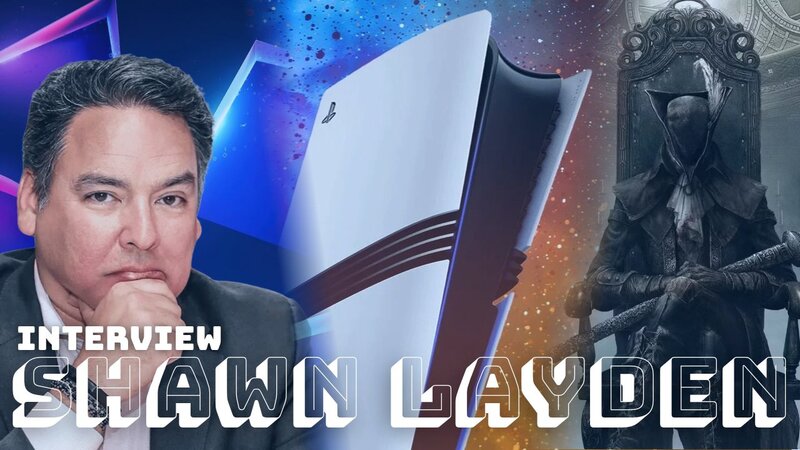
What Did Shawn Layden Discuss During the Trophy Room: A PlayStation Show?
The future of PlayStation has become an increasingly interesting topic as the gaming industry continues to face rising development costs, hardware pricing concerns, and questions about where the next generation of consoles will take us. Former PlayStation executive Shawn Layden recently shared his thoughts on these challenges, offering some fascinating insight into the company’s history and where he believes the industry needs to go.
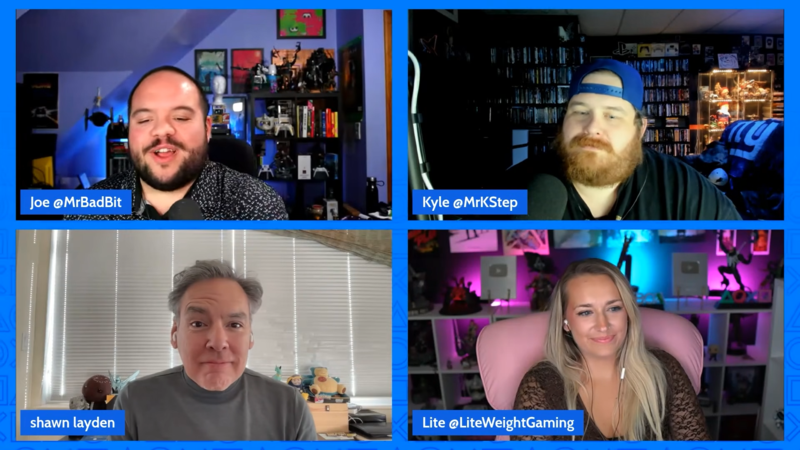
During a recent interview on The Trophy Room: A PlayStation Show, hosted by Joseph Moran, also known as Mr Bad Bit, Layden joined Joseph, Kyle, and Lite for an extensive conversation about the state of gaming. The discussion covered everything from PlayStation 6 and the future of handheld gaming to Bloodborne, the acquisition of Insomniac Games, and the importance of bringing creativity back to the industry.
Although Layden emphasized that he left Sony seven years ago and has no inside knowledge of PlayStation’s current plans, his experience leading the company provided an interesting perspective on some of gaming’s biggest challenges.
Shawn Layden Believes PlayStation Should Focus on Affordability Instead of PS6
One of the most interesting moments of the interview came when Layden discussed the future of PlayStation hardware. With the industry approaching another potential console generation, he questioned whether consumers really need another substantial increase in graphical power.
Looking back at previous generations, Layden explained that the transition from PlayStation to PlayStation 2 brought significant improvements. The same could be said about the move to PlayStation 3 and subsequent generations. However, he believes the improvements being discussed for PlayStation 6 might not be enough to justify another expensive console.
“These are the differences only dogs can hear,” Layden joked while discussing additional ray tracing and teraflops.”
Rather than focusing on increasingly powerful hardware, Layden believes Sony should prioritize making the PlayStation 5 significantly more affordable.
“The innovation needs to come not from making PS6 for $1,200. It’s to make another PS5 for $300. Now, that would be true innovation.”
Layden pointed to the PlayStation 2 as an example of how lower hardware prices can help expand a console’s audience. By the end of its lifecycle, consumers could purchase a PS2 for just $99, allowing people who previously couldn’t justify the investment to enter the PlayStation ecosystem.
He also expressed concern about hardware becoming more expensive over time rather than cheaper. In his view, reducing the cost of existing technology could do more for the industry’s future than simply introducing another generation of increasingly powerful consoles.
Why Bloodborne Hasn’t Returned to PlayStation
Naturally, no discussion about PlayStation’s past would be complete without mentioning Bloodborne. During the interview, Kyle asked Layden why the beloved FromSoftware title has yet to receive a sequel, remake, or another significant revival. Layden praised the game and Sony’s previous relationship with FromSoftware. However, he explained that bringing back older games can involve challenges beyond simply deciding whether fans want them.
According to Layden, developers and publishers must consider whether a revival can respect the original experience while successfully recreating what made it special. He also suggested that the rights and business relationships surrounding Bloodborne could present another obstacle.
With Sony, FromSoftware, and FromSoftware’s parent company potentially involved in discussions, Layden believes getting everyone to agree could be particularly challenging. Importantly, Layden presented this as his assessment of the situation rather than confirmation of any specific negotiations preventing Bloodborne from returning.
Shawn Layden Reveals How Sony Acquired Insomniac Games
Another fascinating part of the interview involved Sony’s acquisition of Insomniac Games, the studio responsible for Ratchet & Clank, Resistance, and Marvel’s Spider-Man. When Joseph asked how such an acquisition begins, Layden revealed that Sony had been interested in acquiring Insomniac for approximately two decades.
However, Insomniac wanted to maintain its independence and explore opportunities with other publishers. This included developing Sunset Overdrive with Microsoft before eventually returning to Sony for Marvel’s Spider-Man. Surprisingly, Layden explained that the conversation leading to the acquisition began over dinner with Insomniac founder Ted Price.
“We’ve been dating for 20 years. Let’s put a ring on it.”
Layden couldn’t remember which of them initially brought up the possibility, but the discussion eventually led to a formal acquisition process. He also explained why joining a larger publisher can become appealing to an established independent studio. As developers grow older and their responsibilities increase, constantly securing funding for the next project can become exhausting.
Joining PlayStation Studios offered Insomniac greater financial stability and allowed its developers to concentrate more on creating games. Layden revealed that after the dinner conversation, he contacted his chief of staff and approached Sony’s leadership to get the process moving.
He also expressed his continued admiration for Insomniac, praising the studio’s accomplishments throughout the PlayStation 5 generation.
PlayStation’s Forgotten Franchises Deserve Another Opportunity

The conversation also explored whether PlayStation should revisit more of its older franchises. Layden recalled receiving resistance when he wanted to bring Ratchet & Clank back to PlayStation 4. Some members of Sony’s marketing department believed consumers weren’t interested in older games.
However, Layden pointed out that approximately 80% of PS4 owners had never played a Ratchet & Clank game, making the franchise a new experience for a substantial portion of the audience. He also shared an amusing story about helping encourage Activision to bring back Crash Bandicoot.
“I had to go on stage at PSX with a Crash Bandicoot t-shirt just to get the conversation going.”
Layden believes that older games can still find success when publishers choose the right franchises and introduce them to new audiences. The discussion also touched on Resistance, another beloved PlayStation franchise. Layden expressed his affection for the series, particularly its creative weapons, and agreed that he would enjoy seeing it return.
AAA Gaming Needs More Creativity and Fewer Risks Driven by Financial Pressure
Beyond PlayStation itself, Layden spent considerable time discussing the broader gaming industry and the challenges facing major publishers. He believes large companies have become increasingly reluctant to experiment because of the enormous financial investments required to develop modern AAA games.
As development budgets grow, publishers become more dependent on established franchises and familiar concepts to recover their investments. Layden argued that this creates an environment where companies prioritize financial performance indicators instead of asking whether a game is genuinely enjoyable.
He also challenged the belief that the industry needs more games, explaining that the real problem is a lack of variety.
“Our problem isn’t a shortage of games.”
Instead, Layden believes the industry needs more unique experiences capable of attracting audiences who aren’t interested in established franchises such as Call of Duty, Fortnite, and Grand Theft Auto. He pointed toward independent developers and smaller AA productions as potential sources of innovation, expressing his desire to see more single-player narrative experiences.
For Layden, the future of gaming depends on giving developers opportunities to experiment rather than expecting every project to become a blockbuster.
Are Modern Video Games Becoming Too Long?
Another interesting discussion centered on the increasing length of modern AAA games. Layden acknowledged that some games can successfully deliver enormous experiences, particularly franchises such as Grand Theft Auto. However, he questioned whether every major release needs to offer 80 or more hours of content.
Reflecting on his own experience overseeing game development, Layden admitted that even some of the lengthy games produced during his time at PlayStation didn’t necessarily offer quality content throughout their entire runtime. He also discussed how the video game rental market influenced development decisions in earlier generations.
During the Blockbuster era, developers had an incentive to create games that couldn’t easily be completed over a weekend. Meanwhile, the gaming press increasingly promoted longer playtimes as a selling point. Layden believes this contributed to an industry where the quantity of content sometimes became more important than its quality.
In his view, a compelling 20-hour experience can offer greater value than a significantly longer game filled with repetitive activities.
Shawn Layden Wants PlayStation Experience to Return
Throughout the interview, Layden repeatedly emphasized the importance of maintaining relationships between gaming companies and their audiences. He recalled helping establish PlayStation Experience in 2014, describing the event as an important opportunity for fans, developers, and publishers to interact directly.
These events also provided smaller independent developers with opportunities to showcase their projects without facing the substantial expenses associated with larger gaming conventions. Layden expressed disappointment that PlayStation Experience eventually disappeared, arguing that the industry has lost some of its connection with fans. He praised Nintendo for continuing to embrace community engagement through events, showcases, and recognizable characters.
According to Layden, PlayStation and Xbox have both struggled in this area in recent years. The conversation also revisited PlayStation’s memorable E3 2016 presentation, which featured a live orchestra and the reveal of God of War. Layden shared memories of walking onto the stage as the orchestra performed and watching Cory Barlog demonstrate the game. For Layden, these moments represent something that modern gaming announcements have struggled to recreate.
Could PlayStation Return to Dedicated Handheld Gaming?
Near the end of the interview, the discussion shifted toward the possibility of PlayStation releasing another dedicated handheld system or developing hardware similar to the Nintendo Switch. Layden expressed enthusiasm for the concept but acknowledged the challenges Sony previously faced while supporting the PSP and PlayStation Vita alongside its home consoles.
According to Layden, maintaining both businesses can feel like operating two separate companies. Each platform requires development resources, marketing support, and a clear identity. He recalled his time leading PlayStation’s Japanese business, when the PSP enjoyed considerable success thanks partly to Monster Hunter, while PlayStation 3 struggled to achieve similar momentum.
Layden believes Sony could potentially succeed with another handheld if it became the company’s primary hardware focus. However, he questioned whether any company could successfully launch and support a new handheld and traditional console simultaneously. Once again, he returned to his belief that PlayStation should prioritize making its existing hardware smaller, more affordable, and accessible rather than continuously increasing its technical capabilities.
The Future of Gaming Depends on Innovation
Despite his concerns about rising costs, repetitive releases, and the challenges facing major publishers, Shawn Layden remains optimistic about gaming’s long-term future. He believes smaller studios and emerging development communities around the world could help introduce the creativity and variety the industry desperately needs.
During the interview, he discussed the growing opportunities for developers in regions such as South America, Africa, Eastern Europe, and Asia. He also explained his former leadership philosophy at PlayStation Studios, which he called “First, Best, Must.”
Under this approach, a game needed to introduce something new, become one of the best experiences in its category, or fulfill an important strategic need for the PlayStation platform. Ultimately, Layden believes the gaming industry must rediscover the willingness to experiment that helped make earlier console generations so memorable.
He closed the conversation by encouraging players to continue supporting developers, sharing feedback, and enjoying the experiences that brought them into gaming in the first place. For anyone interested in hearing more about Layden’s experiences at PlayStation and his thoughts on the future of the industry, be sure to check out the full interview on The Trophy Room: A PlayStation Show.
