
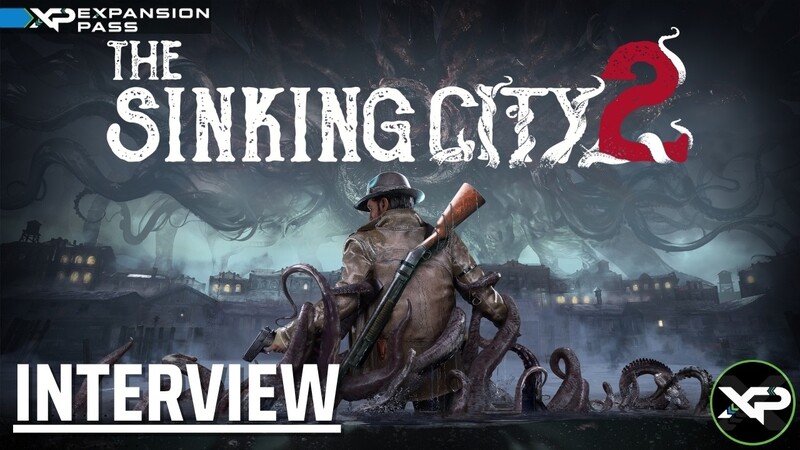
What is The Sinking City 2?
The Sinking City 2 features real wartime audio recorded in Ukraine, according to Frogwares Lead Sound Designer Viacheslav “Slava” Pakalin. During a recent interview with Luke Lohr (Insipid Ghost) on The Expansion Pass, Pakalin revealed that the game’s soundscape incorporates recordings of actual air-raid sirens and distant Patriot air-defense systems. The conversation also took an unexpected turn when an active air-raid alert briefly interrupted the interview itself.
Beyond discussing the realities of developing a video game during Russia’s ongoing invasion of Ukraine, Pakalin offered a fascinating look at the creative decisions behind The Sinking City 2. From embracing traditional survival horror and drawing inspiration from Resident Evil and Silent Hill to carefully crafting the game’s unsettling atmosphere, the interview provided insight into how Frogwares brought its latest horror experience to life.
Key Takeaways
- The Sinking City 2 incorporates actual wartime audio recorded in Kyiv, including an air-raid siren and distant Patriot air-defense fire.
- An active air-raid alert briefly interrupted Pakalin’s interview with Luke Lohr.
- Frogwares developed the game while its Ukrainian team members continued dealing with the realities of war.
- Resident Evil and Silent Hill heavily influenced the game’s survival horror mechanics and atmosphere.
- Frogwares moved away from the original game’s open-world design to deliver a more focused experience.
- Pakalin believes anticipation, silence, and subtle environmental sounds are essential to creating effective horror.
- The studio continues refining the game through player feedback, updates, and customizable difficulty options.
The Sinking City 2 Features Real Sounds Recorded During the War in Ukraine
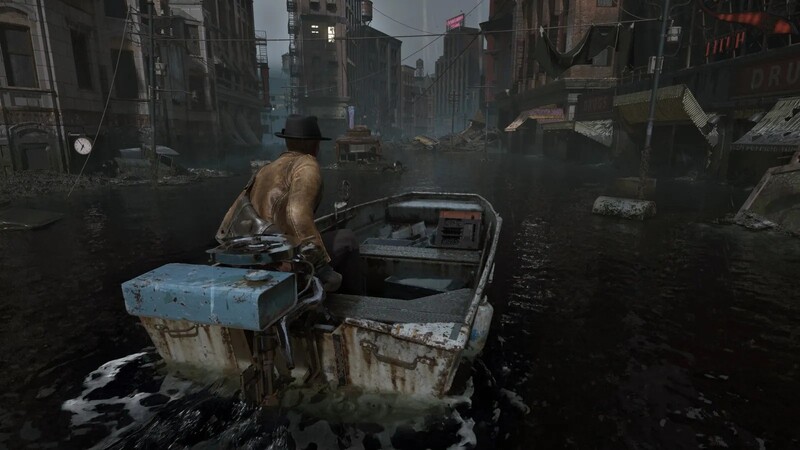
One of the most remarkable revelations from the interview came when Luke Lohr asked whether Frogwares had incorporated actual recordings from Ukraine into The Sinking City 2. Pakalin confirmed that two memorable moments in the game feature sounds captured during real wartime events.
Early in the game, when players leave the apartment, they hear an air-raid siren. According to Pakalin, that sound was recorded directly from his window in Kyiv. Another sequence features fireworks accompanied by heavy explosions near the university. However, the explosive audio did not originate from conventional sound libraries or artificially created effects.
Instead, Pakalin explained that the recordings came from a distant Patriot anti-missile system operating during an attack. During one air-raid warning, Pakalin placed an audio recorder near his window before heading to shelter. When he returned, the recording had captured the sounds of air-defense activity.
Recording The Real Sounds
Initially, he wasn’t sure whether those recordings would ever be useful. Eventually, the development team found a place for them within the game. The sequence was designed to create an unsettling contrast between what players initially perceive as celebratory fireworks and the far more frightening reality reflected in the audio.
Pakalin explained that the team wanted the moment to evoke the uncertainty of an ordinary night in Kyiv, where a distant explosion might initially sound like fireworks before revealing itself to be something much more dangerous.
For a game centered on survival horror, the decision adds an entirely different dimension to its atmosphere. While players experience a fictional nightmare filled with supernatural threats, some of the sounds surrounding them originate from events the developers themselves have experienced.
An Air Raid Interrupts Luke Lohr’s Interview With Frogwares
The realities of developing The Sinking City 2 during wartime became impossible to ignore when the interview itself was briefly interrupted. At approximately 19 minutes and 36 seconds into the conversation, Pakalin suddenly stopped speaking after noticing something flying overhead. After checking the situation, he determined that it was far enough away for the interview to continue.
Rather than immediately returning to the discussion of the game, Luke asked Pakalin to explain what had happened and how circumstances in Ukraine have affected the development team. Pakalin explained that Frogwares is based in Kyiv, although employees also work from other Ukrainian cities and locations elsewhere in Europe.
He then revealed that the interview was taking place during an active air-raid alert, with drones flying nearby and air-defense systems attempting to intercept them. For Pakalin and his colleagues, these circumstances have become part of everyday life.
He described how the studio’s internal communications often begin with employees checking on one another following overnight attacks. Sometimes team members need additional time before beginning work because they have spent the night awake during air-raid warnings.
Safety Is Still A Concern
Safety remains an immediate concern. Pakalin explained that people sometimes have to determine whether an approaching threat requires them to move somewhere safer, including following the two-wall safety principle intended to provide additional protection.
Although he spoke about these experiences with moments of humor, he acknowledged that becoming accustomed to such circumstances does not make them any less serious. The interruption provided a sobering reminder that the people creating The Sinking City 2 are navigating dangers far beyond anything represented by the game’s fictional monsters.
Developing The Sinking City 2 During Russia’s Invasion of Ukraine
The conversation continued with a discussion of the message presented to players at the beginning of The Sinking City 2. That message acknowledges the circumstances surrounding the game’s development and the impact the war has had on Frogwares and its employees. Pakalin explained that the team considered it important to address those realities rather than separate them from the finished product.
He also discussed the unsettling parallels between the game’s flooded environments and real events in Ukraine. During development, the destruction of the Kakhovka Dam in 2023 caused catastrophic flooding and environmental damage. For a team already creating a game centered around a city overwhelmed by water, the similarities were impossible to overlook.
Pakalin reflected on how difficult it could be to distinguish between art imitating life and life unexpectedly resembling art. The conversation also explored whether experiencing genuine danger changes someone’s relationship with fictional horror.
A Form of Escapism
Interestingly, Pakalin explained that video games have become an increasingly important form of escapism for him during the war. Unlike real-life events, games provide an environment where frightening experiences remain controlled. Players can confront terrible situations, overcome challenges, and ultimately stop playing whenever they choose.
That distinction has become especially meaningful to him. Even when playing a game filled with danger, Pakalin knows there is an ending and that he retains control over the experience. Real-world uncertainty offers no such guarantees.
His comments highlighted the importance of entertainment as something more than a distraction. Games can provide opportunities to process emotions, experience different perspectives, and find moments of relief even during extraordinarily difficult circumstances.
Why Frogwares Turned The Sinking City 2 Into a Survival Horror Game
Although the wartime discussion was particularly memorable, Pakalin also spent considerable time explaining why Frogwares made such dramatic changes to The Sinking City 2. The original The Sinking City combined detective investigations with Lovecraftian horror, placing considerable emphasis on exploration and solving mysteries.
For the sequel, however, Frogwares wanted to embrace survival horror much more directly. Pakalin explained that many developers at the studio are passionate fans of the genre, including himself. He specifically identified Resident Evil as one of the game’s primary gameplay inspirations, while Silent Hill heavily influenced its atmosphere. The goal was not simply to introduce more monsters or combat encounters.
Frogwares wanted the city itself to feel like an essential part of the horror experience. Pakalin pointed to the earlier Silent Hill games as examples of environments that feel like characters rather than ordinary locations. That philosophy became central to the design of The Sinking City 2.
Important Decisions Made
The studio also made an important structural decision by abandoning the original game’s open-world approach. According to Pakalin, the team concluded that a more focused experience would better support the story and atmosphere they wanted to create. While the sequel still includes exploration and larger areas, its progression is considerably more directed.
He explained that maintaining an open world would have introduced additional challenges, particularly when filling the environment with meaningful activities that supported the narrative. Rather than relying on unnecessary distractions, Frogwares wanted players to remain focused on the immediate threats surrounding them.
Making Players Feel Vulnerable in a Dead City
One of the most significant differences between the two games is how they approach the player’s relationship with the environment. Pakalin explained that the original The Sinking City allowed players to explore populated streets, interact with residents, and investigate supernatural mysteries.
Although monsters were present, the world did not always feel immediately threatening. That changes dramatically in The Sinking City 2. Instead of exploring a functioning city with dangerous areas scattered throughout it, players enter a location that has effectively been abandoned.
Pakalin described the environment as the rotten remains of a city where nearly everyone has already left. Early evacuation warnings reinforce the idea that the player is entering a place that has been forgotten. The resulting isolation changes the emotional experience.
Rather than primarily wondering which mystery needs solving, players are forced to consider what might be waiting around the next corner and whether they have the resources to survive. This approach also supports the game’s more streamlined storytelling. By removing much of the original game’s emphasis on detective work, Frogwares could concentrate on vulnerability, survival, and the growing sense that something is terribly wrong.
How Sound Design Makes The Sinking City 2 Terrifying
As Lead Sound Designer, Pakalin offered particularly interesting insights into how Frogwares approached the game’s audio. When Luke asked whether hearing a monster or seeing one was more effective at creating fear, Pakalin emphasized the importance of anticipation. He explained that even the most frightening creature eventually becomes familiar once players have encountered it enough times.
However, the moments leading up to that encounter can remain deeply unsettling. A strange noise behind a door, an unfamiliar clicking sound, or something moving in the distance can convince players that danger is approaching long before anything appears. Pakalin described how environmental audio can deliberately blur the distinction between ordinary background noise and the presence of a threat.
Players might hear something that resembles a monster, only to discover it was the wind or a creaking structure. Alternatively, they might dismiss a suspicious sound shortly before being attacked. That uncertainty is exactly what the sound team wanted to create. The goal is not simply to frighten players with loud noises. It is to make them question what they are hearing and whether they should be preparing for danger.
Why Silence Can Be Scarier Than Music
Another important aspect of The Sinking City 2 is its willingness to embrace silence. Luke observed that many sections allow players to hear little more than rain, moving water, or the sounds of buildings settling around them. Pakalin revealed that earlier versions of the game’s audio were considerably busier. However, the team eventually recognized that constantly overwhelming players with frightening sounds could actually weaken the experience.
He explained that prolonged exposure to intense audio creates ear fatigue, making players less responsive to the very sounds intended to frighten them. Instead, the team deliberately introduced quieter moments. These sections give players opportunities to absorb their surroundings before the tension begins building again.
Pakalin also explained that music was used strategically rather than continuously. The intention was to make the environments feel believable, allowing subtle noises and carefully placed audio cues to create unease. Sometimes, the absence of music is precisely what makes players pay closer attention to everything happening around them.
Lovecraftian Horror and the Love Story at the Heart of The Sinking City 2
The interview also explored the game’s Lovecraftian influences and how Frogwares selected the supernatural elements that would appear in the sequel. Pakalin explained that many members of the development team are longtime fans of H. P. Lovecraft’s work. He personally grew up reading Lovecraft’s novels and short stories, making the opportunity to explore that universe particularly exciting.
However, the team did not simply want to include recognizable creatures and supernatural entities for the sake of familiarity. Instead, the developers carefully considered which elements would best support the story they wanted to tell. Pakalin even joked about the challenge of avoiding overly familiar Lovecraftian figures in favor of exploring other possibilities within the mythology.
Perhaps most interestingly, he described The Sinking City 2 as a love story. According to Pakalin, the developers wanted to examine how love could develop and survive within a world influenced by powerful, incomprehensible entities. The supernatural forces surrounding the characters have their own intentions, creating additional complications for the relationships at the center of the narrative.
That combination of personal storytelling and cosmic horror gives the game an emotional foundation beyond its monsters and disturbing environments.
Creating Monsters From Everyday Sounds
Pakalin also revealed that some of the game’s strangest creature sounds originated from surprisingly ordinary sources. He explained that sound design frequently begins with noticing something unusual in everyday life. A noise from an apartment, a household object, or even the sound of eating noodles can become the starting point for a completely different effect.
After recording the original sound, the team experiments with processing and layering it until something more unsettling emerges. Not every experiment produces a useful result, but occasionally an ordinary recording becomes the foundation for a memorable creature or environmental effect. Pakalin also discussed a section involving abandoned vehicles.
Rather than simply adding conventional wind effects, he experimented with how wind might resonate through the metal structures of the cars. The resulting sounds are subtle enough that players might not consciously notice them. Nevertheless, they contribute to the impression that the environment is physically believable while also feeling slightly unnatural.
For Pakalin, that subtle sense of something being wrong is fundamental to effective horror. The most unsettling moments do not always require an obvious monster or supernatural event. Sometimes, an ordinary environment becomes frightening because one small detail feels out of place.
Frogwares Continues Improving The Sinking City 2 Through Player Feedback
Toward the end of the interview, Luke and Pakalin discussed the game’s post-launch support and the importance of listening to players. Pakalin explained that Frogwares has continued addressing bugs, introducing cosmetic additions, and adjusting gameplay balance. The studio reviews feedback to identify areas where players are struggling or encountering mechanics that feel unnecessarily frustrating.
Although not every issue can be resolved through a simple update, the team looks for opportunities to improve the experience without fundamentally rebuilding the game. The discussion also highlighted the sequel’s customizable difficulty options. Players can adjust aspects of combat and puzzle difficulty to suit their preferences better. Pakalin explained that the studio wanted to accommodate people primarily interested in experiencing the story alongside players who enjoy particularly demanding survival horror challenges.
That flexibility allows different audiences to approach the game in ways they find enjoyable. Before the interview concluded, Pakalin also encouraged players to pay attention to a particular radio-related puzzle in the Devil’s Reef Hotel. He suggested that players from Sweden might recognize additional context behind the puzzle, although he deliberately avoided revealing its significance.
The Sinking City 2 Is a Horror Game Shaped by Real Experiences
Viacheslav Pakalin’s conversation with Luke Lohr offered a fascinating look into what makes The Sinking City 2 such a distinctive survival-horror experience. From the influence of Resident Evil and Silent Hill to the deliberate use of silence, environmental audio, and Lovecraftian storytelling, Frogwares has approached the sequel with a clear vision. However, learning that actual air-raid sirens and air-defense recordings from Ukraine made their way into the game adds a deeply personal dimension to its unsettling atmosphere.
Perhaps the most memorable moment was the interview itself being interrupted by an air-raid alert, offering an unexpected glimpse into the circumstances surrounding the game’s development. Pakalin’s willingness to discuss those experiences, alongside his enthusiasm for the craft of sound design, made for an especially meaningful conversation. For more insights into The Sinking City 2 and the people behind it, be sure to check out Luke Lohr’s full interview with Viacheslav Pakalin on The Expansion Pass.
