
What is Final Fantasy Resonance?
Developed by Square Enix, Final Fantasy Resonance is a 2.5 HD RPG in the same vein as Octopath Traveler series. The game captures so much of what I love about older Final Fantasy games. A world threatened by trouble surrounding its crystals, mysterious characters, rewarding exploration, and a combat system that encourages experimentation all come together in an experience I thoroughly enjoyed.
Its biggest attraction, however, is how it brings familiar Final Fantasy characters into that adventure. These appearances go beyond recognizable faces. Through its Vision system, Resonance makes characters from previous games an important part of how you fight and develop your party, while giving their presence an explanation that fits the world. There are frustrations with navigation, repetitive dungeons, and a few systems I wish offered more flexibility. Even with those complaints, this is a phenomenal game that understands the appeal of classic Final Fantasy.
Developer & Publisher // Square Enix
Platforms // PC, PS5, Switch, Switch 2, Xbox Series X|S
MSRP & Release Date // $49.99, October 22nd 2026
Reviewed On // Xbox Series X
Final Fantasy Resonance’s Story Opens Strong
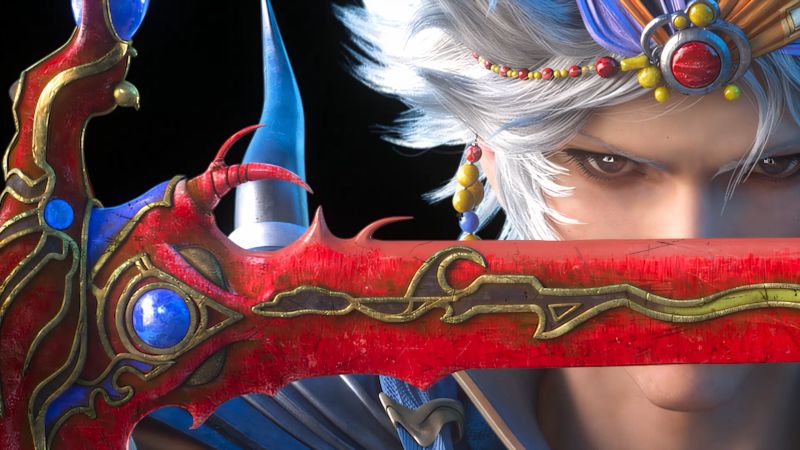
- Final Fantasy Resonance follows Rain through a crystal-centered mystery that captures what I love about classic Final Fantasy stories.
- A cinematic opening and strong writing pulled me into the adventure without giving away all its answers.
You begin as Rain, with trouble surrounding the crystals, unfamiliar people entering the picture, and questions involving his father. The world gradually opens up as those mysteries develop. That foundation feels immediately familiar in a good way. Crystals are central to the world’s stability, and the possibility of their destruction gives the adventure the kind of stakes associated with older Final Fantasy stories. Final Fantasy Resonance embraces that identity.
The opening deserves particular credit. Final Fantasy VII Remake comes to mind when I think about how effectively an introduction can pull you into a game, and Resonance’s cinematic opening had that same effect on me. It introduces characters, establishes questions about who they are, and gives you a reason to want answers without explaining everything immediately.
The prologue uses dialogue and presentation well, setting up the adventure before moving into Rain’s story. I understand why the team would want players to experience that introduction through a demo. It makes a strong first impression. More broadly, the writing impressed me. The team clearly understands how to approach this style of story, and that confidence carries through the experience.
Beautiful Art and Battle Animations
- Final Fantasy Resonance looks phenomenal, with beautiful character art, animated backgrounds, and consistently impressive battle visuals.
- Summons, Limit Breaks, and Vision attacks kept me watching their cinematic animations well into the adventure.
Visually, Final Fantasy Resonance looks phenomenal. The art style, character animations, background animations, and overall presentation consistently impressed me. There are elements of the map and the way you interact with it that gave me Octopath Traveler vibes. That comparison also comes up in parts of the combat, but visually, Resonance has plenty to appreciate on its own.
Battles are a particular highlight. Summons, Limit Breaks, and the cinematic attacks associated with Final Fantasy Visions all look excellent. I honestly cannot point to something about the battle visuals that I disliked. Naturally, lengthy animations can become something you stop watching after enough hours. But I watched these sequences many times before reaching that point. Whether I was using Cloud’s special ability or another familiar character’s attack, the presentation made me want to see it play out. Getting me to keep watching those animations well into the adventure says a lot about how successfully the game delivers those moments.
Final Fantasy Resonance Combat: Weaknesses and Stagger
- Final Fantasy Resonance’s turn-based combat rewards exploiting enemy weaknesses to deplete a stagger bar.
- Staggering enemies earns extra actions, making party coordination and well-timed Vision attacks particularly satisfying.
Final Fantasy Resonance uses enemy weaknesses in a way that reminded me of Octopath Traveler, although the underlying system works differently. Instead of breaking through a set number of shields, you work against a stagger bar. Exploiting weaknesses depletes that bar more effectively, making your choice of attacks important.
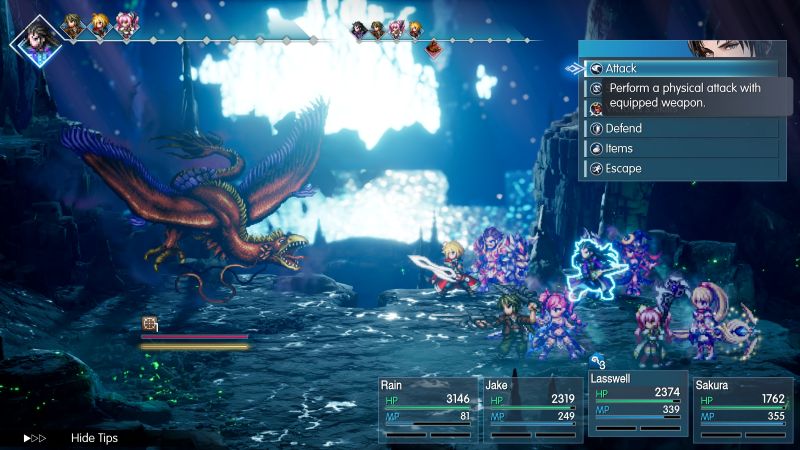
Stagger also affects what happens at the end of a turn. When a character staggers an enemy, that character gets another action at the end of the turn. Stagger the entire enemy team, and your whole party gets to act again, followed by a Vision attack. That creates a satisfying reason to coordinate your party. You are thinking about weaknesses, who can trigger a stagger, and how to create an opening for everyone else. Alongside standard weapons and equipment, certain abilities can also be upgraded. However, the Vision system is what really makes character building stand out.
The Vision System Makes Classic Characters Matter in Final Fantasy Resonance
- The Vision system turns classic Final Fantasy characters into flexible class options, with different abilities and permanent mastery benefits.
- I loved shaping my party around roles like Breaker and Commando, though I wanted more healing and Medic options.
In Final Fantasy Resonance, Visions function as a class system, with many represented by familiar characters from earlier Final Fantasy games. Cloud from Final Fantasy VII, Squall from Final Fantasy VIII, Zidane from Final Fantasy IX, Bartz from Final Fantasy V, and Tidus from Final Fantasy X are among the familiar faces involved. They bring different fighting styles and moves, giving you reasons to experiment beyond simply choosing your favorite character.
As you level Visions, you gain benefits through a mastery-style progression system. Some benefits remain permanently attached to your character, while others depend on what you currently have equipped. That distinction lets you build toward the kind of character you want rather than treating every Vision as an isolated option.
Roles such as Commando and Breaker further shape those choices. Breaker, for example, seemed focused on staggering opponents as quickly as possible. Looking across the different Breaker Visions, I could see multiple ways to approach that role.
That flexibility is one of the system’s biggest strengths. I felt like I could shape my party around the way I wanted to play. My main complaint is that I wanted more healing options. There were some, but I did not see many, and I would have liked the Medic role to receive more attention.
What I Wanted From a Final Fantasy Crossover
- Final Fantasy Resonance gives its returning characters a place in the adventure that feels closer to what I wanted from a crossover.
- Discovering Visions at shrines is rewarding, even if the questions during some encounters left me unsure whether my answers mattered.
The way Resonance incorporates returning characters is close to what I always wanted from a game like Dissidia. Similarly, Dissidia has its own identity, but I prefer how these characters are used here. Resonance gives you an explanation for their presence that makes sense within the adventure. It does not overexplain everything, but it also does not leave the entire concept unexplained.
Finding these characters is part of the appeal. Shrines around the map give you reasons to explore, and discovering Visions feels rewarding. There is another aspect of the Vision encounters that I do not want to spoil. Some questions presented during those sequences left me wondering whether they were necessary. I also could not tell whether different answers meaningfully changed anything. That uncertainty did not take away from how much I enjoyed obtaining the Visions themselves. The overall concept and execution are excellent.
Exploring Final Fantasy Resonance – Side Quests and Easter Eggs
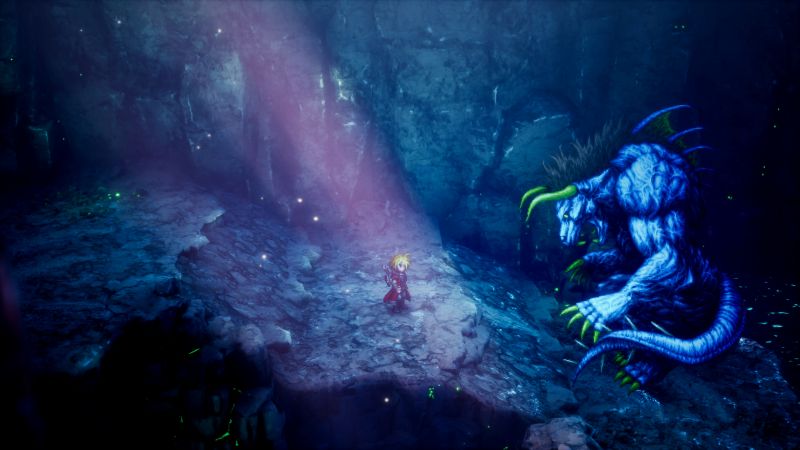
- Exploring Final Fantasy Resonance rewards curiosity with Visions, summon locations, useful items, and clues from townspeople.
- Character side quests, familiar music, and Final Fantasy Easter eggs made looking around especially worthwhile for me.
Resonance regularly gives you reasons to look around the world. You can discover locations associated with summons, find Visions, collect scattered items, and come across places that lead to something worth investigating. Exploration feels encouraged because there is a meaningful possibility of finding something useful or interesting.
Towns contribute to that process. When you arrive somewhere new, pay attention to citizens marked with question marks and the bulletin points you encounter. These can provide rumors and information, including clues about where to find espers. There are also side quests dedicated to characters from previous Final Fantasy games, along with character development side missions for members of the current adventure.
The Easter eggs are another major strength. I noticed references to multiple games, and some are better left for players to discover themselves. Familiar music, callbacks to earlier events, and character-specific moments all contribute to the feeling that this game was built to connect with longtime fans. Square Enix clearly wanted to hit that nostalgia, and it worked on me. I loved seeing how those references were woven into the experience.
Summons That Fight Beside You
- Summons in Final Fantasy Resonance join your party on the battlefield and fight beside you for three turns.
- Their direct involvement and excellent animations made them one of my favorite parts of combat.
I do not always enjoy summons in games like this. Sometimes they feel too powerful, making encounters easier in a way that takes something away from my enjoyment. Resonance handles them in a way I really liked: they appear beside your party and fight with you for three turns.
Other games, including some of the remakes, have explored the idea of summons joining you directly. Even so, I appreciated seeing that approach here, with summons present on the battlefield and participating in the fight. Their involvement feels more engaging to me, and their presentation is excellent. Between their animations and their role in battle, summons became one of my favorite parts of the combat.
Limit Breaks Can Make Battles Too Easy
- Limit Breaks and full-team stagger attacks look great, but their powerful combinations made early and midgame battles feel too forgiving.
- Later encounters and endgame bosses offer more resistance; with surprises I would rather leave unspoiled.
Both your characters and your Final Fantasy Visions have Limit Breaks. When you stagger the entire enemy team, the sequence can culminate in an attack involving the four Visions equipped across your party. It is a cool system, especially when combined with the extra actions earned through stagger. However, it sometimes felt a little too powerful.
During the early and middle portions of the game, I rarely felt particularly stressed by combat. Once the systems came together, I could create situations that felt almost broken. Some of the later and endgame encounters pushed back more effectively, so that feeling did not apply equally to everything. There are also very good endgame bosses, including surprises and references I would rather leave unspoiled. Still, I would have liked more resistance during the earlier portions of the adventure.
A Better Way to Signal Random Encounters
- Final Fantasy Resonance signals approaching random encounters with a changing color indicator, making it easier to plan when to heal.
- I wanted encounter-disabling equipment earlier and would have preferred an unlockable toggle for revisiting areas.
Random encounters are present, but Resonance gives you a visual indicator of how close you are to the next fight. In areas where encounters can happen, an indicator near the top-right map changes color, progressing toward yellow and then red as a battle approaches.
I preferred this to having encounters arrive without any warning. It helped me judge whether I could reach a door before another fight or whether I should heal first. My frustration is with how the game handles avoiding encounters entirely. I wanted earlier access to equipment that disables them.
After 20 or 30 hours, I would like more control over whether I am getting into fights while traveling. I also would prefer an unlockable toggle over tying that option to equipment. I do not think it needs to be available immediately. But once you are well into the adventure, being able to turn encounters on or off would make revisiting areas more convenient.
Travel, Battle Speed, and Resource Management
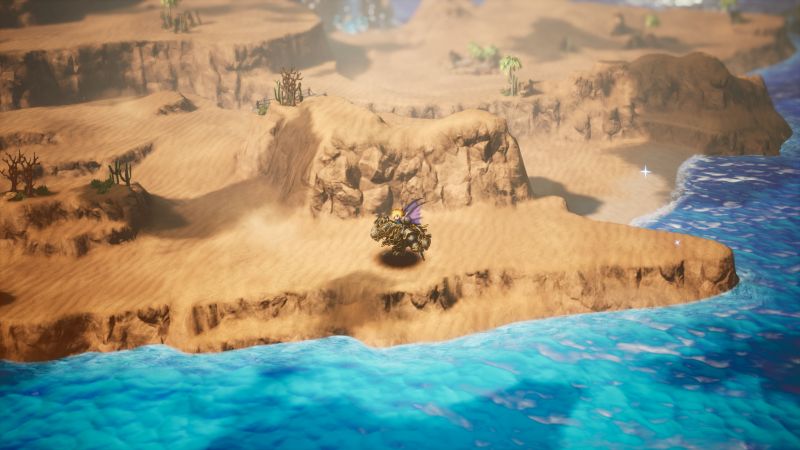
- Fast travel and adjustable battle speeds keep Final Fantasy Resonance moving, though the airship becomes less useful and dungeon teleporting is unavailable.
- Your party does not automatically recover after battles or at save points, so tents and recovery resources remain important.
Resonance offers plenty of fast travel, making it easy to move between destinations. You also get access to a chocobo and an airship, giving the adventure those familiar Final Fantasy travel options. The convenience has a downside. More specifically, fast travel makes the airship feel somewhat irrelevant toward the end of the game. Once you can move around so quickly, there is less reason to rely on it.
You cannot teleport from inside dungeons, either. Coming from Dragon Quest games that allow that kind of convenience, I noticed the restriction. Battles offer different speed settings, which I appreciated. For grinding, though, part of me wanted an option to automatically simulate fights once I was midway through the adventure. At that stage, I was thinking about ways to make repeated battles more efficient.
Resource management also matters because your party does not automatically heal after battles. Reaching a checkpoint or save point does not automatically restore everyone, either. That makes tents and other recovery resources important. You need to pay attention to your party’s condition instead of assuming the next checkpoint will handle it.
Final Fantasy Resonance’s Map Needs More Flexibility
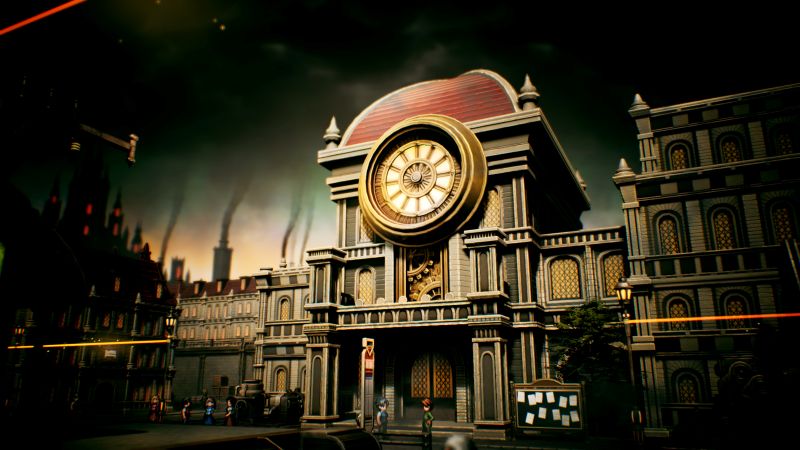
- Final Fantasy Resonance offers a world map and a small local map, but I missed having a full local map to inspect.
- Better zoom controls and a clearer view of nearby areas would have made navigation and side missions less frustrating.
Navigation was one of my more consistent frustrations. You can view the world map, and the small local map in the top-right corner has zoom options. What I wanted was a full local map that I could open and inspect properly. The small map helps, but it does not fully replace that functionality, especially when I am trying to complete a side mission or understand the layout of the area around me. I also wanted more control over how far I could zoom in. These issues did not ruin exploration, but a more flexible map would have made finding my way around easier.
Repetitive Dungeons Hold Exploration Back
- Final Fantasy Resonance’s dungeons often feel like short routes to a boss, with repeated layouts and assets limiting exploration.
- I enjoyed the wider adventure but wanted more substantial optional dungeons and distinctive places to explore.
Although I enjoyed exploring the world, the dungeon design was less impressive. Many dungeons are essentially a short lane leading to a boss. Some feel closer to a room built around a fight than a location with much to explore. The layouts and assets also repeat frequently. Outside of specific, more distinctive locations, I often felt like I was seeing variations of the same dungeon again.
Octopath Traveler came to mind here because I enjoyed how it handled optional dungeons. Resonance has some optional content and side stories, but much of the dungeon experience is connected to the main story rather than a wide selection of substantial optional areas. This was not a major enough problem to overshadow the rest of the game for me. However, players hoping for elaborate optional dungeons should keep their expectations in check.
Dialogue Choices Did Not Add Much
- Some dialogue choices involve stat increases, but Final Fantasy Resonance did not make their different outcomes clear to me.
- The writing held my interest on its own, so I would have been happy with straightforward dialogue instead.
Some dialogue choices also left me questioning their purpose. There are conversations involving responses and stat increases, but I could not clearly tell how choosing a different answer affected the outcome. If those choices meaningfully change something, I would have liked the game to communicate that more clearly. As I experienced them, they did not add much.
I would have been comfortable with straightforward dialogue instead. The writing itself was strong enough to hold my interest without choices whose consequences I struggled to understand.
Final Fantasy Resonance Review: Final Verdict
Final Fantasy Resonance captures the appeal of classic Final Fantasy with strong writing, beautiful presentation, flexible Visions, engaging summons, and rewarding nostalgic connections. Limited maps, repetitive dungeons, delayed encounter controls, unclear dialogue choices, and overly forgiving early combat hold it back, but never overshadow its strengths. For me, it feels like the team’s best work—an adventure absolutely worth your time, with the potential to become a cult classic and one of its biggest successes outside Octopath.
Note – A key was provided for the purpose of this review.
Final Fantasy Resonance Final Score
Pros
Strong writing, beautiful art and music, and nostalgic Final Fantasy connections made Resonance an adventure I loved.
Flexible Visions, satisfying stagger combat, and summons that fight beside you give party building plenty of appeal.
Beautiful art, music, summons, and battle animations.
Flexible Vision system makes returning characters meaningful to party building.
Satisfying weakness-and-stagger combat rewards party coordination.
Rewarding exploration, character side quests, and nostalgic Easter eggs.
Engaging summons fight alongside the party, with worthwhile later-game boss challenges.
Cons
Limited local maps, repetitive dungeons, and travel restrictions make parts of Final Fantasy Resonance less convenient.
Overpowered early combat, limited healing options, unclear dialogue choices, and late encounter controls leave room for improvement.
Powerful Limit Break and stagger combinations can make early and midgame battles too easy.
Encounter-disabling equipment arrives later than desired, with no convenient toggle.
Healing and Medic options feel limited.
Dialogue choices have unclear consequences and add little to the experience.
No teleporting out of dungeons, while fast travel reduces the airship’s usefulness.
