

Nintendo made a surprise announcement today: starting in May 2026, digital versions of first-party Nintendo Switch 2 exclusives will carry a lower MSRP than their physical counterparts. The change kicks off with preorders for Yoshi and the Mysterious Book, which launches May 21 with a $59.99 digital price versus $69.99 for physical. That’s a $10 gap that Nintendo says reflects “the different costs associated with producing and distributing each format.” It’s a seemingly small shift, but one that carries significant implications for how Nintendo approaches pricing going forward—and maybe the entire industry.
Physical vs. Digital Pricing: A Debate That’s Lasted Decades
- Digital games have long carried the same price tag as physical despite having no manufacturing or distribution costs
- Nintendo Switch 2 cartridges are significantly more expensive to produce than Switch 1 cartridges, contributing to the rise in game prices
- This pricing change brings Nintendo’s digital storefront more in line with what consumers expect from them.
Something that gamers have questioned since the rise of digital games is why physical and digital versions cost the same when there’s no packaging, cartridge, or retail distribution involved on the digital side. It never made much sense, and with the Nintendo Switch 2, that tension became even harder to ignore. The jump in cartridge costs compared to the original Switch was one of the main drivers behind Nintendo Switch 2 first-party titles landing at $69.99—and Mario Kart World pushing the ceiling to $79.99. That’s $10 above the industry standard that was already controversial at $70.
Interestingly, this pricing split has already been the norm in the UK, Europe, and Japan since the Switch 2 launched in June 2025. Mario Kart World, for example, was £66.99 on the eShop in the UK while carrying a £74.99 physical MSRP. North America is simply catching up with the rest of the world.
The Nintendo Switch 2 Launch Backlash

- Mario Kart World launching at $79.99 made Nintendo Switch 2 the first mainstream console generation to exceed the $70 price ceiling
- Much of the early backlash was fueled by misinformation, but the sticker shock was real and left a lasting impression
- Even after a record-setting Nintendo Switch 2 launch, game pricing remained one of the most discussed criticisms of the new platform
When Nintendo Switch 2 game prices were first revealed, the internet reacted loudly. A lot of the outrage was rooted in misinformation, but the core frustration was legitimate. Mario Kart World at $79.99 digital and physical crossed a threshold that even the most AAA third-party games hadn’t reached, and that left a bad taste that lingered well beyond the console’s record-breaking debut.
This new pricing structure doesn’t retroactively fix the games already purchased at full price—and if you’ve been a digital-only buyer like many Nintendo fans, you can’t help but wish this had been in place at launch. A $10 discount on several titles would’ve added up quickly. But better late than never, and at least the framework is now in place for future releases to feel more fair out of the gate.
What the Change Actually Means for Your Wallet
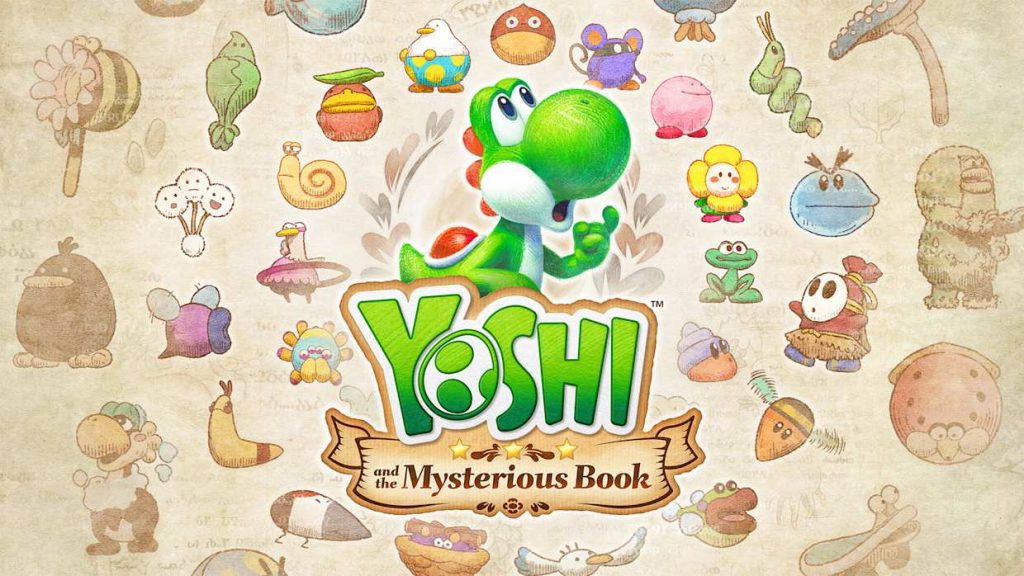
- Yoshi and the Mysterious Book is the first game to reflect the new pricing: $60 digital vs. $70 physical
- The $10 digital discount applies to new Nintendo-published titles exclusive to Nintendo Switch 2, starting May 2026
- Third-party and retail partners can still set their own prices, meaning the discount won’t apply for every Nintendo Switch 2 release and may depend on where you shop.
The first real test of this new structure is Yoshi and the Mysterious Book, available for preorder now at $60 on the eShop and $70 physical. That $10 gap mirrors what European markets have already been experiencing for months, and it sets a clear precedent for how Nintendo intends to handle future first-party releases.
It’s worth noting that this only applies to Nintendo-published Switch 2 exclusives. Third-party publishers aren’t bound to follow suit, and retail partners remain free to price physical and digital copies however they see fit. Still, the MSRP difference is a meaningful baseline shift, and one that rewards the majority of Nintendo’s player base who skew digital, even if the platform isn’t quite as all-in on digital as Xbox or PlayStation.
A Hidden Replacement for Nintendo Switch’s Best Program
- The discontinuation of the Switch’s Voucher Program with no replacement left many Nintendo fans rightfully frustrated heading into the Nintendo Switch 2 era
- This pricing model functions as a de facto replacement for Nintendo’s voucher program, which ultimately offered $10 off each copy when purchasing two digital games at once
- Unlike vouchers, digital buyers no longer need to commit to two games simultaneously to benefit from the discount
A lot of Nintendo fans (myself included) were rightfully upset when the Nintendo Switch Voucher Program was discontinued with no replacement in sight heading into the Nintendo Switch 2 generation. It felt like a step backward for digital buyers who had come to rely on that discount. But in hindsight, if this pricing model was always in the cards, it makes complete sense why Nintendo wouldn’t bother carrying the voucher program over. Why bundle a workaround discount into a new platform when you’re planning to bake the savings directly into the price from the start? I predicted a replacement would eventually come to the new console, but not this soon and not this streamlined.
This change is better than the voucher program in every way. Vouchers required you to commit to two game purchases at once to unlock a $10 discount for each—a hurdle that not every player can stomach when on a budget. This new model just gives you the lower price by default, with no conditions attached. It’s a cleaner, more consumer-friendly approach, and one that benefits every digital buyer automatically rather than rewarding only those willing to buy in bulk.
The Bigger Picture
For a company that takes no shortage of heat from gamers who claim they are anti-consumer—whether it’s aggressive IP enforcement, the Game-Key Card situation, or the lack of deep digital sales—this is one of the most straightforwardly pro-consumer moves Nintendo has made in recent memory. It’s not a revolutionary change, but it’s the right one, and it should push other platforms to seriously reconsider why digital games still cost the same as physical everywhere else. If Nintendo can do it, there’s no excuse for PlayStation and Xbox not to follow.
