
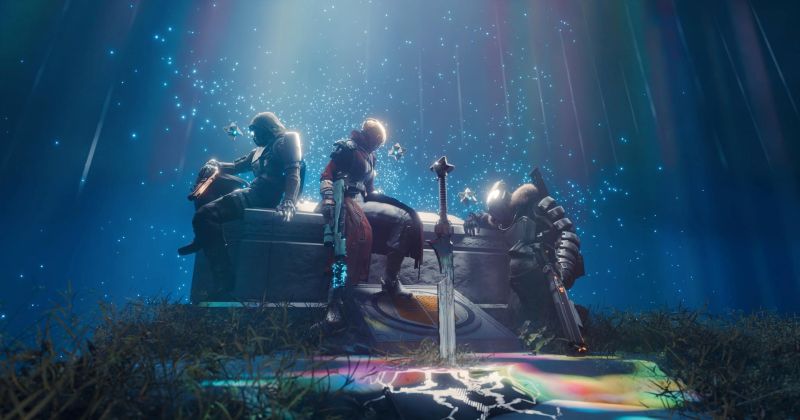
Destiny – Connecting People
It was September 9th, 2014, and I was out having breakfast with my mom after staying up all night playing Bungie’s newest release, Destiny. The night before, I had attended the GameStop midnight launch and was still wearing the wristband featuring the game’s logo that I received at the event.
As I sat at the counter, the cook preparing my breakfast noticed the wristband and struck up a conversation about the game. Less than 24 hours after its release, Destiny was already bringing strangers together through a shared passion.
What I didn’t realize at the time was that this would become a recurring theme throughout my journey with Destiny. Over the years, the game would connect me with countless people, create lasting friendships, and ultimately impact my life in ways I never could have imagined.
Become Legend
During Destiny’s earliest days, I experienced the game alongside a close group of friends from high school. Looking back, the original release had its share of problems. The story felt fragmented, major destinations like Mercury and Jupiter that appeared in early alpha footage were missing, and the amount of available content left many players wanting more.
Despite those shortcomings, I couldn’t stop playing. Something was captivating about the Destiny universe that kept pulling me back in. Whether it was the mystery surrounding the Traveler, the promise of future adventures, or the thrill of becoming a Guardian, I knew I wanted to be part of this world.
Not everyone shared that feeling. As the weeks passed, the friends I had started the journey with gradually moved on to other games. Before long, I was the only one still logging in each night.
A Brotherhood Forged by Destiny
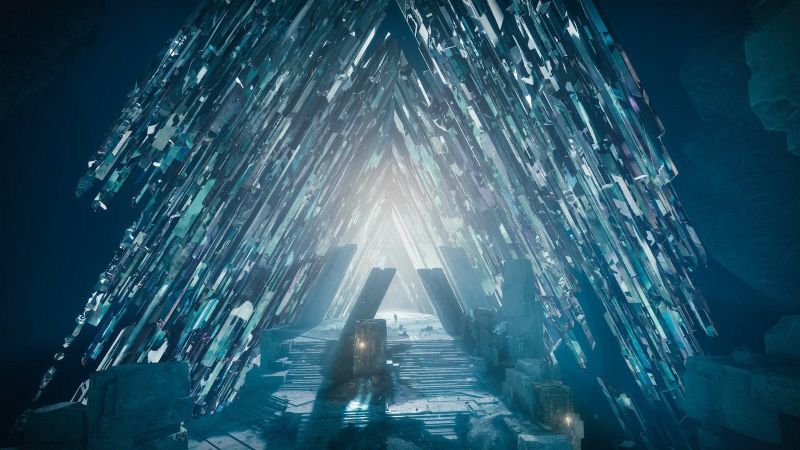
Everything changed on September 16, 2014, when Bungie released Destiny’s first raid: Vault of Glass. Widely regarded as one of the most influential activities in franchise history, Vault of Glass introduced players to a level of teamwork, challenge, and discovery unlike anything the game had offered before.
By the time I reached the required level to enter this pinnacle endgame activity, I found myself without a fireteam. Raids required six players, and the friends who had once shared the adventure were gone.
That challenge led me to the world of LFG (Looking for Group), where Destiny players gathered online to find teammates for raids and other activities. At first, it seemed like nothing more than a practical solution for assembling a six-person team. In reality, it became one of the most important moments of my gaming journey.
What began as a search for raid partners evolved into thousands of hours of unforgettable experiences, late-night laughter, hard-fought victories, and friendships that lasted for years. Through Destiny’s community, I found a group of misfits that I wouldn’t trade for anything. Even today, the memories we created together remain some of my favorite moments in gaming and a testament to the power of shared adventures in Destiny.
Long Live the Taken King!
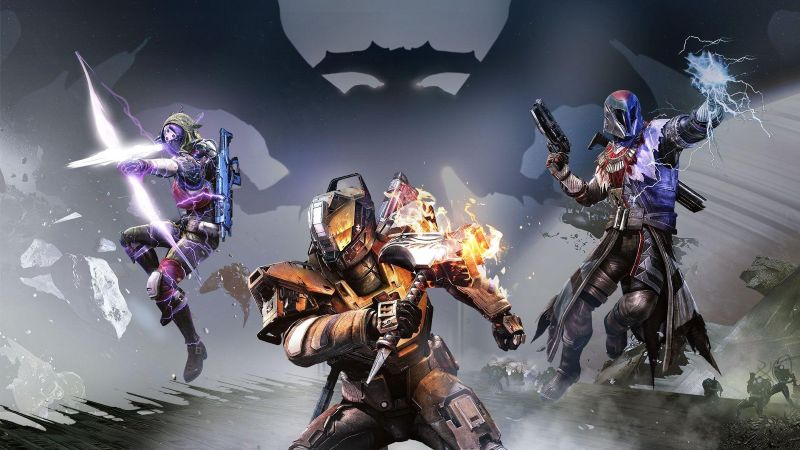
During its lifespan, the original Destiny received four major expansions: The Dark Below, House of Wolves, The Taken King, and Rise of Iron. Each expansion helped push the game closer to its full potential, introducing new activities, mechanics, and improvements that gradually shaped the future of the franchise.
While every expansion contributed to Destiny’s growth, the game’s trajectory changed dramatically with the release of The Taken King. Widely regarded as one of the most important expansions in Destiny’s history, it addressed many of the issues that had held the original game back.
One of its biggest achievements was a complete overhaul of the leveling system, creating a more rewarding sense of progression for players. More importantly, The Taken King delivered a level of storytelling that had largely been absent from Destiny up to that point. The campaign featured a clear central antagonist, Oryx, the powerful Hive god known as the Taken King, whose presence loomed over every aspect of the expansion.
Unlike previous villains who often felt disconnected from the player’s journey, Oryx was woven directly into both the story and endgame content. After confronting him throughout the campaign, players would ultimately face him again as the final boss of the King’s Fall raid. This narrative continuity helped create a stronger connection between Destiny’s story and its endgame activities, making victories feel more meaningful and giving players a compelling reason to experience every piece of content the expansion had to offer.
For many fans, The Taken King marked the moment when Destiny finally delivered on its immense potential, setting a new standard for storytelling, progression, and raid design that would influence the franchise for years to come.
Time Is a Flat Circle
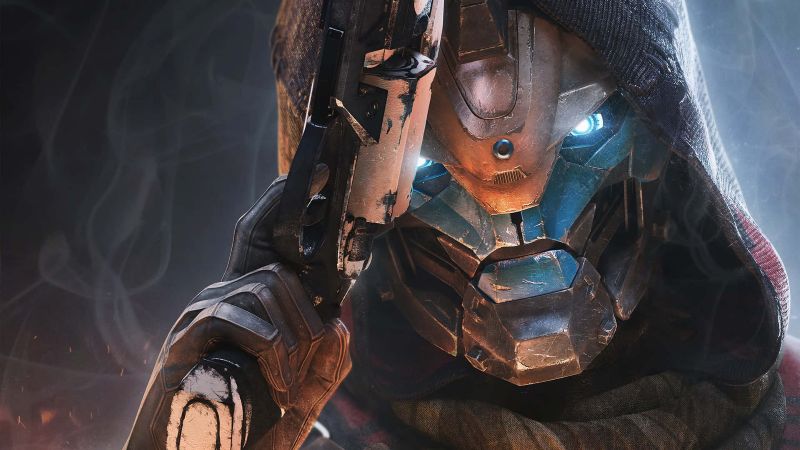
Following the success of The Taken King and Rise of Iron, anticipation for Destiny 2 was incredibly high. Many players believed the sequel would build upon everything Bungie had learned during the original game’s lifespan and provide a strong foundation for the future of the franchise.
Unfortunately, history was about to repeat itself—and in many ways, the situation was even messier the second time around. Especially around the topic of cut content.
At launch, Destiny 2 introduced several controversial gameplay changes that fundamentally altered the experience fans had grown to love. The most criticized was the “double primary” weapon system, which limited players to using two primary weapons while relegating powerful special weapons to the heavy slot. Combined with the removal of random weapon rolls, these changes significantly reduced the sense of progression and player power that had become a core part of Destiny’s identity.
The result was a game that felt less rewarding to many longtime fans. The excitement of chasing the perfect weapon roll was gone, and the power fantasy that made Guardians feel unstoppable had been heavily toned down. While Destiny 2 offered a more polished campaign and a wealth of quality-of-life improvements, it lacked the loot chase and build variety that players had come to expect from the franchise.
For many veterans, the launch of Destiny 2 served as a reminder that Bungie still hadn’t fully solved the challenge of balancing accessibility with the deep progression systems that kept players invested for thousands of hours. Thankfully, eventually, the “double primary” system was removed from the game, and random rolls returned. Which was great, but all this put Bungie on its back foot right away.
Lost To the Corridors of Time

With the release of Destiny 2: Beyond Light, Bungie introduced one of the most controversial changes in the game’s history: the Destiny Content Vault (DCV).
Bungie designed the DCV as a long-term solution to growing challenges involving game size, balance, testing, and overall stability. As Destiny 2 expanded over time, the studio needed a way to manage technical limitations while still evolving the live service experience.
Through this initiative, Bungie removed large portions of existing content from the active game and placed them into the vault. This process affected entire destinations, campaigns, strikes, and even raids that no longer fit into the core experience. Bungie also cycled out planetary zones and legacy activities to make room for new expansions and systems.
At the same time, Bungie shifted Destiny 2 toward a seasonal content structure. The studio began rotating storylines and activities in and out of the game on a regular basis. Some vaulted content later returned in updated forms, while other experiences remained unavailable in their original versions.
The introduction of the DCV fundamentally changed how players experienced Destiny 2. Bungie created a more manageable and maintainable game, but in doing so, it also moved away from the permanently persistent world that many long-time players had come to expect. Also, of course, there is the argument of not being able to access content you once paid for, and whether that’s acceptable. Even in a live service environment.
Destiny 2: Every End is a New Beginning
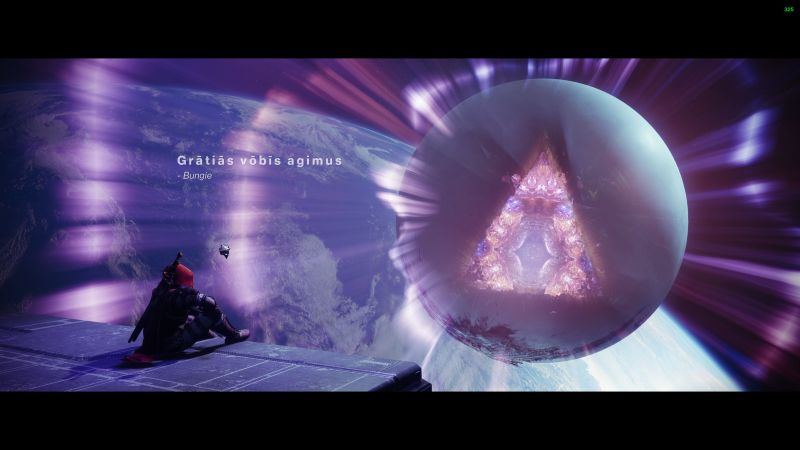
Even though Bungie released two expansions after it, The Final Shape ultimately served as a capstone for Destiny 2. It felt like a natural conclusion to the Light and Darkness saga and made it increasingly clear that the game was moving toward a state of closure. We just didn’t know when that endpoint would arrive until Bungie recently announced June 9th as the final update for Destiny 2, along with details on what players can expect as the game winds down.
When the news broke, it felt bittersweet. I haven’t played much recently, but that doesn’t come from a lack of love for the Destiny universe. Instead, it stems from how the franchise has evolved and how Bungie has managed the IP.
Over the years, many players have come to believe that Bungie understands what makes Destiny compelling and what the community wants from it. However, ongoing tension between creative direction and upper management decisions often shaped the game in ways that frustrated long-time players. That internal struggle arguably had the greatest impact on Destiny 2’s long-term direction and overall player experience.
Guardians Make Their Own Fate
The final boss of the Vault of Glass raid in Destiny is Atheon. During the encounter, once players complete all mechanics and reach the damage phase, the game displays the iconic phrase: “Guardians make their own fate.”
Over the years, this phrase has appeared outside the raid as well. Former Destiny director Luke Smith referenced this phrase when Bungie ended its partnership with Activision Blizzard and gained full control of the Destiny franchise. More recently, longtime community manager DMG echoed the phrase on X.
Some players view these moments as possible hints toward a future timeline where Destiny continues in a new form or direction. That speculation intensified after reports surfaced that Bungie internally pitched a project known as “Destiny Infinity,” described as a potential reboot or evolution of Destiny 2 rather than a traditional Destiny 3.
However, reporting from Bloomberg journalist Jason Schreier confirmed that Bungie has not greenlit any new Destiny projects at this time. As a result, the franchise’s future remains uncertain, despite ongoing community discussion and speculation.
As of this writing, a petition calling for Sony to develop Destiny 3 has surpassed 300,000 signatures. The Destiny series has experienced its share of highs and lows, but many players, including myself, still believe the franchise has significant potential left and plenty of life remaining.
If this is truly the End.

The future of the Destiny franchise as an IP remains uncertain. With no new projects currently greenlit, it may be years, if anything ever arrives at all, before players see the next chapter of the series.
For a game that delivered so much fun, laughter, challenge, and even frustration over the years, I want to say thank you to Bungie. For a long time, the Destiny universe felt like a second home. It became the backdrop for late-night raids and Trials of Osiris cards with friends, long philosophical conversations in orbit that had nothing to do with the game itself, and the loud celebrations after finally defeating a raid boss for the first time.
Knowing that Destiny 2 is reaching its final stages carries a real sense of loss. It means no more “first clears,” no more shared discoveries, and no more of those unforgettable moments that defined the best parts of the experience. That realization hits harder because I’ve seen what Destiny can be when everything clicks and the game operates at its peak.
I genuinely love Destiny and its universe. I hope that one day we get to see its full potential truly realized without the limitations that have held it back over the years, whether from internal management struggles or technical constraints of the engine.
Per ardua ad astra
