
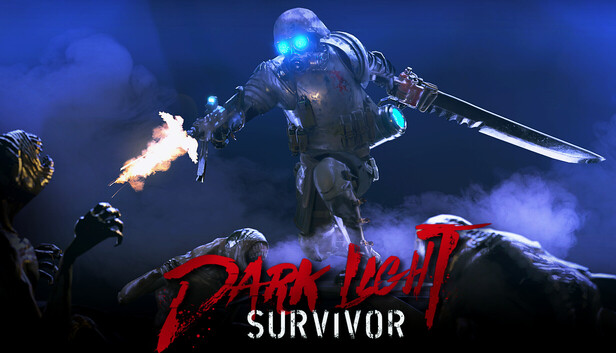
What is Dark Light: Survivor?
Dark Light: Survivor enters early access with bold ambitions, attempting to evolve the Bullet Heaven/Survivors-like formula in ways that immediately stand apart from its peers. Mirari&Co.’s spinoff to their action platformer Dark Light brings the genre’s familiar auto-attack chaos but introduces an instantly swappable camera system that lets you toggle between the classic isometric view and an intimate third-person perspective. Combine that with a dark, gritty 3D art style, engaging twin-stick and over-the-shoulder shooter mechanics, and a splash of inspiration from a roguelike cousin, and you’ve got what may be the most mechanically rich Bullet Heaven to date.
For its debut in early access, Dark Light: Survivor is dripping with potential. A few rough edges hold it back from sitting at the top of the genre right now, but if Mirari&Co. continue refining in the right direction, this could become a defining and game-changing experience in the genre.
Developer: Mirari&Co.
Publisher: Mirari&Co.
Platforms: PC
MSRP: TBD
Release Date: May 15, 2026 (Early Access)
Reviewed On: PC
Presentation — Through Hell and Back
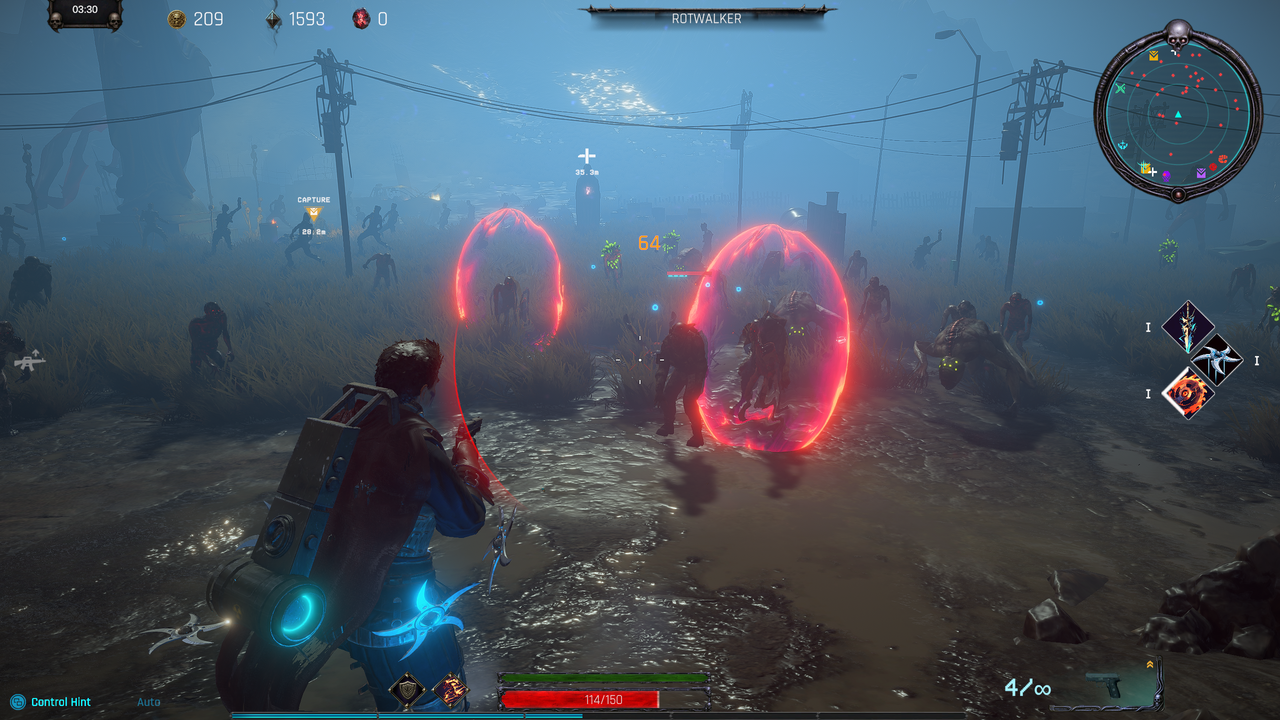
- Gritty, AA-quality 3D art style with grotesque enemy designs
- Levels span ruined towns, Dark Void-swallowed castle ruins, and frozen battlefields
- Optional pixel mode applies a PS1-style filter for retro flair
- Animations could use polish, especially up close in third-person
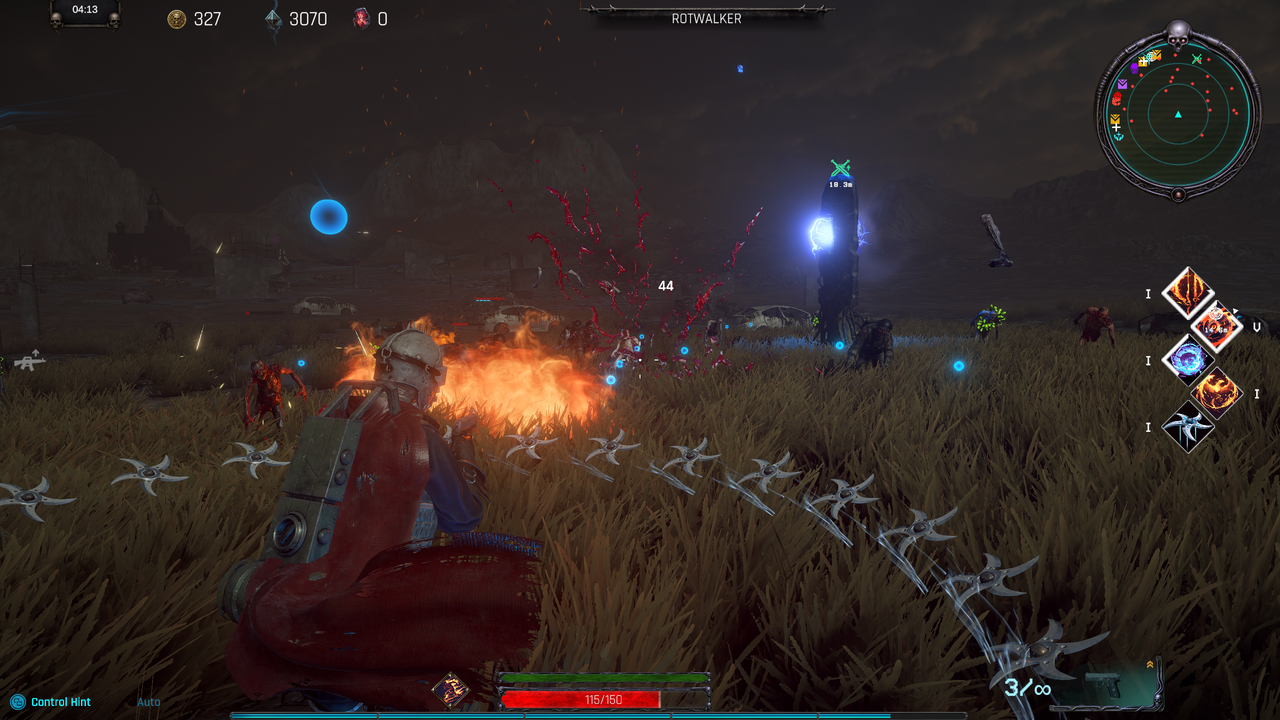
Dark Light: Survivor goes for a realistic, gritty look you’d expect from a polished AA title, and for the most part it pulls it off. Swarms of demons, undead, and possessed soldiers fill the screen across both camera views, with grotesque designs that really make you feel like it’s the end of the world. The post-apocalyptic stages are dark, muggy, and desolate, from a ruined town dragged through Hell to castle ruins swallowed by the Dark Void and a frozen battlefield crawling with giant insect beasts.
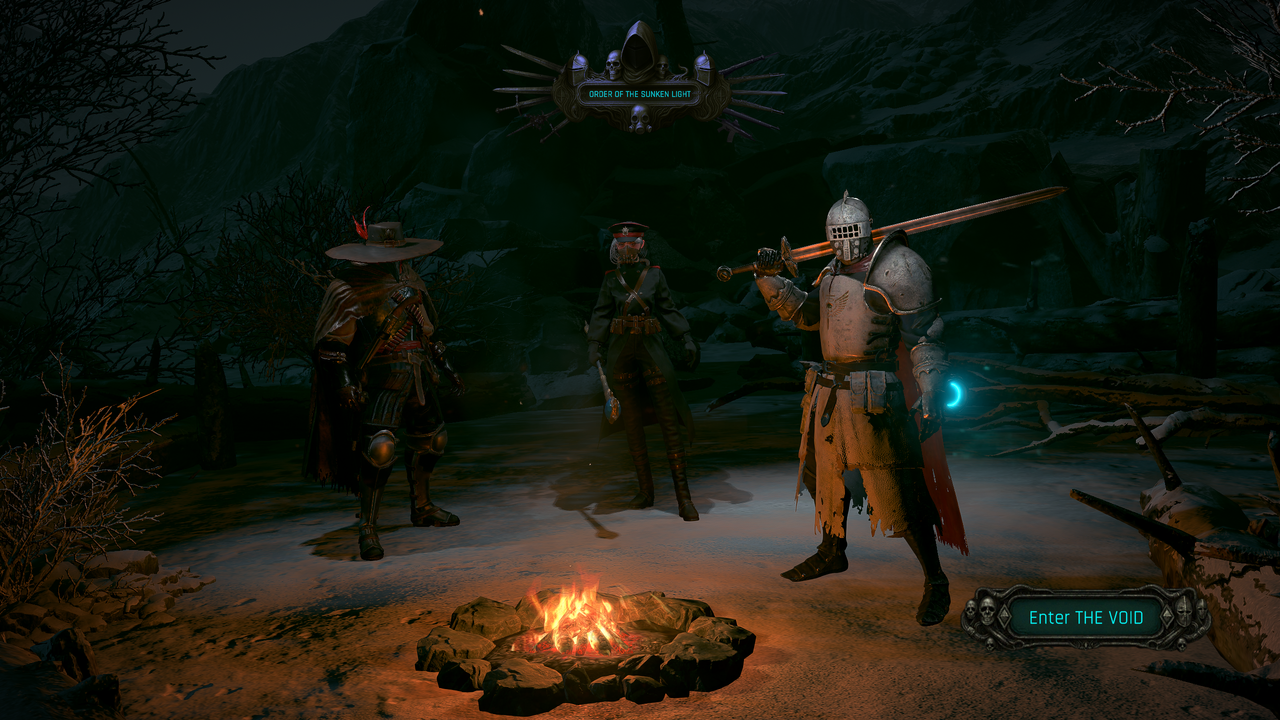
The playable cast in early access have some personality too. An armor-clad Knight wields sword and shield, a dual-pistol wielding plague doctor brings creeping menace, and a staff-wielding sorceress in military uniform rounds out the trio. Each carries a distinct silhouette that holds up in both camera angles.
Where the visuals truly come alive is in the contrast between drab environments and the rainbow of attack effects raining down. As you stack auto-attacks across a run, the screen erupts with lightning, fire, poison, and ice while enemies paint the floor with pools of blood and gore. There’s also a hidden gem buried in the settings: a pixel mode filter that gives the entire game a PS1 aesthetic, and it’s a genuinely cool option to have.
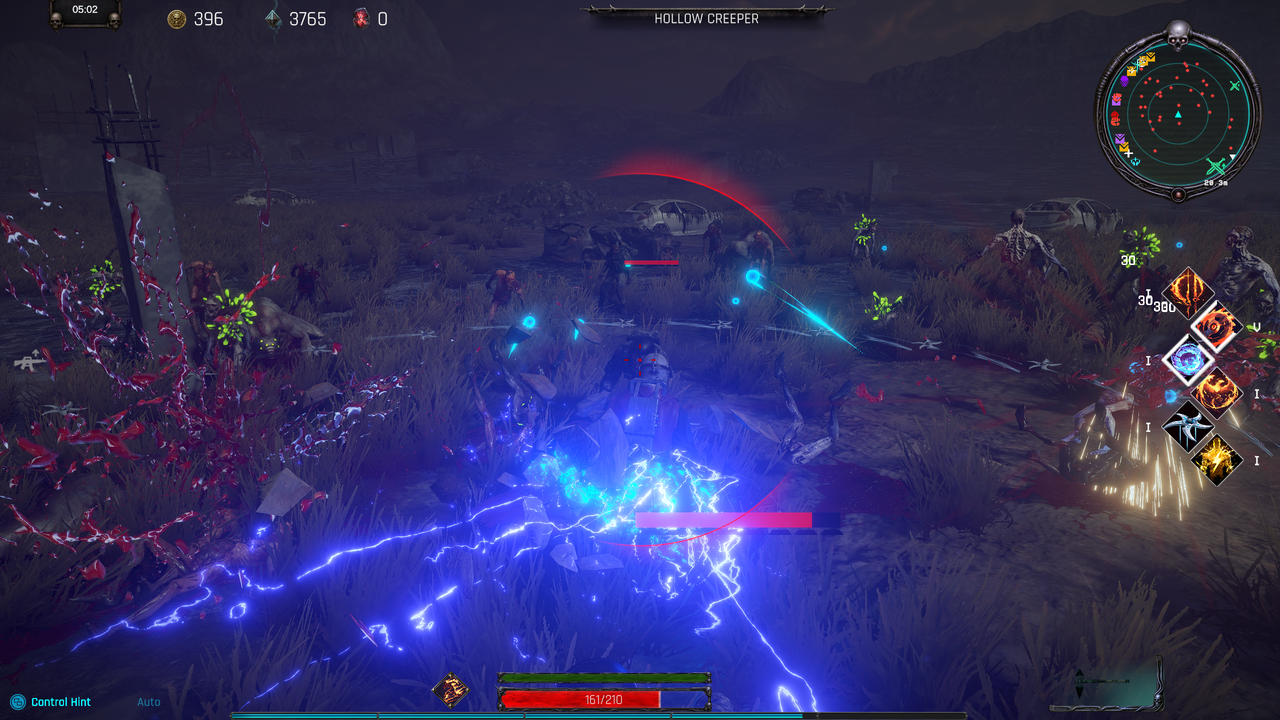
Performance held up smoothly on my rig at max settings throughout my time with the game. Animations are the one weak spot, particularly up close in third-person, but it’s a minor blemish on an otherwise striking presentation.
Soundtrack — All Filler, No Killer
- Combat track is too subdued for the on-screen chaos
- Music loses its grip during repeat runs of the same stage
- Picks up when Elites arrive but lacks earworm hooks
- Title screen settles for hushed ambient synths over melody
The soundtrack is the weakest pillar of Dark Light: Survivor‘s presentation for me. The ambient bass-booming track that plays during runs is far too subdued for the scale of action and spectacle filling the screen. It isn’t catchy, and when you’re repeating the same stage after death number ten, the loop wears out its welcome fast.
It does pick up some energy once Elite enemies enter the fray, but it never delivers the catchy earworms I’ve come to love from other entries in the genre. Even the title screen passes on the chance to grab you, opting instead for ambient synths quietly humming in the background.
It at least fits the tone of the world. A bleak, shattered multiverse on the brink of extinction probably doesn’t need to be too energetic. Still, when Vampire Survivors and Megabonk lean into bombastic, hummable tracks that match the chaos, Dark Light: Survivor‘s restraint feels more like a missed opportunity than a deliberate tonal choice.
Narrative & Lore — The Treacherous Journey to Elysium
- Spinoff to Mirari&Co.’s original Dark Light action platformer
- Play as a Dark Hunter searching the multiverse for Elysium, untouched by the Dark Void
- Six Deities offer voice-acted dialogue and Hades-style power-ups
- World building can feel overwhelming without a codex or journal
Dark Light: Survivor is a spinoff to Mirari&Co.’s debut action platformer, Dark Light. I never got around to the original, but this universe is clearly teeming with lore, even if the narrative beats are light (which is standard for the genre). You play as a Dark Hunter, one of the last humans journeying through a shattered multiverse in search of Elysium, a safe haven untouched by the Dark Void that decimated humanity and fractured reality itself.
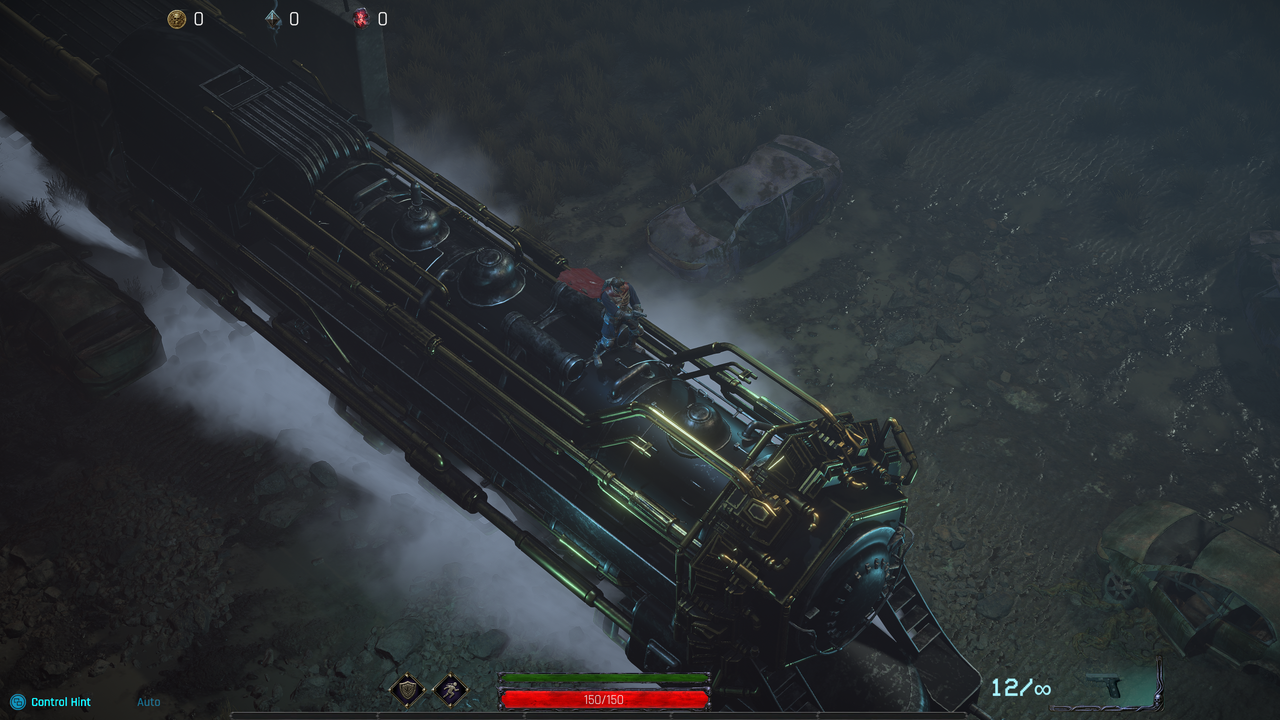
Humanity discovered celestial quantum technology that powers the Phantom Train, a vessel capable of traversing the multiverse. Dark Hunters collect energy from each universe they visit to power the train for its next leap, which gives every run a tidy little narrative purpose.
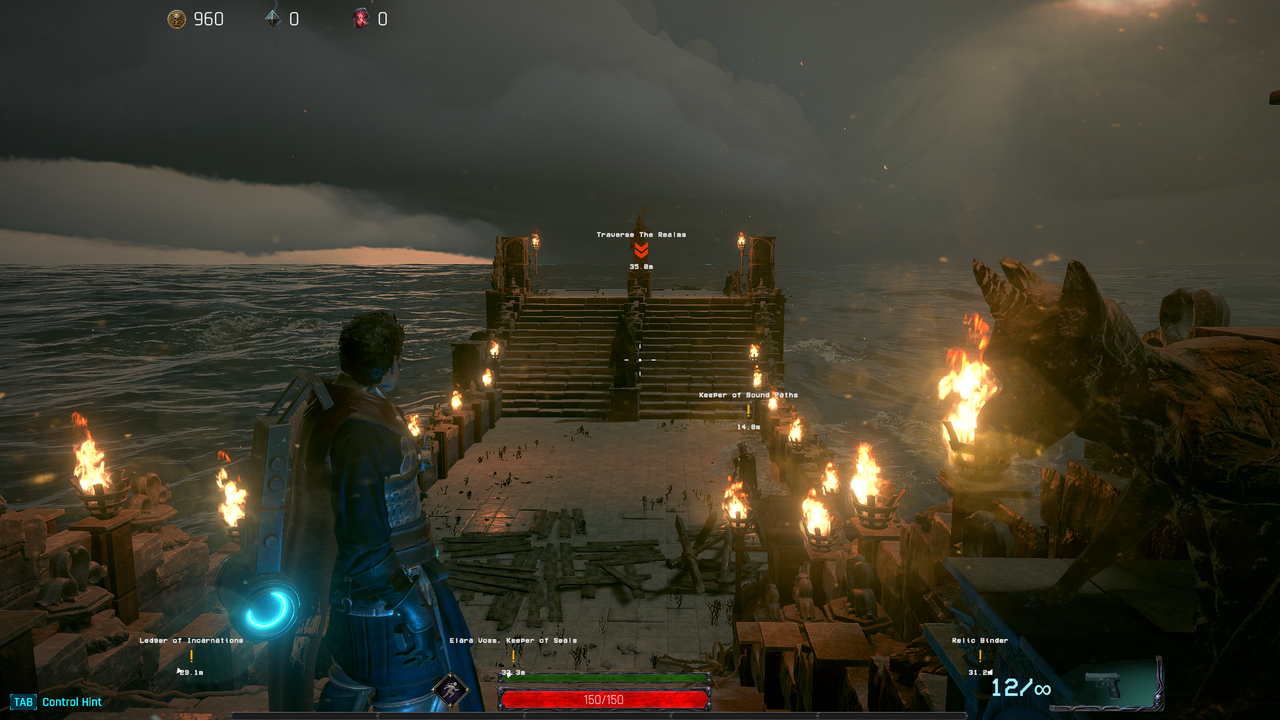
The bulk of the dialogue comes from the Six Deities who lend you their power. Each gets short voice-acted one-liners that lend distinct personality, and they work a lot like the gods in Hades. They’ll occasionally react to one another with unique lines that flesh out their personalities and relationships. Cybernetic characters offer upgrades and unlocks between runs and drop occasional lore before boarding the Phantom Train to battle. But, I found it weird that you don’t interact with the Deities here instead. The cybernetic NPCs are far less charming, and I don’t have the same desire to get to know them.
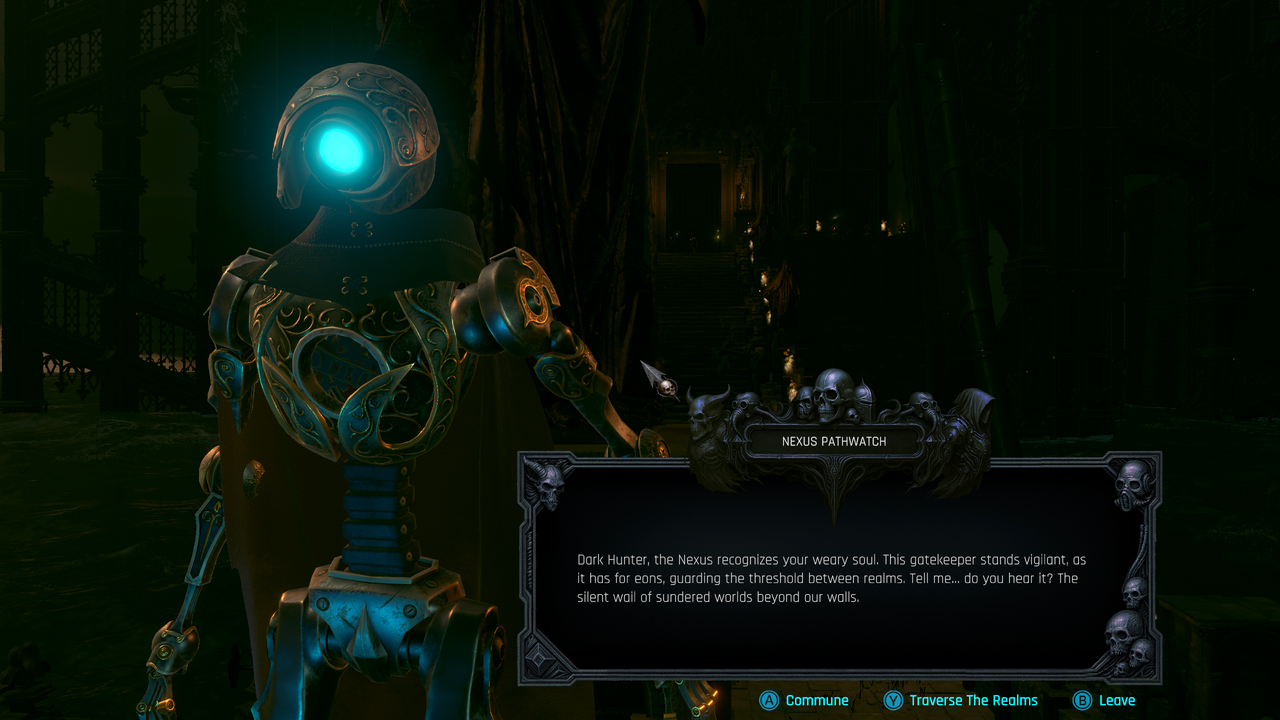
I also found that the world building can be overwhelming and hard to follow at times. A codex or in-game journal that catalogued characters, creatures, and factions would go a long way toward grounding the experience.
Gameplay (Camera & Combat) — Two Ways to Slay
- Instantly swappable isometric and third-person camera views
- Twin-stick shooter and over-the-shoulder gunplay layered atop the auto-attack
- Both perspectives have strengths and weaknesses, but are both fun in their own ways.
Gameplay is where Dark Light: Survivor truly shines, and it might have the most robust mechanics I’ve experienced in a Bullet Heaven. The genre’s iconic auto-attack and isometric view are here, but Mirari&Co. have layered in seamless full control of your character with twin-stick shooting in isometric and third-person over-the-shoulder gunplay that’s a real game changer.
Isometric lets you see your surroundings and plan paths through the swarm, while third-person drops you into the chaos and lets you aim for weak spots like headshots that deal extra damage. That headshot multiplier becomes essential for quickly carving down tough Elite enemies. Each view has clear strengths and weaknesses, but third-person is just plain fun and chaotic, even at a slight tactical disadvantage. Indicators do a solid job warning you when enemies are flanking from outside view so you can react in time.
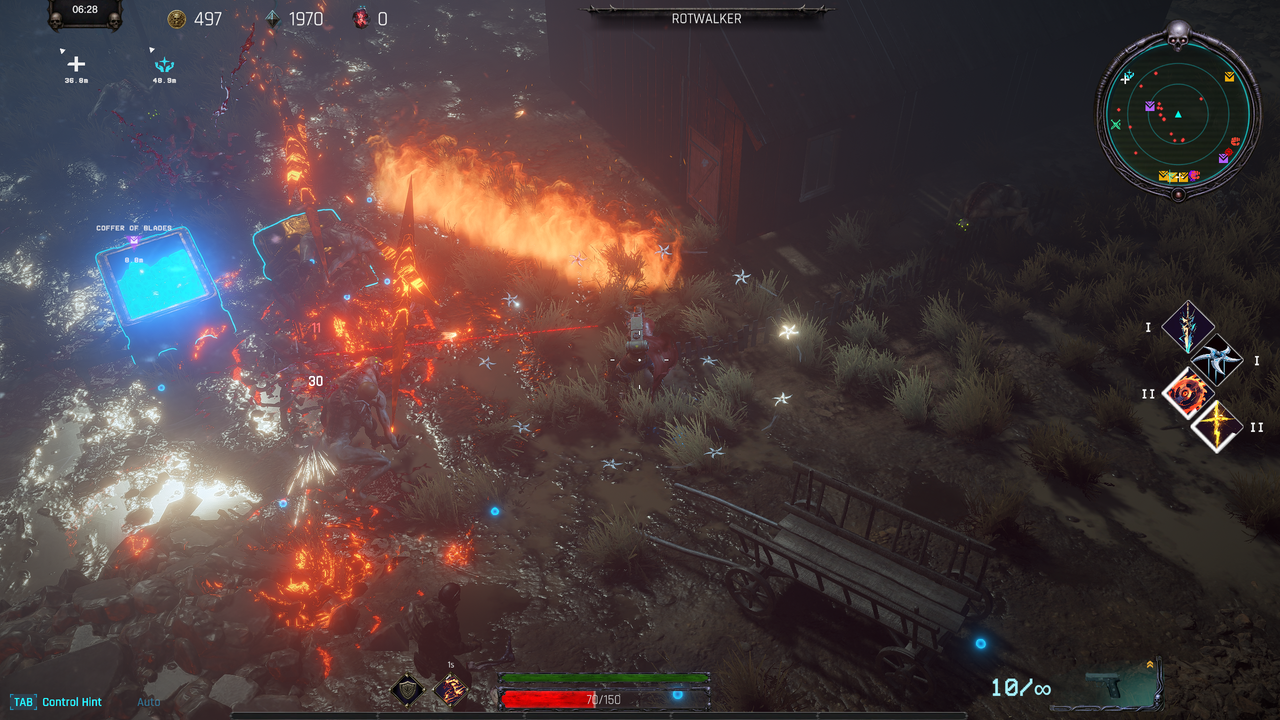
You start each run with a melee and a ranged weapon. Melee usually deals more damage at the cost of getting up close, while ranged lets you keep your distance but requires reloads and takes more shots to finish enemies, at least until upgrades kick in.
You can sprint and dodge roll freely on a cooldown. Some Deity powers attach elemental effects like fire, ice, or lightning to your roll, which can turn a defensive maneuver into an evasive attack with real bite. You can also equip a single active skill in-between runs, like Shield Bash which damages any enemies in front of you with a chance to stun them.
Gameplay (Auto-Attack) — Not Auto Enough
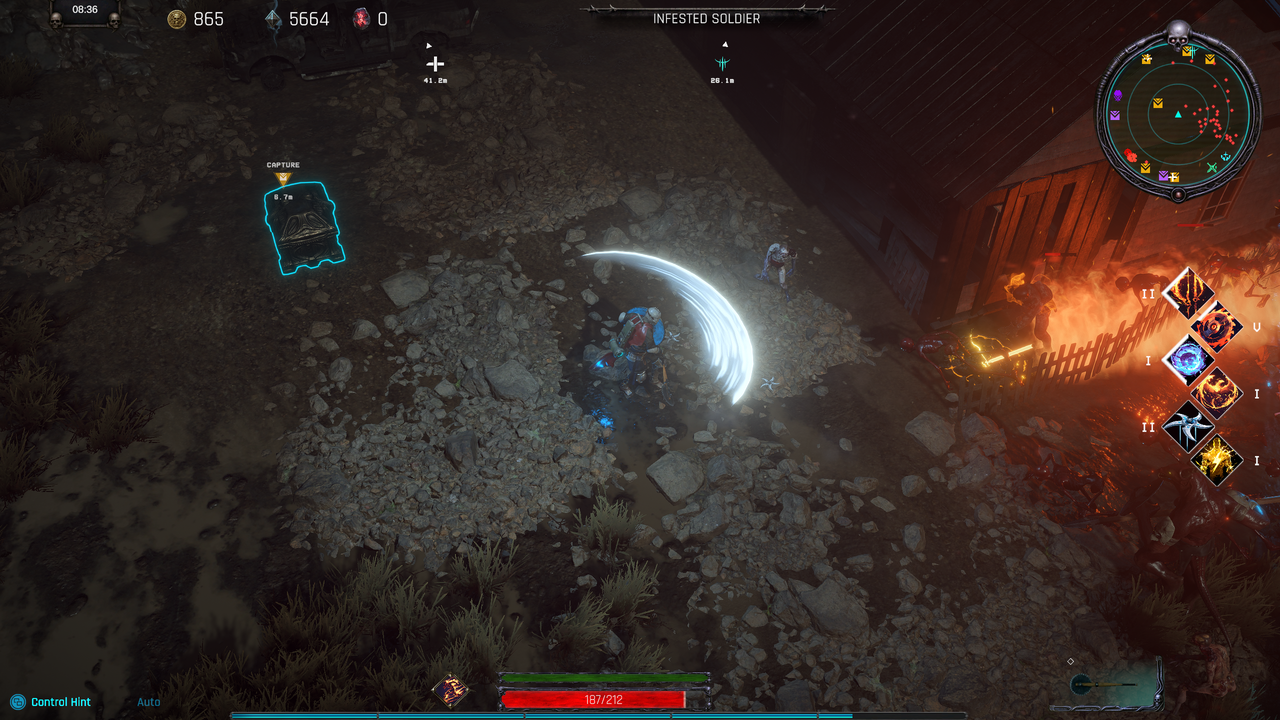
- Auto-attack is off by default and toggled via right stick click
- No visual or audible indicator when auto-attack is active
- Targeting doesn’t intelligently track the nearest enemy
- A full auto-targeting option would be a welcome addition
With all of these mechanics layered together, you can play hands-on by free-aiming for headshots in third-person while unleashing abilities and dodging attacks, or fall back on the tried-and-true auto-attack approach in isometric while you maneuver through hordes. I found myself switching back and forth constantly, and both styles are insanely engaging.
That said, I have a couple of gripes with the auto-attack itself. It isn’t on by default, and you have to click the right stick to activate it. I’d argue it should be on by default. I can’t count how many times I ran into enemies headfirst with nothing firing. Compounding the problem, there’s no visual or audible indicator that auto-attack is active or off. I’ve died multiple times after accidentally clicking the right stick mid-fight and wondering why my character had stopped shooting.
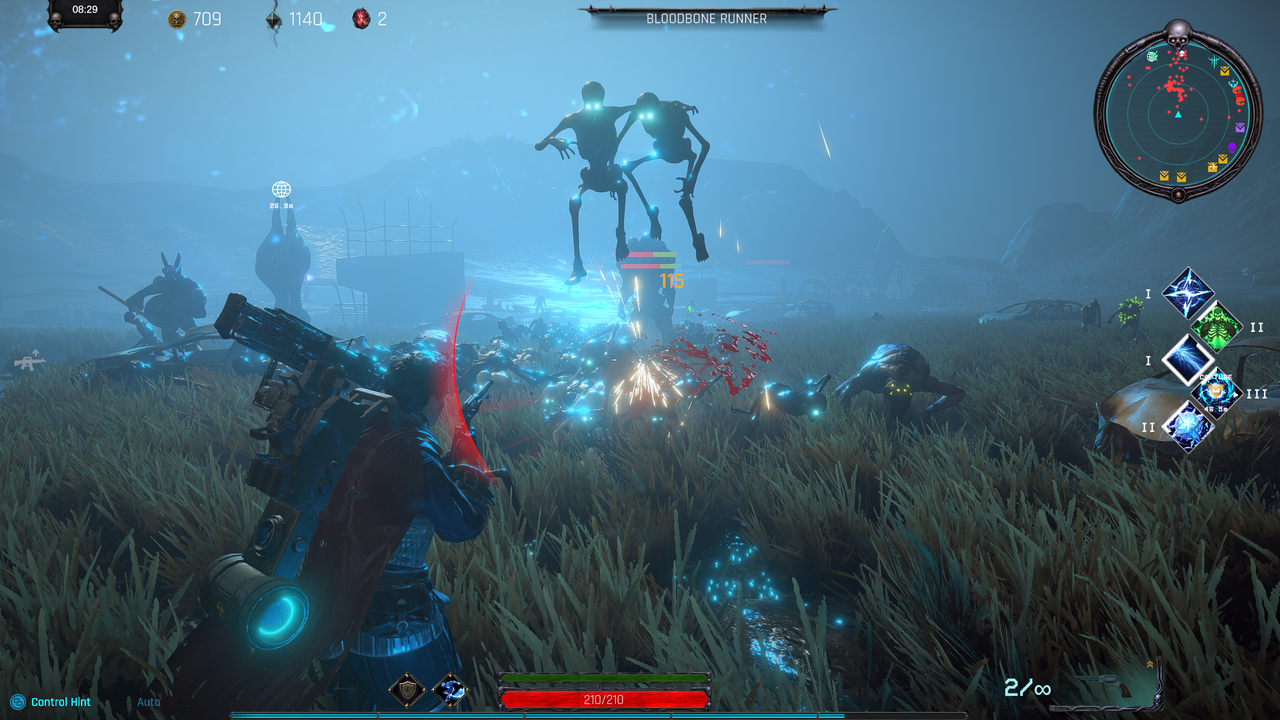
The targeting also doesn’t measure up to other games in the genre. It doesn’t intelligently aim for the closest enemy and requires you to manually face the general direction of threats before it engages. Even then, sometimes I’d be aimed directly at an enemy and nothing would fire, like the game didn’t register them. This felt like a bug and didn’t happen constantly, but it happened more often than I’d like. A true full auto-targeting mode alongside the current hybrid and manual options would be a great addition that fleshes out the experience.
Gameplay (Builds & Deity Powers) — Six Paths
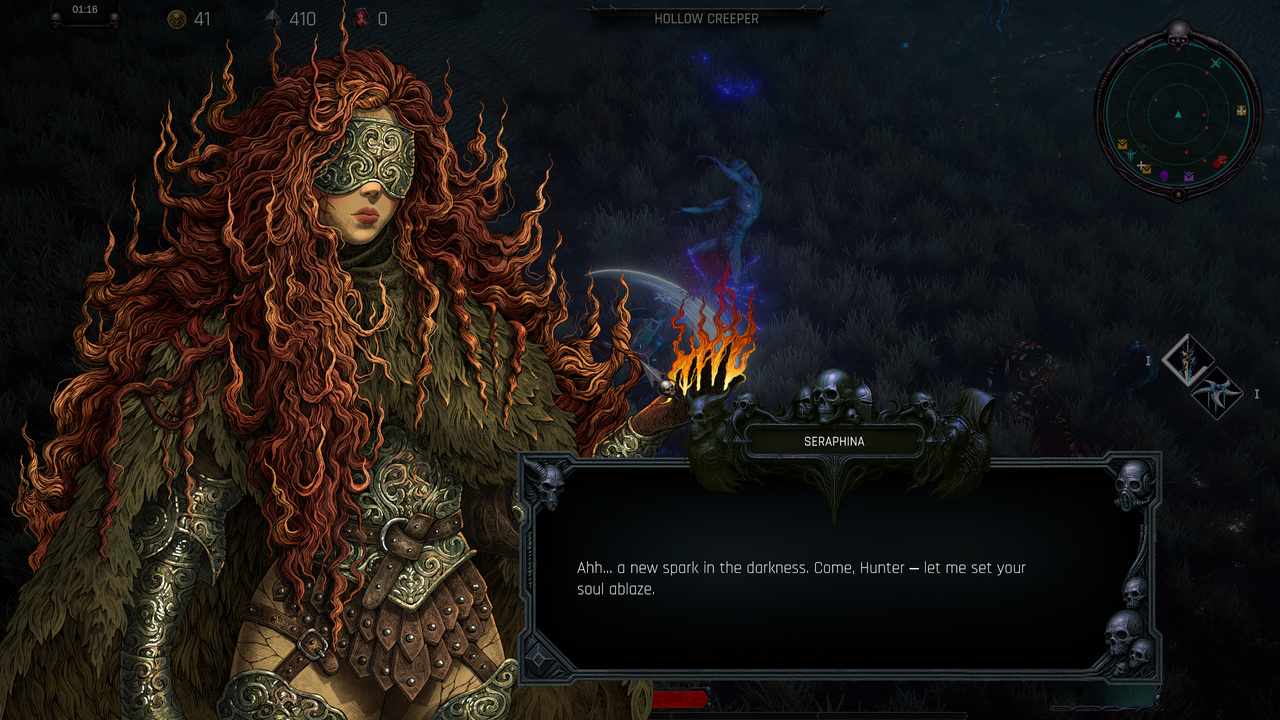
- Vampire Survivors-style level up system with 3 random power-up options to choose from
- Six Deities each offer themed power-ups similar to Hades
- Power-ups stack and upgrade with repeat picks for stronger effects
- All Deity powers are auto-attacks that combine into chaotic synergies
Progression in a run follows the Vampire Survivors formula. Kill enemies, collect the blue energy orbs they drop, fill the XP bar, and pick one of three random power-ups at every level. In Dark Light: Survivor‘s case, the Six Deities serve as your power-up suppliers in a setup that seemingly takes inspiration from Hades.
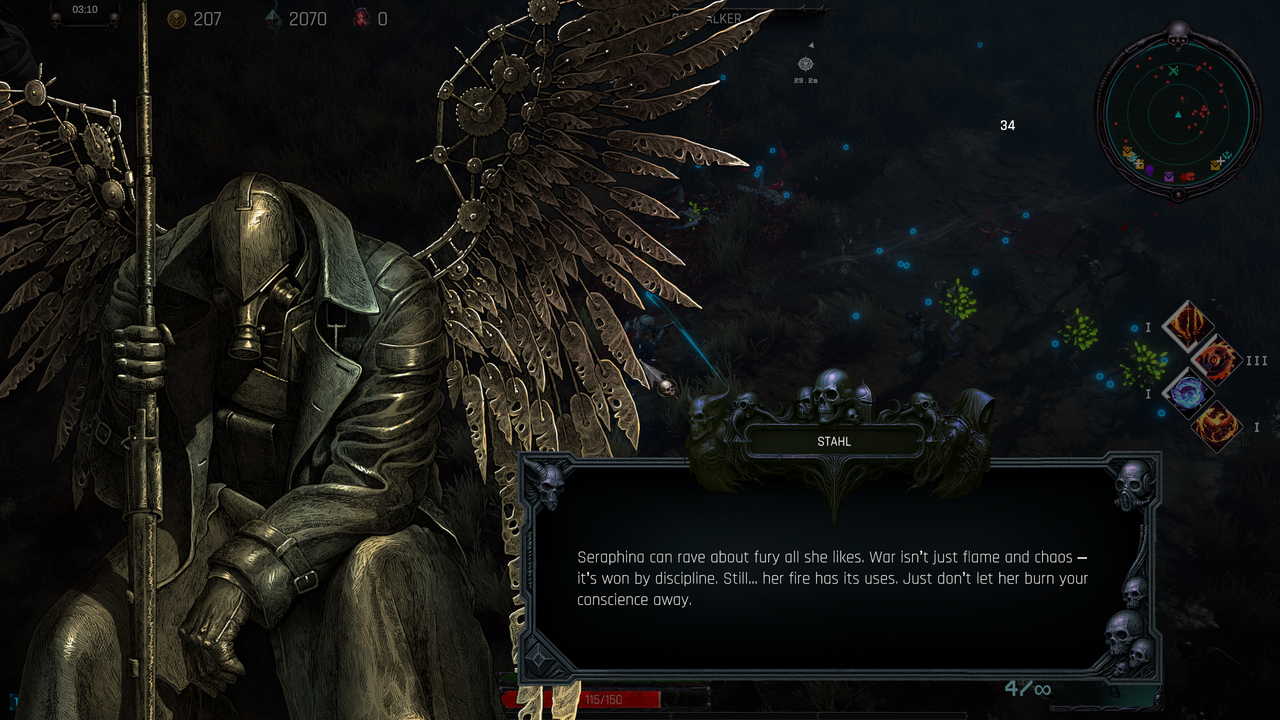
For example, Stahl is the War Deity, offering core upgrades to movement speed, damage across melee, range, and elemental, plus projectile speed, XP pull range and more. Seraphina is the Fire Deity who can provide abilities that apply fire damage to weapons or launch giant fireballs that burn through enemy swarms. Odette & Odile are cybernetic Deities providing machine weapon attacks like auto-turrets and aerial bomb strikes. Zarek is the Lightning Deity offering sky-striking celestial bolts and slow-moving orbs that zap nearby foes.
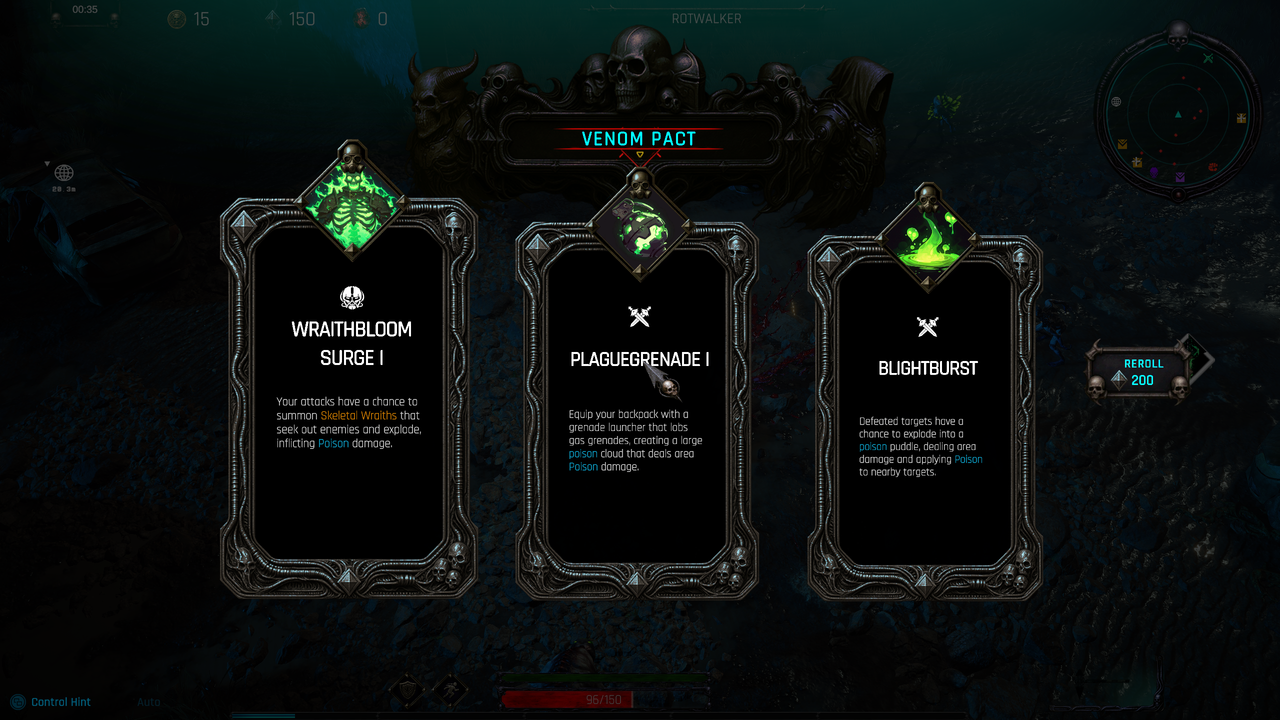
Isolde is the Ice Deity who grants freezing buffs to weapons, AoE ice blasts, and an ice laser that freezes enemies it hits. Morana, the Poison Deity, offers poison elemental buffs and powers that make slain enemies burst into toxic sludge or fire poison bullets in eight directions around you.
My go-to picks have been Blade Dancer, which orbits the player with damaging blades, and Wraithbloom Surge, which summons skeletal wraiths that hunt enemies and explode in poison clouds. All Deity powers are auto-attacks and they stack, turning you into a chaotic one-person army.
Gameplay (Loot & Difficulty) — A Worthy Challenge
- Power-ups can be upgraded by selecting them again at level up
- Chests and Totems on the minimap drop weapons, armor, and effects
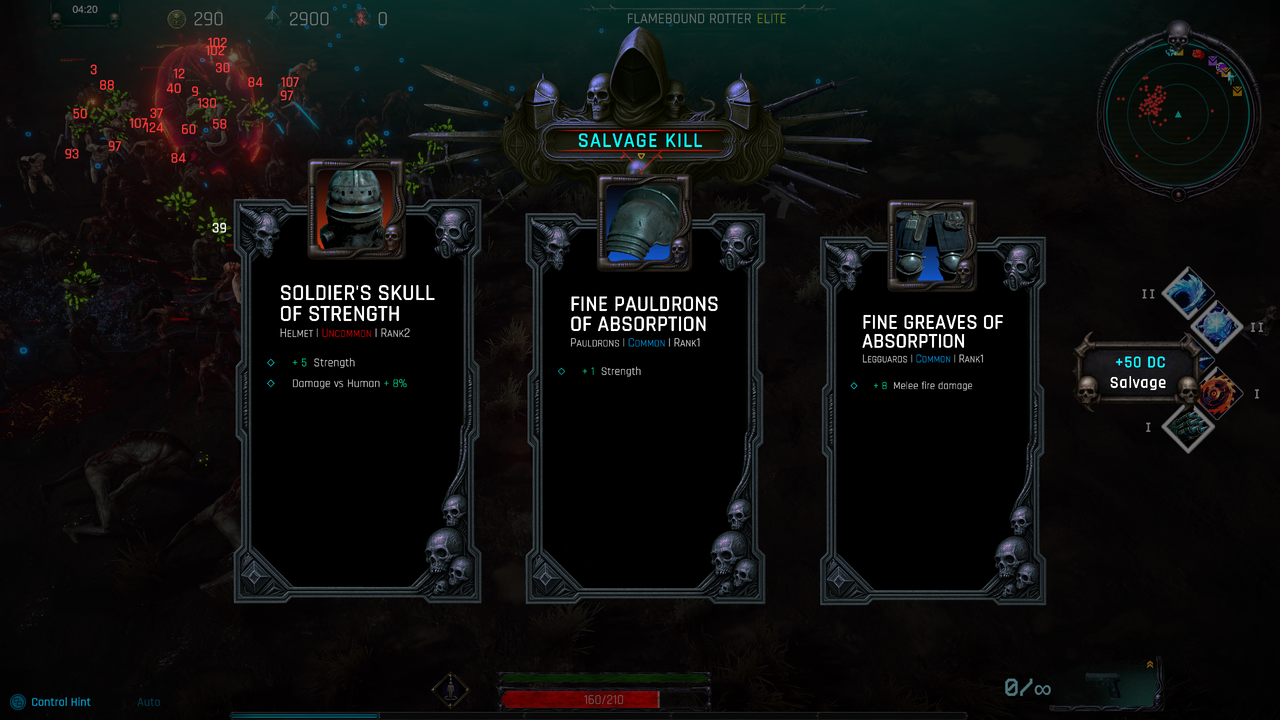
- Rarity tiers run Blue (common), Red (uncommon), Yellow (legendary)
- Some powerful power-ups carry surprisingly long cooldowns up to 100 seconds
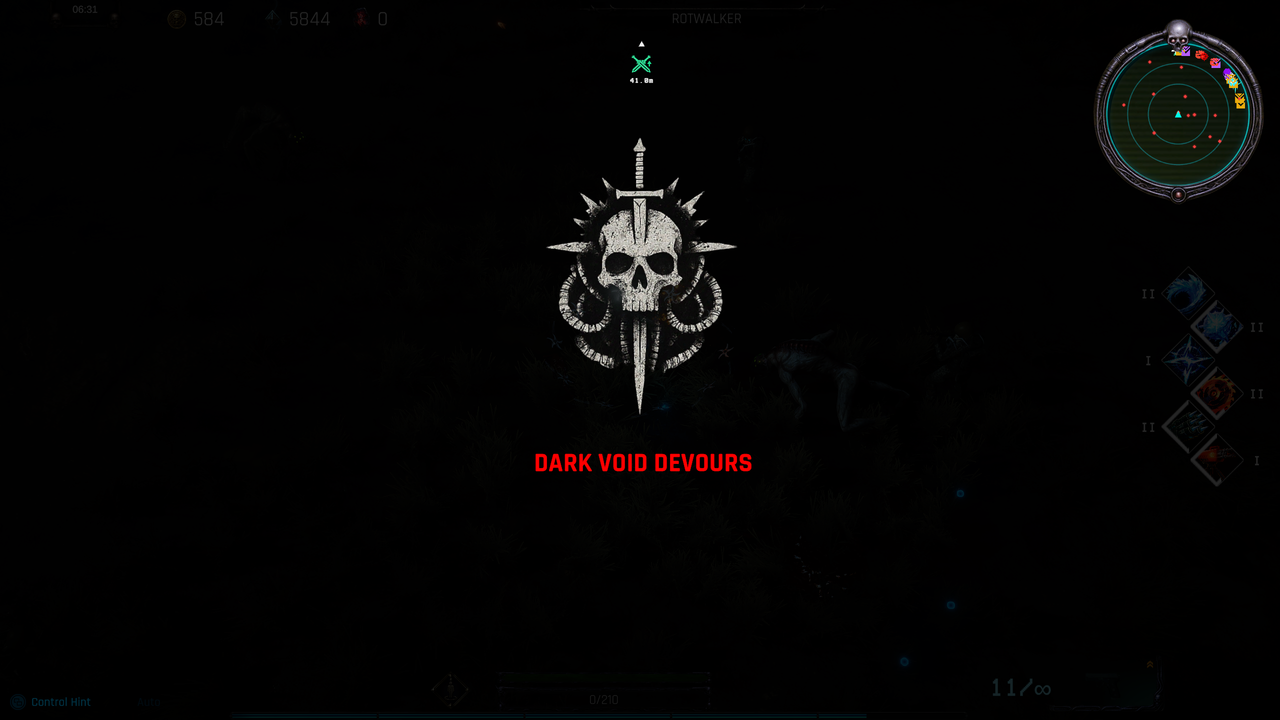
A lot of power-ups can be upgraded by picking the same option again at a level up, making them more powerful and often reducing cooldowns. It’s a satisfying loop that rewards committing to a build rather than spreading thin.
Chests and Totems scattered across each map (and clearly marked on your minimap) offer new weapons, armor with status effects, rarity upgrades, health pickups, and full in-run shops. A separate in-run currency dropped by enemies funds these purchases. Rarities run Blue for common, Red for uncommon, and Yellow for legendary, giving you a clean visual language for what’s worth chasing.
Difficulty leans on the more challenging side, but not in a cheap way. Dodging and sprinting out of danger is core to survival. You can feel when a build is firing on all cylinders and you’re flattening hordes left and right. But RNG can also hand you a build that just doesn’t deliver. I do think some of the cooldowns on some of the more powerful power-ups need tweaking. They can go upwards of 100 secs, which feels unnecessarily long .
Gameplay (Enemies & Bosses) — Distinctively Deadly
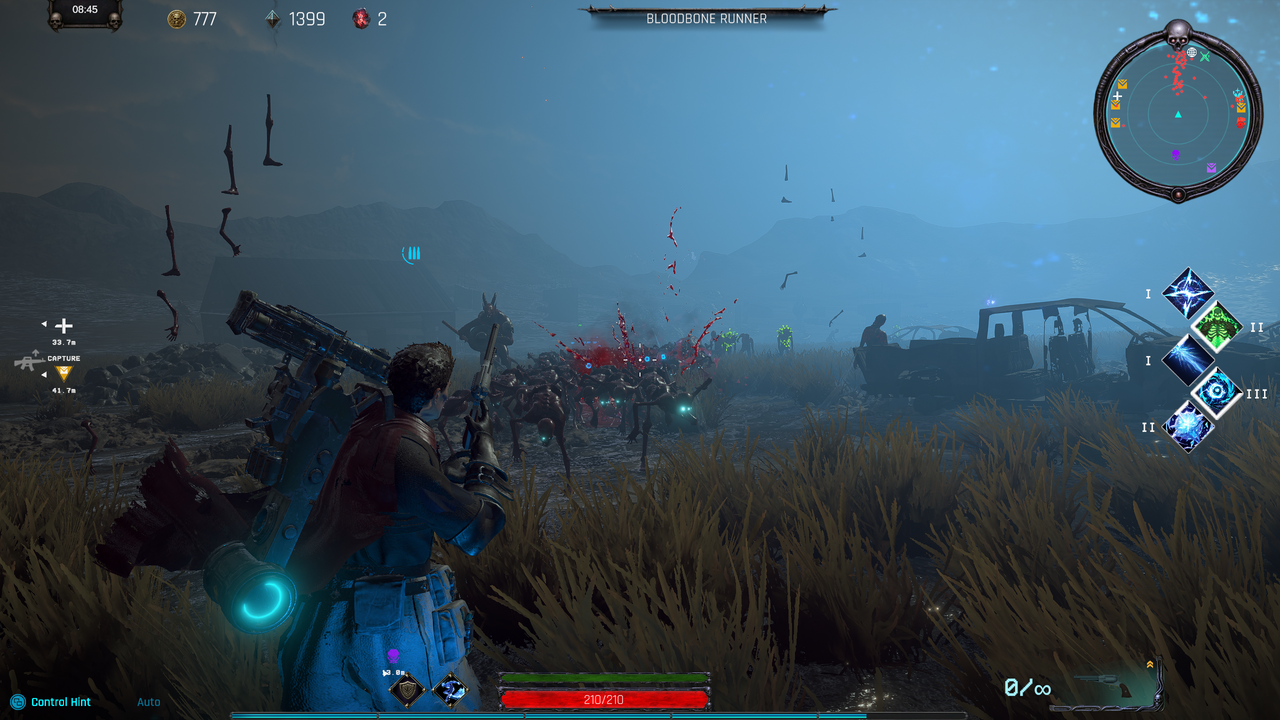
- Distinct enemy behaviors across undead, demons, soldiers, etc
- Difficulty ramps with time survived, introducing tougher enemy types
- Bosses and Elites telegraph attacks with red highlights, MMO-style
- Some Elites carry resistances (the Iron Mauler shrugs off bullet damage)
Enemies in Dark Light: Survivor may be some of the most reactive and engaging in the Bullet Heaven space. Instead of the slow, creeping hordes the genre is known for, every enemy type here feels distinct in behavior. Rotwalkers and Hollow Creepers serve as the standard mobs for the first stage, Oblivion Array. Rotwalkers are slow zombies while Hollow Creepers crawl on all fours but move faster and hit harder.
Where it gets really interesting is as difficulty scales with time survived and the game piles on new enemy types one after another. Carrion Bombers self-destruct with their bloated, glowing heads when they get close. Infested Gunners are possessed soldiers who hang back and tactically shoot you from range. Crimson Impalers are demons who hurl devastating spears and raise shields to block incoming bullets. Each one demands a different response, and a stage feels like a constantly evolving puzzle of threats.
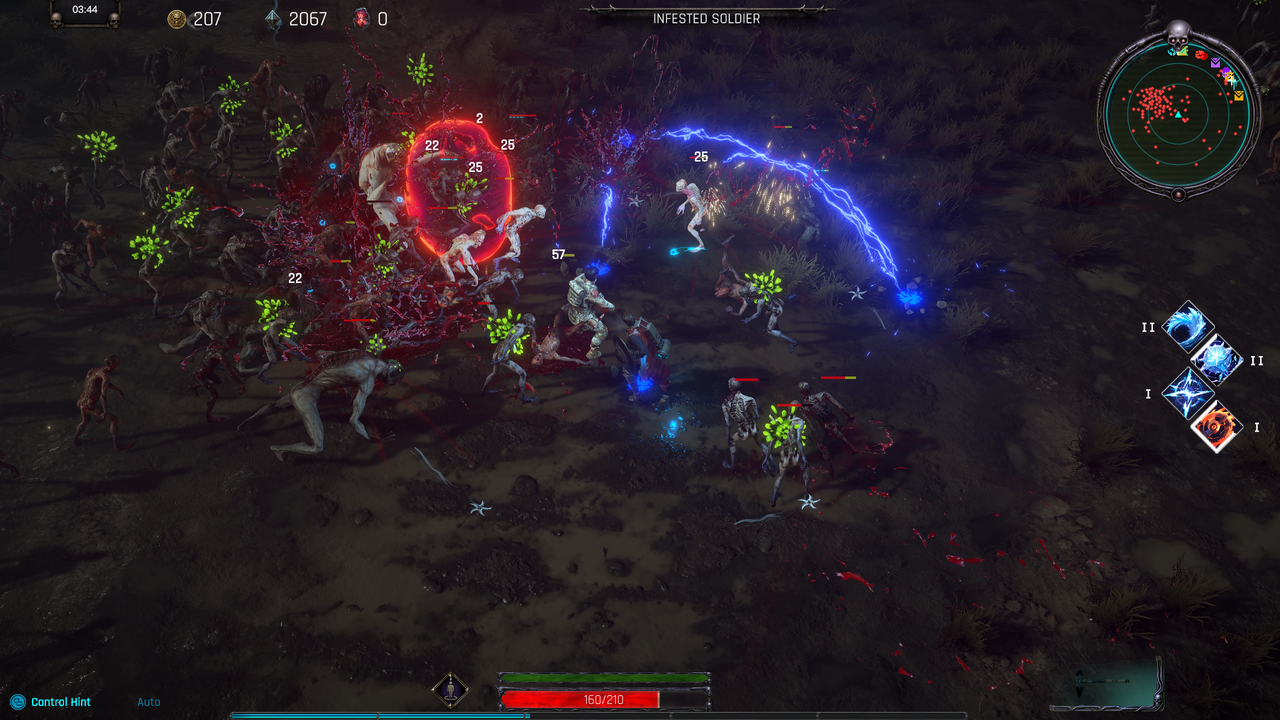
Bosses and Elites are the biggest hurdles in a run. They soak up a ton of damage and unleash attacks that will absolutely end you if you’re not careful. Attacks telegraph with red highlights like an MMO, and some Elites carry resistances, like the Iron Mauler that shrugs off bullet damage. When multiple Elites converge on you simultaneously, it becomes a scramble to read attacks, dodge cleanly, and whittle them down piece by piece. It helps that they drop rewards when they die so it makes taking them on worth the challenge. The Elites are each well designed and a worthy gate to clear.
Progression — Too Much Stick, Not Enough Carrot
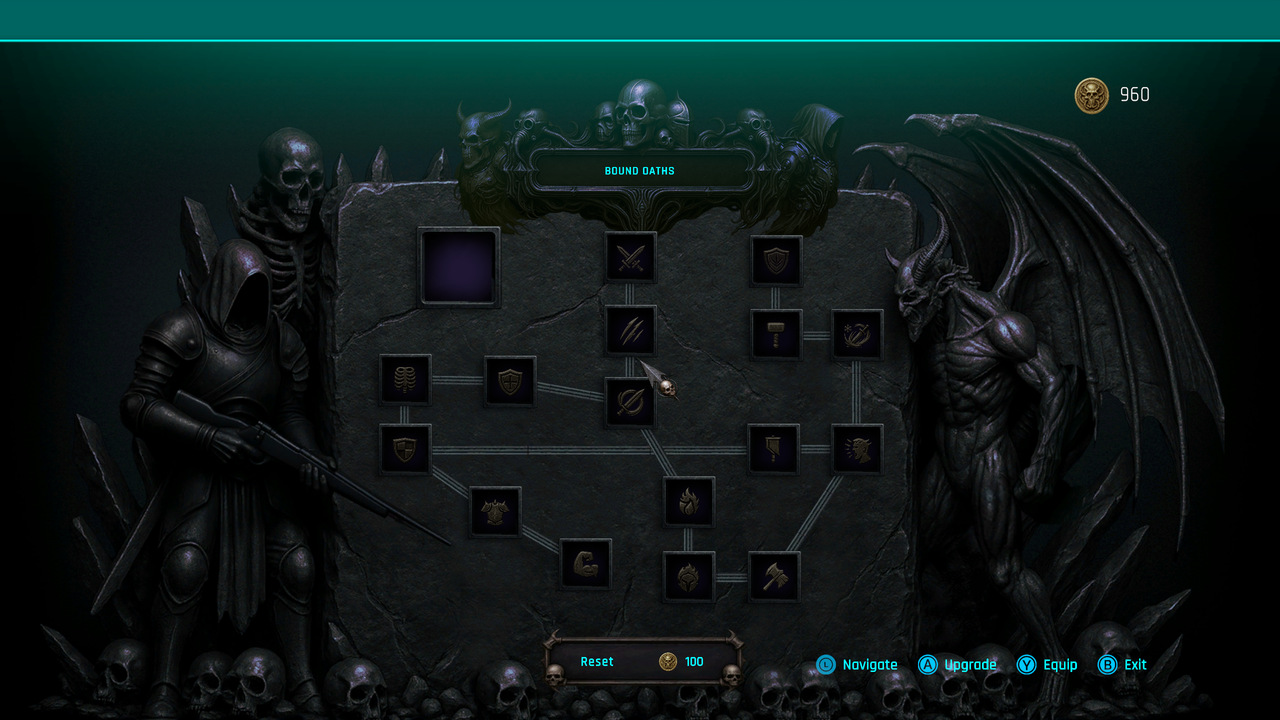
- Voidmarks and Voidstones are the meta currencies
- Cybernetic NPCs at the Nexus Hold sell upgrades, weapons, and unlocks
- Voidstones gate new stages (5 each) and characters (10 each)
- Some unlocks require task completion like 1,000 ranged kills
Meta progression is where Dark Light: Survivor struggles most. In Bullet Heavens like Vampire Survivors and Megabonk, or even roguelikes like Hades, you feel a steady drip of progress from minute one. Something new is always trickling in to keep the “one more run” loop alive. Dark Light: Survivor‘s meta feels slow by comparison, especially early on where you’re dying quicker and earning less currency.
Between runs you head to the Nexus Hold to permanently upgrade base stats, customize your loadout, and unlock new weapons, abilities, characters, and stages. The cybernetic NPCs handle these transactions for Voidmarks and Voidstones. Stat upgrades from the Keeper of Bound Oaths balance out fine after a few runs. The Keeper of Seals’ weapons and skills, however, get pricey and tack on task requirements like 1,000 ranged kills. I could understand this requirement for legendary gear, but it feels steep for common and uncommon items.
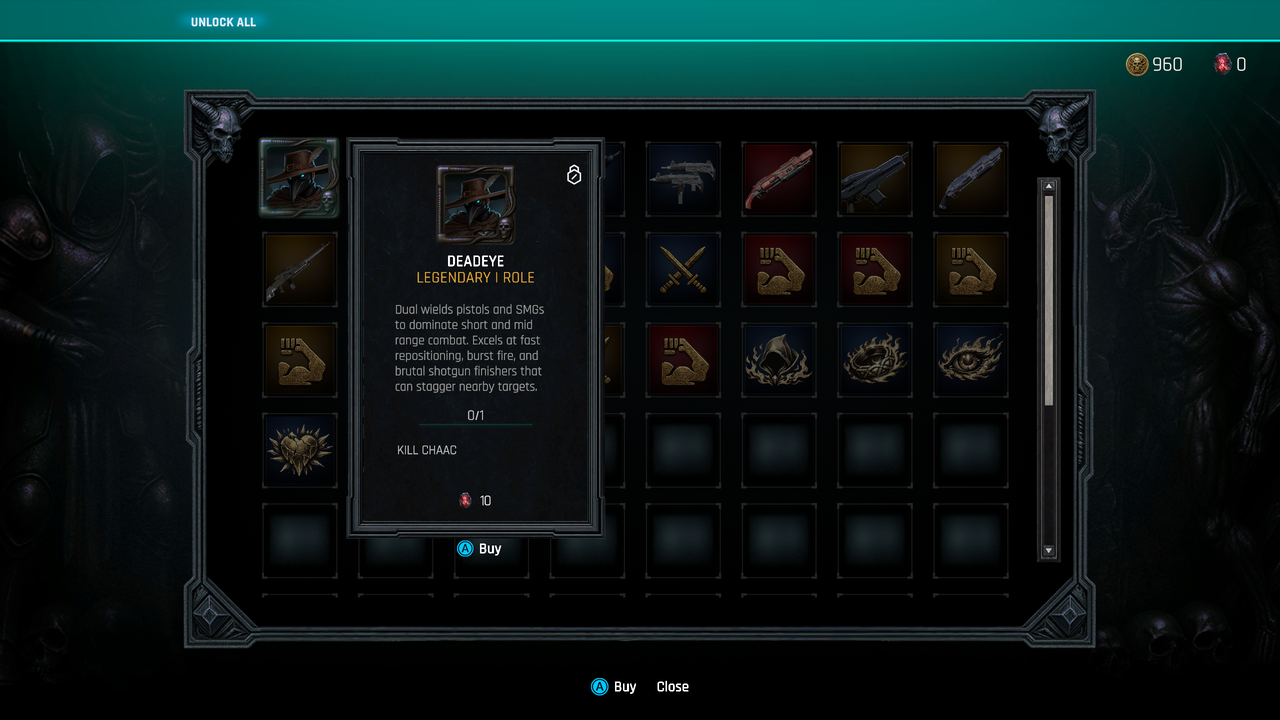
Voidstones are the biggest bottleneck at the beginning. Gating stages and characters at 5 and 10 stones respectively doesn’t seem high, but the rate that you obtain the stones is so low until you’re powerful enough to make it to the realm boss. In my first 5-6 hours, I would find one Voidstone every 2-3 runs. Defeating the Realm Boss will net you at least enough to unlock the next stage, but I felt it was a little too long of a grind to get to that point. With only three characters and three stages in early access, I understand the design instinct to make sure players don’t blaze through the content too fast, but the carrot feels too small and the stick too heavy.
It’s not a deal breaker. The gameplay is engaging enough that running the same stage back to back still feels good. But tightening this loop would make the full experience that much better.
Conclusion — An Ambitious Bullet Heaven Teeming with Potential
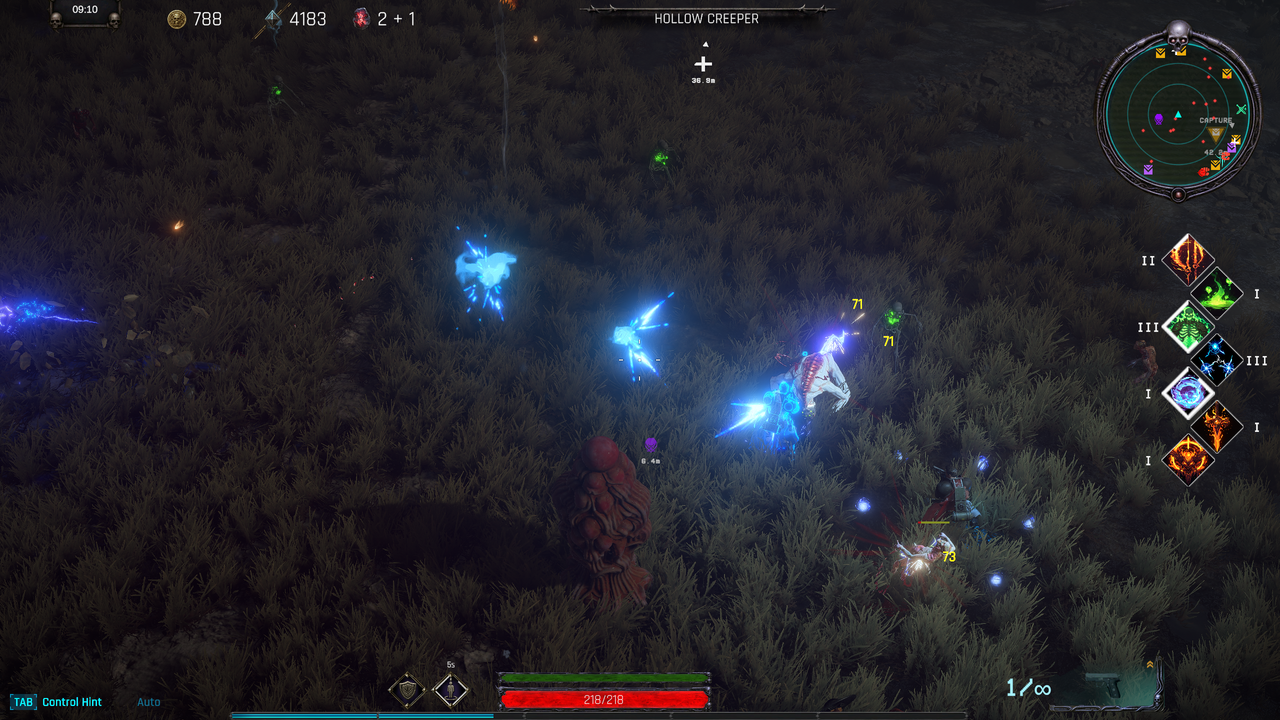
Dark Light: Survivor‘s early access debut is the most mechanically ambitious Bullet Heaven I’ve played. The instantly swappable camera system, twin-stick and third-person combat layered onto the genre’s classic auto-attack, the Hades-style Deity power-ups, and the reactive enemy design all combine into a chaotic, deeply engaging package. Mirari&Co. clearly understand what makes the genre tick and have the courage to push it in new directions. The forgettable soundtrack, finicky auto-attack, and stingy meta progression keep it from sitting at the top of the genre right now, but every issue feels fixable through early access updates rather than baked into the foundation. Mirari&Co. has a true champion in the making with Dark Light: Survivor and I hope and expect that it will be heralded as the pinnacle of the genre by the time it reaches 1.0.
Dark Light: Survivor (Early Access) Review-In-Progress
Dark Light Survivor’s early access debut is already the most mechanically rich Bullet Heaven to date. With a bit more polish, this diamond in the rough has the potential to shine brighter than any in the genre.
Pros
Innovative and seamless isometric and third-person camera perspectives with distinct gameplay feel
Twin-stick and over-the-shoulder combat atop classic auto-attack feel great
Gritty AA-style visuals with grotesque enemies and vibrant attack effects
Fun and distinct power-ups that create satisfying builds
Reactive, distinct enemy types and well-designed Elite encounters
Optional pixel mode gives a genuinely cool retro style
Cons
Soundtrack is light, too subdued and lacking any catchiness
Auto-attack is off by default, lacks indicators, and targeting sometimes feels unreliable
Meta progression feels slower and unrewarding at times
World building can overwhelm without an in-game codex/journal
Animations could use some polish, mostly in third-person view
A review code was provided by the developer for the purposes of this review. This game is in early access and the score and my thoughts are subject to change as the game continues development. The final beta build, different from the early access release, was reviewed at the timing of this article.
