
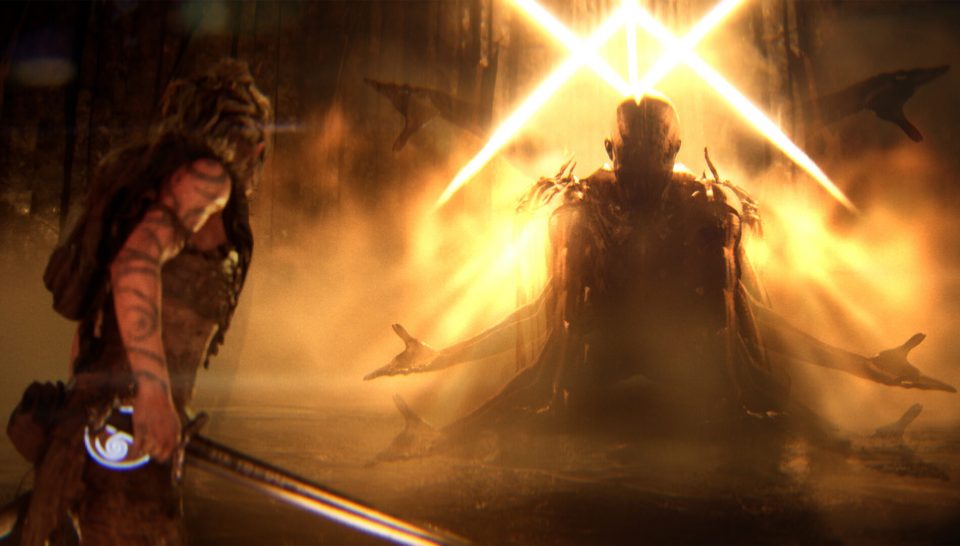
This morning, Xbox CEO Asha Sharma confirmed via X what two weeks of frantic leaks had been building toward. Roughly 3,200 role eliminations are coming across the gaming division throughout FY27, with about 1,600 landing immediately, and four studios are leaving Xbox for new management. Sharma called it the most significant restructure in the brand’s history, and the numbers back her up. Layoffs are never good news, and nothing here softens that for the people losing their jobs. But measured against the apocalypse the rumor mill spent two weeks predicting, Xbox may have salvaged the best possible version of a terrible situation.
What Was Reported Beforehand?
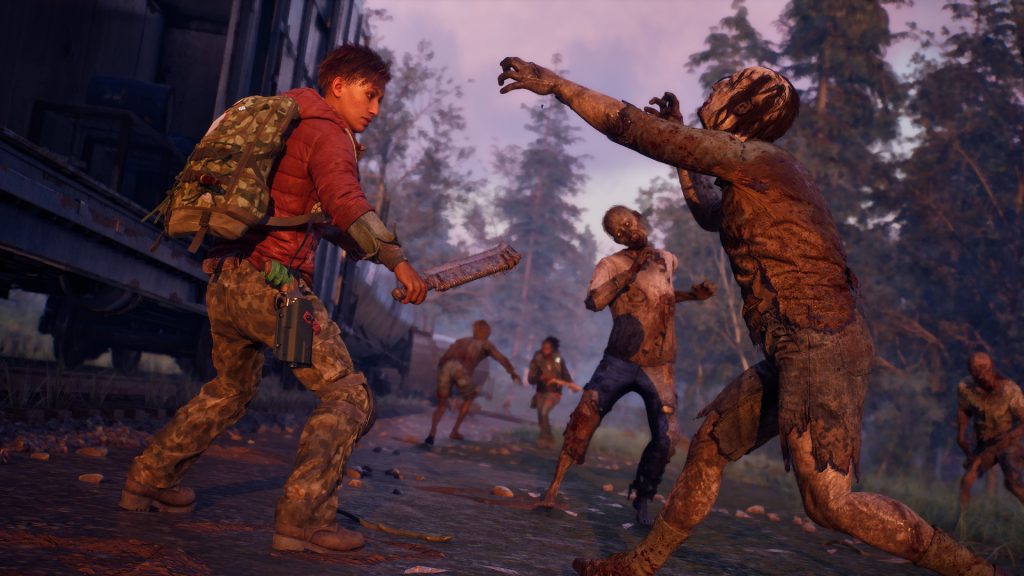
- Bloomberg and The Verge reported Microsoft weighing closures or sales of multiple Xbox studios
- Rumored targets included Compulsion, Double Fine, Ninja Theory, Undead Labs, and Arkane Lyon
- The Verge’s Tom Warren reported a possible Marvel’s Blade cancellation and Arkane shutdown
- Insiders floated up to 5,000 Xbox cuts, framed as gaming’s largest-ever layoff
Since mid-June, the reporting turned grim fast. Bloomberg and The Verge indicated Microsoft was preparing to shut down or sell multiple first-party studios, with names piling up day by day: Compulsion Games, Double Fine, Ninja Theory, and later Undead Labs. Ninja Theory staff were reportedly told on June 15 that the studio was closing, barely a week after the team took the Xbox Games Showcase stage to reveal Senua. Then came the worst of it: The Verge’s Tom Warren reported Microsoft was weighing the closure of Arkane Lyon and the outright cancellation of Marvel’s Blade.
The headcount rumors were uglier still. Business Insider put the Microsoft-wide cuts at up to 5,000, and some online estimates ballooned well past that. Some warned it could be the largest single layoff event in gaming history and compared the fallout to the meteor that wiped out the dinosaurs.
What is the Actual State of Xbox?
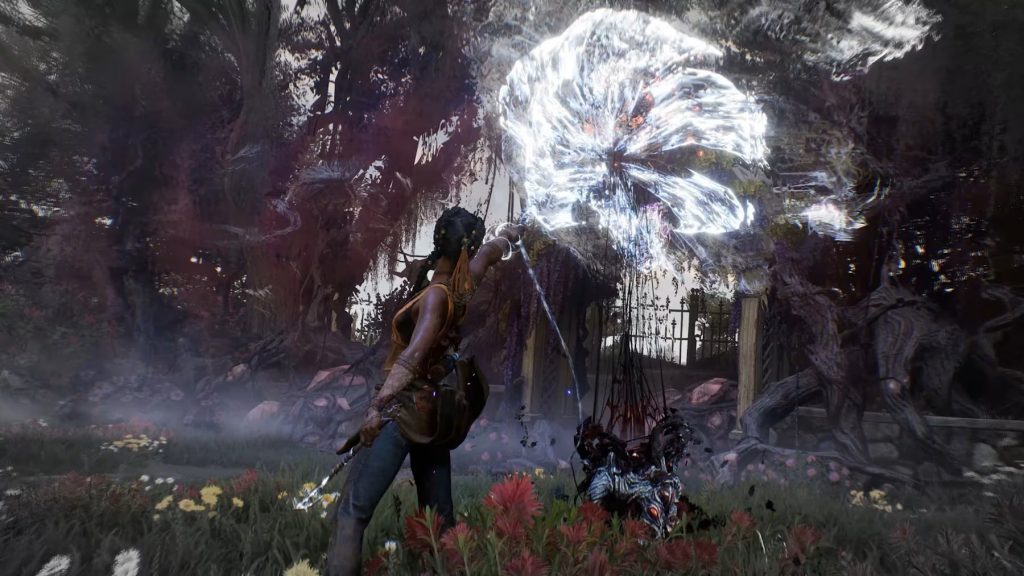
Source: Xbox Game Studios/Compulsion Games, Nintendo E-Shop
- Xbox confirmed roughly 3,200 FY27 role eliminations, about 1,600 immediate
- All four departing studios spun off or sold rather than shut down; no game cancelations
- Compulsion Games and Double Fine return to independence with full IP ownership
- Ninja Theory and Undead Labs gain new owners funding Hellblade and State of Decay 3
The confirmed outcome is painful, but it is not the extinction event insiders and journalists made you to fear. All four departing studios are walking away intact rather than shuttered. Compulsion Games and Double Fine are returning to independence with full ownership of their IP catalogs, which means We Happy Few, South of Midnight, and Psychonauts leave alongside the teams that built them. Ninja Theory and Undead Labs have secured new ownership with the funding to finish and ship Senua and State of Decay 3.
Just as important, Sharma stated plainly that none of Xbox’s publicly announced first-party games are being canceled as part of these reductions. The studios that had been seemingly on the verge of extinction are still standing for now.
The One Real Question Mark
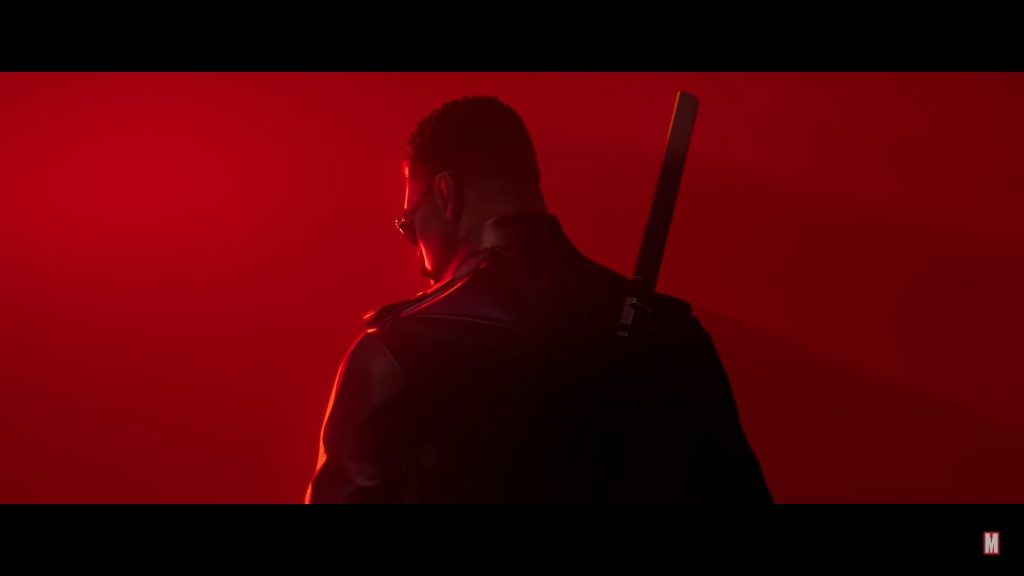
- Arkane Lyon was excluded from the four confirmed exits, now in Works Council consultation
- Microsoft reportedly in talks with the French government to avoid a closure
- Marvel’s Blade internally delayed to late 2027 and running over budget
- Blade not canceled, with Todd Howard praising a recent build in May
The exception is Arkane Lyon. The Dishonored and Deathloop studio wasn’t among the four with a clear landing spot. Instead, Asha Sharma noted that Arkane’s management is beginning consultation with its Works Council to review strategic options, which is required due to French regulations. That leaves closure on the table, but it seems that that would be a last resort. Reports indicate Microsoft is in talks with the French government to find a path that keeps the studio open, and Bloomberg’s Jason Schreier suggested France’s stricter labor laws are the very reason Arkane wasn’t bundled into the other four exits.
Marvel’s Blade sits in the same limbo. Per The Verge, the game was internally delayed from a 2026 target to late 2027 and has run over budget, which is what dragged it into the crosshairs. It has not been canceled, and Bethesda’s Todd Howard reportedly praised a recent build in May. But its fate is tied to whatever happens to Arkane, and that remains unresolved.
Sharma’s Strategy for the Future

- Sharma calls Xbox “not healthy,” citing 64 cents lost per dollar invested
- Content spend refocuses on flagship franchises like The Elder Scrolls and Minecraft
- Management layers cut from as many as 14 down to three-to-five
- New COO Helen Chiang gains full P&L accountability; Mojang and King report to Sharma
Asha Sharma didn’t sugarcoat anything. Xbox is not healthy: in a typical year the division lost 64 cents on every dollar it invested. Excluding the Activision Blizzard King deal, Xbox spent more than $20 billion on content, platform, and hardware over five years as annual revenue slipped by nearly half a billion. Gaming revenue fell 7% last quarter and hardware sales dropped a third. Bets on Game Pass, multiplatform, and an ever-expanding portfolio created value but never grew fast enough, and a worsening hardware-component crisis tightened the squeeze.
The fix starts with focus: a tighter slate of flagship franchises with Bethesda’s The Elder Scrolls flagged as a priority growth area alongside Minecraft. Content spending stays roughly flat year over year but gets redirected toward the biggest bets rather than spread thin.
She’s also flattening the org. Some decisions pass through as many as 14 layers of management; Sharma plans to cut that to three-to-five and trim platform teams that had ballooned 40% even as player engagement declined. Xbox is also creating its first Chief Operating Officer with end-to-end profit-and-loss responsibility across content, hardware, platform, and services. Helen Chiang, who previously led Minecraft, takes the role, and Mojang and King (Xbox’s largest studios by active players) now report directly to Sharma.
She framed it all as a reset meant to return Xbox to growth in 2027, warning that companies mistaking longevity for inevitability tend not to survive.
Final Thoughts
Let’s be clear: this is the biggest layoff in Xbox history, and a rough day for thousands of talented developers. No spin changes that.
But compare the result to the alternative that was very much on the table. Had Microsoft simply closed Compulsion, Double Fine, Ninja Theory, and Undead Labs outright, ending their legacies and killing their games over mismanagement several levels above them, the backlash would have been catastrophic and earned. Instead, those studios keep their people, their IP, and their projects intact. That’s a materially better outcome than the one we all braced for.
It’s also worth remembering how we got here. In the weeks before the announcement, the loudest headlines described what Microsoft was weighing, not what it had decided—and treating those unconfirmed reports as settled fact spread a far grimmer story than the one that landed. Rumors aren’t truth until they’re confirmed.
It could have been so much worse, but that doesn’t make it good. It makes it the least-bad ending to a story that looked far, far worse.
