
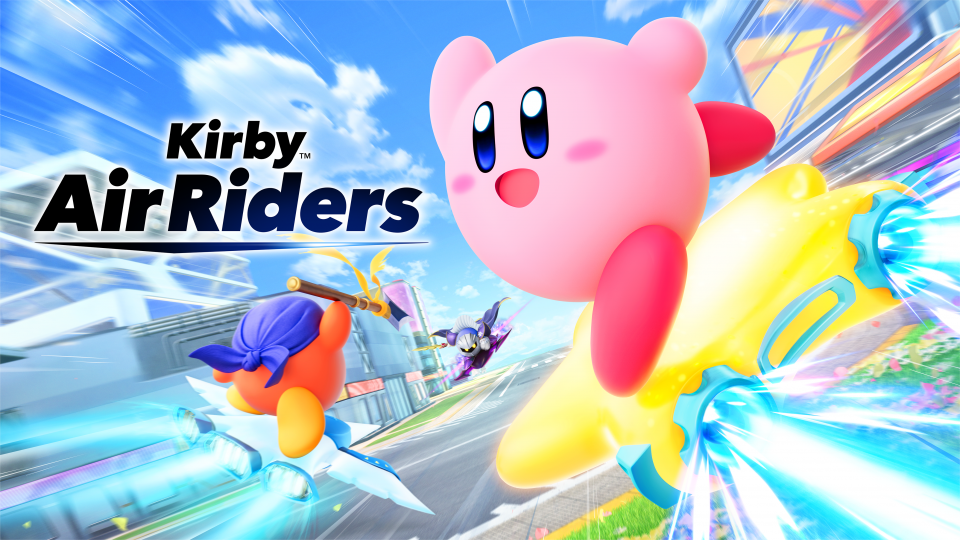
What is Kirby Air Riders?
The original Kirby Air Ride was critically panned and commercially underperformed on the GameCube, so what makes Kirby Air Riders different enough to avoid repeating history? Here’s the twist: not much, actually. Strip away the polish, and you’ll find the game is fundamentally identical to its predecessor—just refined, expanded, and brought online. And that’s precisely what makes it brilliant. The original wasn’t bad; it was misunderstood, overlooked, and unfairly dismissed by reviewers who couldn’t see past its surface-level resemblance to Mario Kart. Sometimes the world simply isn’t ready for a game’s vision. Two decades later, Kirby Air Riders arrives to vindicate what fans always knew: this weird, wonderful racing game deserved a second chance.
Masahiro Sakurai has crafted another passionate masterpiece that may not achieve the universal appeal of Super Smash Bros., yet it’s every bit as densely packed, deep, robust, and intoxicatingly fun. Sakurai remains a madman who builds games without compromise, cramming in every feature he envisions regardless of convention. Kirby Air Riders epitomizes this design philosophy. It’s a love letter to the original that refuses to sand down its edges for mass appeal. Accept this game on its own terms, and you’ll discover something genuinely special.
Developer & Publisher: HAL Laboratory / Nintendo
Platform: Nintendo Switch 2
MSRP: $69.99
Release Date: November 20, 2025
Presentation & Soundtrack — A Feast for the Eyes and Ears
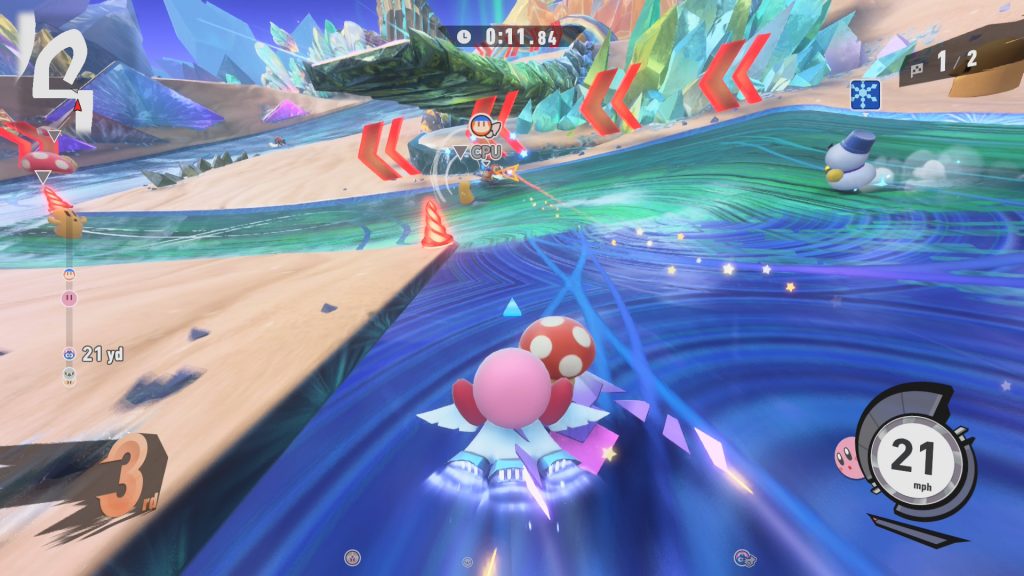
- Kirby Air Riders delivers gorgeous visuals that feel like it’s running on an upgraded Smash Ultimate engine with a nostalgic GameCube aesthetic and modern polish.
- The soundtrack is a Sora Ltd. masterpiece featuring bombastic orchestral tracks and whimsical melodies, with a catchy Smash-style main menu theme.
- Flawless performance during chaotic 16-player matches and split-screen proves the Switch 2 hardware can handle Sakurai’s ambitious vision.
Kirby Air Riders is a visual stunner that feels like Smash Ultimate‘s engine evolved and refined for a new generation. The art direction captures that nostalgic GameCube aesthetic while delivering cutting-edge polish. It’s a delicate balance that few games nail this effectively. Character models burst with personality through expressive animations, and each stage is meticulously detailed with layers of charm. Running on Switch 2 hardware, the game maintains silky-smooth performance even during the most chaotic 16-player online melees. Throughout extensive testing, I encountered zero connection issues, and two-player split-screen maintained the same pristine framerate and visual fidelity as solo play.
The soundtrack stands as yet another Sora Ltd. masterpiece. It channels Smash Bros.‘ curatorial approach, presenting a massive collection spanning decades of Kirby franchise history. These aren’t just lazy ports. Each arrangement has been lovingly reimagined, injecting contemporary energy into classic melodies while preserving their essential charm. The original score ranges from bombastic orchestral swells to beautiful, whimsical piano melodies that capture Kirby‘s trademark charm.
The vocal theme song isn’t my favorite, but the main menu theme is genuinely catchy, much like Smash menu music tends to be, with an earworm quality that’ll have you humming it hours later. Whether you’re threading needle-tight turns in Air Ride or orchestrating beautiful chaos in City Trial, the music elevates every moment. This is a soundtrack that transcends its game, demanding repeat listens long after you’ve powered down your console.
Riders, Rides & Stages — So Many Ways to Ride in Style
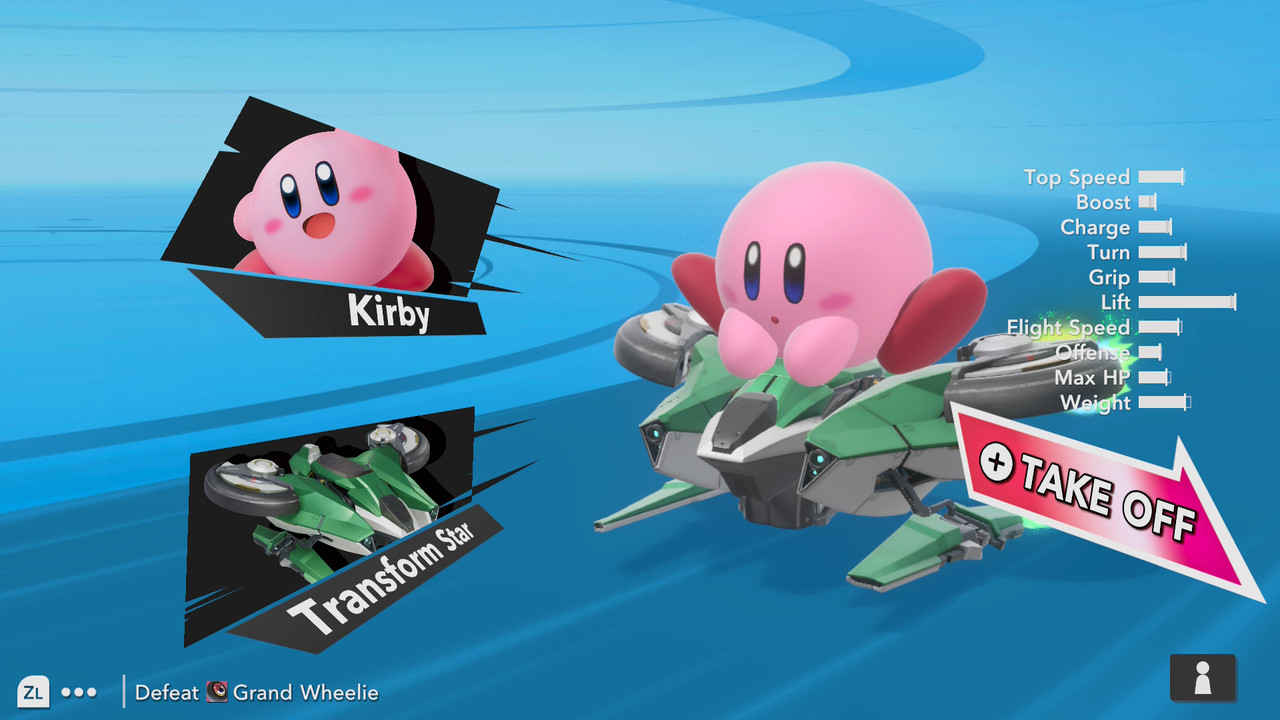
- The roster explodes from the original’s 3 characters to 21 riders, with fan favorites like Rick, Bandana Dee, Marx, and Magolor making their playable debuts.
- Every character can now inhale and use copy abilities while maintaining unique stats, abilities, and specials—a massive improvement over the original’s restrictive design.
- The challenge board system borrowed from Smash creates addictive unlock progression for rides, riders, stages, and customization options.
Veterans will recognize numerous Rides, Riders, and Stages returning from the original Kirby Air Ride, handled with the same reverent approach Smash Bros. applies to its legacy characters. This creates satisfying continuity for longtime fans while leaving ample room for innovation. The original game’s paltry roster of just 3 characters has exploded to an impressive 21 riders in Air Riders. It’s a massive expansion that fundamentally transforms the experience. Even better, Sakurai has addressed one of the original series’ most frustrating limitations: non-Kirby characters can now inhale and use copy abilities, something previously restricted to Kirby alone.
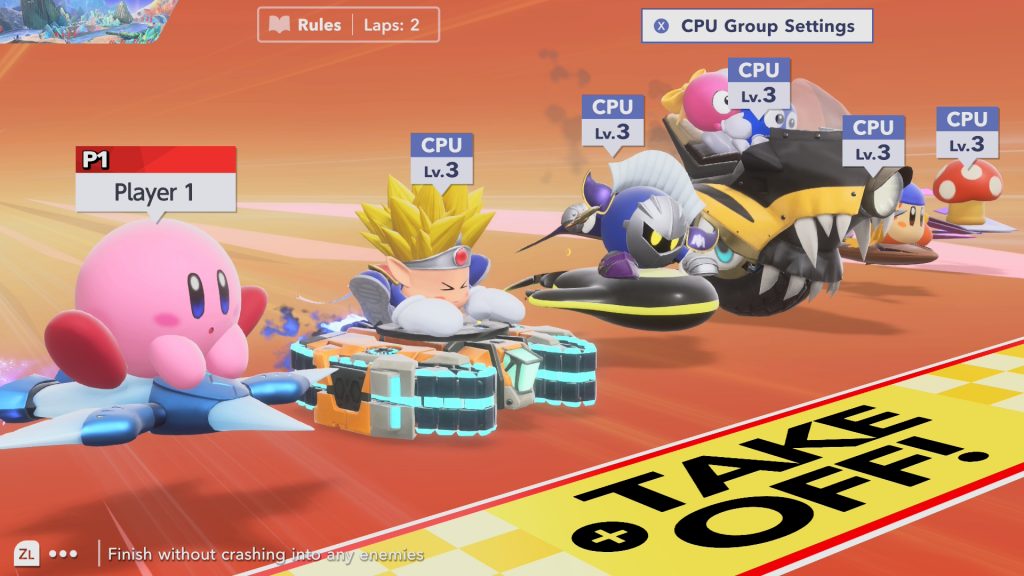
Each character maintains their own unique stats, abilities, and specials while gaining access to this core mechanic, creating fascinating strategic depth. Rick, Bandana Dee, Knuckle Joe, Marx, Gooey, and Magolor are among the fan-favorite Kirby characters making their playable debut, each bringing distinct playstyles to master. Noir Dedede makes their franchise debut here as well, immediately establishing themselves as a standout addition to the roster. The introduction of the Chariot-type ride expands strategic possibilities further, demanding mastery of entirely different handling characteristics and opening new tactical approaches.
Air Ride stages are gorgeously realized worlds, each brimming with personality and secrets waiting to be discovered. Top Ride brilliantly repurposes these same environments from a bird’s-eye perspective, transforming familiar tracks into fresh challenges. It’s an elegant design that extracts maximum value from every asset. Meanwhile, the City Trial map is a sprawling masterwork—intricate, layered, and packed with hidden shortcuts that reveal themselves only after hours of play. Even when you think you’ve seen everything, the map continues to surprise you with new optimal routes.
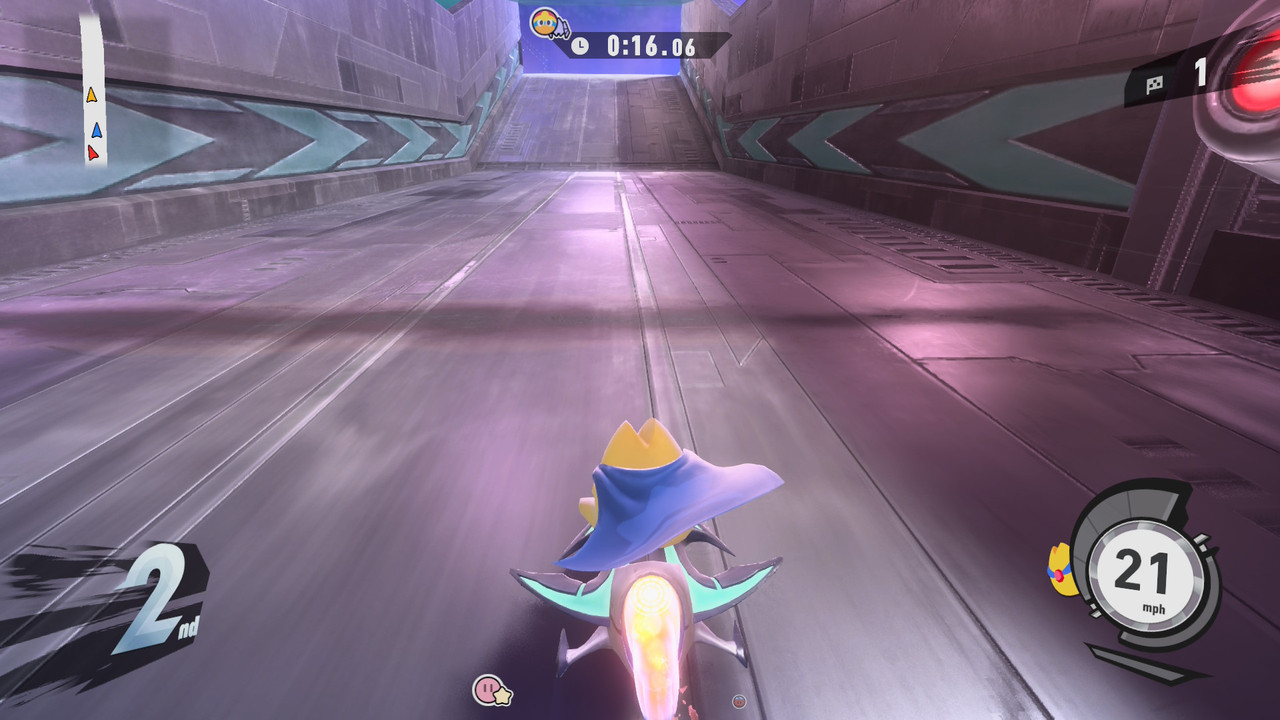
The challenge board, imported directly from Smash, proves equally addictive here. Unlockables flow at a steady, satisfying pace: new rides, riders, color variations, stages, and customization options. This progression loop is crack for completionists, constantly dangling that “just one more match” carrot that Sakurai has spent decades perfecting. Before you know it, hours have evaporated.
Gameplay (Air Ride & Top Ride) — A Slow Burn That Becomes an Inferno
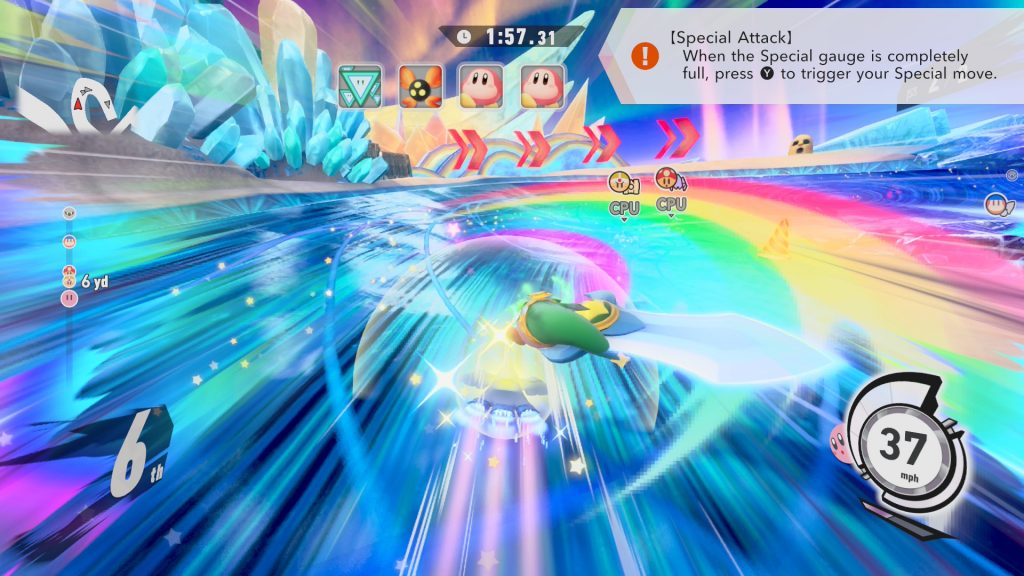
- Kirby Air Riders has a steep learning curve that makes it feel sluggish initially, but mastering its mechanics reveals skill depth closer to Super Smash Bros. than Mario Kart.
- The tutorial is mandatory for online success—this isn’t a pick-up-and-play racer like Mario Kart World or Sonic Racing CrossWorlds.
- Air Ride and Top Ride modes work better as events within larger modes than standalone attractions, though Sakurai made them fully-featured anyway.
Let’s address the elephant in the room: Kirby Air Riders lacks the immediate accessibility of Mario Kart World or Sonic Racing CrossWorlds. The learning curve is legitimately steep, and initial sessions feel sluggish, unresponsive, and frankly underwhelming if you don’t understand what you’re doing. The tutorial is important to experience if you want any chance of competing online. This barrier to entry will absolutely turn away players expecting instant gratification, and that’s a legitimate flaw worth acknowledging.
But push through that initial friction, and Kirby Air Riders transforms into something extraordinary. This isn’t Mario Kart; it’s closer to Smash Bros. in spirit: mechanically simple on the surface but harboring a skill ceiling that pierces the stratosphere. Mastering boost timing, perfecting turning techniques, memorizing which rides excel on specific tracks, and internalizing the unconventional physics system unlocks the game’s true potential. What felt plodding becomes precise. What seemed unresponsive reveals itself as nuanced. The game doesn’t change; your understanding does.
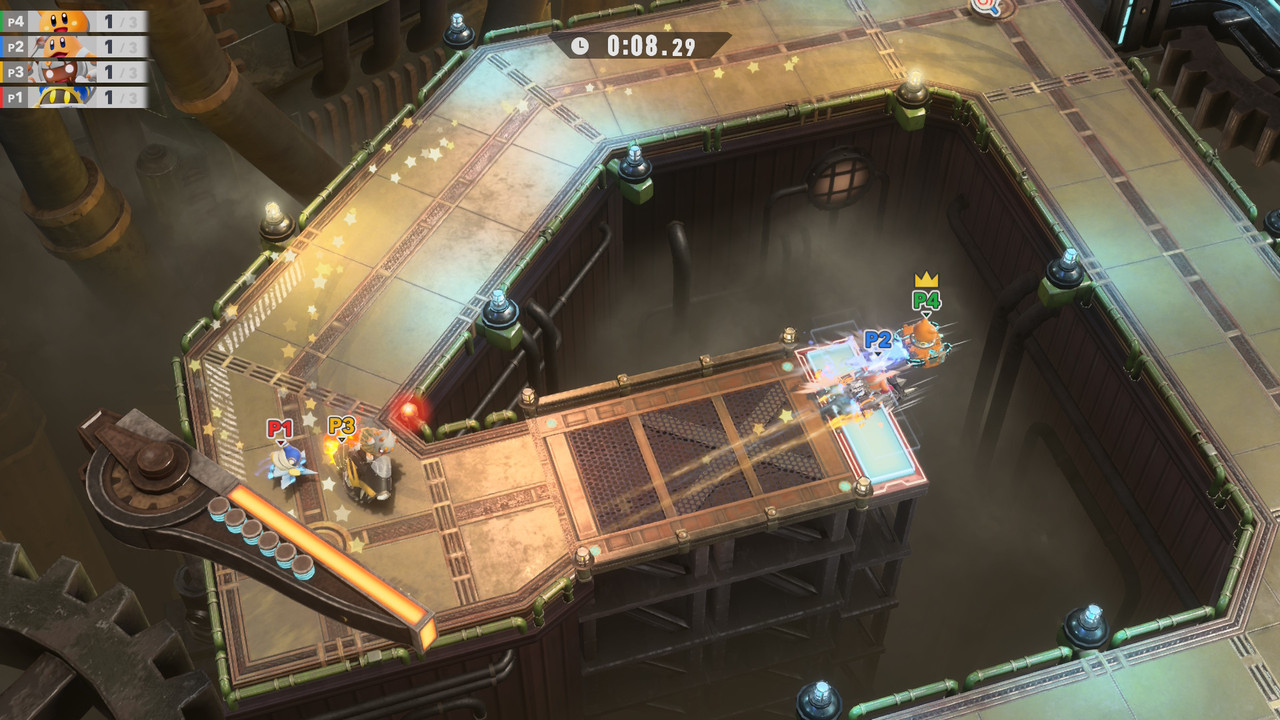
Air Ride mode is competent but unlikely to dominate many players’ playtime in isolation. However, when Air Ride events emerge within City Trial or Road Trip, they become exponentially more exciting through context and stakes. Top Ride amplifies this dynamic even further—fantastic as a brief diversion within larger modes, yet struggling to maintain momentum as a standalone attraction. Still, Sakurai being Sakurai, Top Ride arrives as a fully-featured mode with complete online functionality for the dedicated minority who crave it. That’s the Sakurai guarantee: even niche content receives royal treatment.
Gameplay (City Trial) — The Real Star of the Show
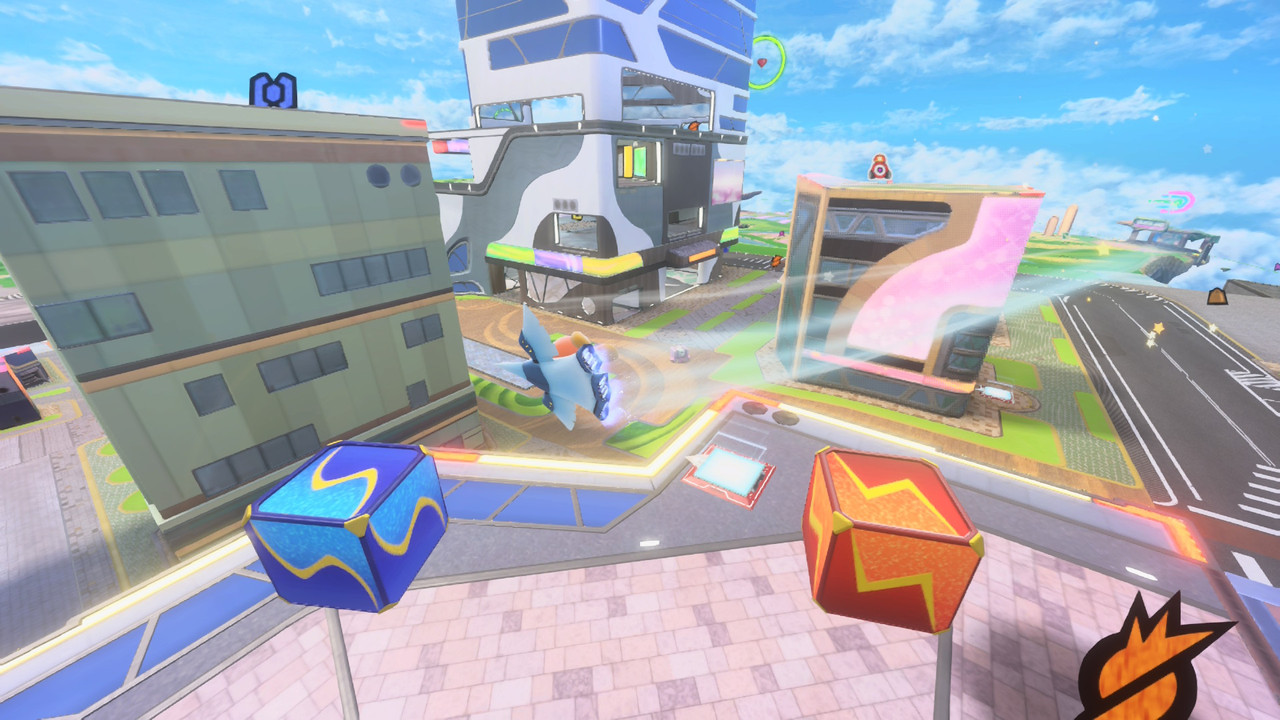
- City Trial with 16-player online is the true killer app—a chaotic stat-building sandbox where you collect boosts, steal rides, and compete in random events before choosing your final showdown.
- Random events like meteor showers, treasure chest spawns, and boss battles keep every trial fresh and unpredictable.
- The genius twist: you only compete against players who chose the same final event, meaning there can be four first-place winners per match.
Here’s a secret most people miss: Air Ride isn’t the main event. City Trial is the killer app, the mode that will devour your time and keep you coming back. City Trial was always the overlooked star of the original Kirby Air Ride, and it remains the crown jewel here. Only now, it’s been improved in every conceivable way. This mode alone justifies the game’s existence.
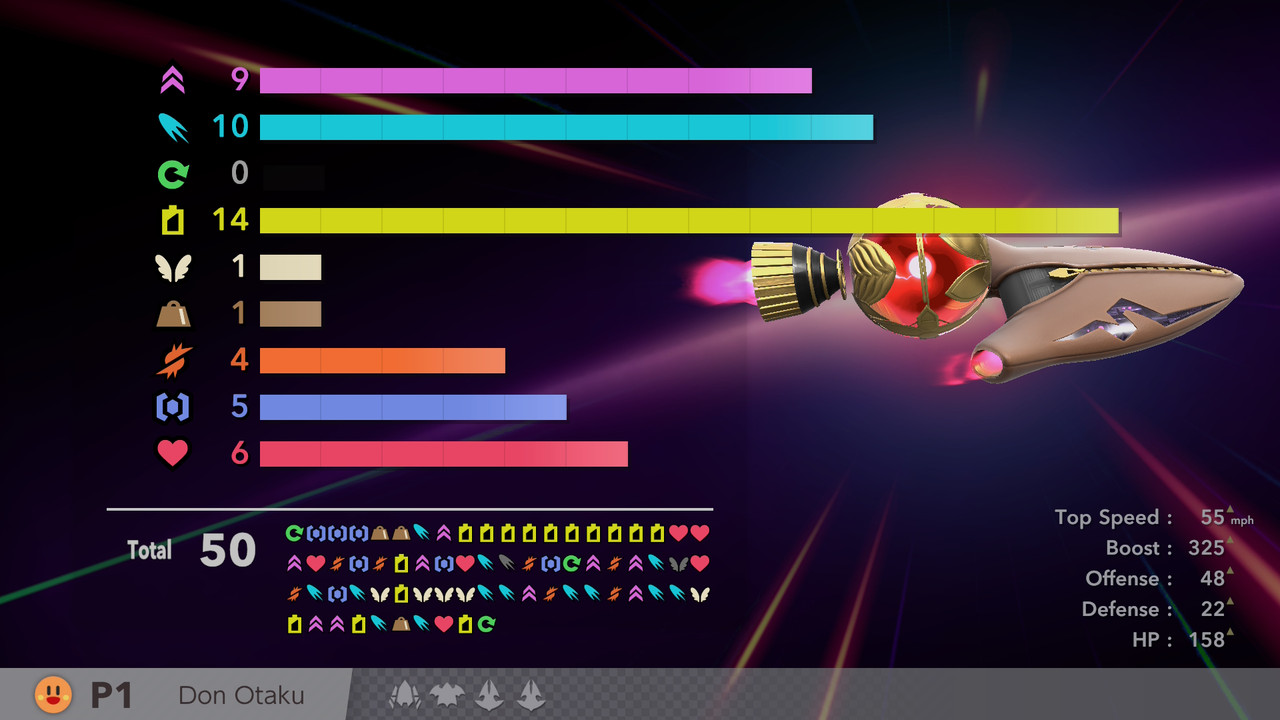
Online City Trial with 16 players is pure, glorious pandemonium. Your objective: collect as many stat boosts as possible throughout the massive map by breaking open boxes, attacking players to steal their boosts, or participating in random events. Taking damage can cause you to lose stat boosts, adding risk to aggressive play. Take too much damage, and your ride explodes, forcing you to sprint on foot (unable to collect items) until you find a replacement. Fortunately, you can switch rides freely when you spot better options, or even kick low-health players off their rides to commandeer them.
Random events inject beautiful chaos: meteors rain from the sky, treasure chests materialize in hidden locations, bosses descend and drop massive loot upon defeat. These keep every trial feeling fresh and unpredictable. Races and battles occur throughout the trial period itself, letting you test your evolving build before the finale.
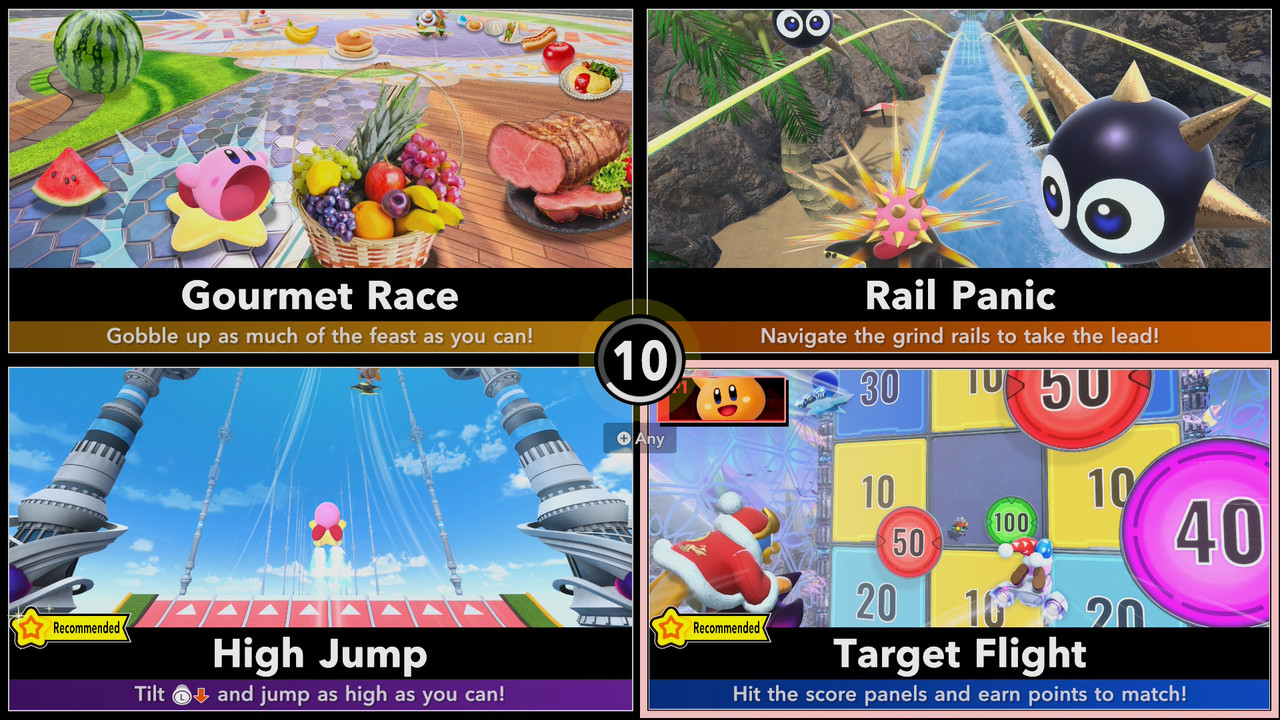
At the end, your accumulated stats determine your options. The game presents four different match types—races, melees, air gliders, and more—and you choose based on your strengths. Built for speed? Pick the race. Stacked attack stats? Go melee. Here’s the twist: you only compete against players who selected the same event, meaning there can be four first-place winners. Choose an event solo? Automatic victory. It’s strategic, chaotic, and devastatingly addictive.
The ranking system delivers genuine progression, and ride customization adds personal expression. City Trial represents a masterclass in multiplayer design—proof that Sakurai understood this mode’s magic two decades ago and has now amplified it across every dimension.
Gameplay (Road Trip) — The Journey to Maximum Power
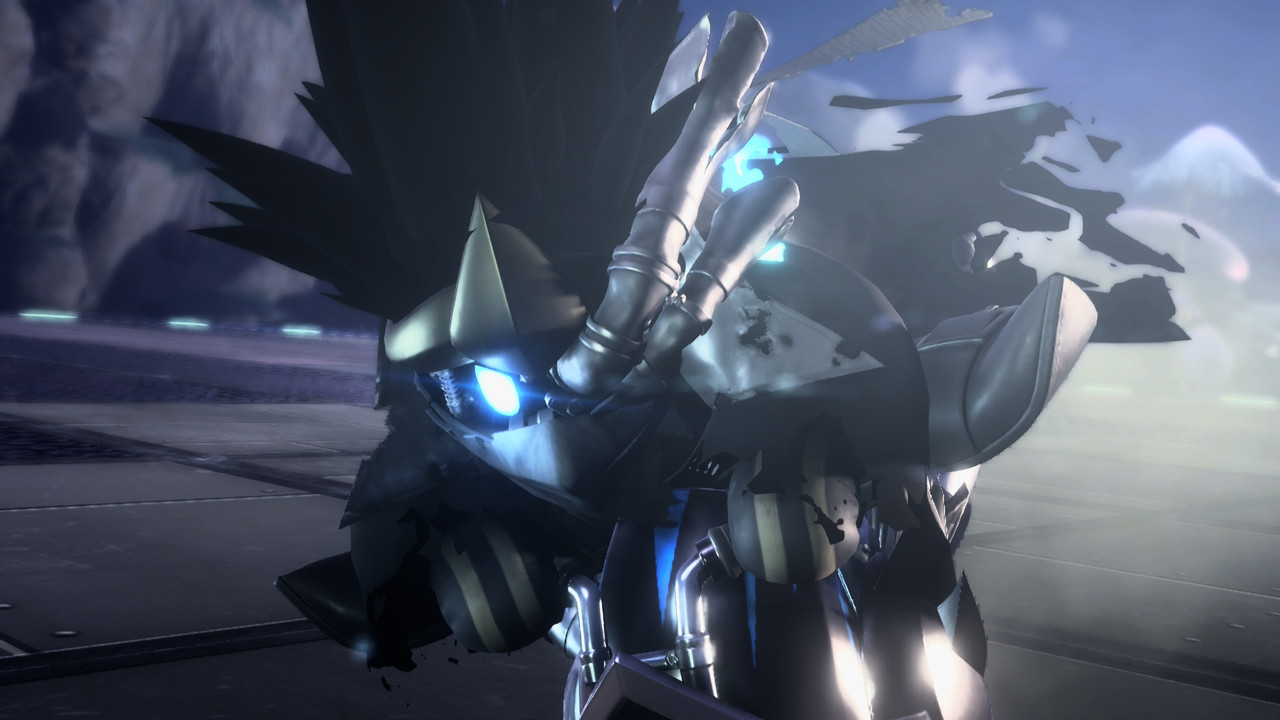
- Road Trip is a World of Light-style story mode with roguelite structure where you fight and power up Kirby across levels before facing spectacular boss battles.
- New Game+ lets you keep collected rides and upgrades, with the true ending unlocked by collecting everything.
- The narrative delivery is weak, but the final chapter and true ending boss justify the entire playthrough with hype-worthy spectacle.
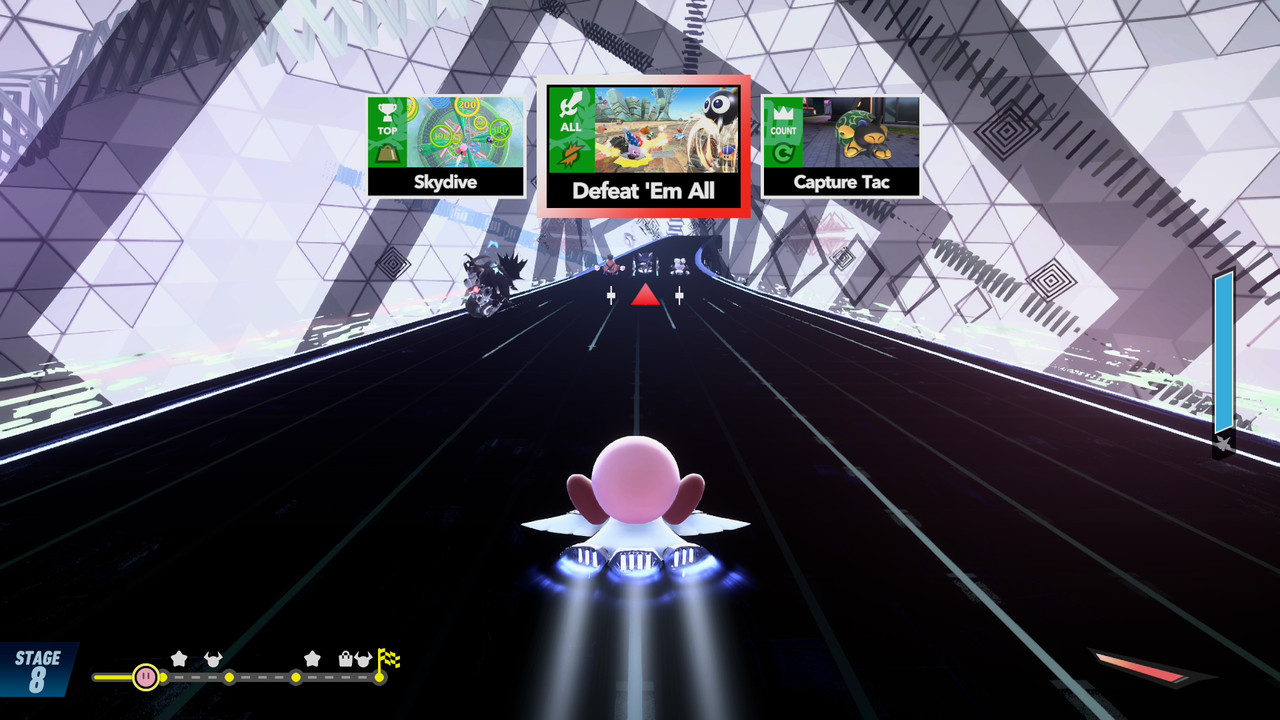
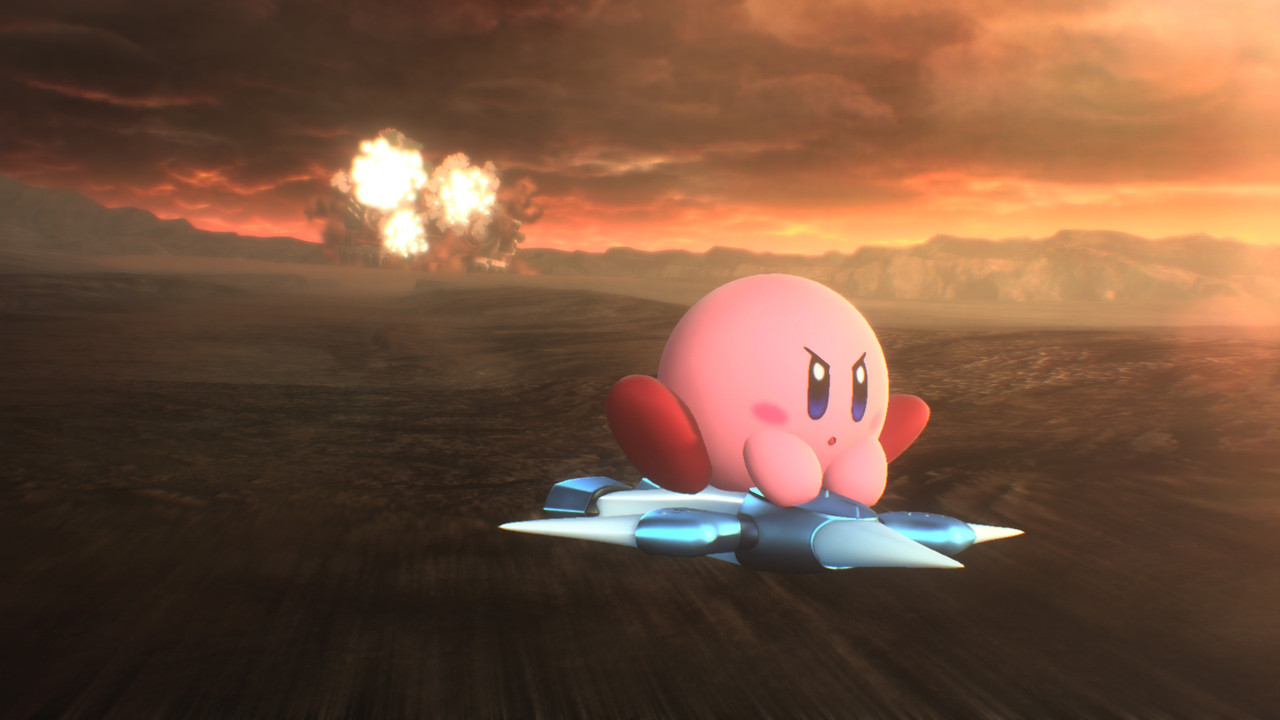
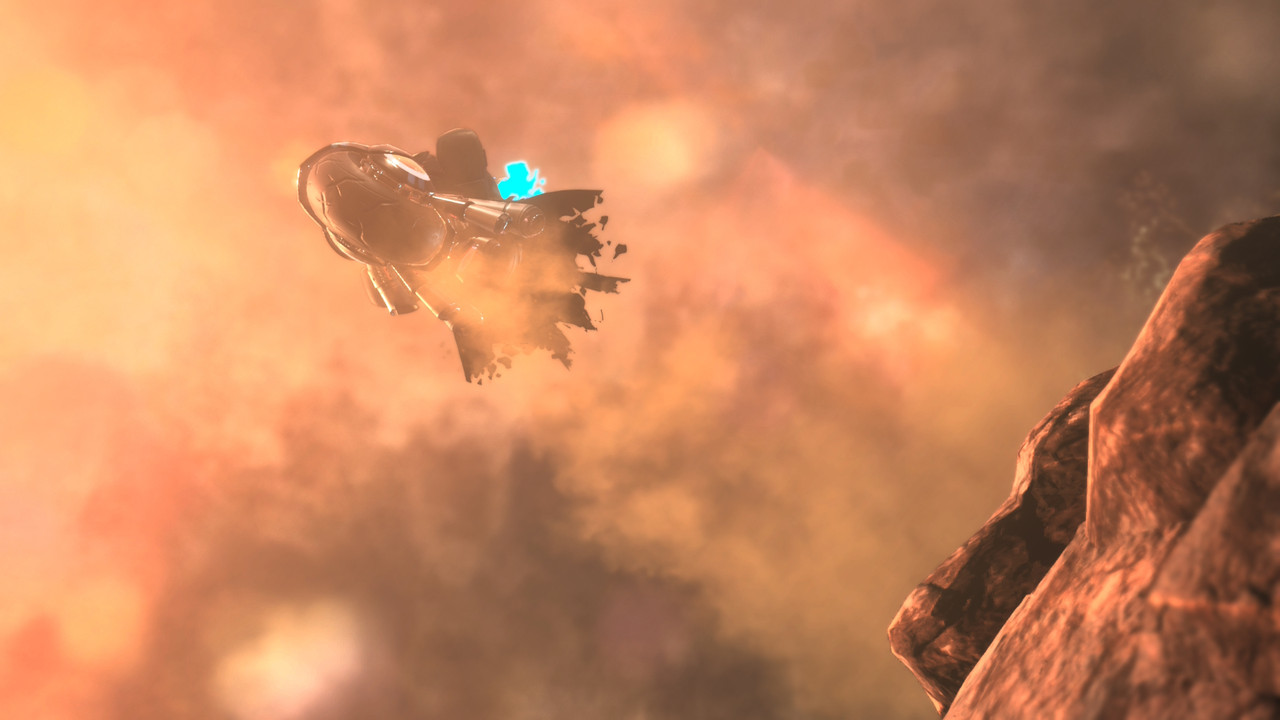
Road Trip serves as the World of Light-style story mode, featuring stunning cutscenes undermined by lackluster narrative delivery. The story exists, but it takes a definite backseat to gameplay. This could potentially disappoint players seeking narrative depth; however, the production value of what’s present remains undeniably impressive, with amazing-looking CG cutscenes littering your playthrough. You traverse 11 levels, selecting challenges from randomly generated sets of three options, evoking roguelite structure without the permadeath angle. Each challenge has a different reward and some items you pick up will lead you to a completely different area. This decision-making keeps the mode feeling fresh rather than repetitive, as your choices meaningfully impact your path and stat progression.
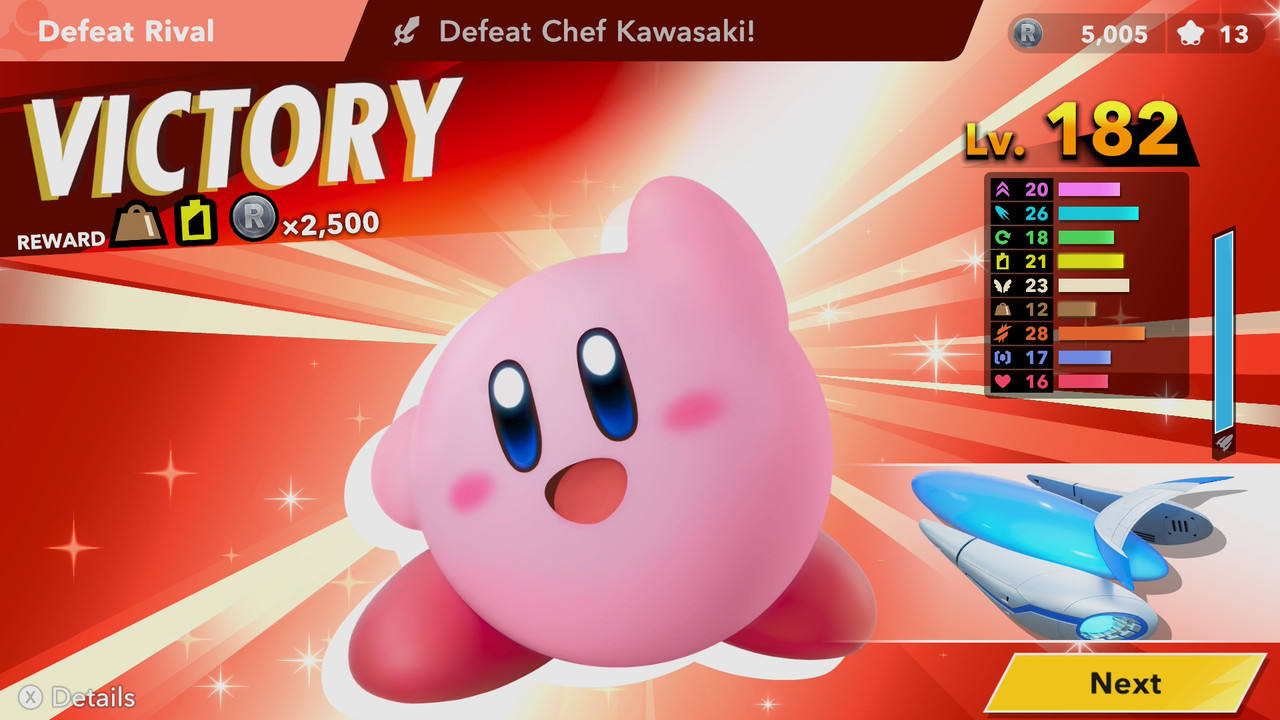
Steadily powering up Kirby until you reach the finale as an absolutely maxed-out, overpowered wrecking ball delivers genuine satisfaction. Watching your stats balloon and capabilities expand throughout the journey taps into that primal progression dopamine hit. New Game+ preserves your collected rides from previous runs, but not your stats. Collecting every ride after multiple runs unlocks the true ending. Both the standard final boss and true ending boss are spectacular encounters—easily the best boss design I’ve witnessed in any racing game, seamlessly blending the mechanics with epic cinematic spectacle. The final chapter’s execution is legitimately hype, justifying the entire playthrough for those climactic moments alone.
Online & Local Play — Built for Every Kind of Battle
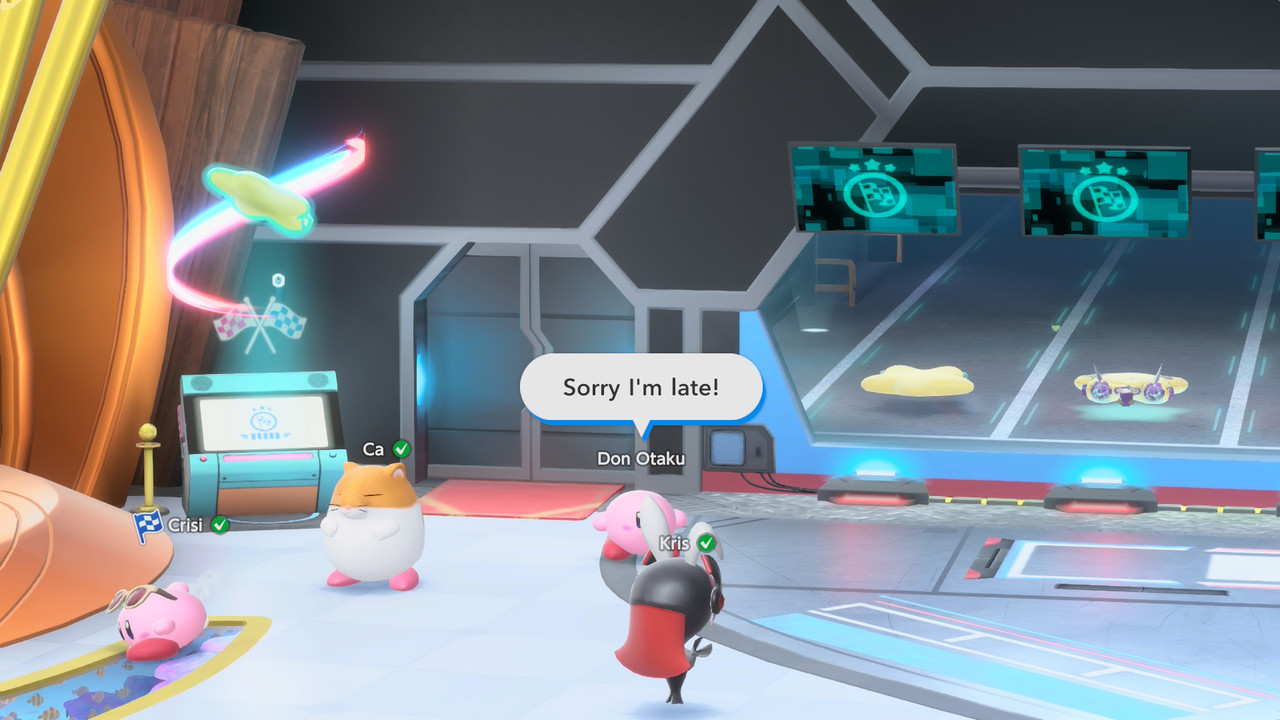
- Every mode supports both online and local play with rock-solid netcode that handles 16-player chaos flawlessly.
- Two-player split-screen maintains identical visual quality and performance to single-player with zero compromises.
Every mode supports both online and local play, exactly what a multiplayer-focused title should deliver. The online infrastructure proves rock-solid throughout extensive testing. Matchmaking is swift, lag is virtually nonexistent, and the netcode handles 16-player City Trial chaos with admirable stability. You can play up to 4-players split screen on one device. In my testing of two-player split-screen, it maintains identical visual quality and performance to single-player with no framerate dips. They’ve also added GameShare functionality so you can play with friends who don’t own the game.
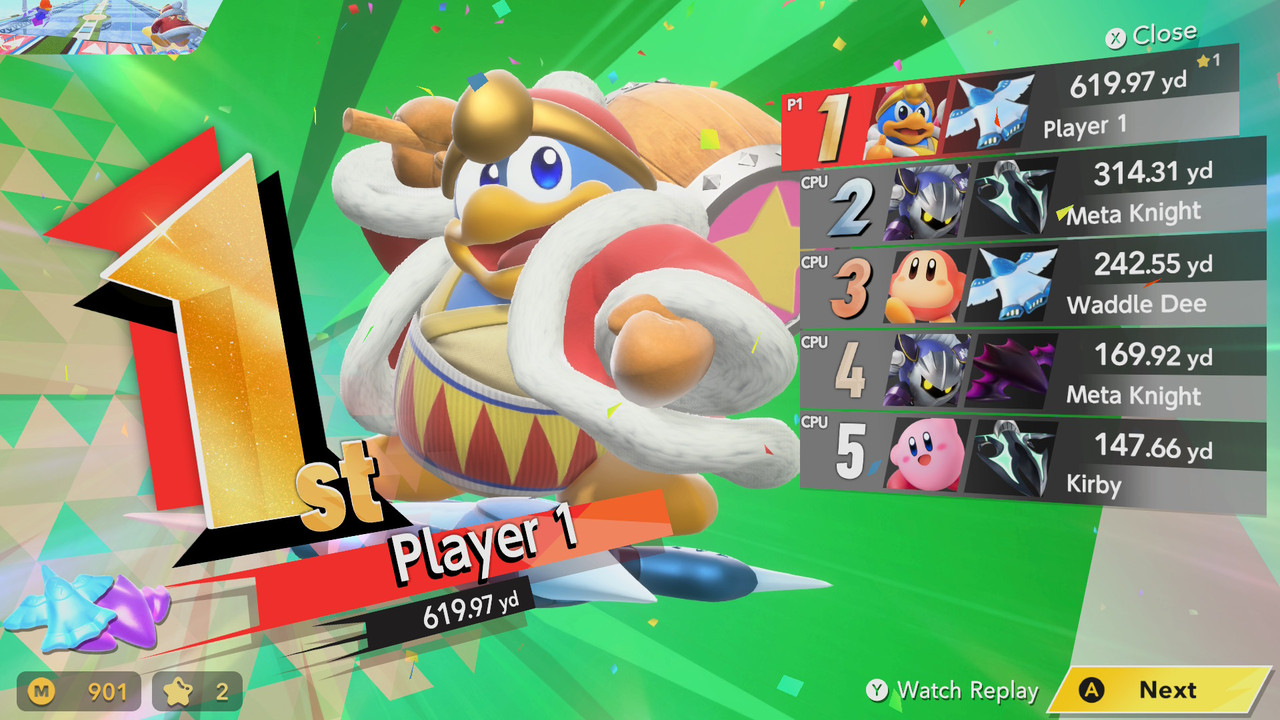
This dual-mode approach means Kirby Air Riders excels equally as a couch party game and online competitive experience. Ranking systems and leaderboards provide long-term online hooks, while local multiplayer preserves that immediate, social magic that makes same-room gaming irreplaceable. Sakurai’s team clearly invested serious effort in ensuring both experiences received premium treatment rather than treating one as an afterthought.
Conclusion — Vindication Two Decades in the Making
Kirby Air Riders vindicates the original Kirby Air Ride‘s vision completely. What critics dismissed as a failed experiment now stands revealed as an ahead-of-its-time gem that needed refinement to fully blossom. This isn’t a game that clicks immediately with everyone. It demands patience, practice, and willingness to engage with unconventional systems. Expecting Mario Kart with a Kirby coat of paint guarantees disappointment. But meet the game on its own terms, and you’ll unlock one of the most rewarding and distinctive racing experiences available.
Final Score: 8.5/10
This game was reviewed using a copy purchased by the reviewer.
Pros
- City Trial is an absolute masterpiece of multiplayer chaos with 16-player online support
- Expanded roster of 21 characters, all with copy ability access and unique stats
- Gorgeous visuals and an immaculate soundtrack with incredible arrangements
- Deep, rewarding gameplay with an incredibly high skill ceiling once mastered
- The challenge board provides constant, satisfying progression and unlockables
- Solid online infrastructure with no connection issues
- Road Trip mode delivers spectacular boss battles and satisfying progression
- Every mode supports both online and local play flawlessly
Cons
- The steep learning curve makes the game feel slow and unresponsive initially
- Air Ride and Top Ride modes don’t hold up as well in isolation
- Road Trip’s story is poorly delivered despite great cutscenes
- The vocal theme song is forgettable
- Not as pick-up-and-play friendly as other kart racers, which may alienate casual players
